





 Portuguese
  English
  Spanish
  3 min of reading
  0 comments


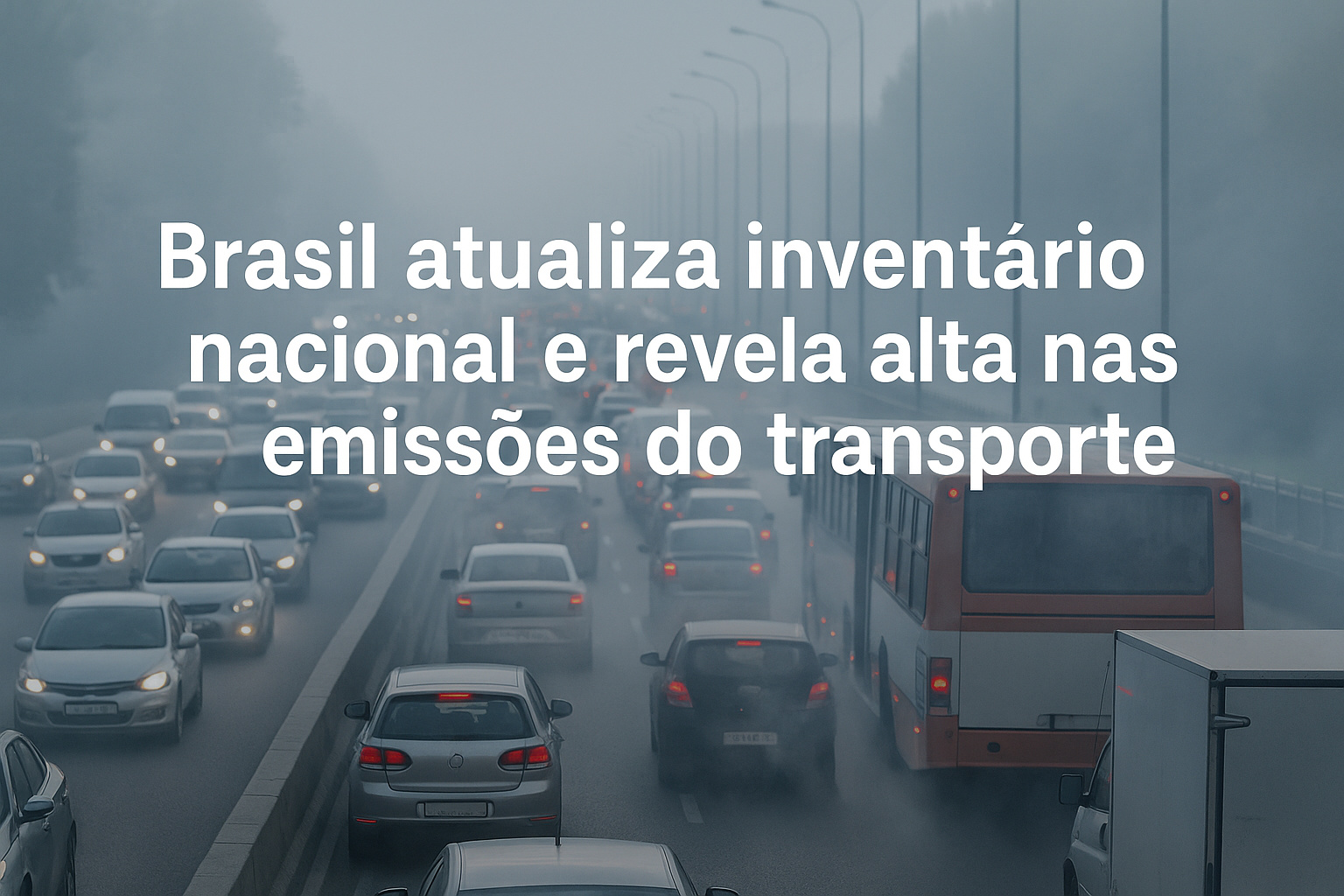
New National Inventory Data Show Increase in Emissions and Require Immediate Actions for Sustainability in the Sector
Brazil Updates National Inventory and Exposes New Climate Risks in Transportation
Brazil announced, this Tuesday (2), the update of the national road transportation emissions inventory, bringing the first official data in ten years. Thus, the country resumes an essential base to comprehend the evolution of pollution in the sector.
The new survey reveals how, where, and why emissions have increased, even with technological advances, as well as reinforcing the urgency of solutions to ensure sustainability, efficiency, and innovation in the sector. In this way, the study highlights challenges that already directly influence Brazilian mobility.
The study was prepared by IEMA and coordinated by the Ministries of Transport and Environment. Moreover, the update comes at a decisive moment to guide public policies and consequently, prepare the country for a cleaner transition.
-
The government puts R$ 8.6 billion on the table to change the highway (BR) with 50 overpasses, 28 bridges, 4 tunnels, and 40 km of bike lanes in 180 km of historic duplication.

-
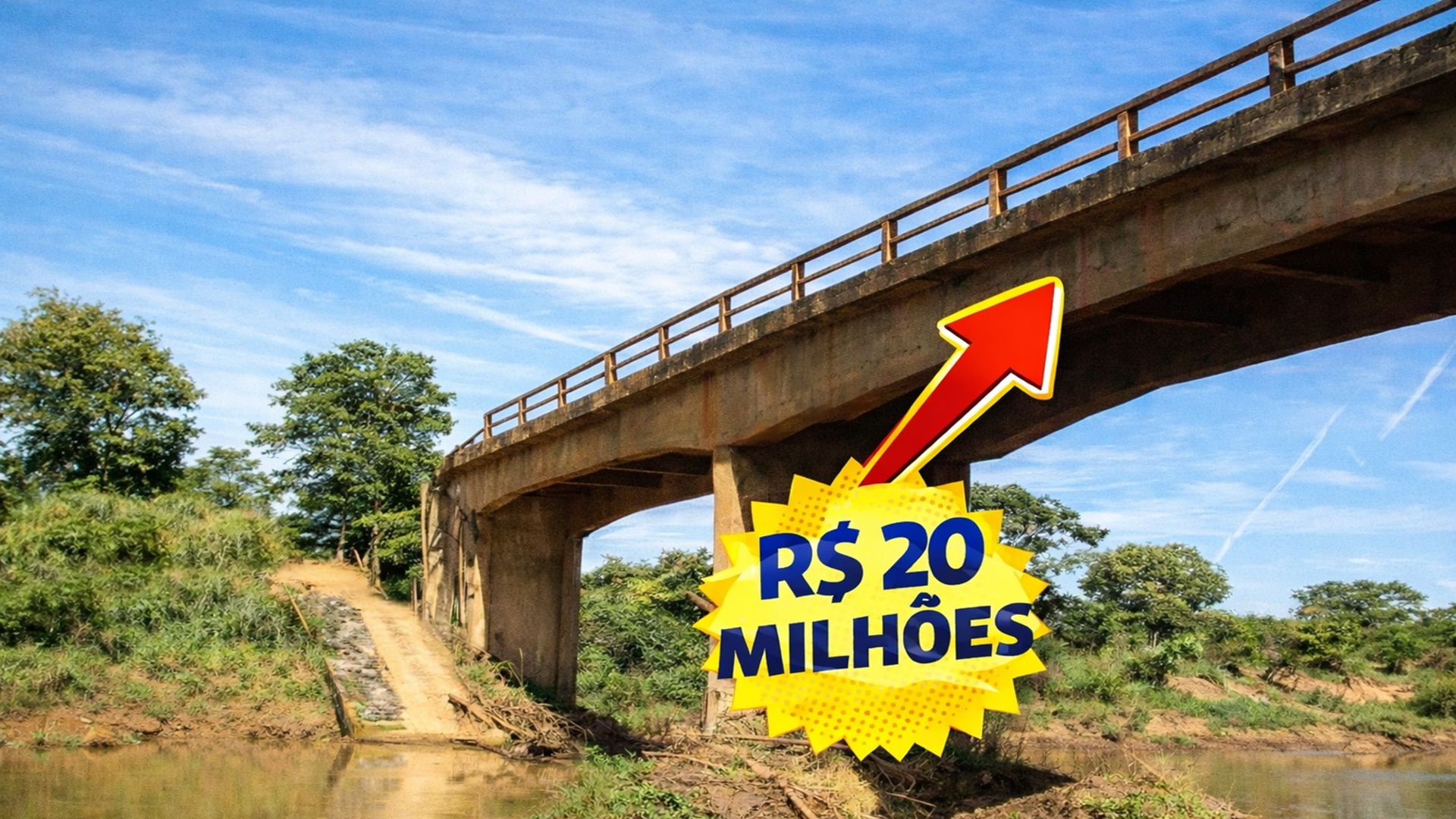
BRL 20.1 Million Bridge Project Kicks Off: 200-Meter Construction to Improve Access in Three Cities in Minas Gerais
-
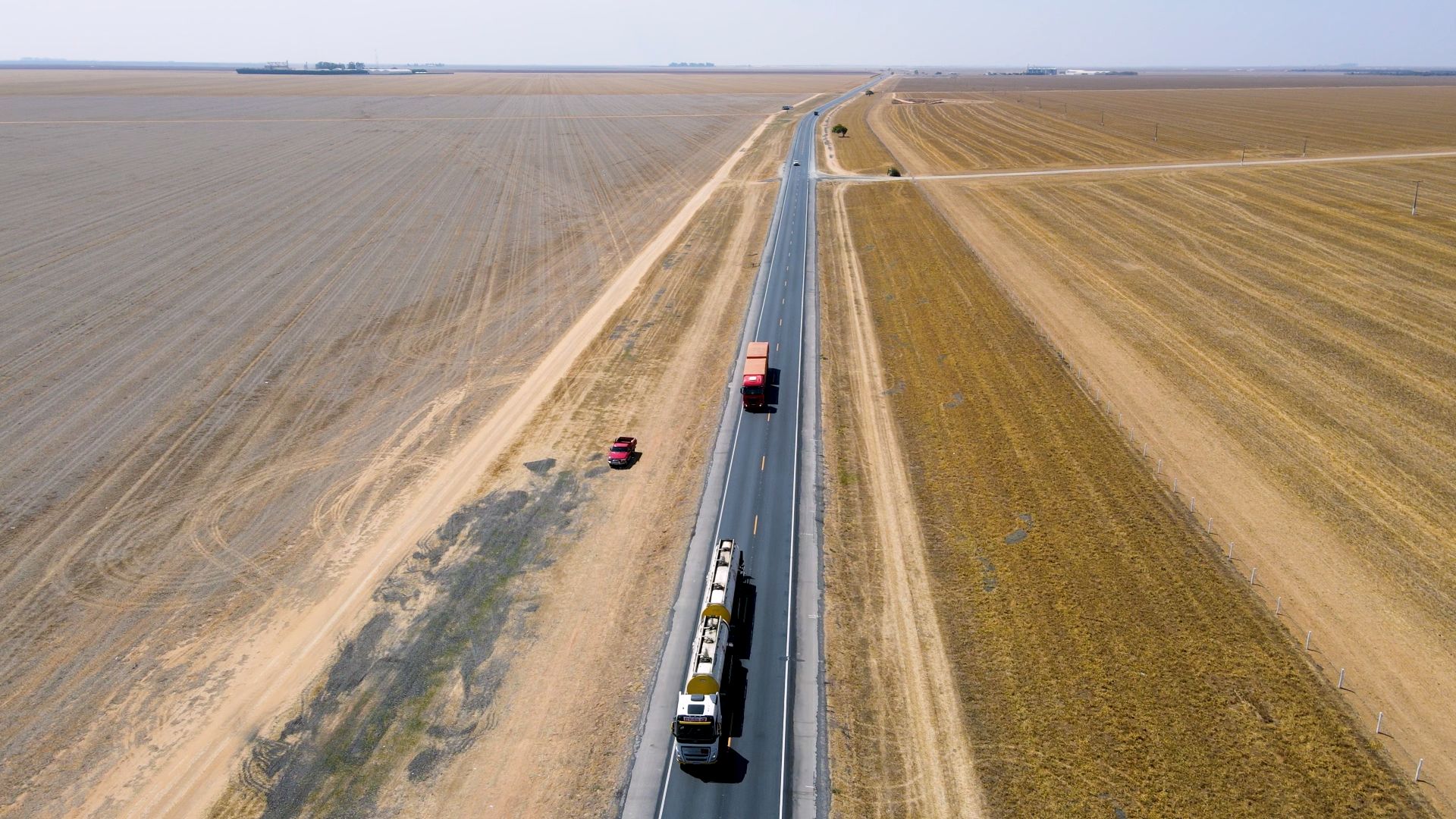
‘Endless Road’ In Brazil Is One of The Largest In The World: 145 Km Stretch On An Important Highway (BR) Crosses The West Of Bahia And Had 135.9 Km Revitalized With R$ 35.3 Million
-
Engineer From ITA Who Worked at Embraer Leads Free Flow Expansion With National Artificial Intelligence and Technology for Toll Without Barriers in Brazil

National Inventory Reinforces Need for Innovation in Transportation
The report emphasizes that the inventory will be the main evidence base to modernize the sector. It guides actions that include sustainable electrification, advanced biofuels, and more efficient logistics.
According to Cloves Benevides from the Ministry of Transport,
“The document serves as a technical basis to accelerate the transition to a low-carbon transportation matrix.”
Adalberto Maluf from MMA states:
“The launch of the inventory represents a decisive step towards consolidating evidence-based public policies.”
Growth in Emissions Accompanies Rapid Fleet Expansion
The CO₂ equivalent emissions grew by about 8% between 2012 and 2024 and consequently, this increase accompanies the expansion of the fleet and the greater use of vehicles.
In 2024, specifically:
- Passenger cars accounted for 34% of emissions.
- Heavy-duty trucks accounted for 22%.
- CO₂ represented 97% of the total.
In addition, the inventory brings, for the first time, data on black carbon, which reinforces direct impacts on health and climate and also expands the understanding of environmental challenges in the sector.
Change in Particulate Matter Profile Increases Environmental Alert
The study shows a relevant shift in the behavior of particulate matter (PM). While emissions from combustion have decreased, wear and tear from tires, brakes, and pavements have increased and as a result, today they represent half of the total.
In light of this scenario, the data emphasizes the need for innovation in mobility and vehicle materials. Furthermore, it reinforces the strategic role of rail transportation as a lower environmental impact alternative.
Main Reductions and Advances in Emissions by Pollutant
The national inventory recorded significant reductions in various categories:
- CO: decrease from 5.5 million to 1 million tons since 1991.
- NOx: consistent reduction since the 1990s.
- PM: less than 18,000 tons from combustion in 2024; added to wear, it reaches 38,000.
- Black Carbon: about 8,000 tons.
- Methane: continuous decline since the 1990s.
- CO₂: 270 million tons emitted in 2024.
- Constant Expansion of the Brazilian Fleet Pressures Emissions
- The national fleet increased from 71 million vehicles in 2024. Passenger cars represent 63%, motorcycles 25%, and light commercial vehicles 9%. The heavy fleet reached 2.5 million units.
- This scenario reinforces the importance of integrating more efficient modes, especially rail transportation, to reduce emissions and enhance logistical productivity.
Country Will Need More Data and Innovation to Advance in Sustainability
The update included technical workshops and participation from experts. Moreover, the report states that the country needs to improve data bases, emission factors, and licensing information to increase the accuracy of estimates.
Meanwhile, David Tsai from IEMA states that the inventory meets the guidelines of the National Air Quality Policy and supports states in updating their own documents.
In this way, the new inventory makes it clear that Brazil has made progress, but still needs to accelerate sustainability, strengthen evidence-based policies and, thus, enhance innovation to effectively transform the transportation system.







Seja o primeiro a reagir!