





 Portuguese
  English
  Spanish
  3 min of reading
  0 comments


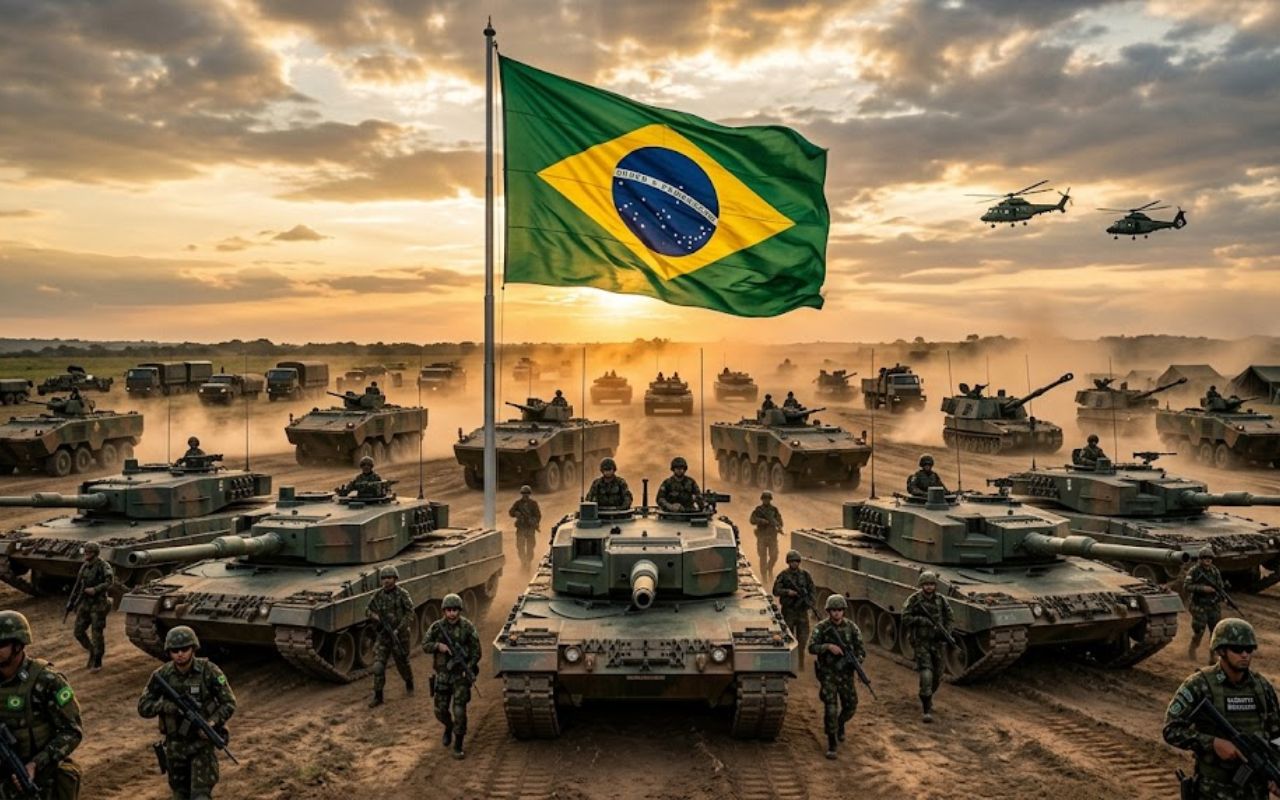
Brazil Achieves 11th in Global Military Power Ranking, Surpassing Israel, Germany, and Iran. Lula Highlights Strategic Investments in Armed Forces Alongside Diplomacy and Social Policies.
Brazil has reached 11th place in the global military power ranking, establishing itself as an emerging military power. This achievement places the country ahead of nations recognized for advanced technology and a history of conflicts, such as Israel, Germany, and Iran.
The position reflects not only the size of the Armed Forces, but also the capacity for industrial mobilization and the national geographical strategy.
According to analysts, a country’s strength is not only measured by its available arsenal but by its ability to integrate technology, logistics, and planning into an effective defense.
-
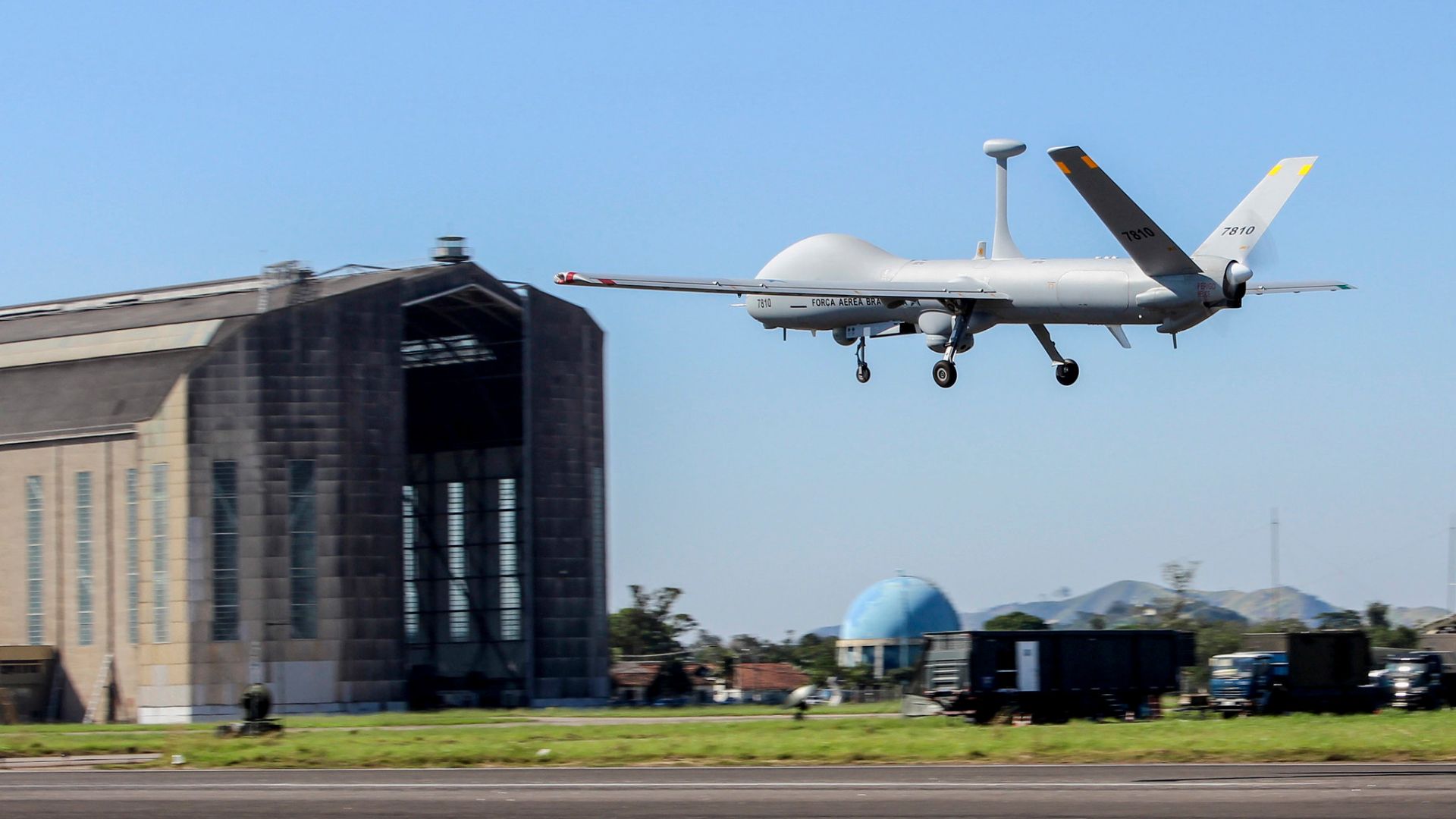
FAB loses Hermes 900 drone during multinational exercise in Mato Grosso do Sul and is left with only one active aircraft, raising concerns about operational fragility and strategic response capability.
-
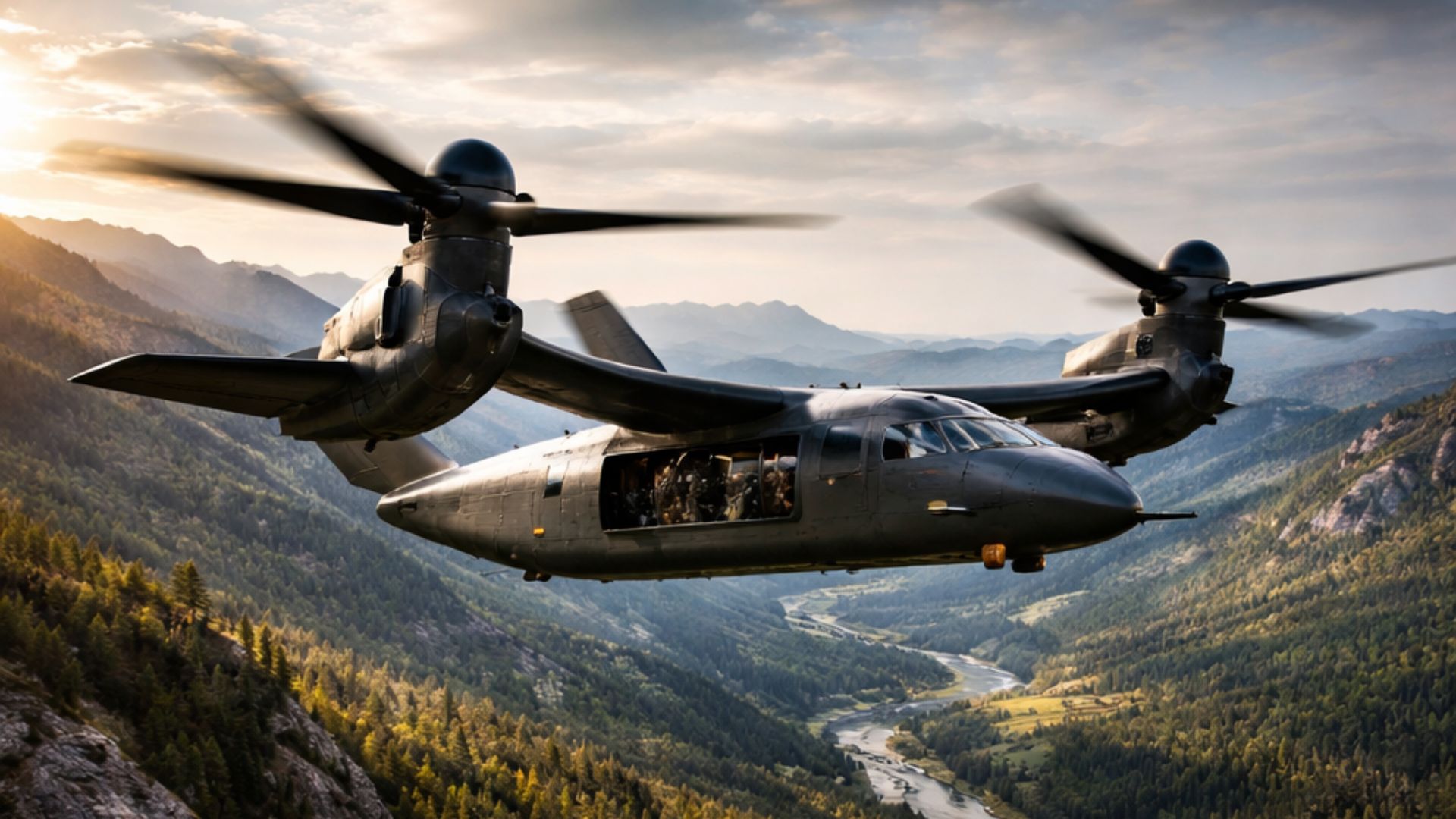
The U.S. Army bets on the multifunctional MV 75 aircraft with cutting-edge technology that promises to revolutionize modern warfare by combining extreme speed, greater range, and unprecedented operational efficiency.
-
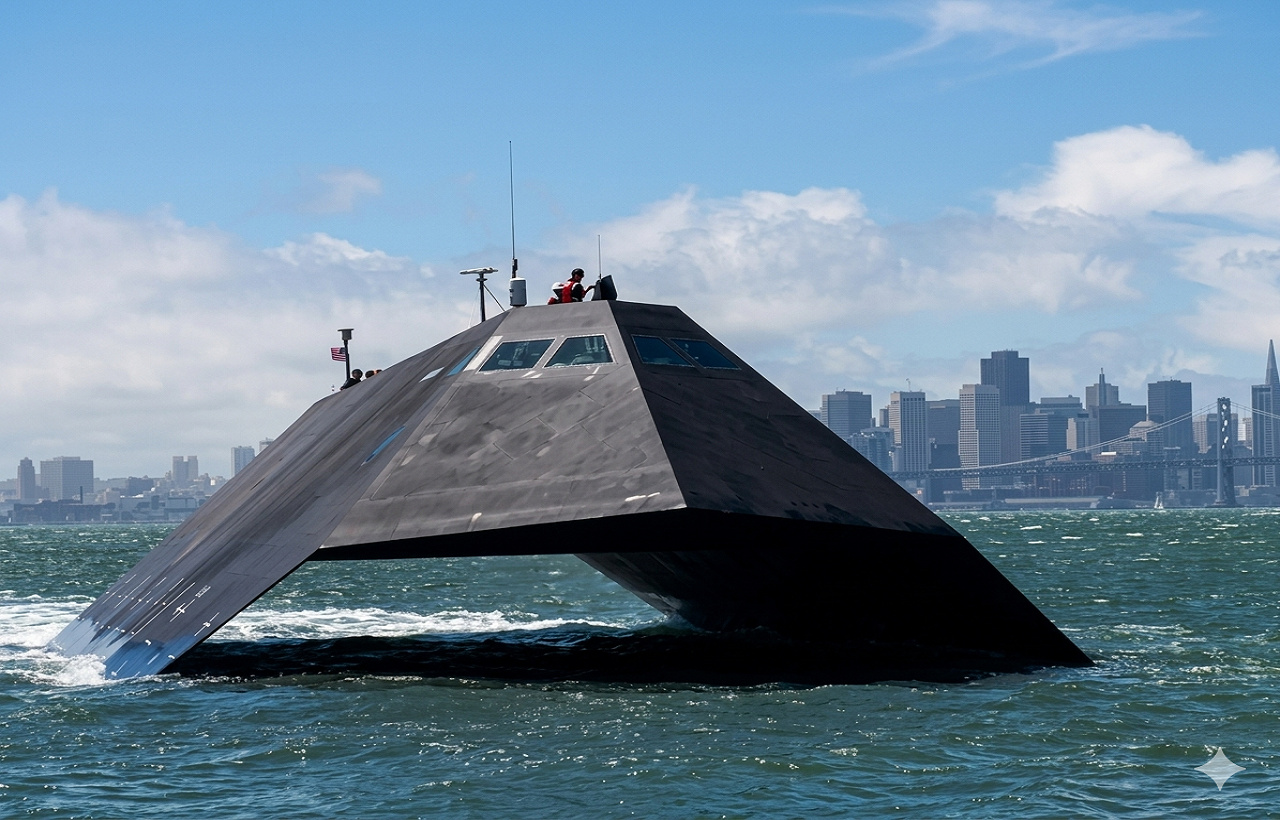
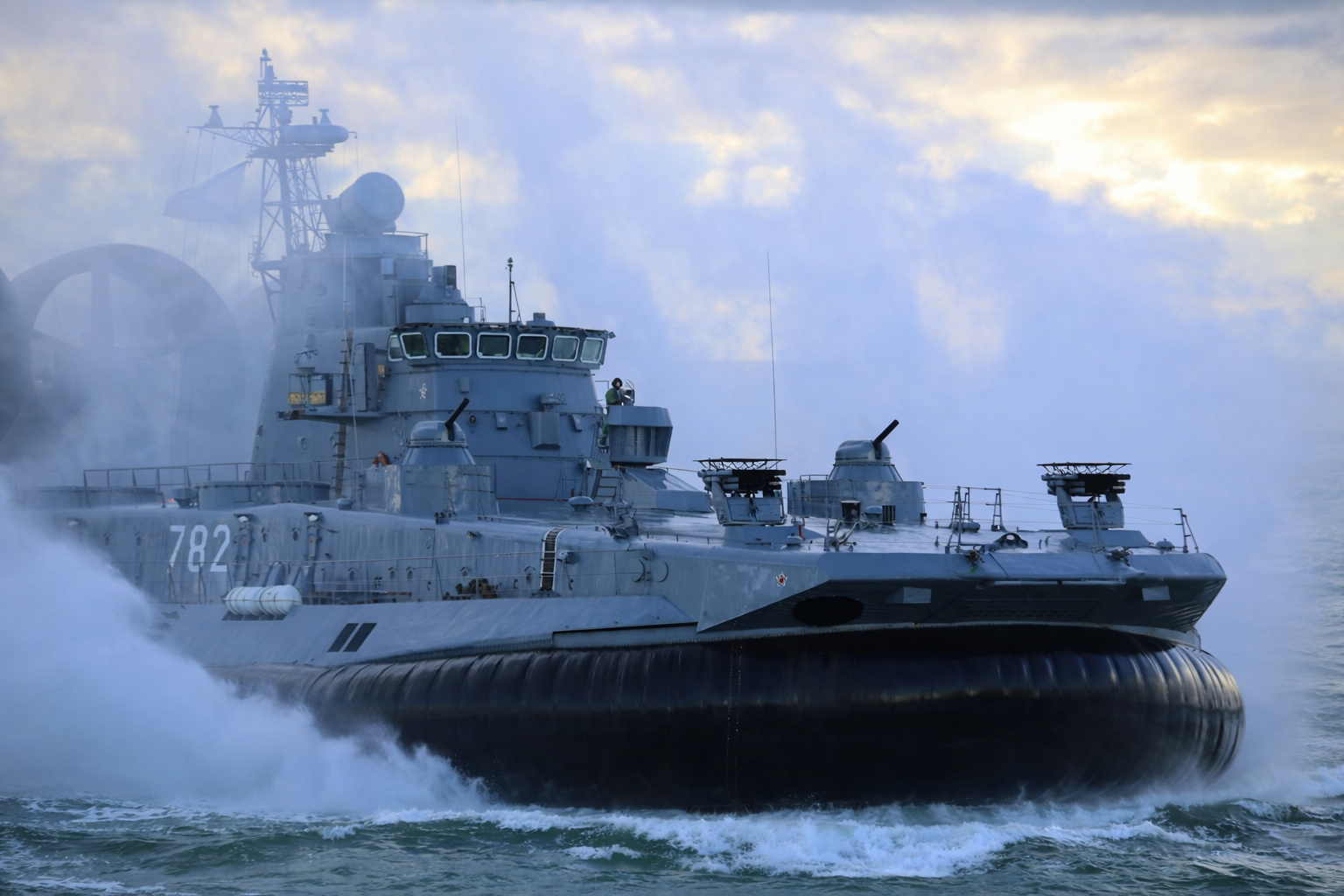
Built in secret inside a barge with a satellite-proof roof, the 49-meter, 560-ton ship with stealth technology deflected radar waves like an F-117 fighter, sailed invisibly for nearly 10 years at night, and, despite costing 170 million dollars, ended up being dismantled and sold as scrap for only 2.5 million.
-
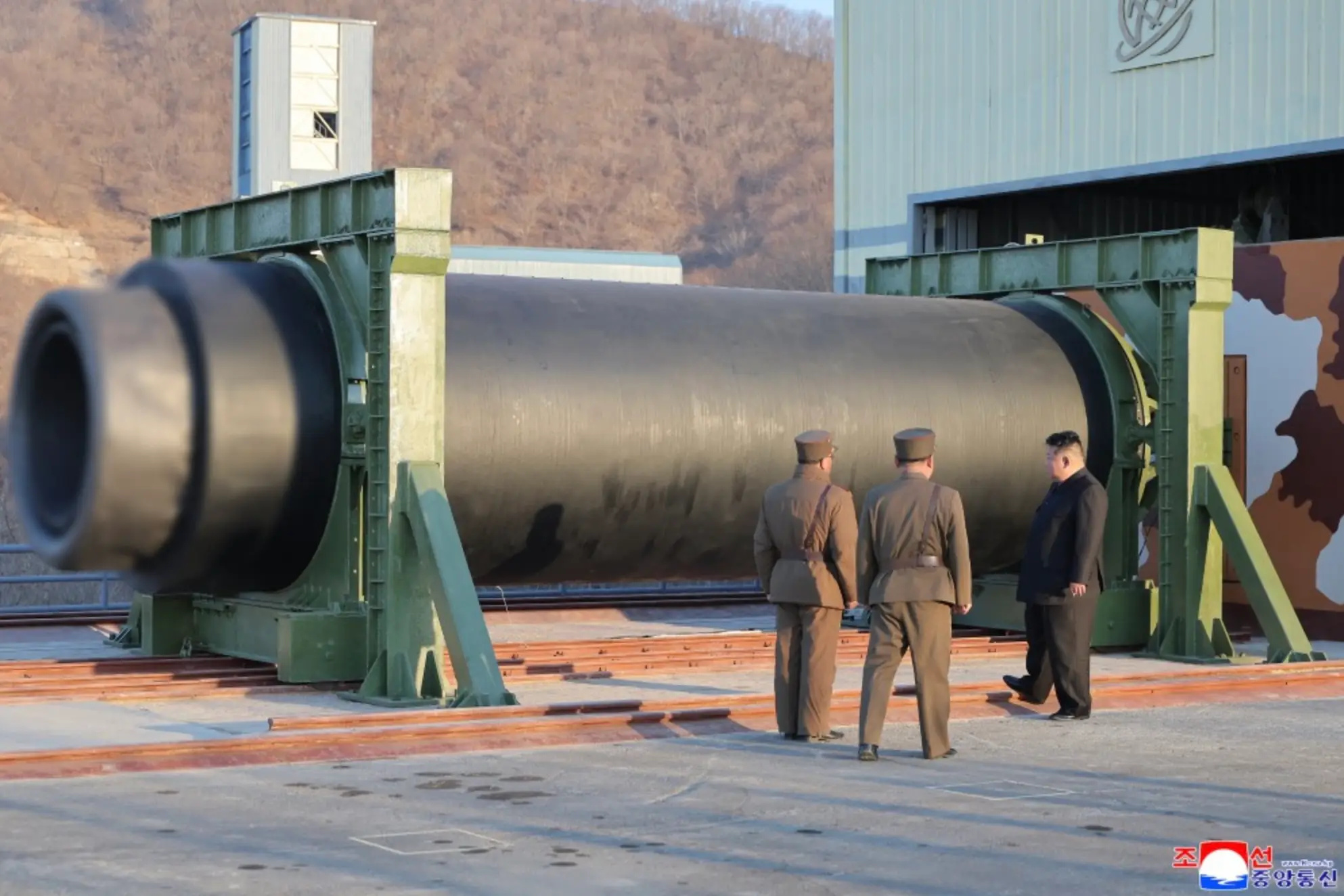
North Korea tests intercontinental range rocket with a 2,500 kN solid fuel engine supervised by Kim Jong Un and advances in a five-year strategic plan.
Industrial Mobilization Is a Strategic Differentiator
The true strength of a nation lies not only in what it possesses today but in its capacity to metamorphose in the face of a crisis.
In Brazil’s case, the “silent trump card” is its industrial resilience.
Unlike powers that rely exclusively on ready stocks, Brazil plays with the advantage of adaptability.
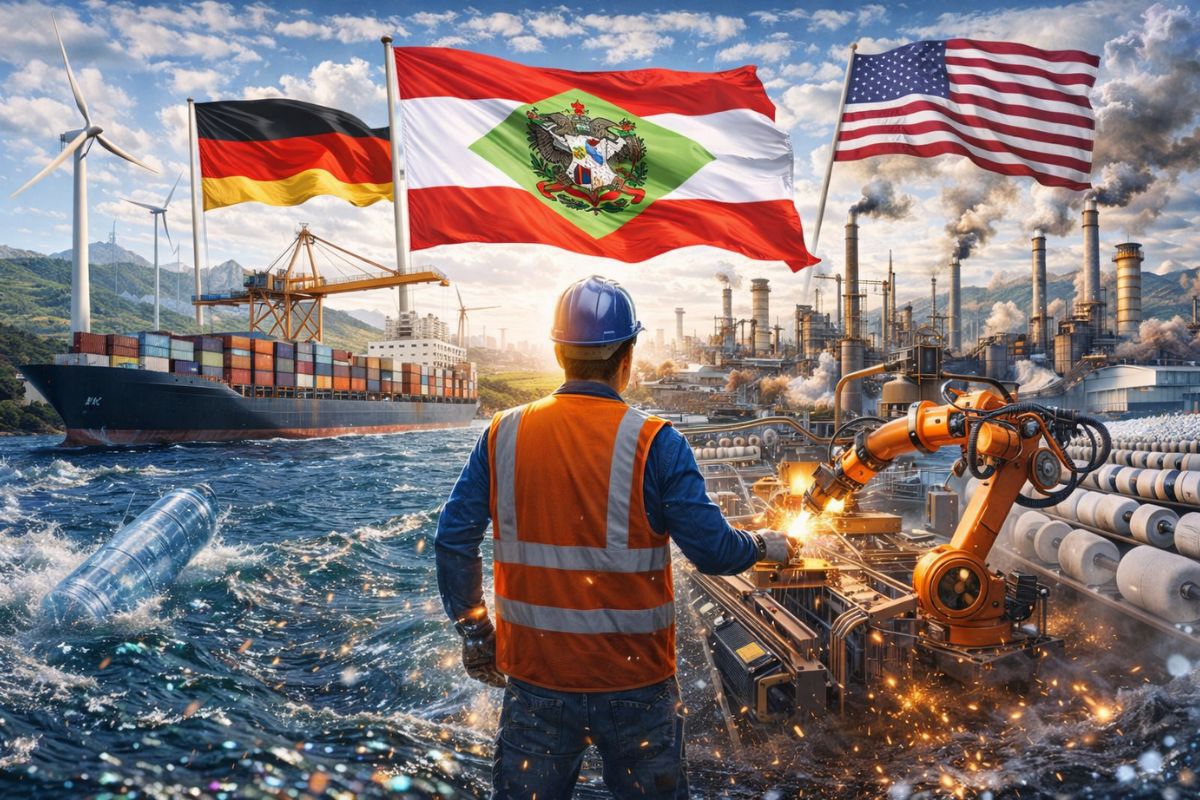
Imagine a gear where civilian sectors — such as pulp, rubber, and heavy manufacturing — function as a technical reserve, ready to be converted into military production lines in record time.
Criteria That Support the Military Power Ranking
The military strength of Brazil is not a product of chance but rather of a strategic architecture supported by five fundamental pillars.
Imagine a structure where human capital and financial power serve as a foundation: the country maintains a significant contingent of active soldiers, backed by a defense budget that exceeds US$ 26 billion.
However, the Brazilian differential goes beyond raw numbers. The narrative of its sovereignty is written through three fronts of technological and operational readiness:
- Land Firepower: A robust inventory of armored vehicles that ensures mobility and protection.
- Naval Sovereignty: A Navy designed for the control and defense of strategic waters.
- Aerospace Dominance: An Air Force with high operational capacity, ready for rapid responses.
This combination of resources transforms Brazil into a modern player on the global stage, balancing critical mass with tactical efficiency to address any contemporary challenge.
Top 20 Global Military Powers
The international survey shows the largest military forces in the world:
- United States
- Russia
- China
- India
- South Korea
- United Kingdom
- France
- Japan
- Turkey
- Italy
- Brazil
- Pakistan
- Indonesia
- Germany
- Israel
- Iran
- Australia
- Spain
- Egypt
- Ukraine
Brazil stands out not only for the size of its arsenal but also for the integration of technology, logistics, and strategic planning, consolidating its position as an emerging power.
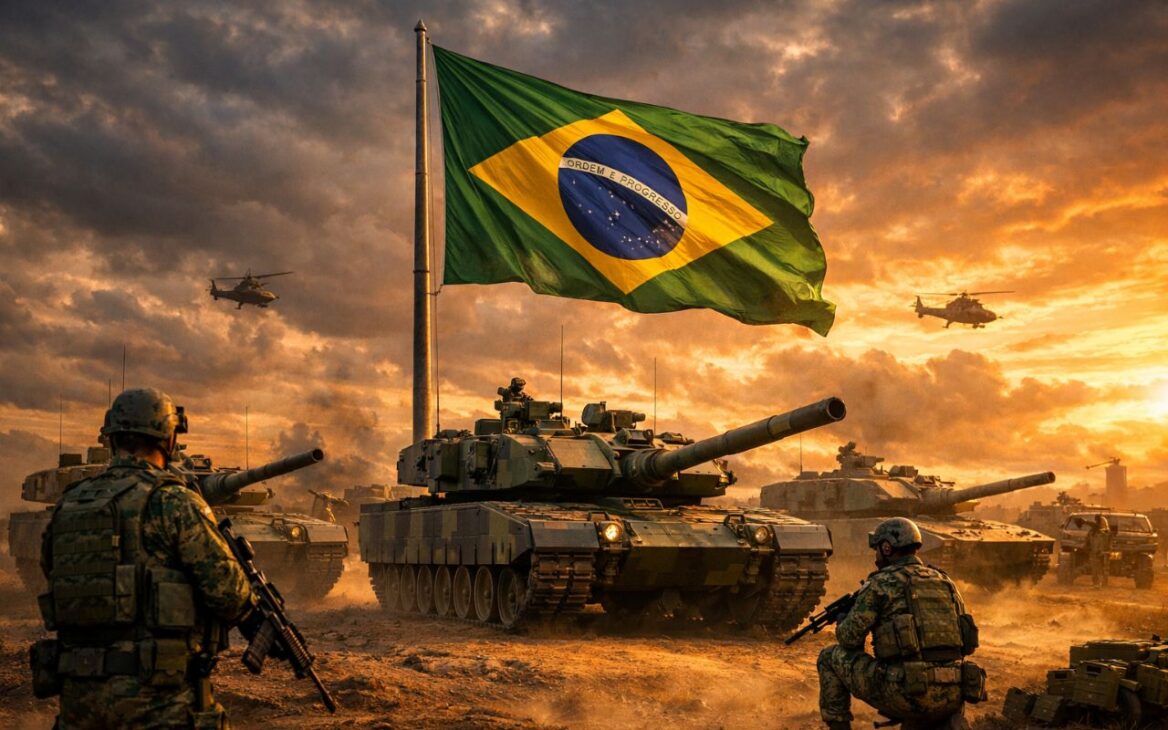
Lula Reinforces Investment in Defense
On March 9, 2026, President Luiz Inácio Lula da Silva reinforced the importance of increasing investments in the Armed Forces during a meeting with South African President Cyril Ramaphosa at the Palácio do Planalto.
“If we do not prepare in terms of defense, one day someone will invade us,” Lula stated. For the president, strengthening military capabilities acts as a deterrent, preventing external threats before they materialize.
Defense with a Focus on Peace and Social Responsibility
Despite the significant military power, the government maintains a focus on diplomacy and social policies.
Lula emphasized that the billions spent by major powers on wars could be redirected to combat hunger and reduce inequalities.
Even while ranking among the largest military powers, Brazil prioritizes regional stability and peaceful solutions for international conflicts, balancing military strength, industrial mobilization, and diplomatic tradition.
With modernization of equipment, troop training, and investments in technology, Brazil has the potential to advance even further in the global military power ranking.
The integration of industrial mobilization, geographical strategy, and logistics positions the country as an emerging power, balancing defense, diplomacy, and social responsibility.
Source: BAND








-

-

2 pessoas reagiram a isso.