





 Portuguese
  English
  Spanish
  3 min of reading


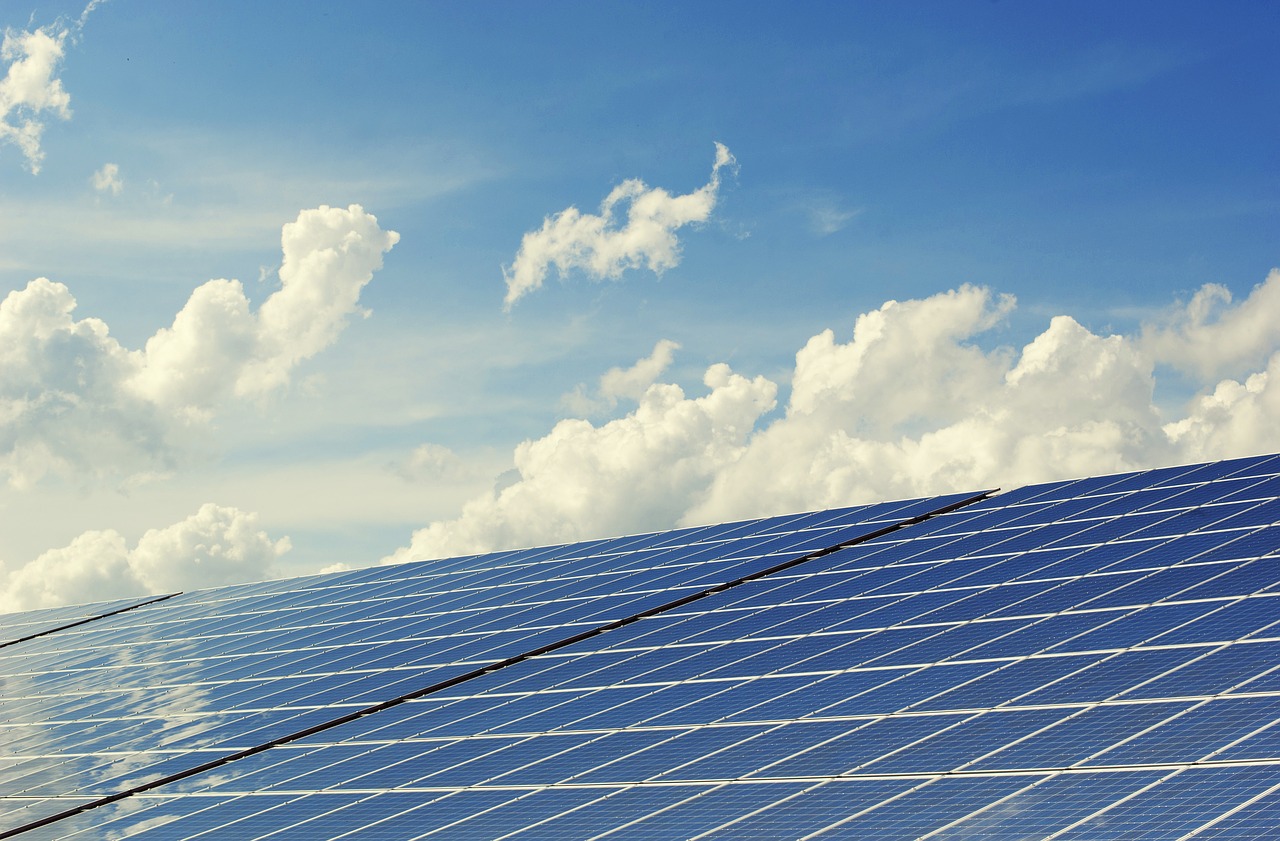
Absolar Announced That Brazil Has Reached a New Record in Solar Energy Generation and Reached the Mark of 18 GW of Installed Capacity, Driven by Large Plants and Smaller Production Systems.
Absolar (Brazilian Association of Photovoltaic Solar Energy) recently announced that Brazil has reached the mark of 18 GW of installed capacity in solar energy and set a new generation record. The source now accounts for 8.5% of the country’s energy matrix and was driven by large production plants and smaller systems installed in homes and commercial establishments throughout 2022.
Absolar Announces New Record in the Solar Energy Market in Brazil, Reaching the Mark of 18 GW of Installed Capacity and Representing 8.5% of the National Energy Matrix
The renewable energy market in Brazil has been growing considerably during 2022, and Absolar has just announced an important new milestone for the sector, reaching 18 GW of installed capacity in the national territory.
Furthermore, the solar energy sector now represents a total of 8.5% of the country’s energy matrix, thus ensuring even more relevance in the national scenario.
-
A Canadian retiree creates a hydroelectric system on a real river, generating energy continuously throughout the day and demonstrating how the power of water can supply a house with stability even in a simple structure.

-
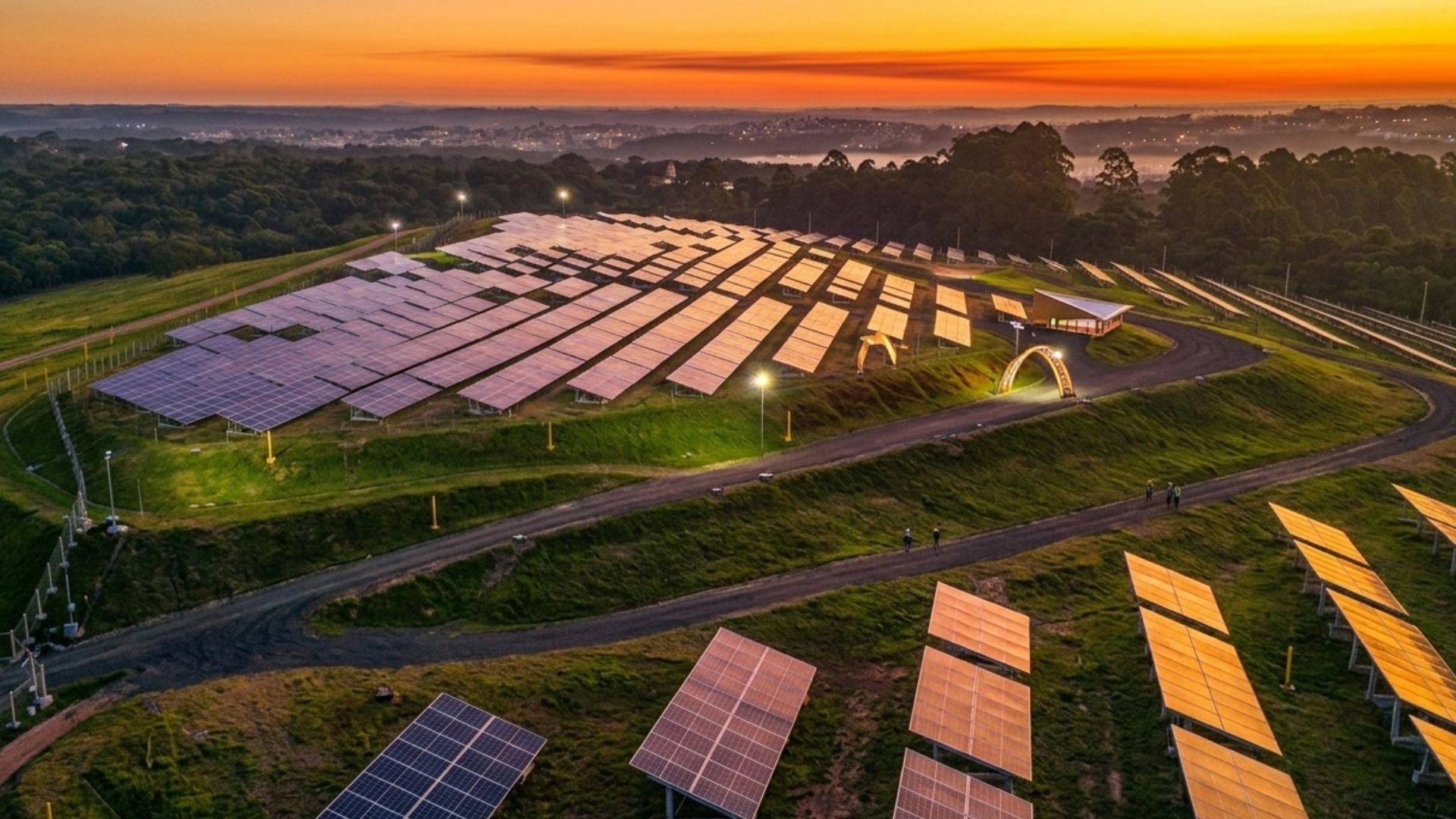
Solar Pyramid draws attention by converting solar energy into million-dollar savings and repositioning the City Hall of Curitiba as an example of innovation, sustainability, and intelligent use of public resources.
-
Petrobras reaffirms its commitment to the market and ensures that it will carry out the energy transition safely to maintain national sovereignty.

-
Researchers discover a possible hydrogen deposit of up to 46 million tons beneath an ancient coal basin, and the volume could exceed half of the entire global production.


Absolar also highlighted the main drivers behind the segment’s strong results in recent months. They are the large-scale production plants and small-scale generation systems, such as rooftop, façade, and small land systems.
The association’s mapping also proved that, between January and August this year, the installed capacity of solar energy in the country grew by 38.4%, jumping from 13 GW to 18 GW, ensuring significant expansion.
Moreover, the last three months have shown even better results, as the installed capacity has seen a growth of 1 GW per month, making this source the third largest in the national energy matrix.
Investments in the segment are also on a strong rise over recent years, and solar energy has already brought Brazil more than R$ 93.7 billion in new investments, in addition to creating over 540.5 thousand jobs since 2012. Finally, there has also been a removal of more than 26.5 million tons of CO2 in electricity generation.
The Sector Has Been Growing Significantly in Recent Years with Advances in Power Plants, Says Absolar
The CEO of ABSOLAR, Rodrigo Sauaia, commented on the growth of the solar energy sector in Brazil and emphasized that the expansion of power plants has been essential to ensure a good socioeconomic development of the country. This is because the renewable energy market is one of those that has been creating the most job opportunities and attracting investments to the national economy.
“The source helps to diversify the supply of electricity in the country, reducing pressure on water resources and the risk of further increases in the electricity bills for the population. Large solar plants generate electricity at prices up to ten times lower than emergency fossil thermoelectric plants or electricity imported from neighboring countries, two of the main contributors to the tariff increases in recent years affecting consumers.”
Currently, Brazil has more than 5.6 GW of installed capacity in large solar plants. This segment has already attracted around R$ 28.1 billion in new investments and more than 168.5 thousand accumulated jobs, and according to Absolar, it could further expand these numbers with the necessary investments.






Seja o primeiro a reagir!