





 Portuguese
  English
  Spanish
  3 min of reading
  4 comments


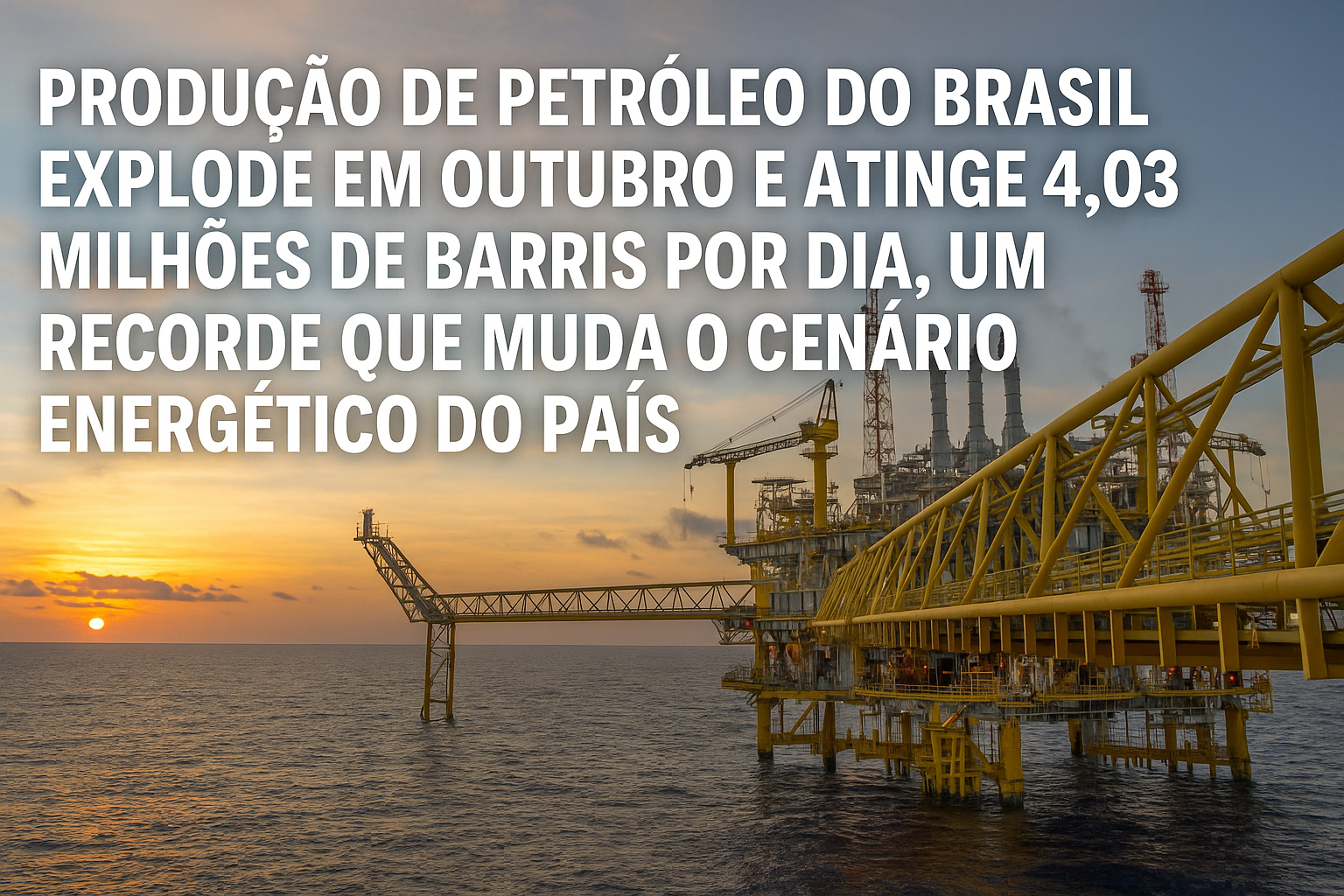


Brazil’s Oil Production Hits Unprecedented Level and Reaches 4.03 Million Barrels per Day. See What Driven the Record.
Brazil Sets Record in Oil Production and Achieves Historic Mark
Brazil set a new record in oil production in October, reaching 4.030 million barrels per day, according to data released by the National Agency of Petroleum (ANP). The figure, which represents a significant growth in the sector, was revealed by Lauro Jardim’s column in the newspaper O Globo.
The result places the country among the largest global producers. If it were part of OPEC, Brazil would today be the third largest producer, trailing only Saudi Arabia and Iraq. This performance reinforces the advancement of the Brazilian energy industry on the international stage.
Additionally, natural gas production also surprised. In October, the volume reached 194.780 million cubic meters per day, equivalent to 5.255 million barrels of oil equivalent. Thus, the country consolidates another chapter of simultaneous expansion in oil and gas.
-
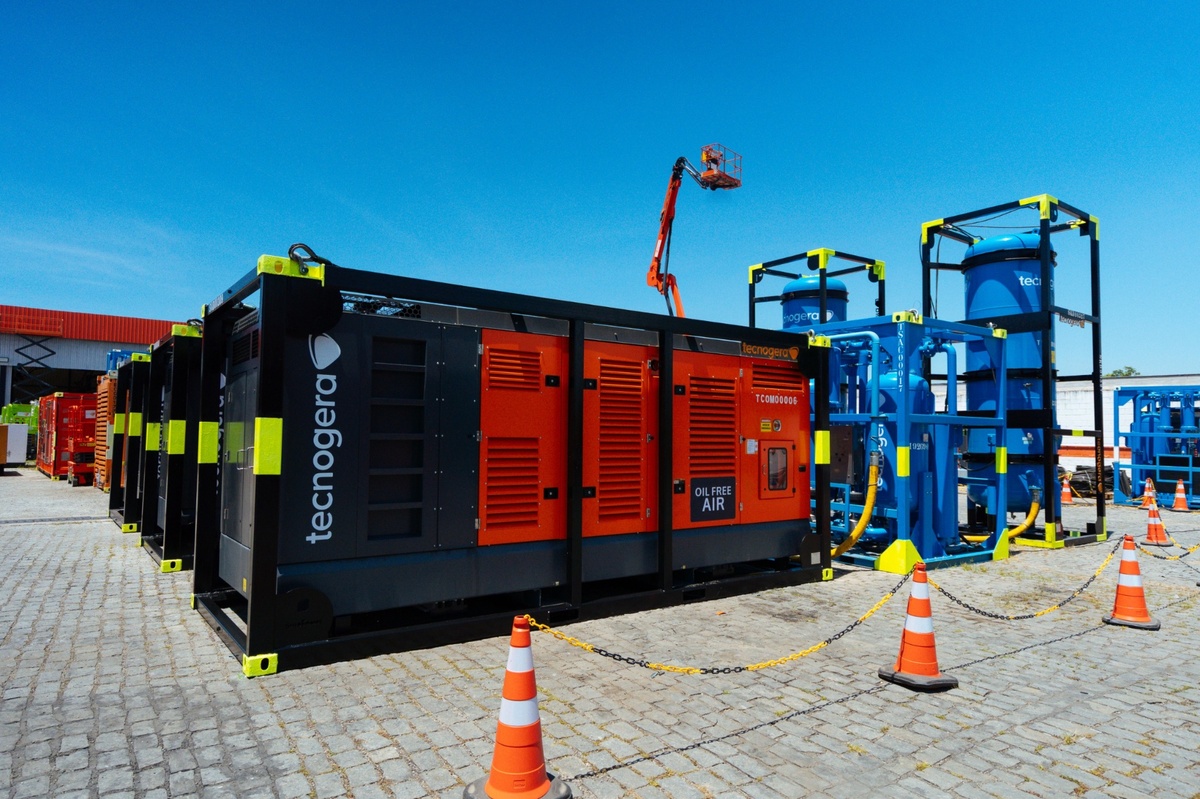
Offshore industrial demand in Macaé skyrockets with the recovery of oil and gas and could grow by up to 396% by 2026 in the Campos Basin.
-
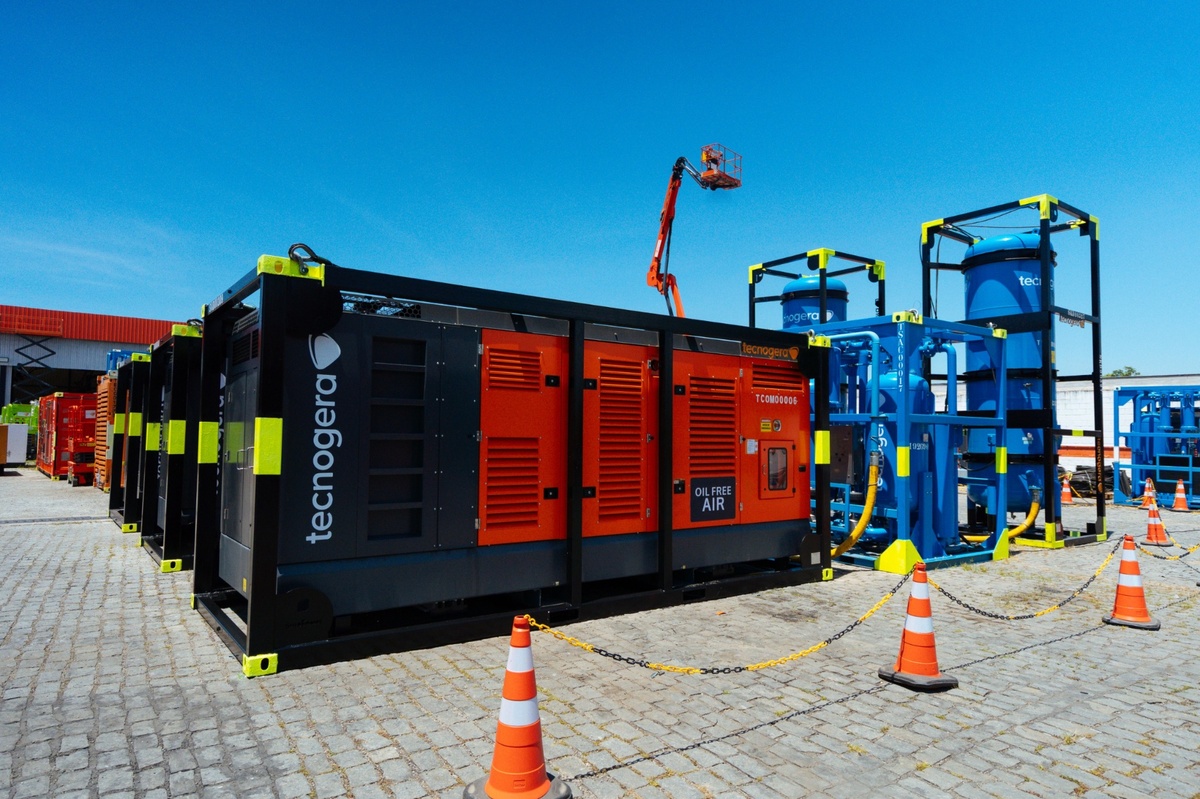
Offshore industrial demand in Macaé surges with the recovery of oil and gas and could grow by up to 396% by 2026 in the Campos Basin.
-
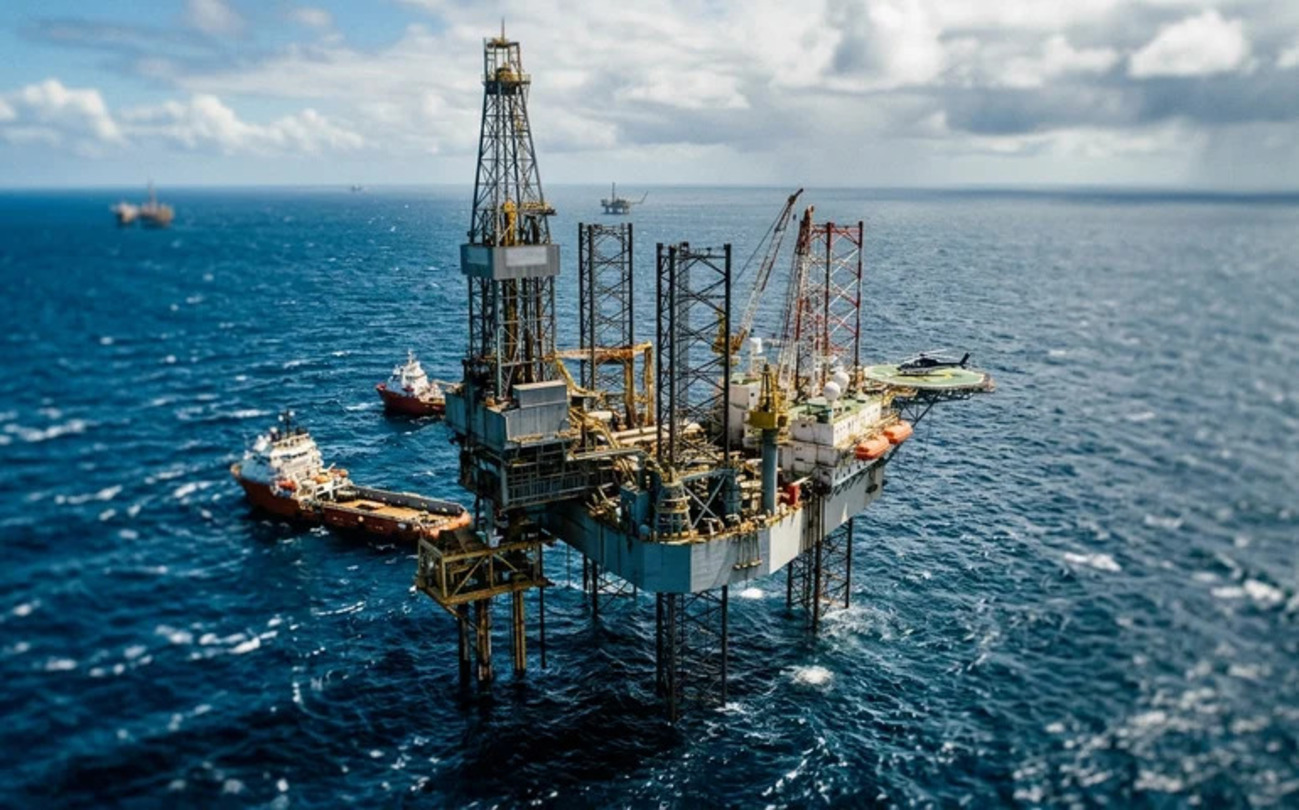
Brazilian giant expands borders in the Southeast: Petrobras confirms new oil discovery in ultra-deep waters in the pre-salt of the Campos Basin.
-
Alert in the global energy market: Severe tropical cyclone hits the coast and disrupts gas production at major plants in Australia, threatening global supply.
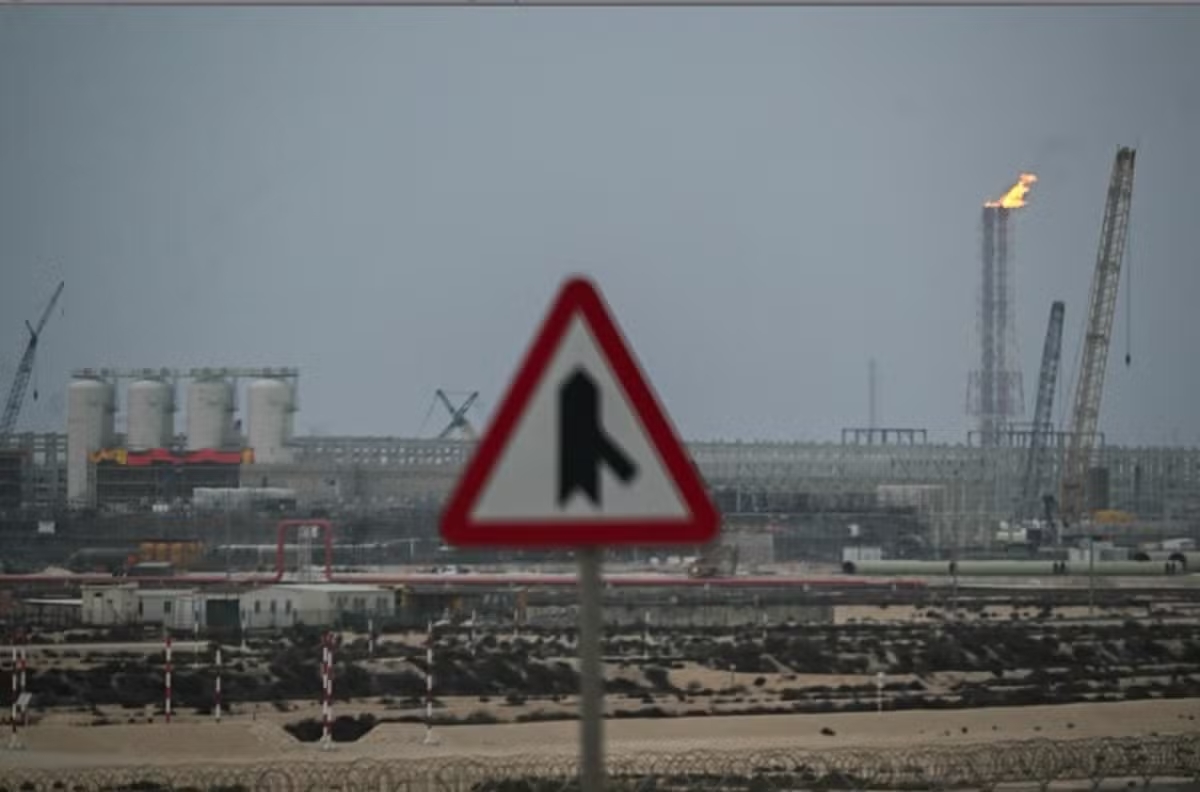

Oil Production Boosts Exports
The significant growth in production also reflected in the trade balance. By October, oil exports generated US$ 37.5 billion in revenue, strengthening the sector’s participation in the Brazilian economy.
On the other hand, the upward trend demonstrates greater international competitiveness and increases the country’s capacity to attract investments in exploration and technology.
Brazil Advances Among the World’s Largest Producers
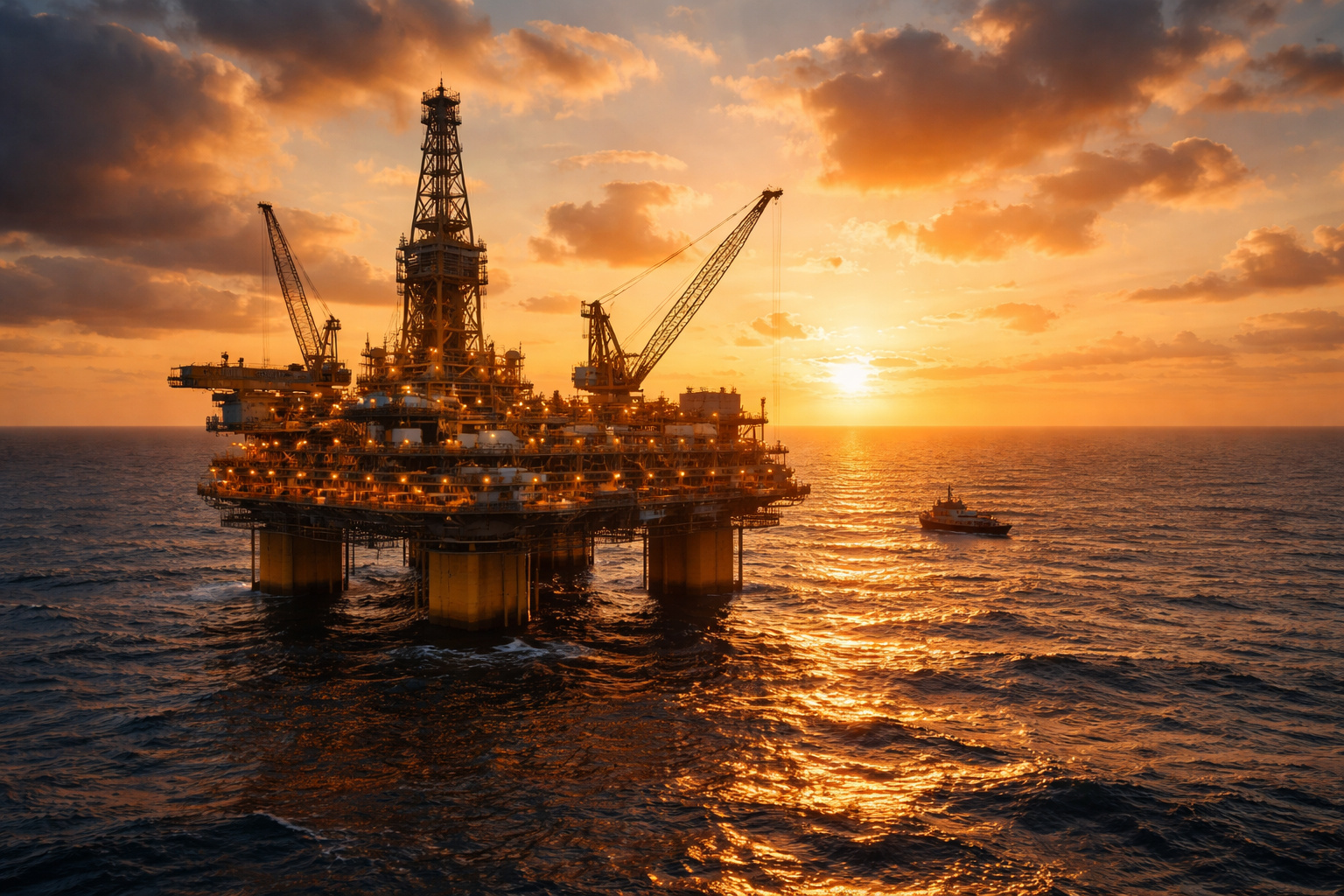
With the new record, Brazil reinforces its position as an energy powerhouse. The production surge results, mainly, from the advancements in the pre-salt, which continues to be responsible for a large part of the oil produced in the country.
Moreover, the introduction of new production systems and the expansion of already installed platforms continue to drive the growth curve.
What to Expect in the Coming Months
Experts point out that the country may reach new production levels if it maintains the current trajectory. The continuous evolution of the pre-salt, for example, already indicates that Brazil should further solidify its position in the ranking of the world’s largest energy powers.
Additionally, companies in the sector intensify investments in new platforms, well expansions, and technological modernization, which tends to increase operational efficiency. Thus, the combination of technical maturity and industrial expansion creates a favorable scenario for new records throughout 2026.
At the same time, the government and industry operators plan to accelerate strategic projects, especially those focused on exploration in deep areas, where the production potential is high. Therefore, the expectation is that the country will strengthen its presence in the global market, increase exports, and generate a positive impact on the trade balance.
If the growth curve remains, Brazil may surpass unprecedented marks, consolidating a phase of energy prosperity and expanding the role of the sector in the national economy.








Sem refinarias, estamos é fds…
Realmente o Brasil é campeão em contastes. Figura-se como um dos maiores produtores de petróleo do mundo, no entanto, sem competência para refina-lo.
Outro ponto é que a petrobras vive pagando bônus sobre lucros aos acionistas, mas deveria se preocupar em reverter esse jogo, buscando refinar todo o petróleo aqui no Brasil. no entanto, nós cidadãos trabalhadores e comuns, pagamos uma conta enorme sobre o diesel e gasolina. Tenho veículos nas duas versões e os preços nas bombas são assustadores.
É pena que por falta de investimentos em refinarias, o Brasil não consegue refinar petróleo e tem que exportar para comprar de volta como gasolina e diese. País colonial, exporta matéria prima para importar produtos finalizados