





 Portuguese
  English
  Spanish
  2 min of reading
  0 comments


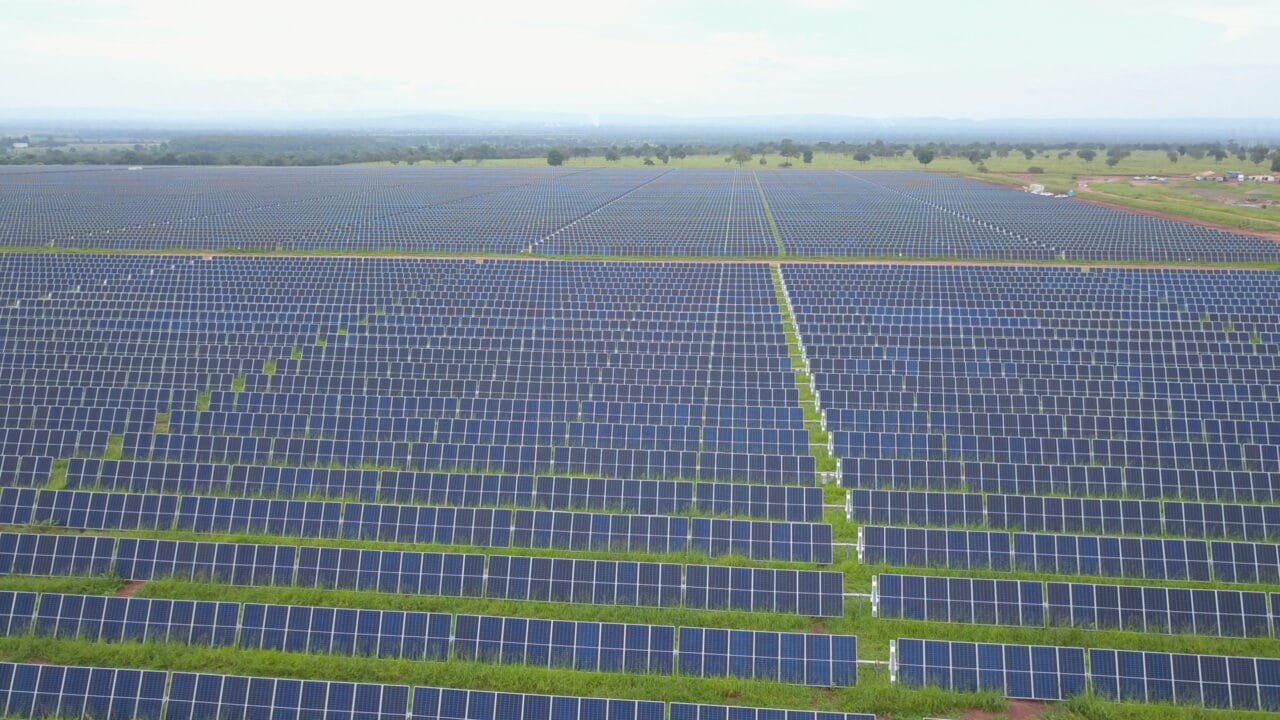
70,206 MW Average Renewable Energy in 2023, Representing 93.1% of the Country’s Electricity.
A recent study by the Electric Energy Trading Chamber (CCEE) revealed that Brazil produced 70,206 megawatts average of renewable energy in 2023, sourced from hydropower, wind, solar, and biomass plants. This figure represents 93.1% of all electricity generated in the country throughout the year, which constitutes the largest volume in Brazilian history in this regard.
Hydropower plants, which account for about 58% of the installed capacity of Brazil’s energy matrix, were responsible for almost 50,000 megawatts average supplied to the National Interconnected System (SIN) in 2023, representing an increase of 1.2% compared to the previous year. This increase highlights the significant contribution of renewable energy to the country’s energy security. Sources of clean energy and sustainable energy are playing a fundamental role in the national energy matrix, reinforcing the importance of increasingly investing in green and renewable sources.
Renewable and Sustainable Energy on the Rise
The Electric Energy Trading Chamber (CCEE) highlighted that the plants ended the year 2023 with comfortable reservoir levels to face the dry period of 2024, due to the favorable water scenario of the last two years and the complement of alternative sources, such as wind and solar energy. These sources of clean energy were responsible for generating over 13,000 megawatts average, representing a growth of 23.8% compared to the same period in 2022.
-
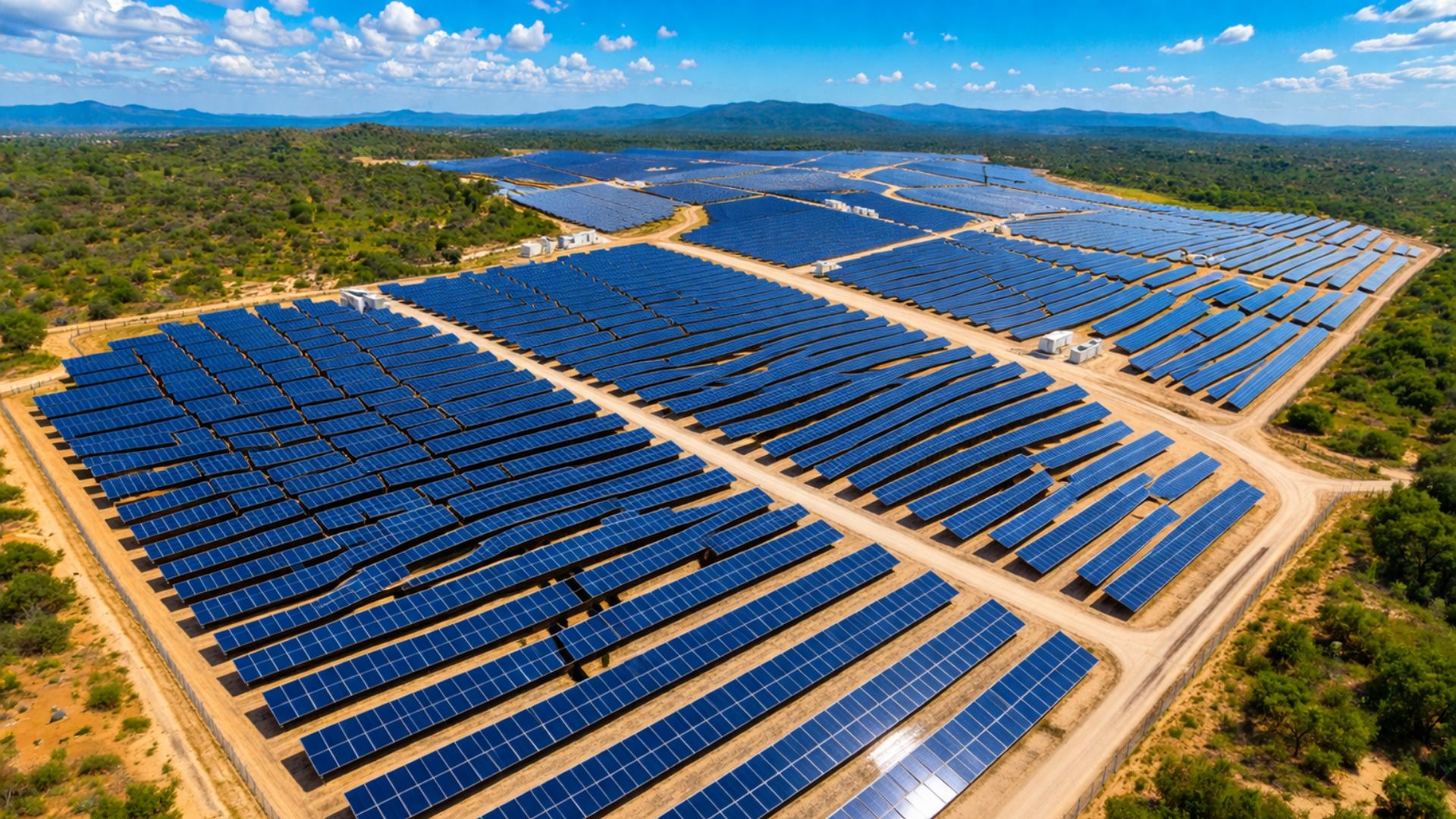
The Sol do Agreste Photovoltaic Complex begins operations in Pernambuco and accelerates the expansion of solar energy in Brazil, directly impacting the reduction of emissions and strengthening the sustainable energy matrix.
-
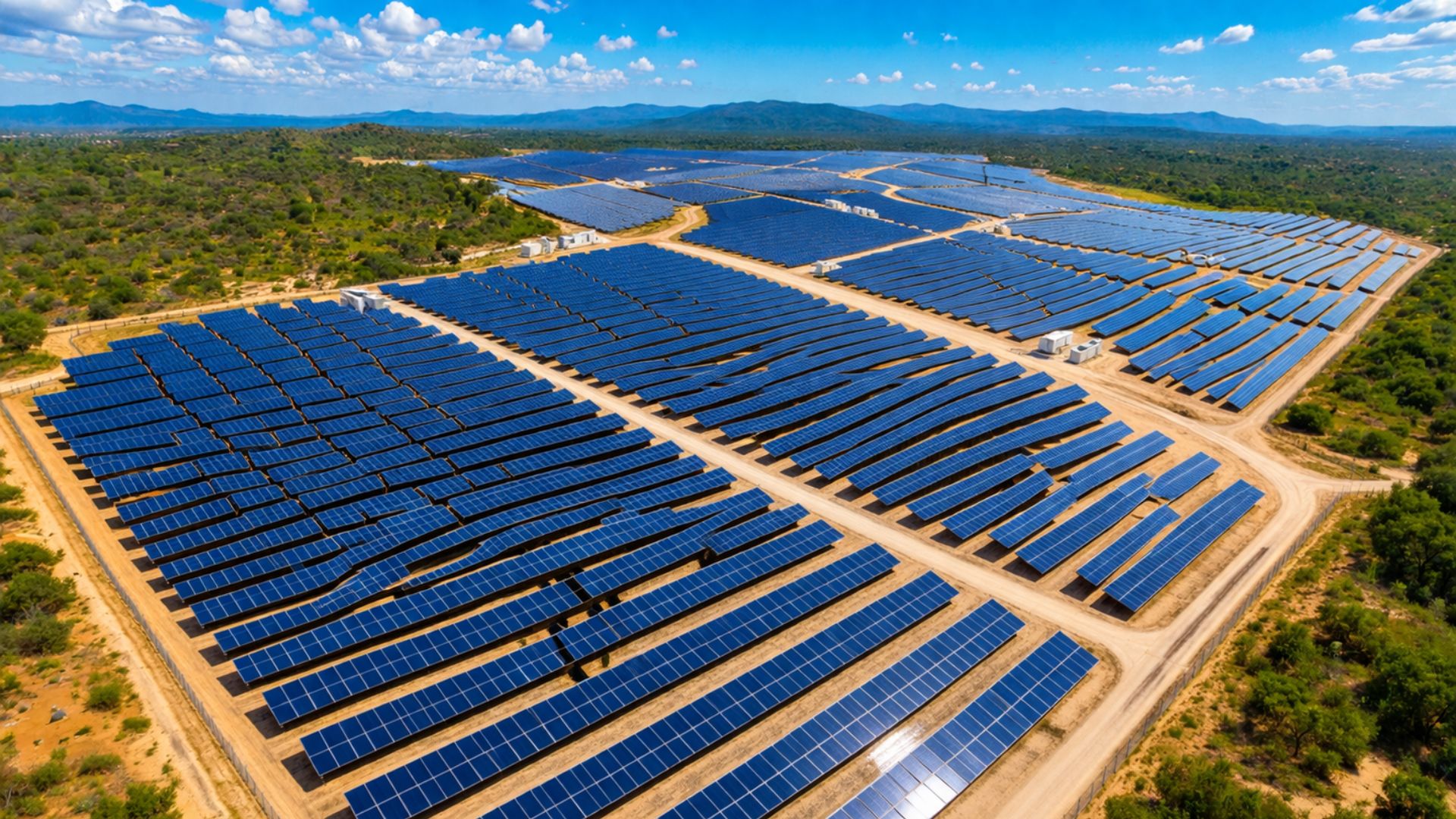
The Sol do Agreste Photovoltaic Complex begins operations in Pernambuco and accelerates the expansion of solar energy in Brazil, directly impacting the reduction of emissions and strengthening the sustainable energy matrix.
-
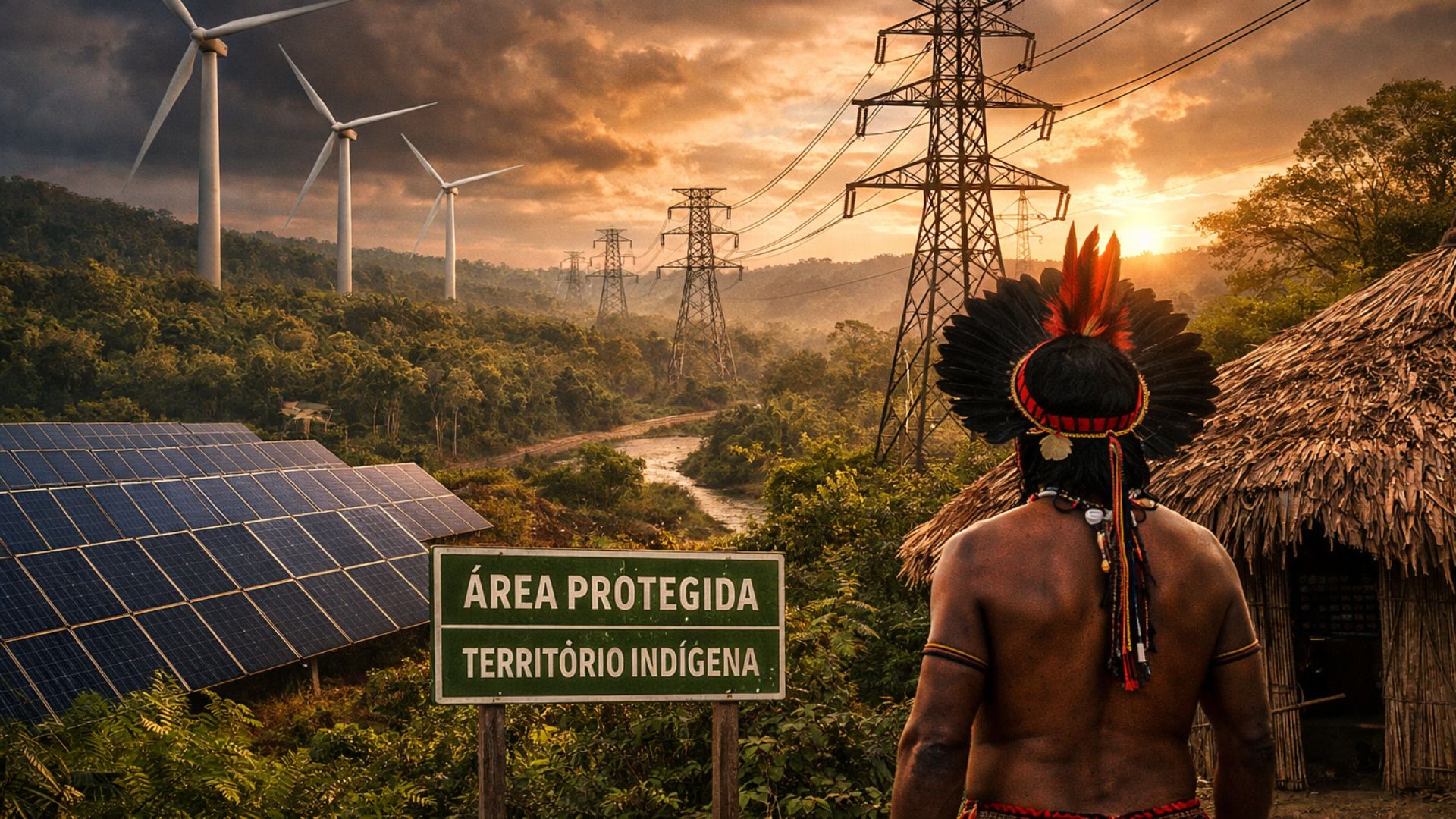
Renewable energy advances over protected areas in Brazil, and a survey by the Energy Transition Observatory reveals silent impacts that challenge environmental conservation and pressure sensitive traditional territories.
-
Rio Grande do Sul accelerates energy transition: State invests in renewable technologies and consolidates decarbonization strategies and pathways to attract billions in new industrial investments.


The increase in installed capacity of these sources, to over 42.6 thousand MW, equivalent to three hydropower plants the size of Itaipu, is a reflection of the continuous advancement of renewable energy in the country. Additionally, energy generation from biomass, which uses sugarcane bagasse as raw material, recorded an increase of 9.6%, reaching 3,218 megawatts average.
Expansion of Solar and Wind Energy
In the own generation segment, through solar panels installed in residences and commercial establishments, capacity surged 42.5%, rising from 18,120 MW in December 2022 to 25,818 MW at the end of 2023. The CCEE survey reveals that self-generated energy reached 4,140 megawatts average last year, which represents a growth of 63.9% compared to 2022. Most of this energy was produced in Minas Gerais, São Paulo, Rio Grande do Sul, Paraná, and Santa Catarina.
The scenario indicates a continuous growth of renewable energy sources, such as solar and wind energy, demonstrating the importance of diversification and sustainability in the energy sector. Installed capacity and self-generated energy are on the rise, significantly contributing to the country’s energy matrix. The trend is for renewable energy to assume an increasingly relevant role in meeting energy demands in a clean and sustainable manner.
Source: EPBR










Seja o primeiro a reagir!