






 Portuguese
  Spanish


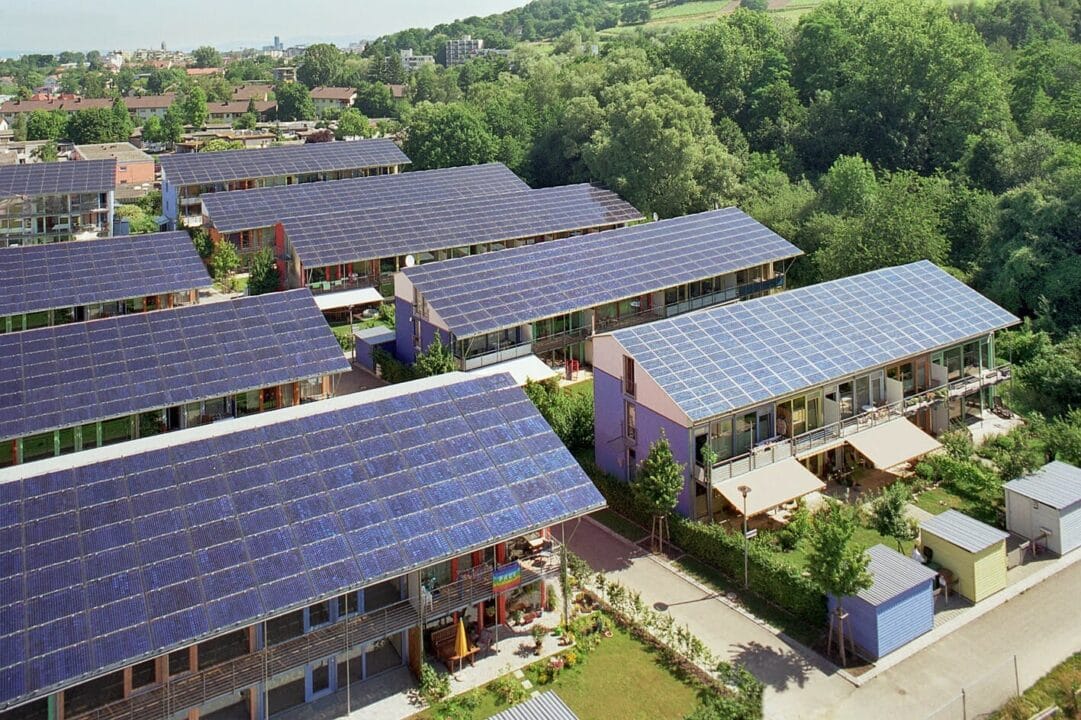

Minas Gerais and São Paulo Are at the Forefront of Installed Distributed Generation Capacity, with Impressive 3.3 GW Each, Demonstrating High Potential for Clean Energy Production in Both Regions.
The project, the result of a partnership between Comerc Energy and Vibra, received investments amounting to R$ 2 billion. The plant has already allocated almost its entire production capacity to Liasa, one of the leading producers of metallic silicon in Latin America.
The most recent photovoltaic complex to be included in the list of the largest plants in the country was Hélio Valgas (662 MWp), the fifth largest in Brazil, located in Várzea da Palma, Minas Gerais.
The inauguration of the plant took place on November 9 and was attended by the Vice President of the Republic and Minister of Development, Industry, Commerce and Services, Geraldo Alckmin (PSB).
-
Brazilian scientists are simultaneously advancing two research projects on clean hydrogen and driving solutions that could transform the energy matrix, enhance industrial competitiveness, and accelerate large-scale emission reduction targets.

-
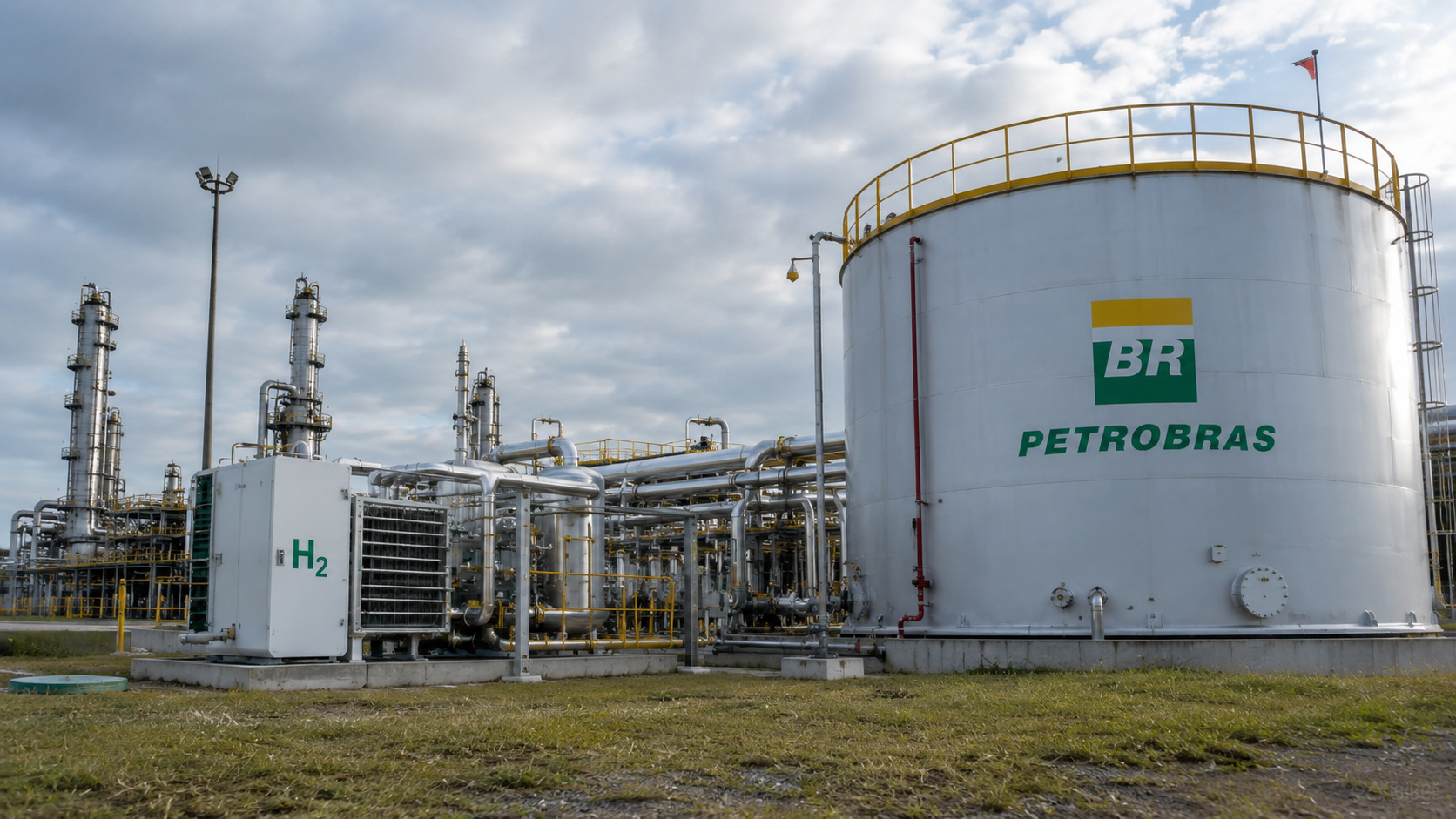
Advancement in renewable energy: A R$ 150 million project launched by Petrobras and Finep aims to create state-of-the-art electrolyzers for green hydrogen, strengthening national research and preparing Brazil to compete in a billion-dollar energy market.
-
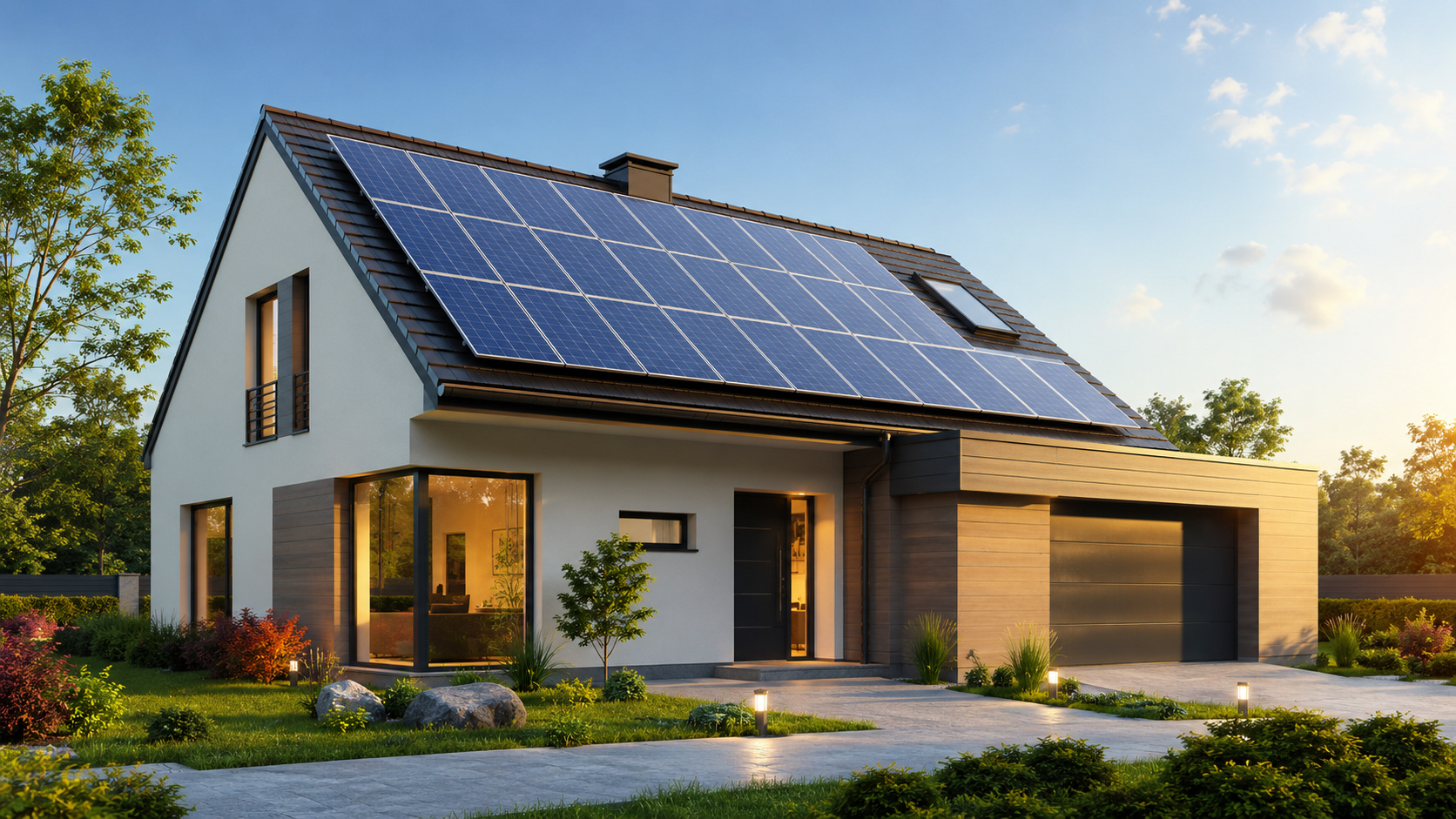
Solar energy can increase property value by up to 10% and become a selling point.
-
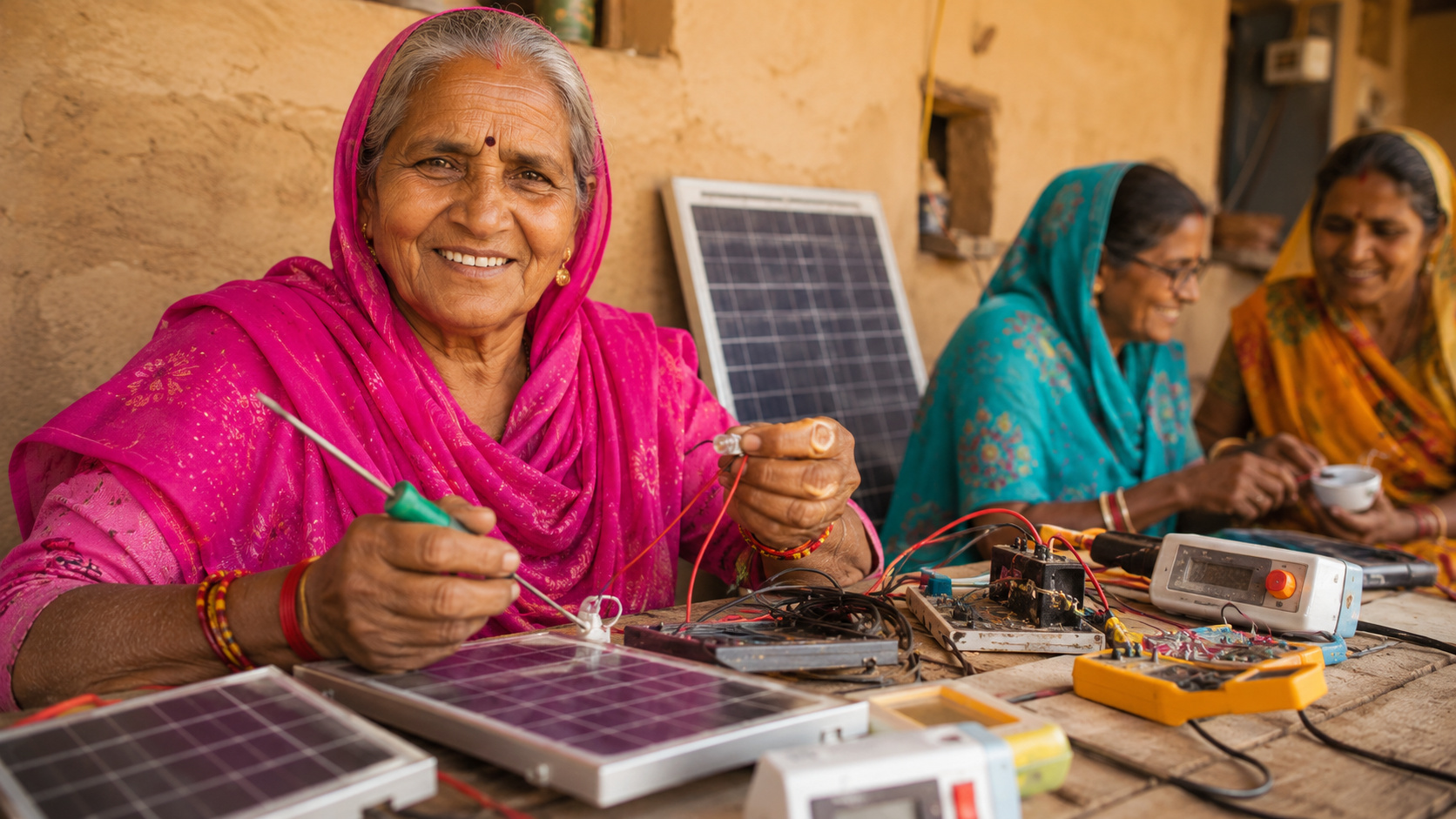
Illiterate or semi-literate grandmothers were trained to repair solar systems, open rural workshops, and light up homes that still depended on kerosene.

Ranking of Solar Generation Capacity by State in Brazil
In terms of states, Minas Gerais and São Paulo lead the ranking with 3.3 GW each. Next are Rio Grande do Sul (2.5 GW) and (2.3 GW) closely behind.
Five other states also exceed the mark of 1 GW: Bahia, Goiás, Mato Grosso, Rio de Janeiro, and Santa Catarina.
Brazil surpassed 36 GW of installed photovoltaic solar energy capacity in November. Of this total, 25 GW are from distributed generation systems and more than 11 GW are from centralized plants.
The distributed generation sector recorded growth of over 6 gigawatts in 2023, representing more than 10% of the country’s total electricity production and approximately 70% of solar capacity. This data was disclosed in a survey conducted by the Brazilian Association of Distributed Generation (ABGD).
Currently, the country has 2.2 million microgeneration and minidistributed generation plants, serving 3.2 million consumer units. The installed capacity is led by the residential class, with 12 GW, followed by commercial, which has 7.2 GW, as well as rural and industrial, with 3.7 GW and 1.8 GW, respectively.
Distributed generation in Brazil is consolidating as an important source of energy, especially regarding solar capacity. This growth trend signals a promising advance in the country’s energy sector.
In November, own energy installations in Brazil reached the mark of 25 gigawatts (GW) of capacity. The majority of this total, 24.8 GW, comes from solar panels installed in homes, buildings, and land.
The remaining capacity is composed of hydroelectric generating plants, thermal plants that utilize biogas and biomass, and autonomous wind turbines.
Source: EPBR








