





 Portuguese
  English
  Spanish
  3 min of reading
  0 comments


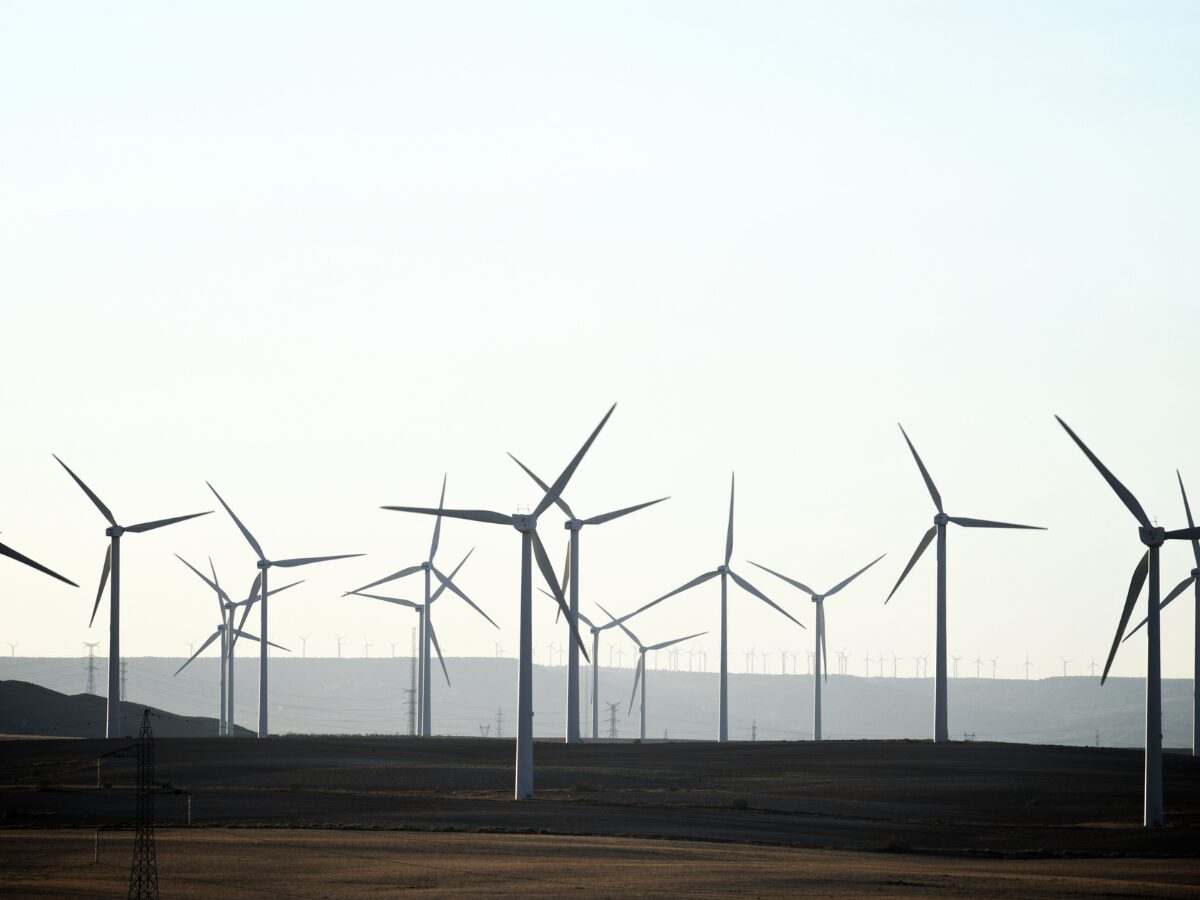
Even With Unprecedented Levels Of Generation And Leadership In The Use Of Renewable Sources, Wind Energy In Brazil Goes Through An Ambiguous Moment: While It Consolidates Its Relevance In The Electric Matrix, It Suffers A Slowdown In The Expansion Of New Plants And Faces Regulatory Hurdles.
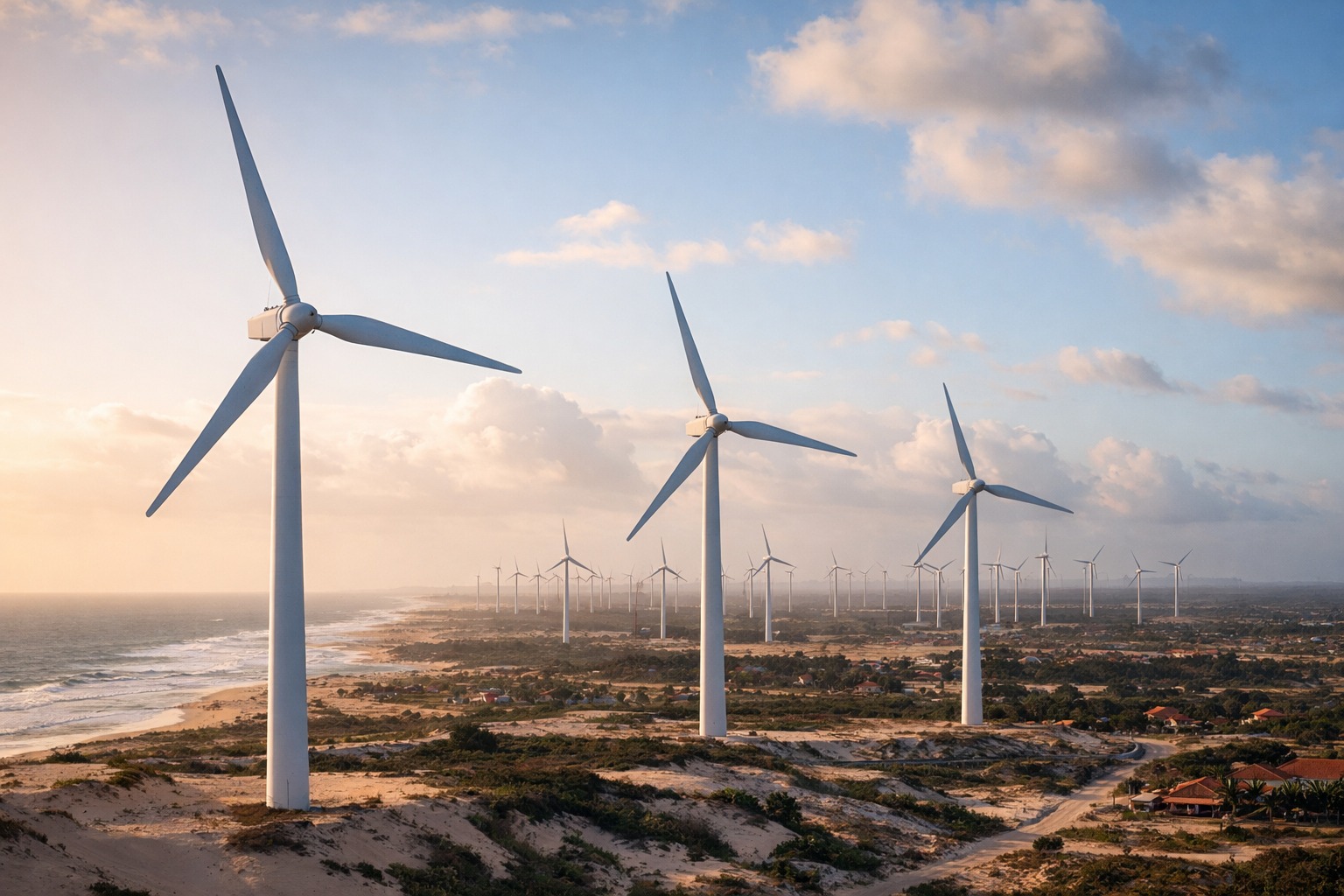
The wind energy in Brazil reached historic marks in 2024, reaffirming its central role in the energy transition process. In November, the country broke two generation records: on the 3rd, it recorded the highest hourly average in history, with 23,699 megawatts (MWmed); on the 4th, there was the daily generation record, with 18,976 MWmed. These results highlight the sector’s strength, which now occupies the second position among the sources of the national electric matrix — only behind hydroelectric power.
Despite this, the sector is experiencing a worrying decline in the number of new installations. In 2024, there was a 31.25% retraction in the construction of wind farms compared to the previous year, totaling only 3.3 gigawatts (GW) added.
Advancements In Wind Energy Generation Contrast With Decline In Investments
The contrast between performance in generation and the slowdown in investments highlights deeper challenges.
-
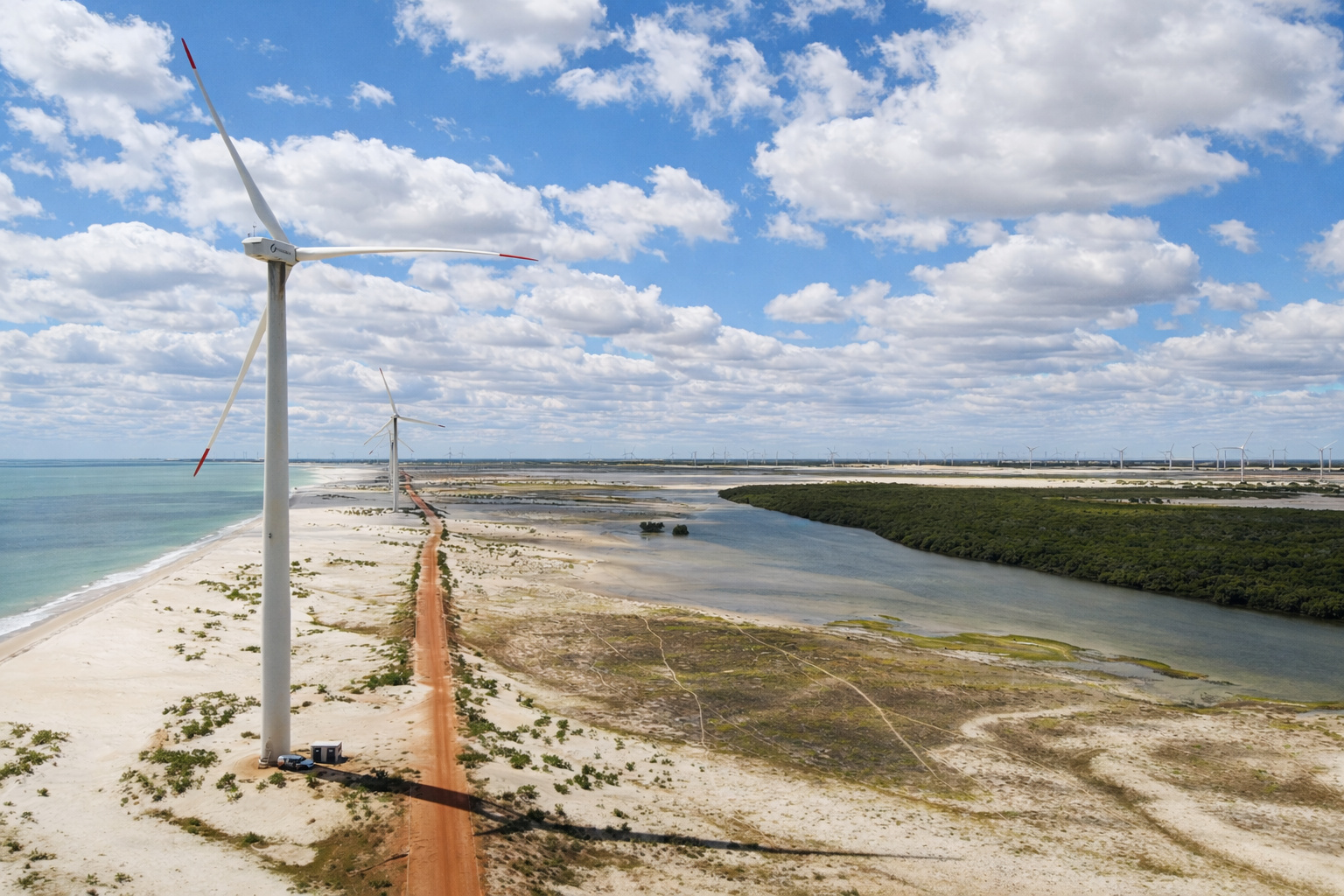
Urgent energy transition: Greenpeace advocates for massive investments and points to Brazil as a global leader in wind energy production in the coming years.
-
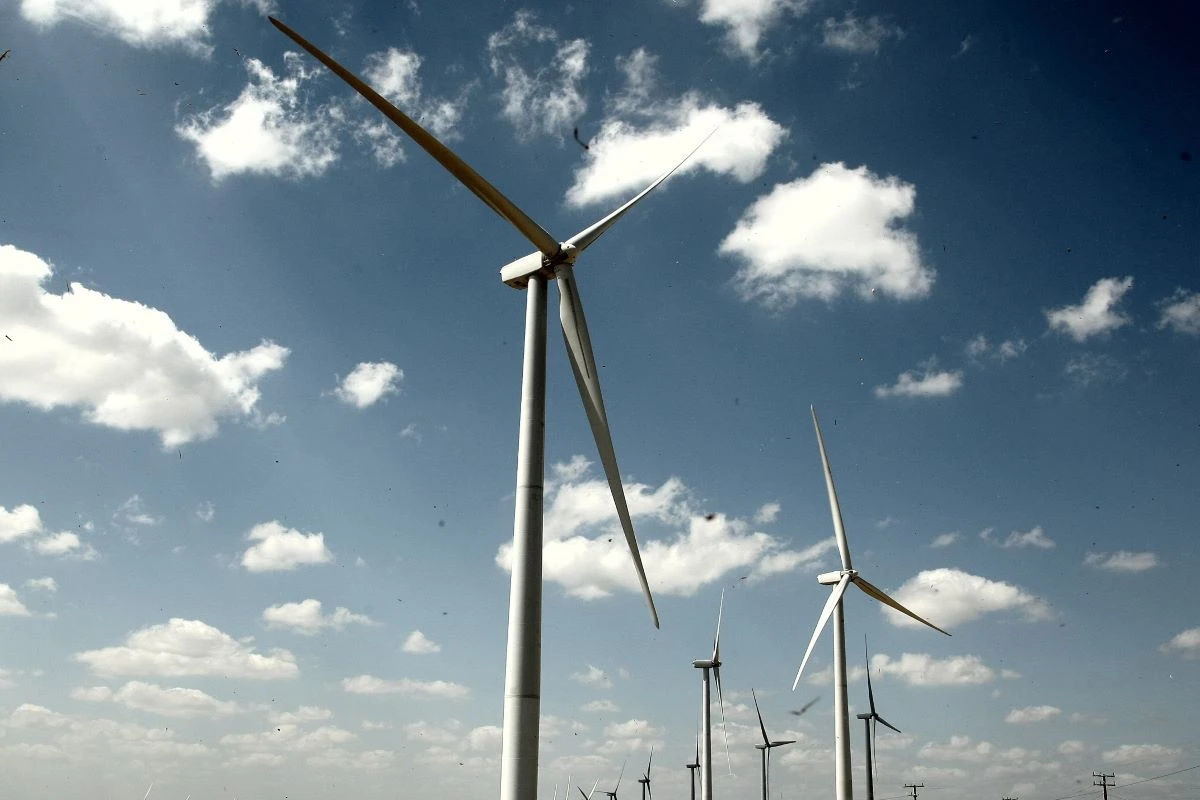
Conflict in the Sertão: Rural communities in Rio Grande do Norte report issues with wind farms and the new challenges of clean energy in the semi-arid region.
-
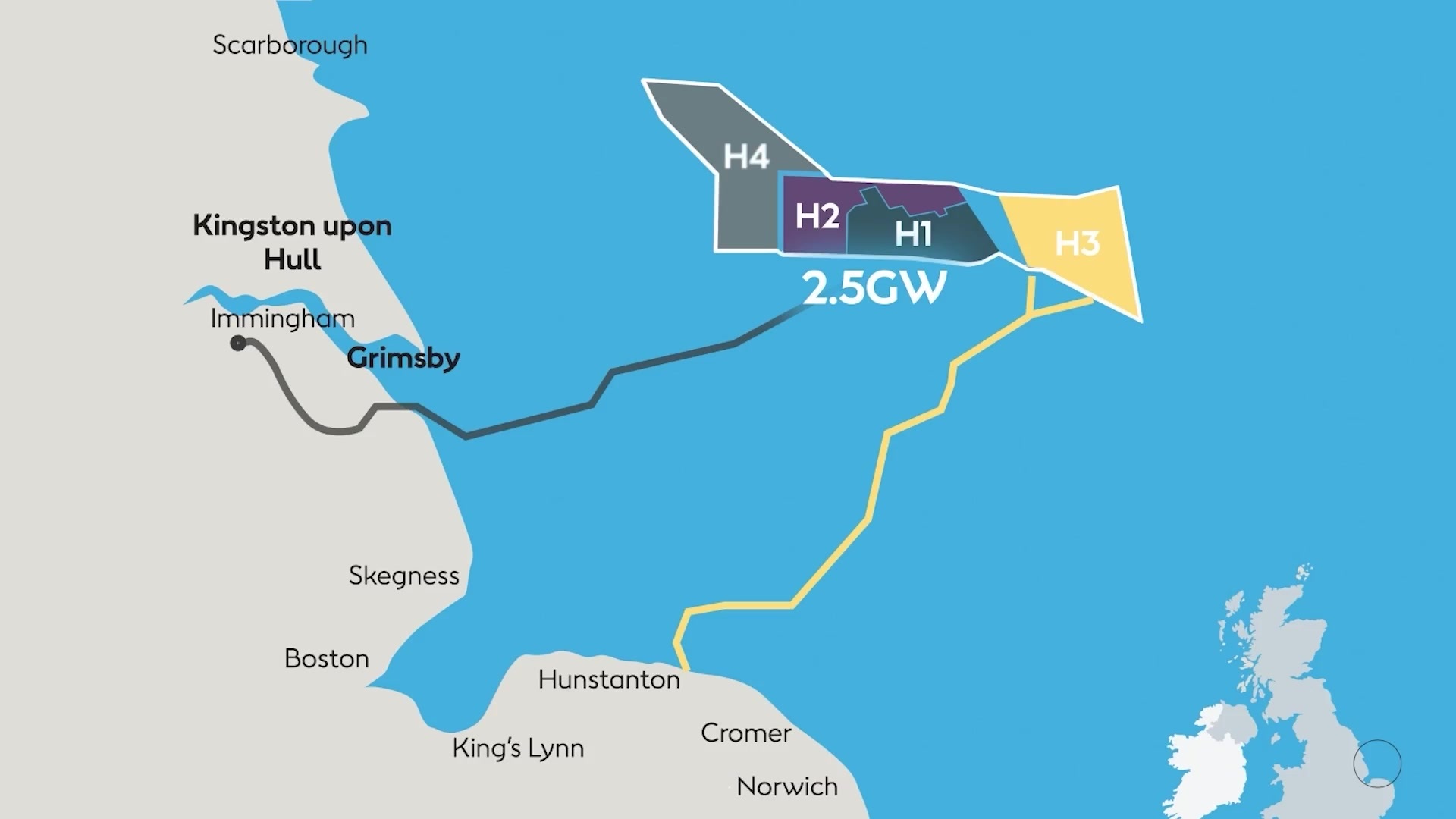
231 turbines of 260 meters at 160 km from the coast, monopiles weighing as much as nine blue whales embedded in the North Sea, and a crane ship taller than the Eiffel Tower: Hornsea 3 will be the largest offshore wind farm on the planet by 2027, and its first components have already arrived in England.
-
International Certification Puts Senai Norte on the Renewable Energy Map and Expands Access to Essential Training for Qualified Wind Power Professionals


Attorney Bianca Bez, an energy specialist at BBL Advogados, points out two main factors for this decline: the oversupply in the regulated energy market and the crisis faced by wind turbine manufacturers — the equipment responsible for converting wind into electricity.
“Although the technical potential of wind energy – especially offshore – places Brazil among the global leaders in renewable expansion capacity, future prospects cannot be analyzed only through the lens of technological promises. It is essential to consider the institutional and economic hurdles that currently prevent the full realization of this potential,” explains Bez.
She also warns that poorly designed public policies can jeopardize advancements. “Even if well-intentioned, these measures can lead to inefficient resource allocations if they do not take into account the real risks faced by sector agents,” she states.
How Does Wind Energy Work?
Wind energy is generated from the movement of the wind, which turns the blades of wind turbines connected to generators.
This mechanical movement is converted into electrical energy, which is sent to the transmission grid. It is a clean, efficient, and increasingly competitive process, especially in regions with high levels of constant winds, such as the Northeast.
Energy Storage Comes To The Fore, But Auction Is Suspended
With the advancement of intermittent sources like wind energy, the need for solutions to ensure stability and security in energy supply grows.
The use of battery storage systems has been adopted globally to provide support to the electrical grid during low generation periods.
However, in Brazil, a measure that could encourage this technology has been postponed.
The Ministry of Mines and Energy canceled the capacity reserve auction, which was scheduled to take place at the end of June 2024. The decision came amid a legal dispute between companies in the sector.
According to the ministry, a public consultation will be opened soon to discuss the new guidelines for the auction, focusing on contracting energy at the lowest possible cost for the consumer.
The government hopes to set deadlines so that the auction can still take place this year.
The Future Of Wind Energy In Brazil Requires More Than Favorable Winds
The potential of wind energy in Brazil, including in offshore projects (in deep water), is immense.
However, experts point out that the sector’s expansion depends on a more stable environment, with legal security, regulatory predictability, and long-term planning.
Even with the generation records and international recognition, the real consolidation of wind energy in the country hinges on overcoming structural bottlenecks, avoiding mistakes in the formulation of public policies, and creating sustainable conditions for new investments.
Source: Exame





Seja o primeiro a reagir!