





 Portuguese
  English
  Spanish
  3 min of reading
  0 comments


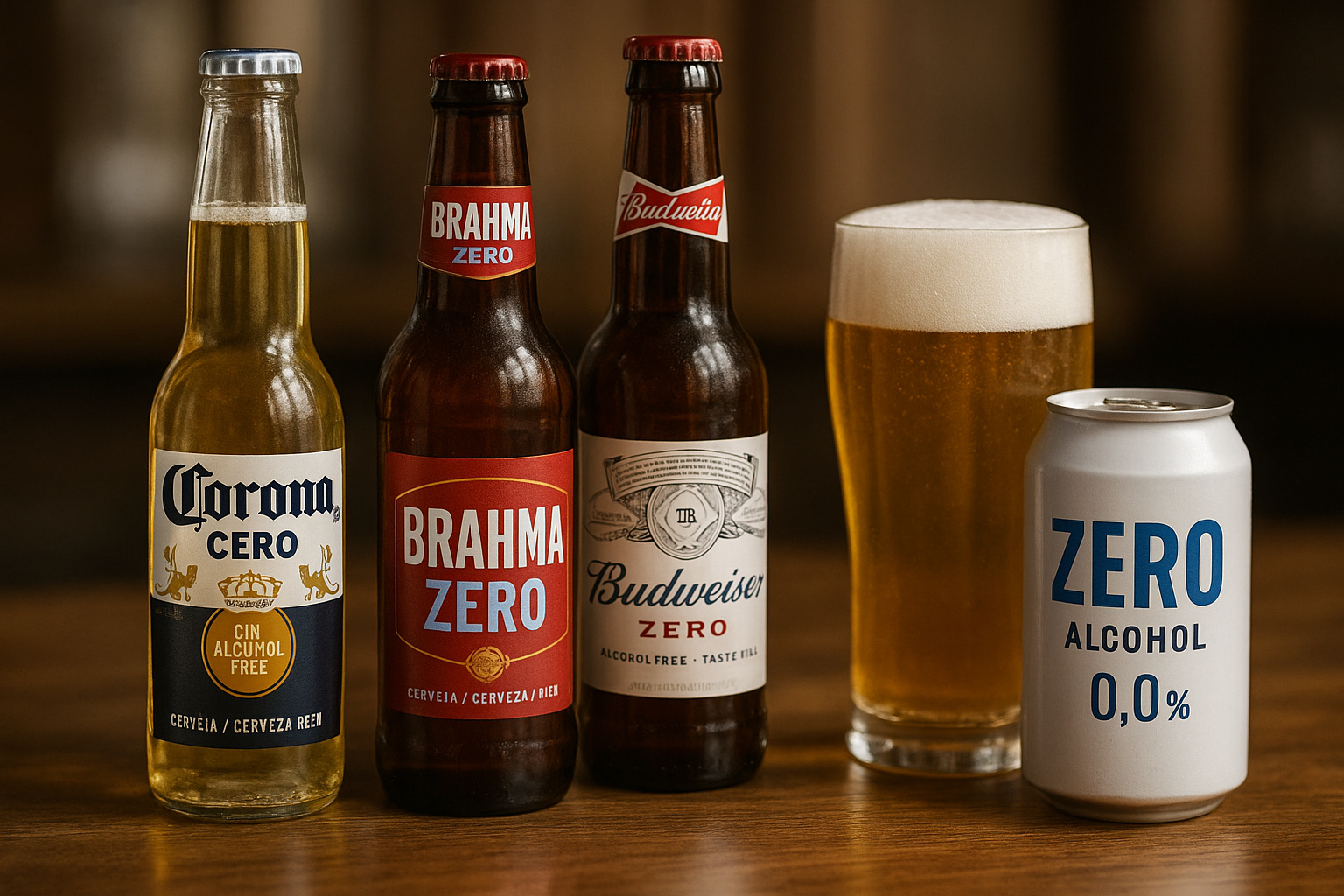
The Brazilian Alcohol-Free Beer Market Advanced Rapidly In Recent Years And Consolidated A National Change Marked By Conscious Consumption, Balance And Continuous Growth.
The consumption of alcohol-free beers in Brazil has evolved intensely between 2019 and 2025, according to nominal data from Euromonitor released throughout this period.
In 2019, the country recorded 140 million liters sold, while in 2024 it reached 702 million liters, ranking second only to Germany in the global ranking.
Moreover, the projection for 2025, according to Euromonitor itself, indicates 786 million liters, reinforcing a solid and continuous movement.
This leap is also directly linked to the behavior of the Generation Z, according to nominal research by MindMiners released in 2024, indicating that only 45% of young people born between 1997 and 2012 consume alcoholic beverages.
This figure is 20 percentage points lower than that observed in previous generations, driving functional drinks and those with lower calorie content.
Performance of Major Breweries and Expansion of Business Strategies
The evolution has also gained momentum through the initiatives of the largest breweries in the country.
Ambev reported that sales of alcohol-free beers grew 20% in the third quarter of 2025, according to a statement by director Gustavo Castro.
According to him, the progress was possible because the Corona Zero, Brahma Zero, and Budweiser Zero lines underwent technological processes that brought them closer to the taste of traditional versions.
-
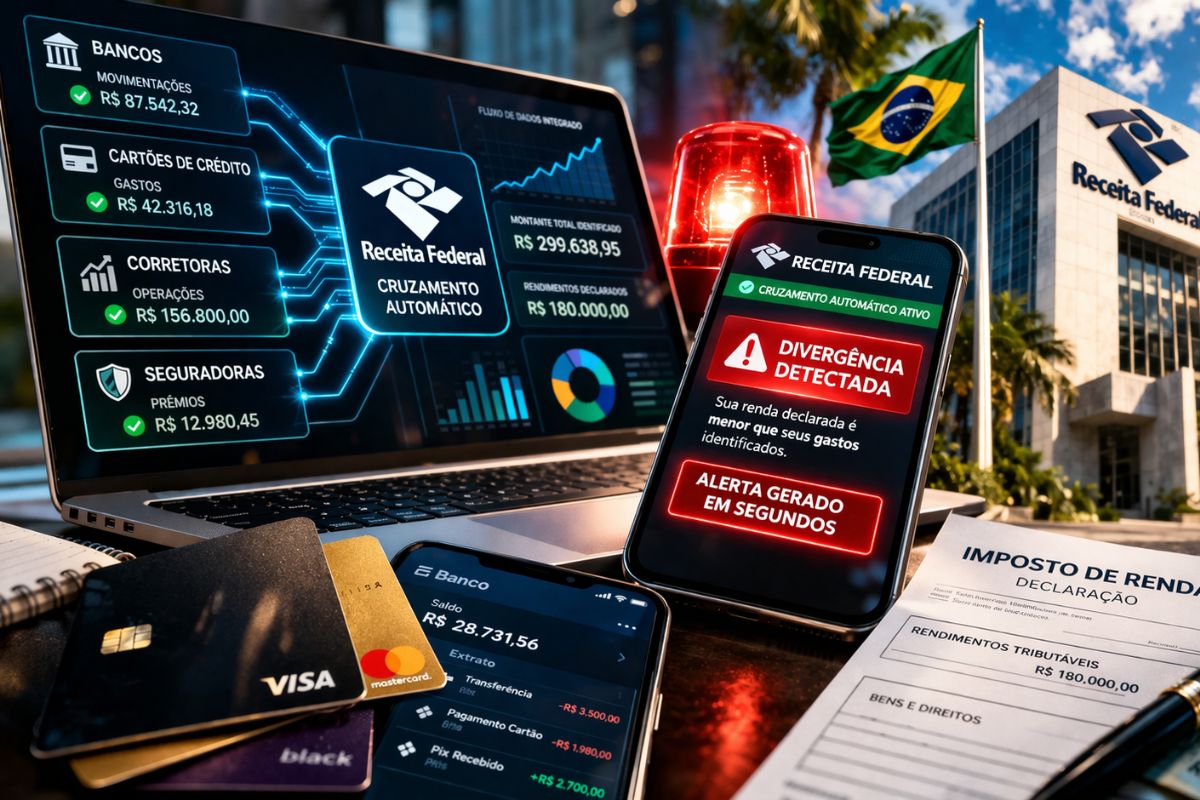
The Federal Revenue Service now automatically cross-references everything you declare with data from banks, credit cards, brokerage firms, and insurance companies, and any discrepancy between your income and your expenses triggers an alert in seconds.
-
Amid global tensions, Brazil blocks the United States’ proposal at the WTO and paves the way for a trade crisis and possible retaliations.

-
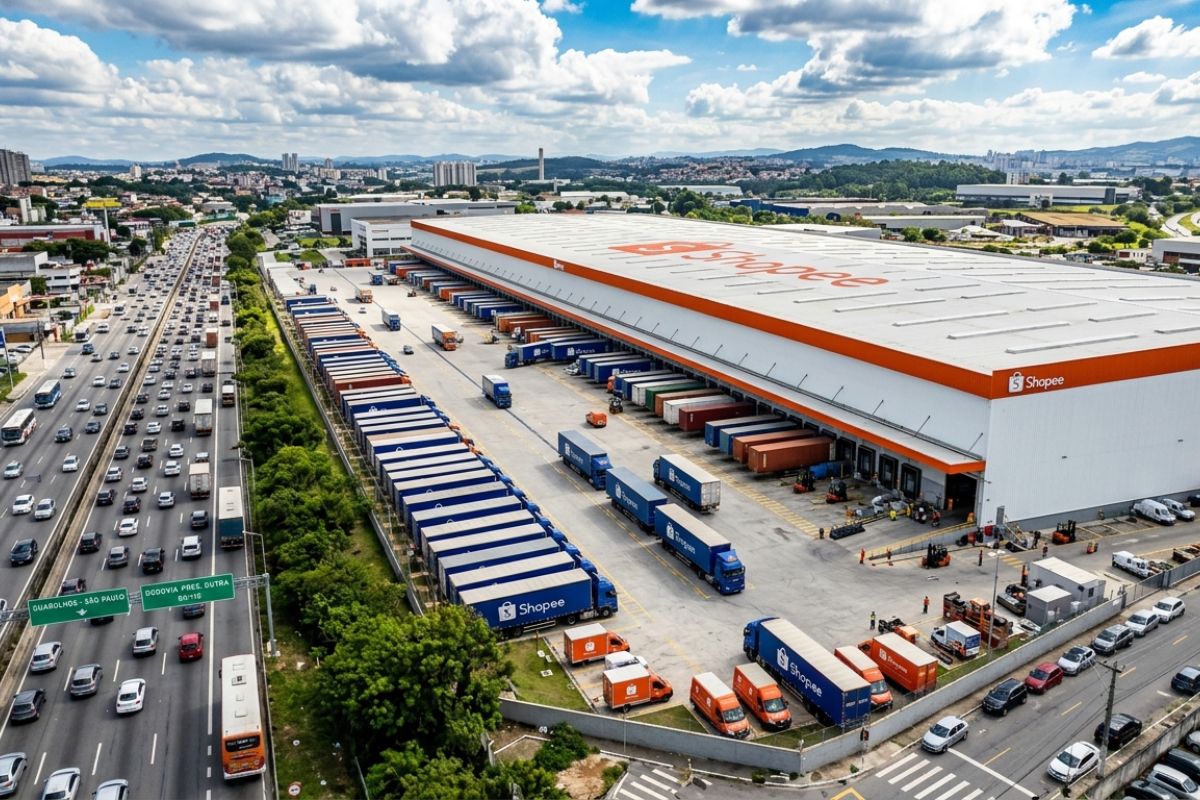
Shopee opens the largest logistics warehouse in Brazil in Guarulhos: 220,000 m² on Dutra, contract signed before construction, pays R$ 45/m² and accelerates deliveries at scale, putting pressure on Mercado Livre and Amazon.
-
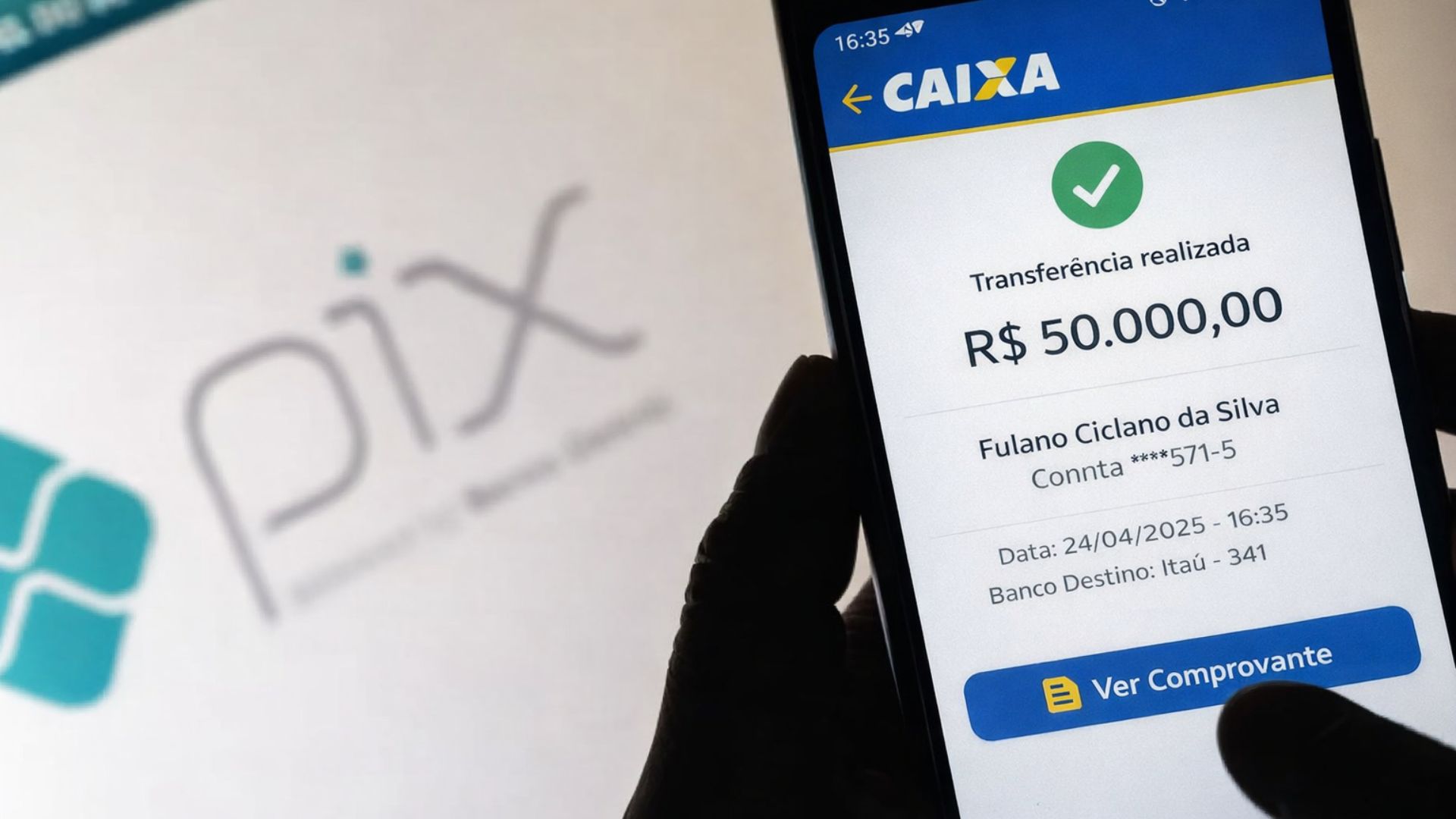
After mistakenly transferring R$ 50,000 via Pix, a man will receive the amount back along with R$ 10,000 for moral damages from the recipient.


The Ministry of Agriculture and Livestock, through the 2024 Beer Yearbook, highlighted that the national production of alcohol-free beers has sextupled between 2023 and 2024, following the trend of more balanced and functional consumption.
Leadership of Heineken and Impact on Consumer Behavior
Heineken 0.0, launched in 2020, has become the best-selling alcohol-free beer in the country, according to nominal research by Nielsen IQ released in 2024.
According to Bruna Rosato, the brand’s marketing manager, the acceptance occurs because the manufacturing process is equivalent to that of the traditional version, with alcohol removed only at the end.
The group emphasizes that Brazil represents a long-term strategic market due to the advancement of moderation in consumption and interest in premium beverages.
Growth of Craft Beers and Diversification of Styles
The movement has also reached craft breweries.
The São Paulo startup Etapp expects to reach 1 million cans produced in 2025, according to co-founder Eduardo Andrade, and projects triple-digit growth over the next three years.
Currently, the brand’s portfolio includes styles such as Session IPA Zero and Stout Zero, expanding variety and strengthening the offer of alcohol-free beverages in the national market.
Meanwhile, the Petrópolis Group reported that Itaipava Zero saw a 27% increase in sales since 2022, even though the category represents about 1% of the company’s total production.
Economic Performance and Long-Term Perspectives for the Sector
Even with a 7.9% reduction in total volume of beverages sold by Ambev in the third quarter of 2025, the company recorded a 6% increase in revenue per hectoliter.
This result was driven by the zero alcohol, premium, and super premium segments, which have higher margins and strategic positioning.
According to nominal analysis by Caroline Sanchez from Levante Inside Corp, the alcohol-free segment is far from saturation and offers brand differentiation, consistent growth, and high future potential.
Data from Nielsen reinforces this trend by showing that while the traditional market grows about 1% per year, the alcohol-free beer market advances approximately 13%.
Thus, Brazil positions itself as an emerging power in conscious consumption, investing in balance, innovation, and new habits. With this accelerated advancement, will the zero alcohol category finally take center stage in the national beer market?





-

-

-

-

-

12 pessoas reagiram a isso.