





 Portuguese
  English
  Spanish
  3 min of reading
  4 comments




Global Rare Earth Mining Market Is Controlled By China, Which Produced About 240 Thousand Tons Of These Minerals, Consolidating Its Leadership In The Production And Processing Of Essential Materials For Advanced Technologies, Such As Wind Turbines, Electric Vehicles, And Military Equipment.
Brazilian mining takes a significant step to reduce global dependence on China for rare earth supply. Serra Verde, a mining company located in Goiás, is making a multi-million investment in its operations and aims to reach the mark of 5 thousand tons annually of rare earth oxides by 2026. The company, which began commercial production about a year ago, is betting on growth strategies and international collaborations to consolidate its position in the sector.
The operations director, Ricardo Grossi, revealed plans to increase production capacity, although he did not specify exact figures. The company seeks strategic alliances with foreign countries and companies to expand both the production and processing of essential ores such as neodymium, praseodymium, terbia, and dysprosium. According to Grossi, the mining company may emerge as a viable alternative for supplying critical metals to the West, especially in light of the possibility that China may intensify export restrictions.
China Dominates Market And Worries US
The global rare earth market is largely controlled by China, which accounts for 70% of extraction and 90% of refining capacity of these elements, according to the US Geological Survey. In 2023, the Asian country produced about 240 thousand tons of rare earth oxides, consolidating its leadership in the production and processing of essential materials for advanced technologies, such as wind turbines, electric vehicles, and military equipment.
-
Brazil extracts 26.3 million tons of ore from what was previously treated as waste, transforming residues into wealth, producing over 3 million tons of sand, and demonstrating how national mining is relearning to generate value.
-
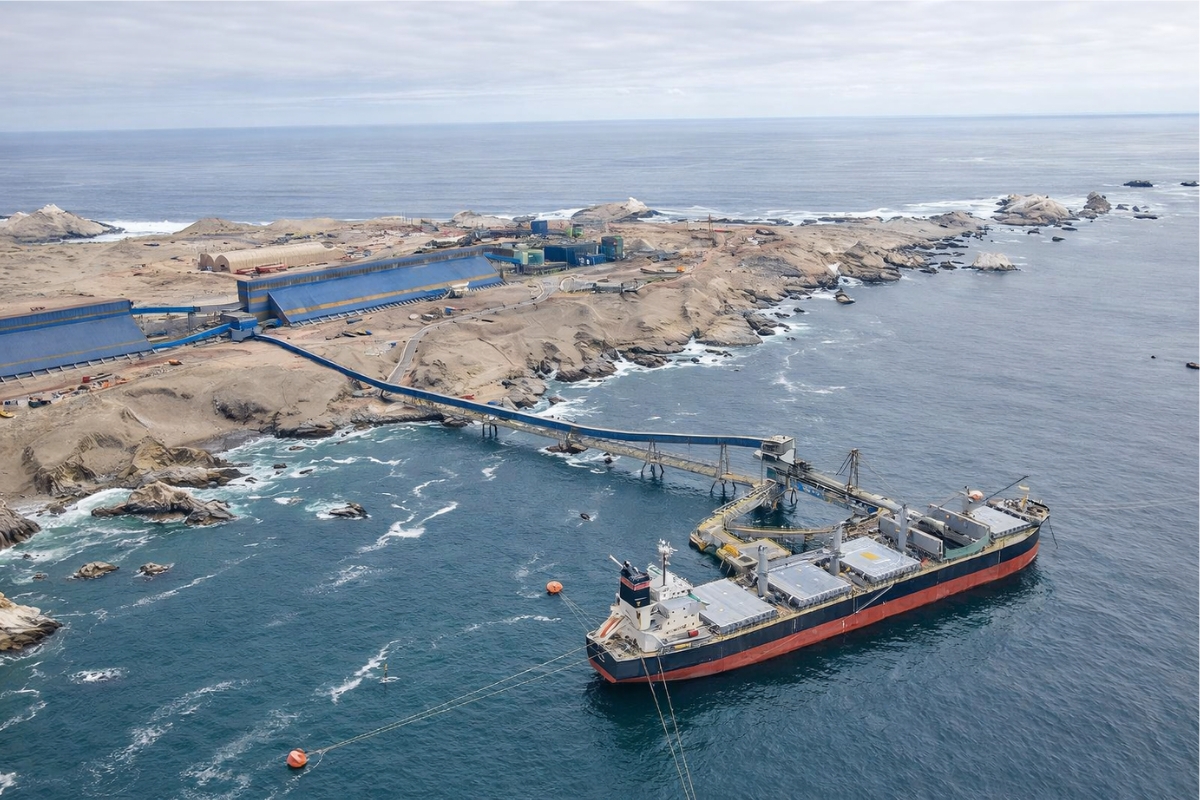
A $3.5 billion megaproject in Latin America pumps desalinated seawater at 1,050 liters per second over 194 km to keep a copper supermine in the Andes operational for another 20 years.
-
A hidden mine in the Andes valued at nearly R$ 1 trillion is starting to attract global attention, containing copper, gold, and silver, and raises an intriguing question: why do Argentina and Chile need to act together to exploit this gigantic wealth?
-
A silent discovery in the interior of Bahia could change the future of energy in Brazil: a uranium reserve in Lagoa Real has an estimated capacity to produce 400 tons per year and is already attracting the attention of energy sector specialists.
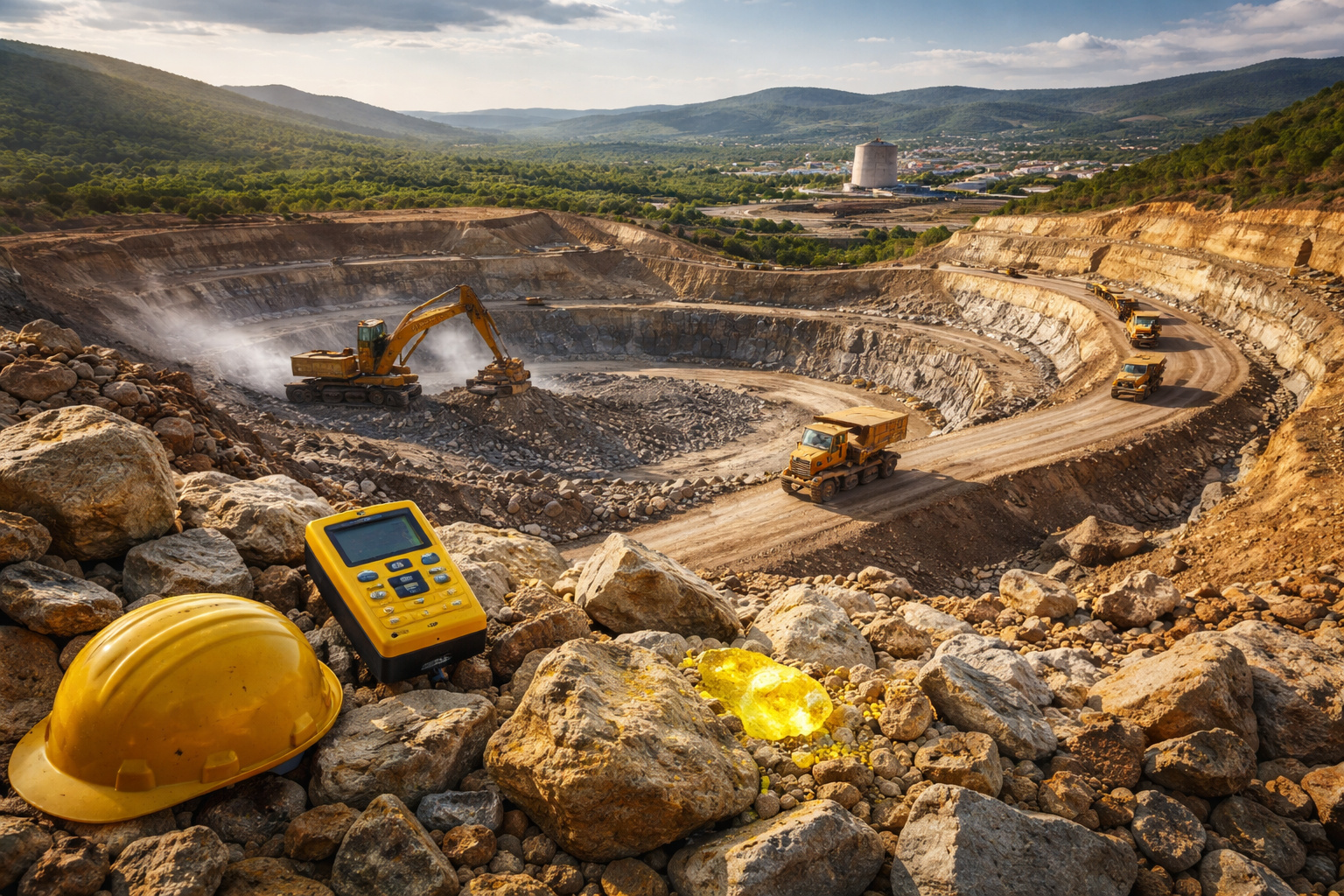

In light of this scenario, the United States and allies are seeking alternative suppliers to reduce Chinese dependency. Serra Verde emerges as one of the main candidates to meet this demand, highlighting Brazil as a potential strategic mining hub for rare earths.
Million-Dollar Investment Strengthens Expansion Plans Essential To Increase The Production Capacity Of The Most Desired Minerals In The World
The growth of Serra Verde is supported by foreign investments. Denham Capital, in partnership with the Energy and Minerals Group (USA) and Vision Blue Resources Ltd. (UK), invested US$ 150 million in the company in October. According to Grossi, new rounds of financing are already in negotiation, potentially involving both new investors and current partners.
The mining engineer, who has previously worked at companies such as Vale and Anglo American, emphasized that these resources will be crucial for increasing production capacity and developing new processing technologies.
Advances In Rare Earth Production Have Been Recognized By The Minerals Security Partnership, A Coalition Of 14 Countries, Including The USA And The European Union
Alongside current operations, Serra Verde is evaluating a second phase of expansion that could double its production by 2030. The company’s advancements have been recognized by the Minerals Security Partnership, a coalition of 14 countries, including the USA and the European Union. The partnership aims to accelerate the formation of secure and sustainable supply chains for strategic minerals.
Despite recent oversupply impacting prices, Serra Verde is betting on the growing demand for rare earth metals. Grossi estimates an annual increase of 8.5% until 2035, driven by the transition to renewable energy and the electrification of the automotive industry. Currently, most of the company’s production is exported to the Asian market.
Brazil, With Its Mineral Wealth, Reinforces Its Strategic Position In Mining, Challenging China’s Dominance And Attracting International Investments.
After 15 years of preparation, Serra Verde finally begins to generate revenue, marking a financial turnaround for the project. Grossi highlights that 2026 will be a crucial year, with forecasts of strong growth and consolidation in the global rare earth market. Brazil, with its mineral wealth, reinforces its strategic position in mining, challenging China’s dominance and attracting international investments.







Só digo uma coisa, Falta Transparência de uma forma Simplificada para os patrões que são A POPULAÇÃO BRASILEIRO! Não só comunicando, mais sim mostrando resultados competentes e honestos. Seja lá qual for o partido politico elegido para trabalhar!
A própria China vem pegar nossas terras raras e ninguém vai contestar, ou melhor, alguém vai ganhar muito dinheiro com isso!
Não tem como substituir a china em termos de terra raras no curto prazo,por maior china tem mão de obra altamente qualificado e equipamentos pronto, china tem extração de maior variedade de terras raras do mundo , e já garantiu mercado internos e externa, e Brasil? Se as terra raras do Brasil ficar pronta os chineses abrir mercado novamente? Igual as refinaria do Brasil que nem saiu do papel