





 Portuguese
  English
  Spanish
  5 min of reading
  0 comments


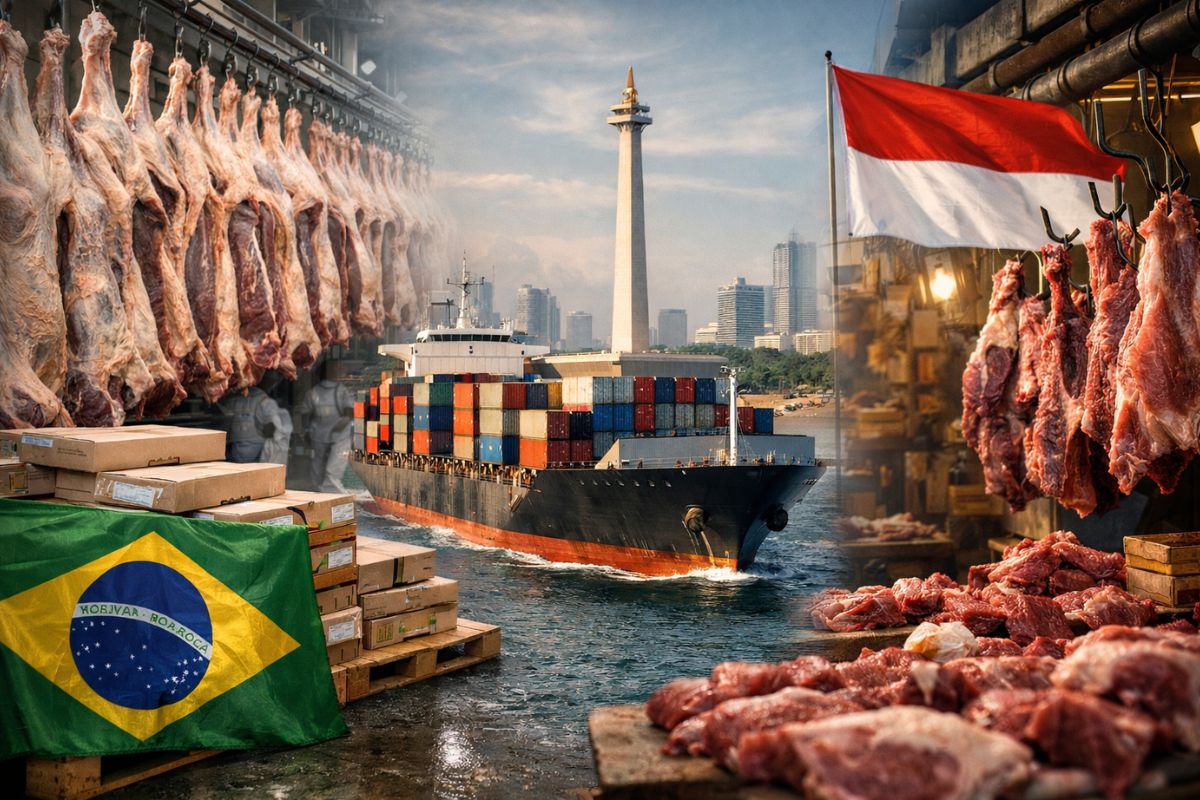
Announced by Luis Rua from Mapa at Gulfood in Dubai, the authorization of 14 slaughterhouses totals 52 plants authorized to sell beef to Indonesia, a country of 287 million inhabitants. The opening gains significance with China’s quotas: 1.1 million tons and a 55% tariff on the excess.
Brazil has authorized 14 new slaughterhouse plants to export beef to Indonesia, according to Luis Rua, Secretary of Commerce and International Relations at the Ministry of Agriculture and Livestock (Mapa), during Gulfood in Dubai, United Arab Emirates, which runs until Friday (30).
In September of last year, 17 industries had already received approval to ship the protein to the Asian country, and now the total reaches 52 plants with sanitary permission. The expansion comes as the sector seeks alternatives to the China’s quotas, which limited purchases to 1.1 million tons and imposed a 55% tariff on excess volume until 2028.
What Changes with the Release of 14 More Plants
The new authorization practically increases the number of Brazilian slaughterhouses capable of serving a market considered strategic in Asia. With the new approvals, Brazil now has 52 authorized plants to send beef cuts to Indonesia, combining previous releases with the new approvals announced in Dubai.
-
The largest executive jet in Brazil belongs to the Safra Family and is for sale: it is a 2002 Boeing BBJ, with a range of 11,500 km, 80 m² of interior space, a master suite, an office, and capacity for 18 passengers.

-
BRICS is building its own payment system that could be operational by 2030, and experts say it could increase trade between the countries by up to 10% per year and add 3% to the GDP of each member of the bloc.

-
Government suspends over 3 million traffic fines in Brazil and drivers breathe a sigh of relief.

-
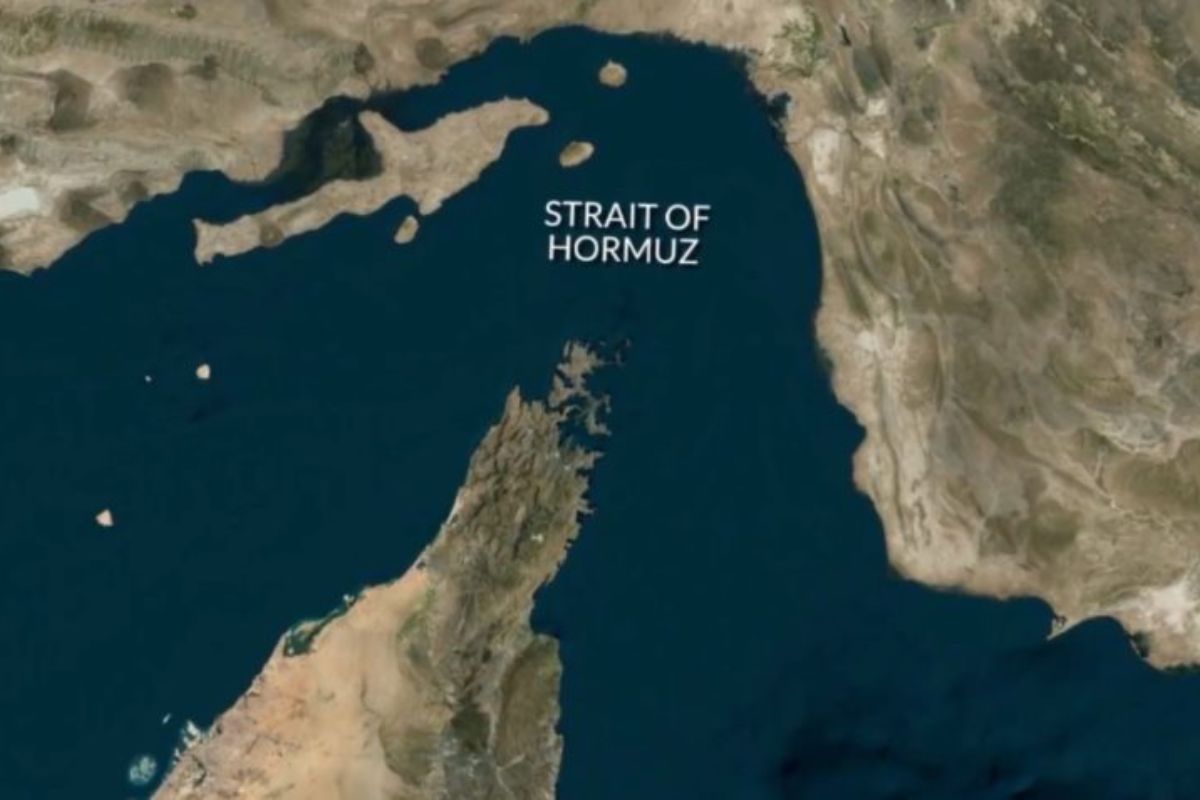
Iran has just approved toll charges for ships in the Strait of Hormuz and has completely prohibited the passage of vessels from the United States and Israel in the world’s most important maritime route for the global energy market.

In addition to the immediate gain in access, the measure creates a commercial route with scaling potential: Indonesia is the fourth most populous country in the world, with approximately 287 million inhabitants, and is likely to absorb significant volumes when there is regular supply, sanitary predictability, and industrial capacity to fulfill shipments.
Who Are the 14 Authorized Slaughterhouses and Where Are They Located
The list of newly authorized industries includes plants in different regions of the country, featuring major groups and local companies. The following have been authorized:
• JBS: Andradina (SP), Anastácio (MS), and Campo Grande (MS)
• Cooperfrigu: Gurupi (TO)
• Distriboi: Ji-Paraná (RO)
• Fisacre: Rio Branco (AC)
• Fribal: Imperatriz (MA)
• Frigol: São Félix do Xingu (PA)
• Frigorífico Pantanal: Várzea Grande (MT)
• Mercúrio: Castanhal (PA)
• Minerva: Barretos (SP)
• Primafoods: Araguari (MG)
• Zancheta: Bauru (SP)
This distribution shows how the authorization of slaughterhouses is not concentrated in a single hub, gathering units from the Southeast, Central-West, North, and Northeast, which tends to diversify origins, logistics routes, and supply capacity to meet overseas contracts.
Why Indonesia Has Come to Attention So Strongly
The increase in the number of slaughterhouses eligible for export occurred after a broader institutional effort. It was recalled that at the end of last year, there was a presidential mission in Indonesia with President Lula and a business meeting, where representatives from the government and Apex Brasil acted to increase the number of Brazilian companies with access to the Indonesian market.
Jorge Viana, president of Apex Brasil, emphasized the strategic weight of this destination by stating that the Indonesian market is as important as the Chinese market. For the sector, this means reducing dependence on a single dominant buyer and expanding destination options at a time of commercial restrictions.
China’s Quotas and the Push to Open New Pathways
The sector started 2026 under the impact of the quotas implemented by China, applied to partners. In Brazil’s case, the rule limits purchases to 1.1 million tons and establishes a 55% tariff on the volume that exceeds this cap, with a validity period set until 2028.
Given this scenario, the authorization of new slaughterhouses for Indonesia appears as a commercial escape valve: more authorized plants mean more capacity to redirect supply, negotiate volumes, and maintain the export flow even when the primary destination imposes limits.
Domestic Consumption and Exports Rising at the Same Time
A recurring concern among consumers is the fear that exporting more beef will create shortages in the domestic market and push up prices. Jorge Viana highlighted that, based on the cited data, domestic consumption is increasing while external sales are also advancing, including setting records.
The numbers presented by Abiec indicate that, between January and November, Brazil exported 3.15 million tons, an increase of 18.3% compared to the same period in 2024, with revenue of US$ 16.18 billion, a growth of 37.5%. This data helps support the argument that the chain has managed to balance domestic supply and international expansion.
Productivity, Technology, and the Structural “Deficit” of Meat in the World
Eduardo Pedroso, Executive Director of Origination and Fattening at JBS Friboi, stated that the global beef deficit is structural and that Brazil is undergoing a process of productivity gains through the application of new technologies. In the logic of the sector, this productivity advancement is what allows meeting domestic market needs while simultaneously generating surpluses for export.
In practice, when slaughterhouses and producers increase efficiency and delivery capacity, the country strengthens its participation in the global market and, according to this perspective, feeds back into the production chain, bringing value back to the producer.
How the Sector Tries to Mitigate the Impact of Chinese Restrictions
Roberto Perosa, president of Abiec, emphasized that the entity is seeking, along with the government, alternatives to mitigate the impact of the Chinese decision. The evaluation is that, although Brazil is opening new markets and opportunities, the volume destined for China is still large, which makes adaptation more sensitive.
The mentioned strategy involves new negotiations to balance the domestic and external markets, reducing the potential shock of quotas on prices, volumes, and purchasing predictability.
Prospects for 2026 and the Expansion of the Asian Showcase
Luis Rua evaluated that 2026 is likely to be promising for the sector and noted that since 2023, 27 new markets have been opened for beef, with 11 in just the last year.
For the 2026 agenda, he mentioned the interest in exploring South Korea, which shows attention to Brazilian livestock, and informed that Japan will come in March to audit the Brazilian inspection system, a move that could open up opportunities.
In this scenario, the authorization of 14 new slaughterhouses for Indonesia fits into a broader strategy of commercial expansion, where each new market reduces risk and enhances bargaining power for Brazilian beef.
Do you think that authorizing more slaughterhouses for Indonesia can reduce Brazil’s dependence on China, or will the impact of the quotas still weigh more in 2026?







-

Uma pessoa reagiu a isso.