





 Portuguese
  English
  Spanish
  4 min of reading
  0 comments


Celso Amorim Says Lula Government Plans Sovereign Policy to Control the Use and Production of These Resources in the Country
The Brazil began in October 2025 an extensive and strategic discussion about the future of rare earths, minerals essential for batteries, semiconductors, and military equipment. Furthermore, the debate gained momentum after the special advisor to the Presidency for international affairs, Celso Amorim, argued in an interview that the country needs to control the entire productive chain.
He emphasized that it is essential to add value before exporting raw materials, as this strengthens the national industry and reduces external dependency. Thus, according to Amorim, the priority is to strengthen the national industry, stimulate technological innovation, and ensure productive autonomy for the country.
National Policy for Strategic Minerals
According to Amorim, President Luiz Inácio Lula da Silva is considering the creation of a special council linked to the Presidency, which should coordinate policies aimed at critical and strategic minerals, such as rare earths. Additionally, the measure aims to ensure integrated and efficient management of these resources.
-
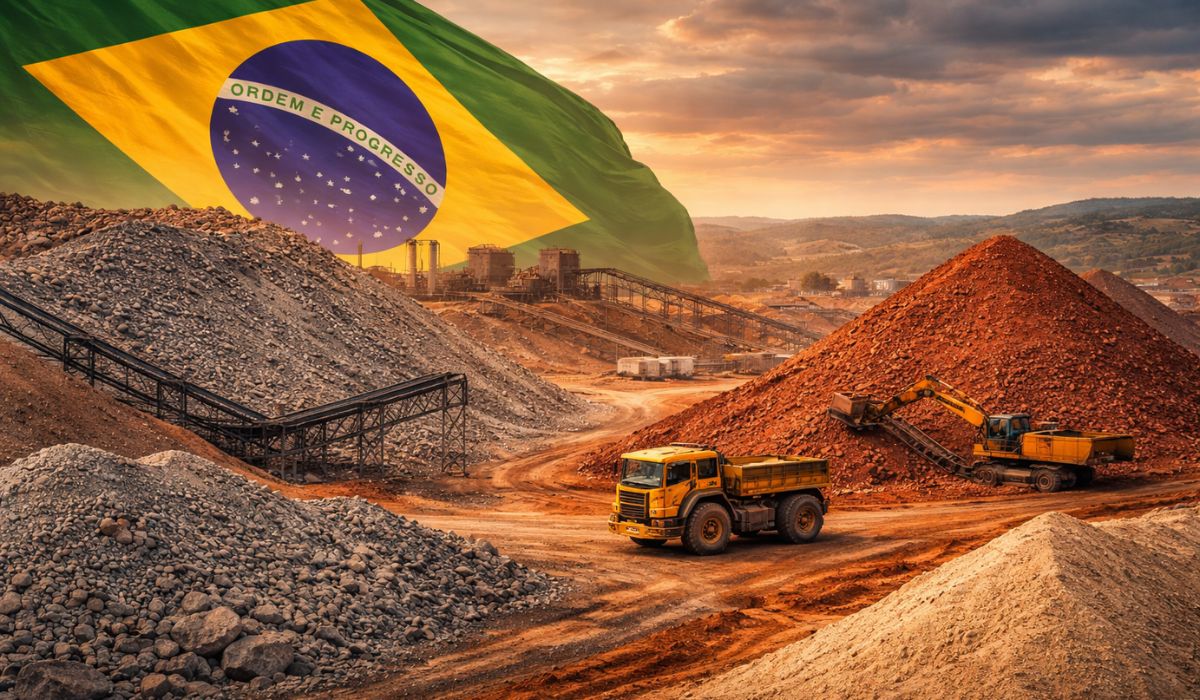
Brazil extracts 26.3 million tons of ore from what was previously treated as waste, transforming residues into wealth, producing over 3 million tons of sand, and demonstrating how national mining is relearning to generate value.
-
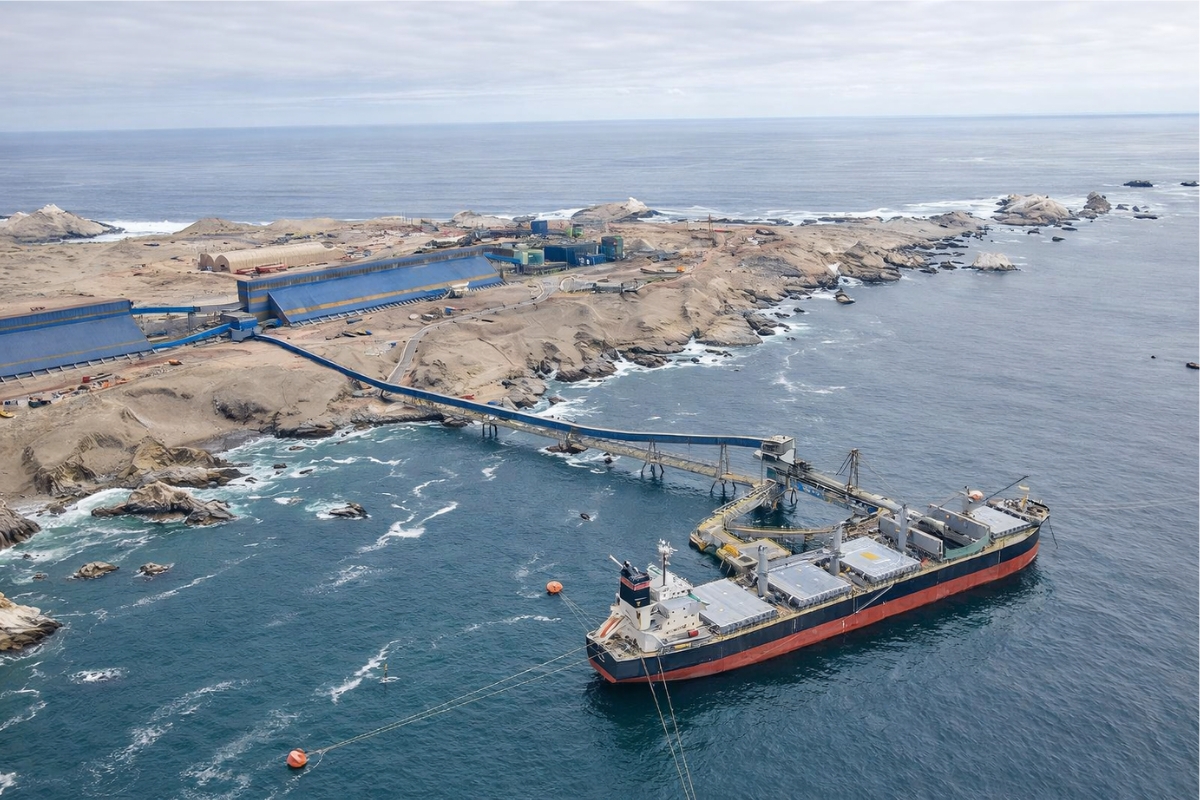
A $3.5 billion megaproject in Latin America pumps desalinated seawater at 1,050 liters per second over 194 km to keep a copper supermine in the Andes operational for another 20 years.
-
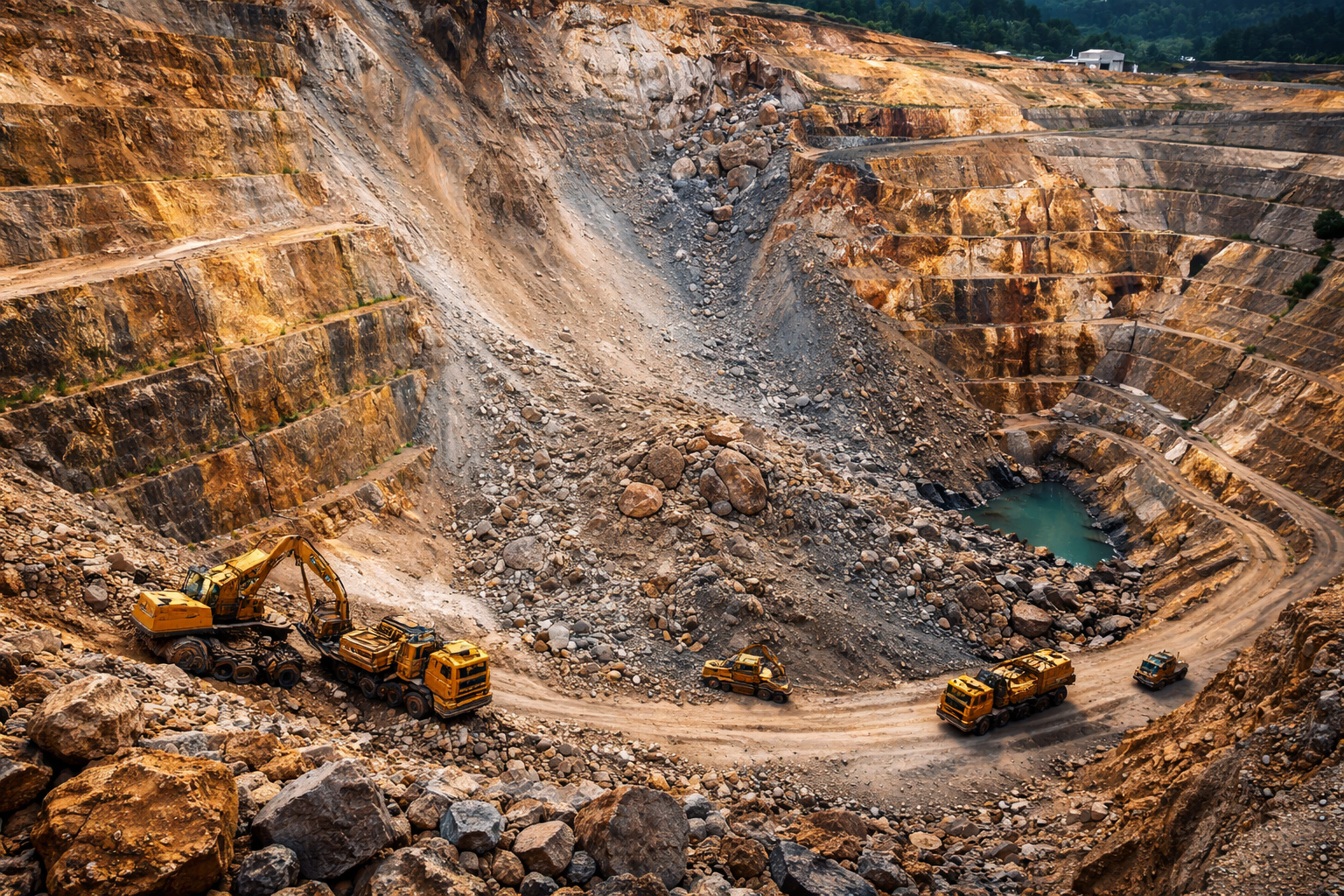
A hidden mine in the Andes valued at nearly R$ 1 trillion is starting to attract global attention, containing copper, gold, and silver, and raises an intriguing question: why do Argentina and Chile need to act together to exploit this gigantic wealth?
-
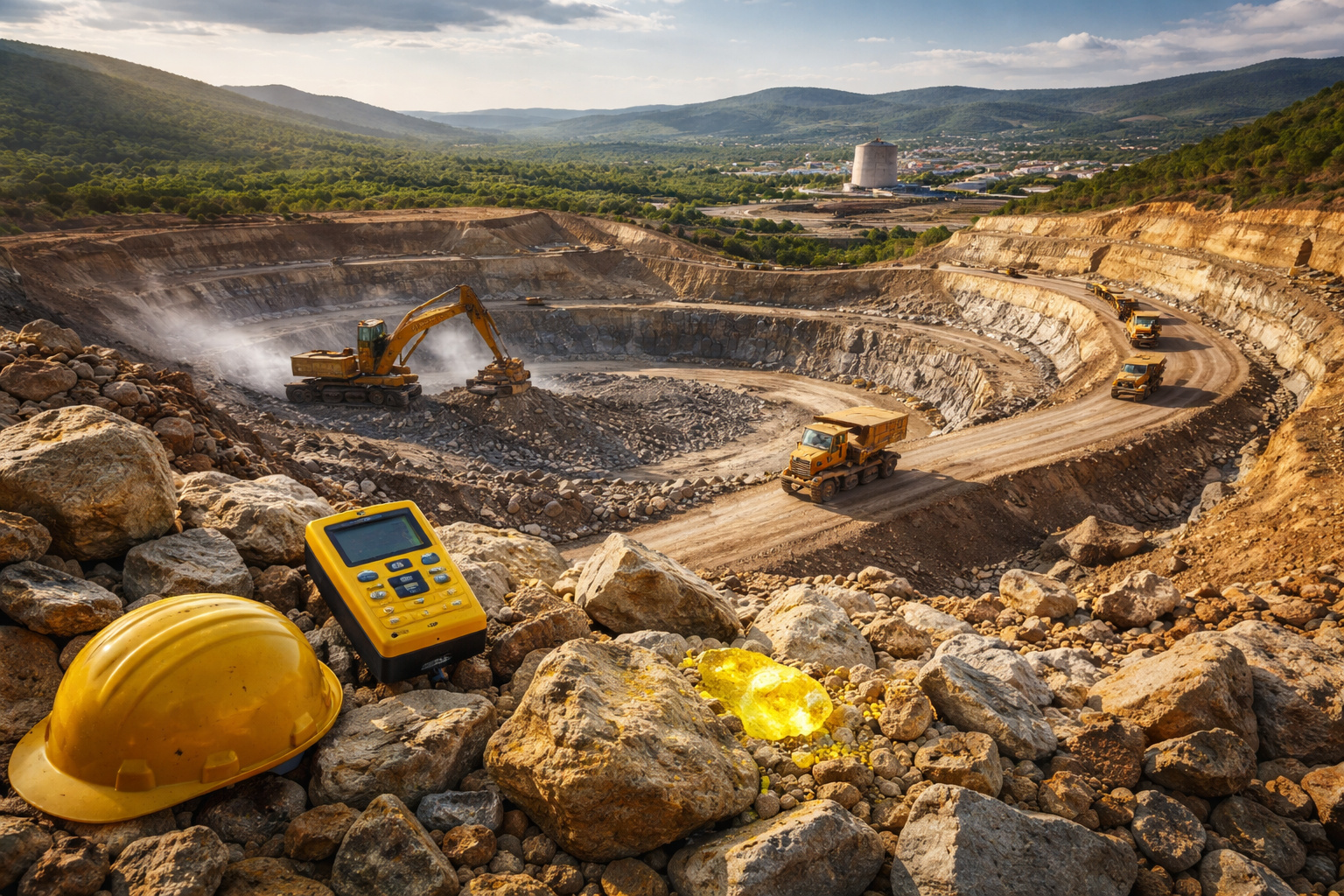
A silent discovery in the interior of Bahia could change the future of energy in Brazil: a uranium reserve in Lagoa Real has an estimated capacity to produce 400 tons per year and is already attracting the attention of energy sector specialists.

The diplomat explained that the plan aims to define internal demand, organize processing, and plan the rational use of natural resources within Brazilian territory. For this reason, he compared the role of rare earths to uranium, emphasizing that both require state vision, technological mastery, and long-term planning.
Internal Development and Added Value
Amorim stressed that Brazil must abandon the raw materials export model without added value and, therefore, invest consistently in knowledge industrialization. For him, it is essential that the country produces and recycles batteries, semiconductors, and electronic components locally, ensuring technological independence.
“It’s not enough to produce the car; you have to produce and recycle the battery here,” he stated. According to the advisor, this strategy ensures that technology serves the actual ecological transition, while promoting sustainable industrial growth and national innovation.
The plan also aims to strengthen national production of technological components and create skilled jobs, expanding opportunities in high-tech sectors. In this way, the country begins to value scientific and industrial knowledge, avoiding a repeat of the historical pattern of exporting only raw materials.
Geopolitical Relevance and International Balance
The rise in global demand for rare earths places Brazil in a strategic geopolitical position, as the country has vast reserves that are still underexplored. Amorim noted that the United States and China compete for dominance in the supply chain of these minerals and, therefore, Brazil should act cautiously.
He reiterated that this dispute underscores the need for a balanced and sovereign foreign policy. The advisor advocated for the country to maintain cooperation with both sides, while not relinquishing national autonomy and internal interests.
“We want balance. It will never be exact, but we want a respectful and mutually beneficial relationship,” he declared. Additionally, Amorim highlighted that Brazil can become a natural mediator in the global race for strategic resources, as long as it prioritizes its own development policy.
Technological Challenges and Next Steps
According to experts, Brazil still faces technological, logistical, and institutional challenges to consolidate its presence in the global rare earth market. However, the outlook is promising, as the country has unmatched mineral and industrial potential.
The processing and separation of these minerals require advanced technology and long-term investments, which the government intends to develop through industrial and scientific partnerships. Moreover, the country seeks to organize the entire production cycle, from extraction to the recycling of components, which should reduce external dependency and foster a green economy.
Consequently, the success of this strategy will depend on ongoing public policies and coordinated action among government, universities, and the private sector. Thus, the country can transform its mineral advantage into sustainable innovation and global competitiveness.
Strategic Outlook
With the advancement of this agenda, Brazil aims to strengthen its mineral sovereignty and ensure that the utilization of rare earths occurs in a sustainable, technological, and independent manner. Furthermore, the creation of the presidential council represents a decisive step towards productive autonomy and national innovation.
Therefore, the country begins to forge a solid path towards green reindustrialization and Latin American technological leadership.









Seja o primeiro a reagir!