





 Portuguese
  English
  Spanish
  4 min of reading
  0 comments



Brazil and California Advance on Climate Agenda with New International Pact that Accelerates Energy Transition, Promotes Clean Energy, and Reinforces Global Sustainability Efforts
During the 80th United Nations General Assembly and Climate Week in New York, Brazil and the U.S. state of California signed a historic international cooperation agreement.
The memorandum of understanding, signed by Environment and Climate Change Minister Marina Silva and Governor Gavin Newsom, aims to intensify joint actions to address climate change, reduce greenhouse gas emissions, and strengthen environmental protection.
According to Gavin Newsom, global-scale challenges require collaborative solutions. It will be possible to preserve essential ecosystems and boost sustainable economic models, highlighting the importance of partnership.
-
How green infrastructure and renewable energy at the World Cup transform the logistics of the largest sporting event on the planet in North America.

-
The Cagece and UFC project advances in sustainable innovation with biogas by converting waste into renewable energy, reducing environmental impacts, and increasing sanitation efficiency with concrete and measurable results.

-
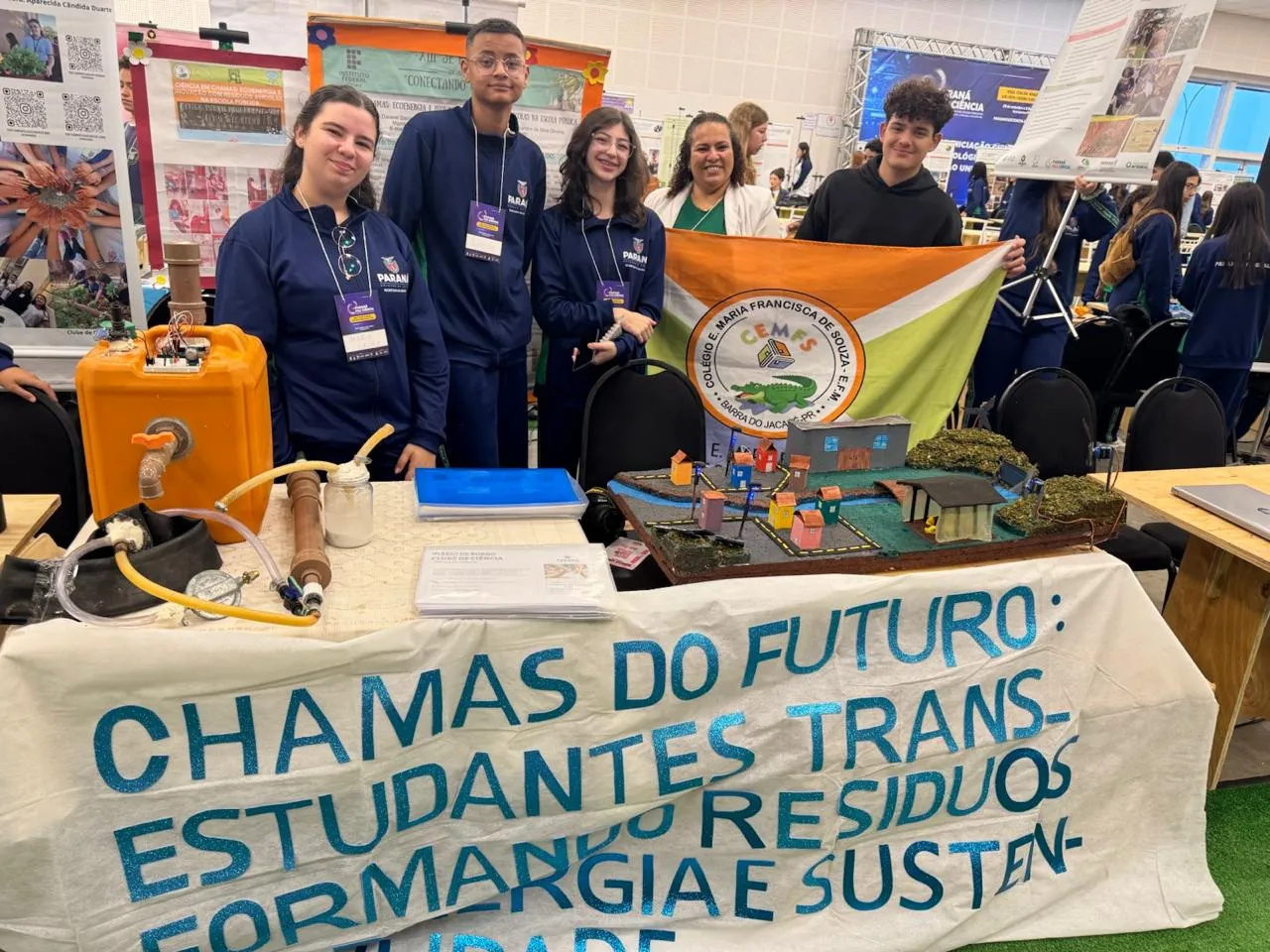
Paranaense students develop a system that transforms farm waste into clean energy and revolutionizes sustainable agribusiness.
-
Revolution in the Northeast: Ceará accelerates investments in environmental technology and inaugurates an innovative plant that uses waste to promote sustainable sanitation.

Strategic Objectives of the Agreement Between Brazil and California
The agreement sets forth a series of joint goals and strategies between Brazil and California, focusing on:
- Carbon Markets: Development of policies for the trading of carbon credits.
- Low-Emission Transportation: Promotion of sustainable mobility.
- Clean Energy: Promotion of renewable sources and clean technologies.
- Nature-Based Solutions: Preservation of ecosystems as a mitigation tool.
- Circular Economy: Encouragement of material reuse and recycling.
- Climate Resilience: Protection of vulnerable communities and cultural heritage.
The agreement will help Brazil and California achieve their climate neutrality targets by 2050 and 2045, respectively, reinforcing their commitment to global sustainability.
Energy Transition and Technological Innovation
The energy transition is one of the central pillars of the memorandum. Brazil, with its energy matrix composed of over 80% renewable sources, such as hydropower, wind, and solar, positions itself as a global leader in clean energy. California, in turn, is a reference in technological innovation and rigorous environmental policies.
According to data from the California Air Resources Board (CARB), California has already reduced its emissions by more than 15% since 2005, while Brazil seeks to expand its installed solar energy capacity, which grew significantly in 2024.
Marina Silva stated that the union between countries is fundamental to drive the energy transition and build a sustainable future for all of society.
Sustainability and Environmental Protection as a Priority
Sustainability is addressed transversally in the agreement. In addition to reducing emissions, Brazil and California commit to:
- Promote technical exchanges and joint workshops.
- Share regulatory experiences and public policies.
- Involve the private sector and academic institutions.
- Stimulate investments in green technologies.
The implementation of the memorandum will be guided by an action plan developed by the Ministry of Environment and Climate Change (MMA) and the California Environmental Protection Agency, with a duration of five years.
Sustainability moves from being an abstract concept to a concrete guideline in public policy and international cooperation.

Data and Statistics That Reinforce Climate Urgency
The climate crisis requires urgent and coordinated responses. According to the Intergovernmental Panel on Climate Change (IPCC), the world needs to reduce emissions by 43% by 2030 to limit global warming to 1.5°C.
- Brazil is one of the largest emitters of greenhouse gases, particularly due to deforestation in the Amazon.
- California faces challenges like wildfires and water scarcity, exacerbated by climate change.
- It is estimated that joint actions could avoid the emission of millions of tons of CO₂ in the coming years.
The union between Brazil and California represents a concrete and strategic response to the global climate emergency.
Complementarity Between Brazil and California
The partnership between Brazil and California stands out for the complementarity of its capabilities:
| Aspect | Brazil | California |
| Energy Matrix | Predominantly Renewable | High Innovation in Clean Energy |
| Biodiversity | Amazon and Cerrado | Coastal and Forest Ecosystems |
| Environmental Policies | Strengthened Since 2023 | Pioneering Climate Regulation |
| Private Sector | Expansion of Green Startups | Leadership in Sustainable Technology |
| Climate Commitment | Neutrality by 2050 | Neutrality by 2045 |
This synergy between the two territories strengthens both their ability to lead the global climate agenda.
Clean Energy and Sustainable Development
The agreement also foresees engagement from universities, research centers, and companies. Innovation will be stimulated through economic incentives and investments in clean technologies.
Examples of initiatives that can be propelled include:
- Development of advanced biofuels.
- Expansion of electric transportation networks.
- Environmental monitoring via satellites.
- Reforestation projects and recovery of degraded areas.
Science and technology will be fundamental allies in building sustainable and scalable solutions.
International Relevance of Cooperation in Energy Transition
The signing of the agreement occurs at a strategic moment, just before the UN Climate Conference (COP30), which will be hosted by Brazil. The initiative reinforces Brazil’s prominence in the global environmental agenda and strengthens ties with subnational governments in the United States.
Marina Silva stated that collaborations of this kind are essential to drive the progress of climate actions for global well-being.
Additionally, the agreement signals to the international market that Brazil and California are open to collaboration with other countries and states that share the same climate goals.


Pathways to Effective Climate Cooperation Between Brazil and California
The memorandum of understanding between Brazil and California represents a significant advance in international cooperation to address climate change. By joining forces, the two governments demonstrate that it is possible to build joint, effective, and sustainable solutions.
Agreements like this are essential to accelerate the energy transition, promote clean energy, and ensure a fair and resilient future for the next generations.
With ambitious goals, well-defined strategies, and multisectoral engagement, Brazil and California show that sustainability is not just an ideal — it is a practice that demands action, collaboration, and commitment.







-

Uma pessoa reagiu a isso.