





 Portuguese
  English
  Spanish
  4 min of reading
  0 comments


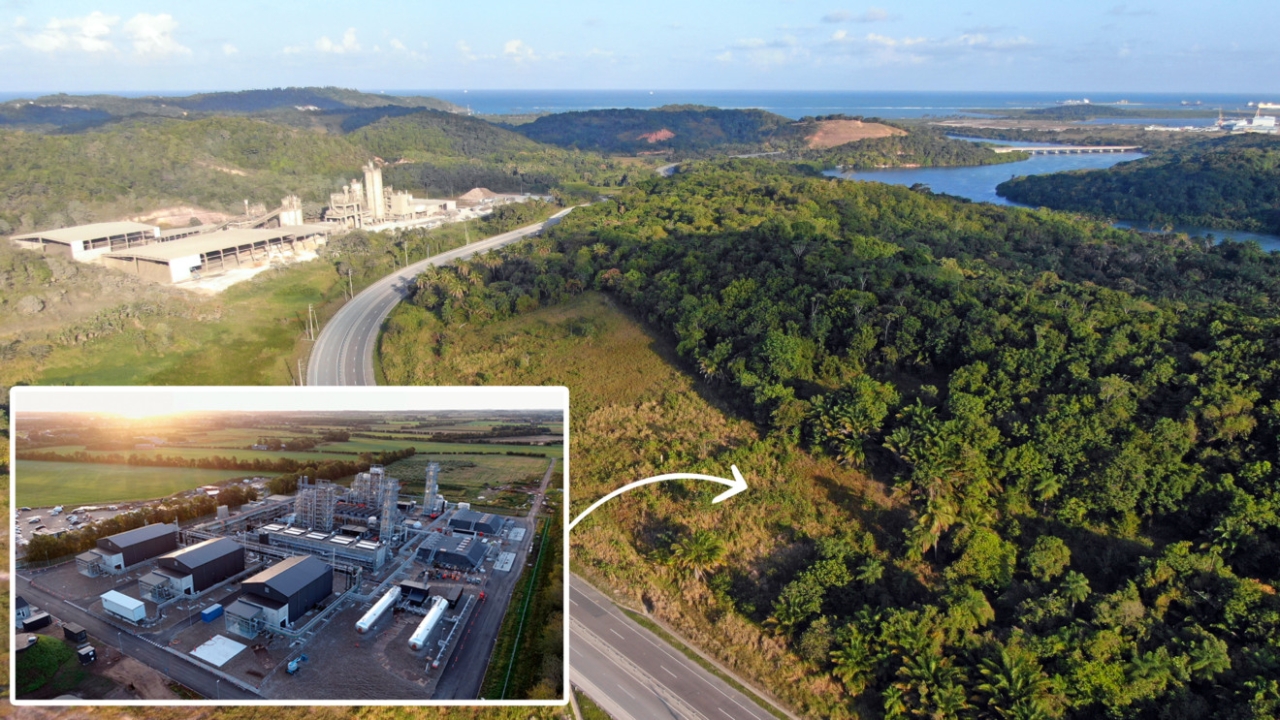
With An Estimated Investment of R$ 8 Billion and A Projection to Generate Over 10 Thousand Jobs, the New Sino-Brazilian Industrial Complex Bets on The Production of Green Hydrogen and Methanol to Boost Exports from The Country
The Port Industrial Complex of Suape, in Pernambuco, is on the verge of a historic transformation.
Brazil and China have initiated the implementation of a megacomplex industrial that promises to boost development in the Northeast and strengthen economic ties between the two countries.
The project is being presented as a landmark of Brazilian reindustrialization. It is expected to attract investments estimated at R$ 8 billion, focusing on sustainable fuels, export chemicals, and low-carbon technologies.
-
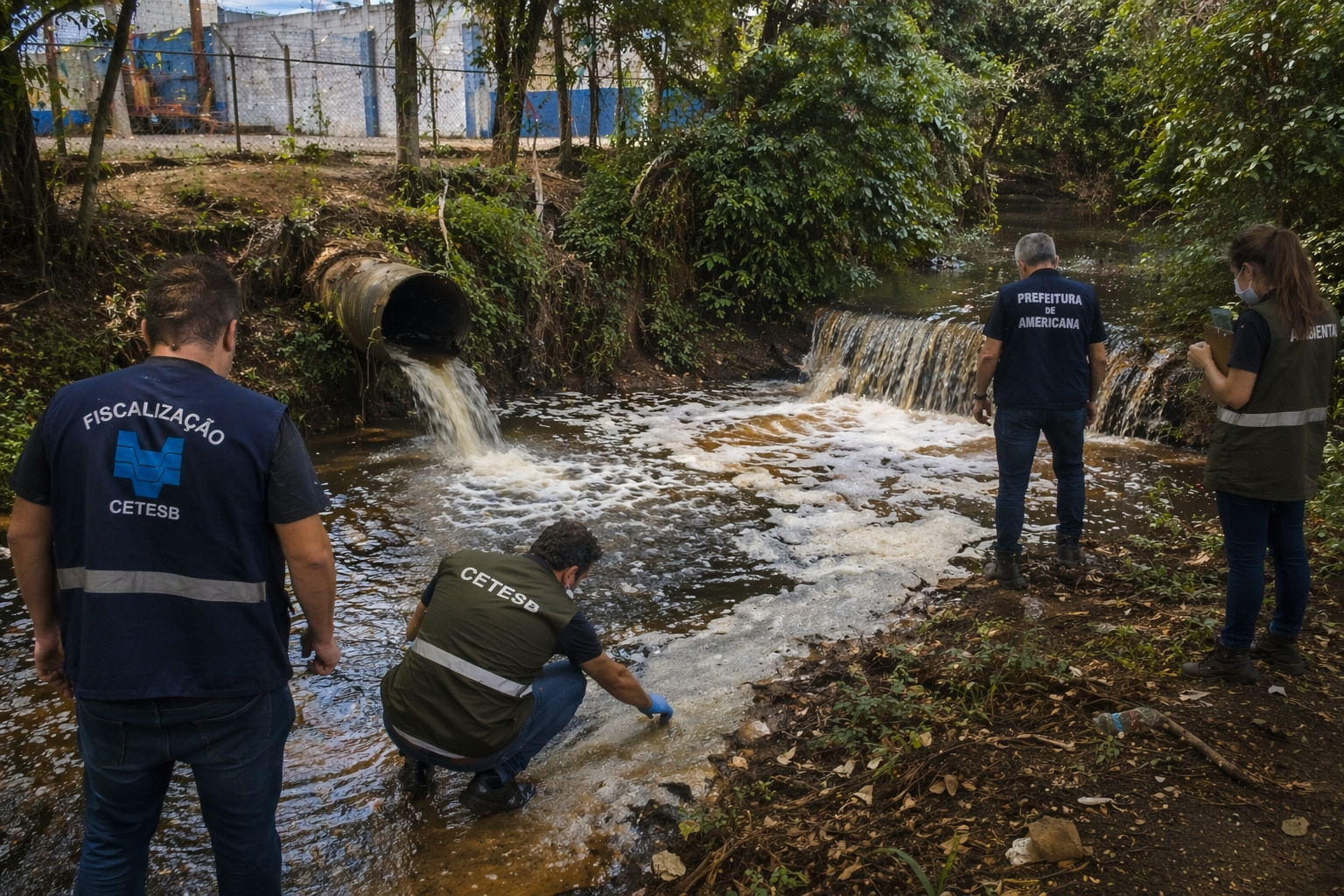
A fine of R$ 115 thousand places Goodyear at the center of an environmental case in Americana after oil and grease appeared in a stream and the company was required to act quickly.
-
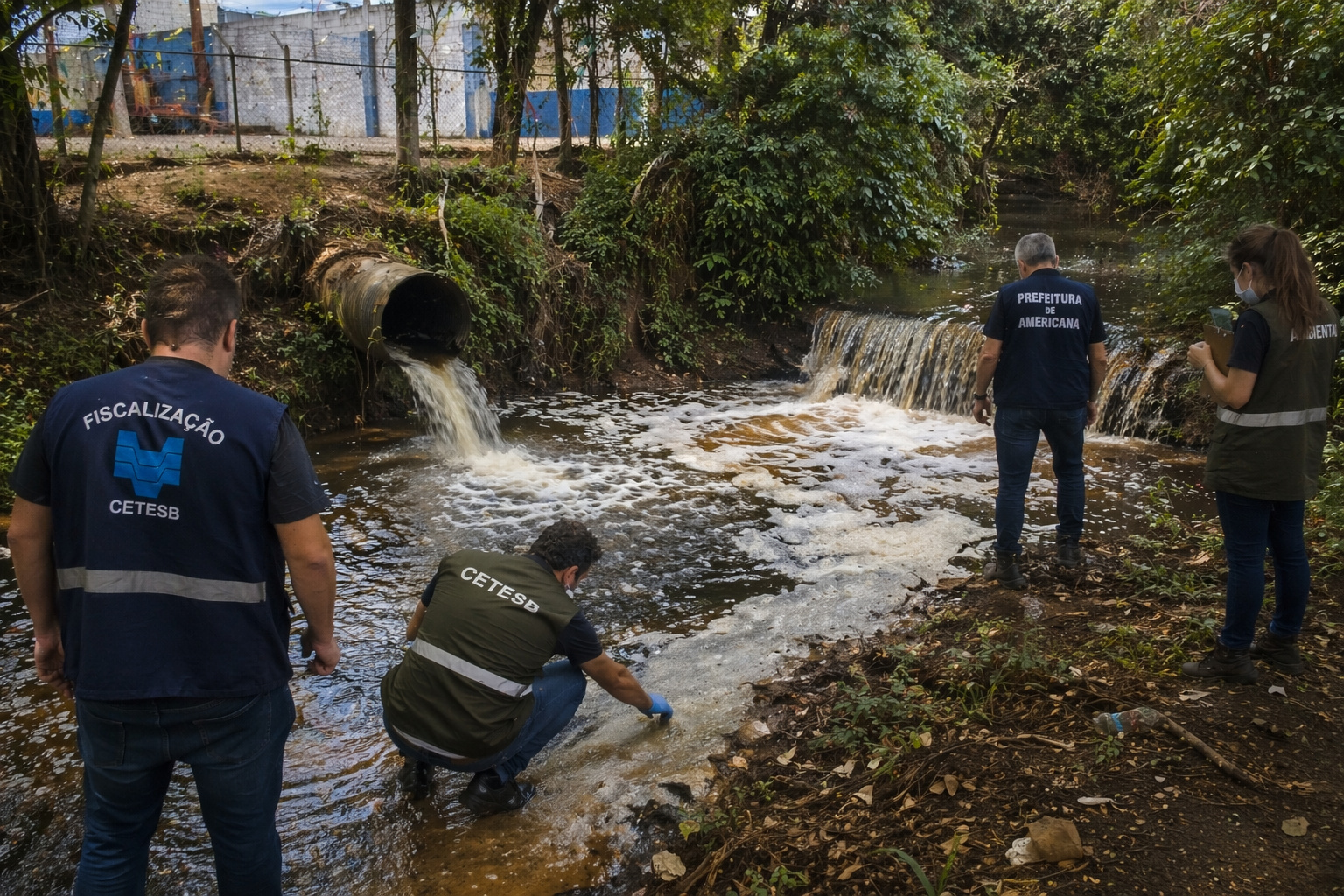
A fine of R$ 115 thousand puts Goodyear at the center of an environmental case in Americana after oil and grease appeared in a stream and the company was forced to act quickly.
-
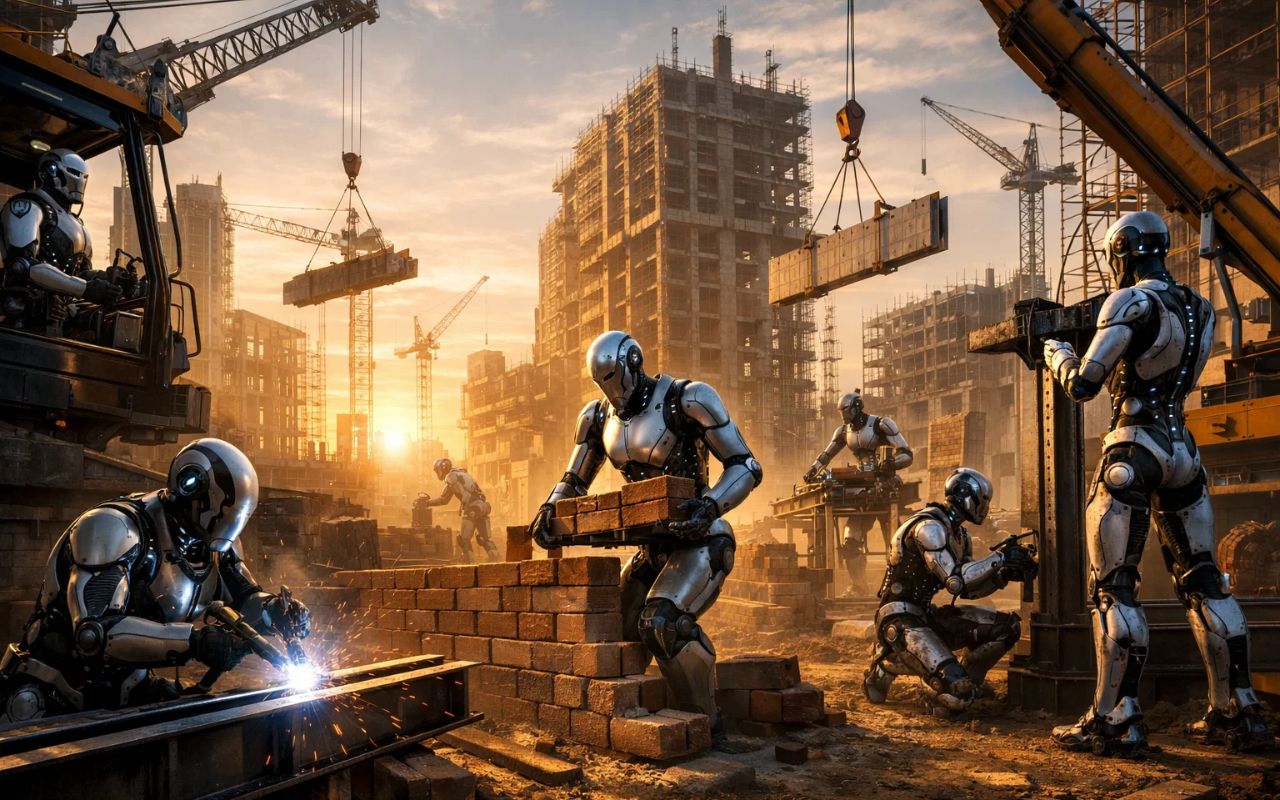
Lack of workers and an aging population: Japan bets on AI robots in factories, logistics, and infrastructure to keep the economy and essential services active.
-
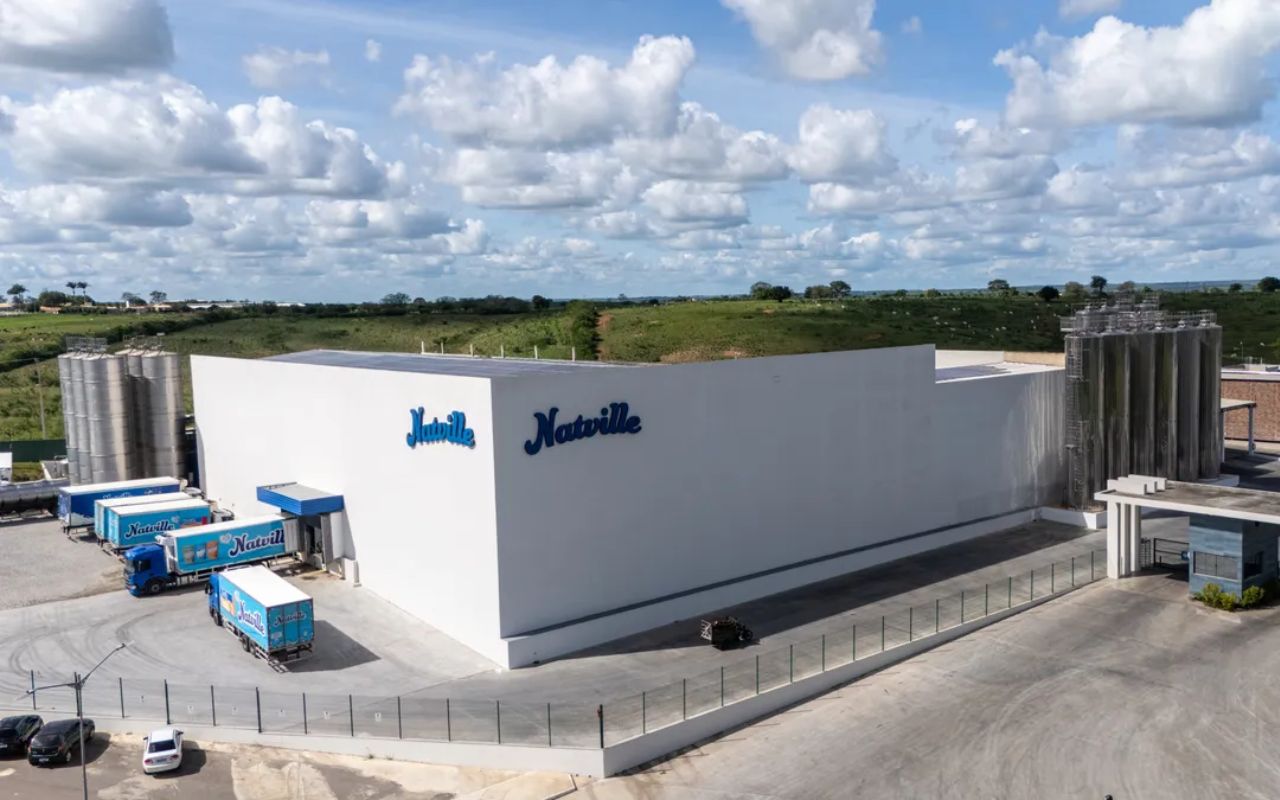
Natville puts R$ 700 million on the table for new factories in the Northeast, generating jobs and boosting the local economy.
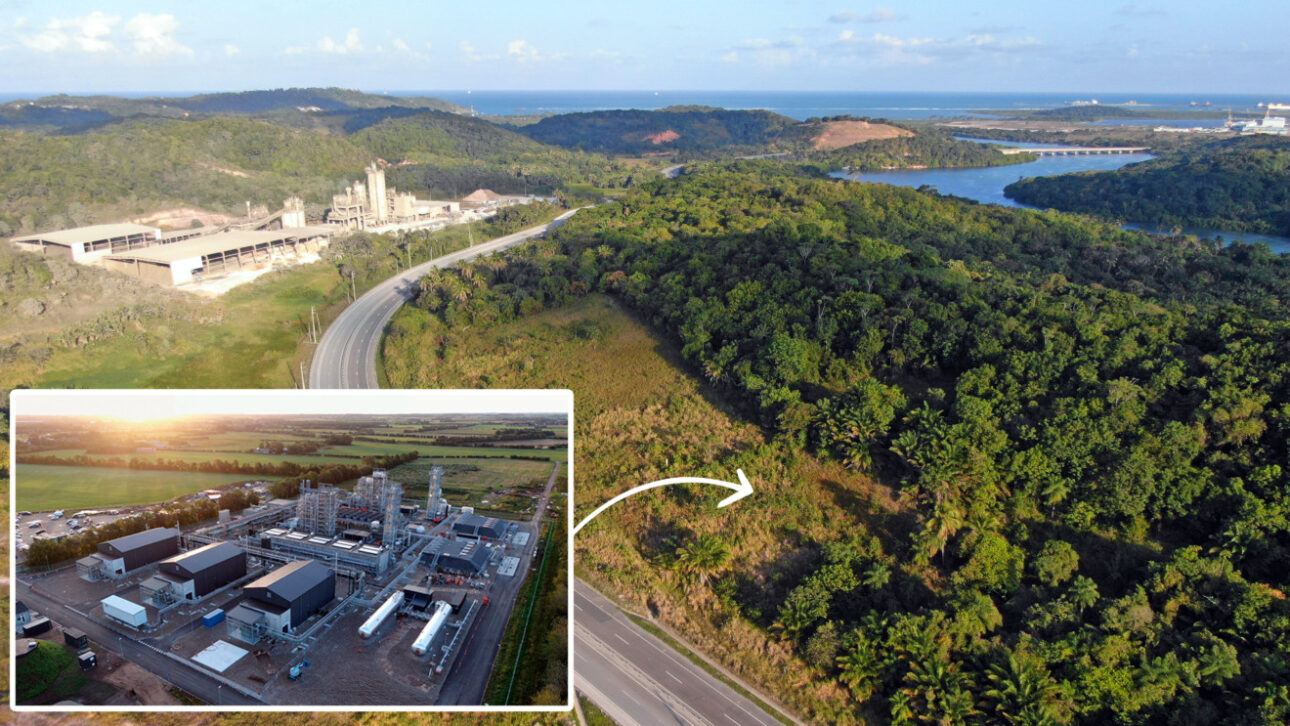
Sources linked to the state government claim that initial works have begun with land movements and basic infrastructure. The expectation is that construction will proceed in phases, generating around 10 thousand direct and indirect jobs during the peak of activities.
Why Suape Was The Chosen Location
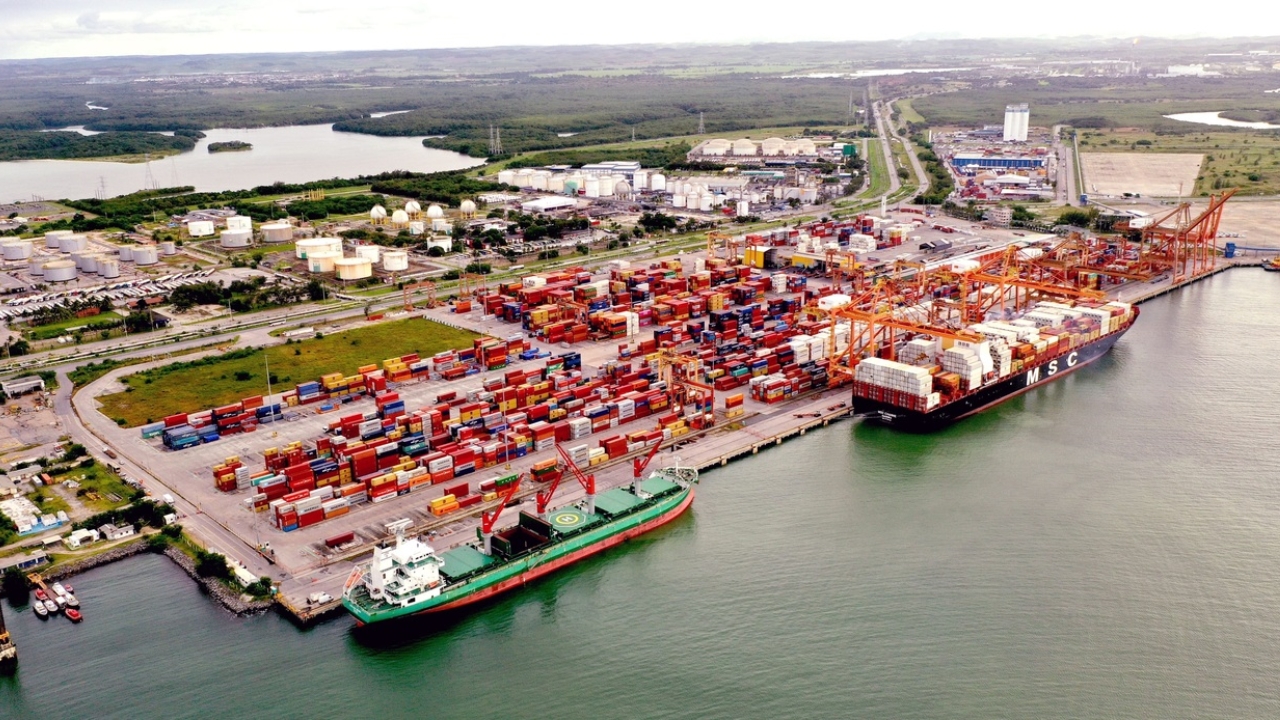
Located between the municipalities of Ipojuca and Cabo de Santo Agostinho, the Port of Suape is now the main logistics hub in the Northeast.
Its strategic position, close to international maritime routes and connected by highways and railways, was decisive for the choice.
Suape also hosts a Export Processing Zone (ZPE) approved by the federal government, which ensures tax and customs incentives for exporting companies.
This structure, combined with the port’s modern infrastructure, offers the ideal conditions to accommodate the Sino-Brazilian megacomplex.
The ZPE is expected to concentrate industries of green hydrogen, e-methanol, and high-value-added chemicals, sectors in which China has rapidly advanced.
The Strength of The Sino-Brazilian Partnership
The relationship between Brazil and China has been solidifying for two decades, and Suape is now a reflection of this rapprochement.
Chinese companies in the chemical and energy sectors have expressed interest in using the port as an export base for Latin America and the Atlantic.
Chinese technical delegations visited Pernambuco in early 2025, analyzing land and discussing logistical issues.
Although the details of the agreement remain confidential, the partnership is part of the agenda for bilateral cooperation for energy transition and sustainable reindustrialization.
Green Energy and E-Methanol: The Center of The New Complex
One of the pillars of the megacomplex will be the production of green e-methanol, a synthetic fuel made from hydrogen and carbon dioxide captured from renewable sources.
This product is considered essential for the future of maritime and aerial transport, as it allows for a drastic reduction in carbon emissions.
In addition to e-methanol, there are plans for factories of industrial and chemical components aimed at export.
Part of the energy used will come from solar and wind farms installed in the Pernambuco hinterland, directly connected to the port.
According to the preliminary schedule, the first plant is expected to be operational by 2027, with initial production estimated at 300 tons of green fuel per day.
Economic Impacts and Job Generation
The state government’s expectation is that the project will transform the economy of Pernambuco and reinforce the role of the Northeast in the Brazilian industrial map.
Only during the construction phase, thousands of jobs are expected to be created in the civil construction, transportation, engineering, and services sectors.
The impact is also expected to extend to the logistics chain.
With the completion of the Transnordestina Railway, expected to connect Suape to the interior and the Port of Pecém, the region will be able to export products at lower costs and greater international competitiveness.
In addition, the project is expected to stimulate the establishment of small and medium-sized supplier companies, generating a new cycle of local development.
Challenges and Next Steps
Despite the enthusiasm, the megacomplex still faces typical challenges of large enterprises.
Environmental licensing is one of the most delicate points, as Suape is located in an area of mangroves and sensitive reefs.
There are also issues related to energy, sanitation, and transportation infrastructure.
For specialists, the success of the project will depend on the ability to align economic growth and sustainability, something that Pernambuco is already seeking with state policies for clean energy.
The coming months are expected to bring new official announcements, with details about the consortium of companies and the definitive construction schedule.
The expectation is that, by the end of 2025, the project will be formally presented as one of the largest industrial investments in the country this decade.
A Milestone for The New Brazilian Economy
More than a billion-dollar investment, the Suape megacomplex symbolizes a new stage in relations between Brazil and China.
It combines the logistical potential of the Northeast with Chinese technological and financial capacity, creating a model of cooperation focused on the green economy.
If the timelines are maintained, the complex will begin operations in 2027, consolidating Pernambuco as a reference in innovation and sustainable energy.
With this, Brazil reaffirms its position as a strategic partner in the global industrial transition — and the Northeast returns to the center of national development.






Seja o primeiro a reagir!