





 Portuguese
  English
  Spanish
  5 min of reading
  4 comments


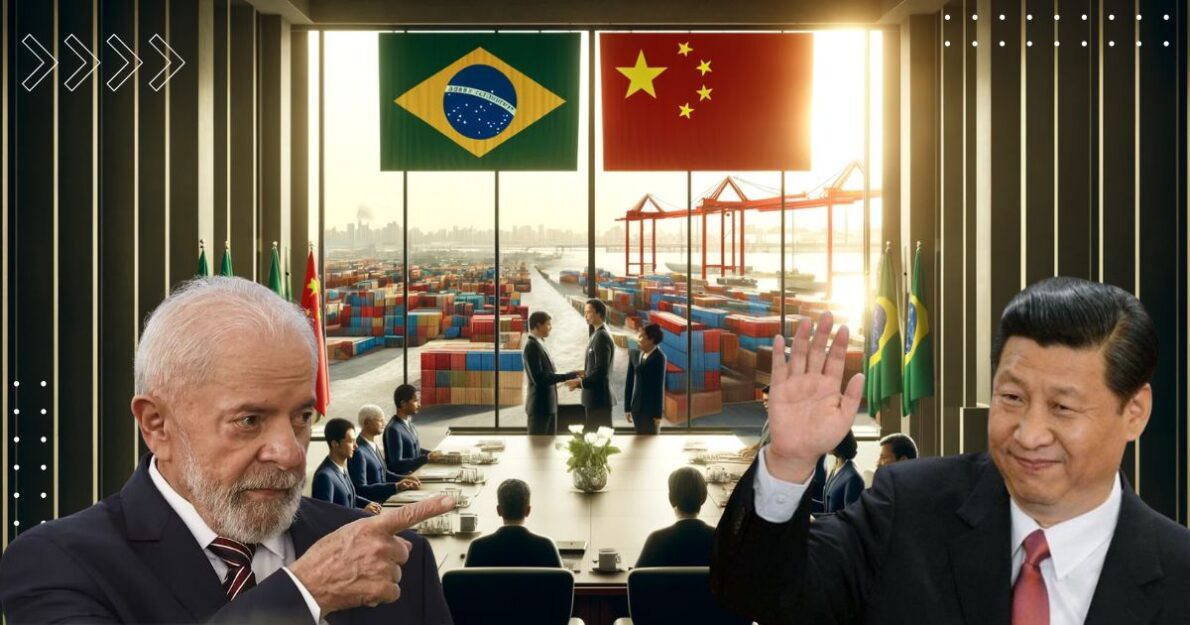

Brazil and China Are Close to Closing a Billion-Dollar Partnership. With Internal Pressures and Fears for the National Industry, Is This the Right Decision?
Brazil finds itself at a strategic and geopolitical crossroads.
A possible billion-dollar partnership with China, involving adherence to the New Silk Road, is about to be defined, while political and economic interests compete for the direction of this negotiation.
With an imminent announcement during the visit of Chinese President Xi Jinping in November, the Brazilian government is working to balance conflicting interests.
-
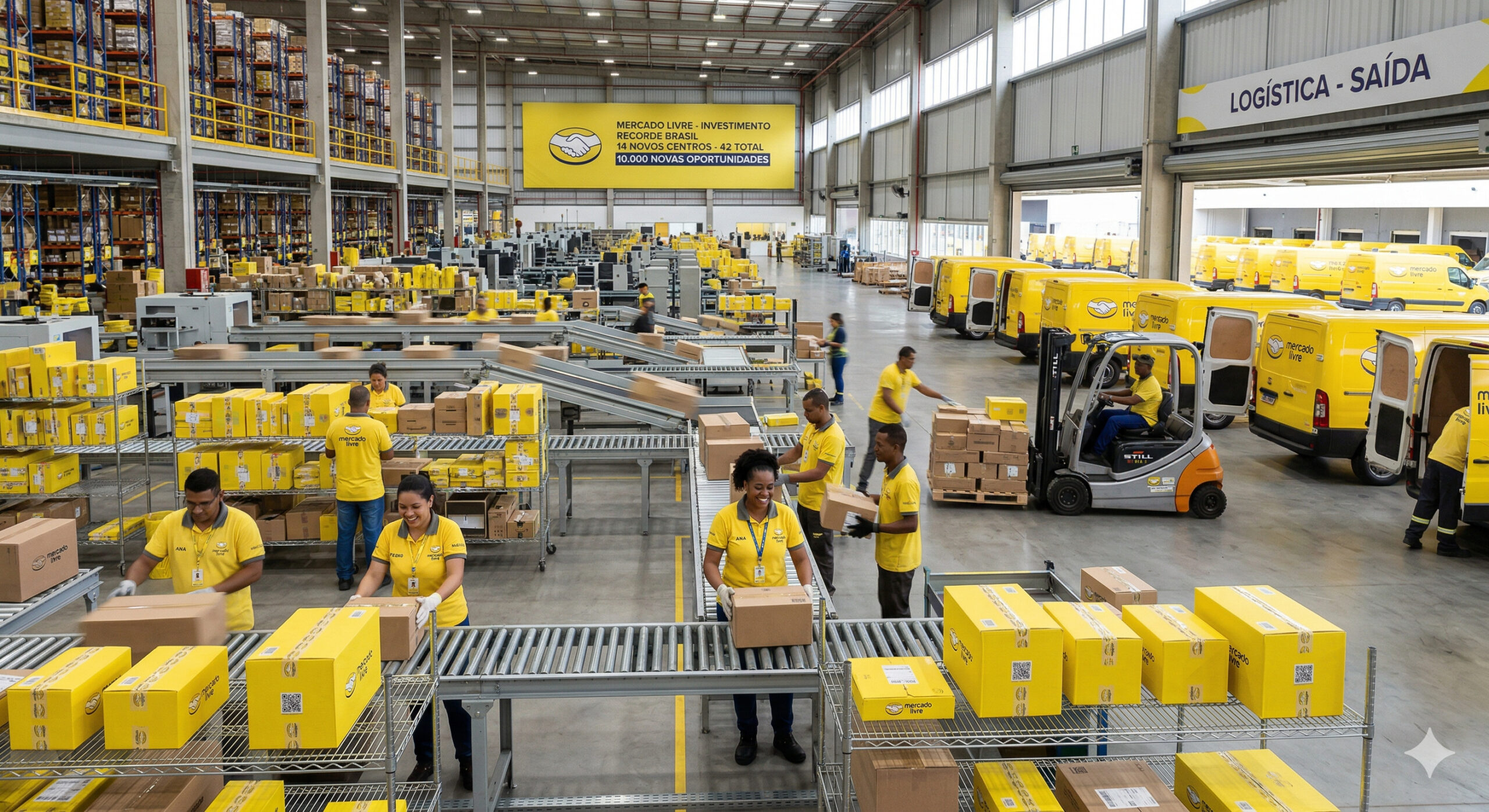
Mercado Livre “opens the vault” and announces a record investment of R$ 57 billion in Brazil in 2026, a value 50% higher than the previous year, with an expansion plan that includes 14 new logistics centers, totaling 42 units in the country and hiring an additional 10,000 employees.
-
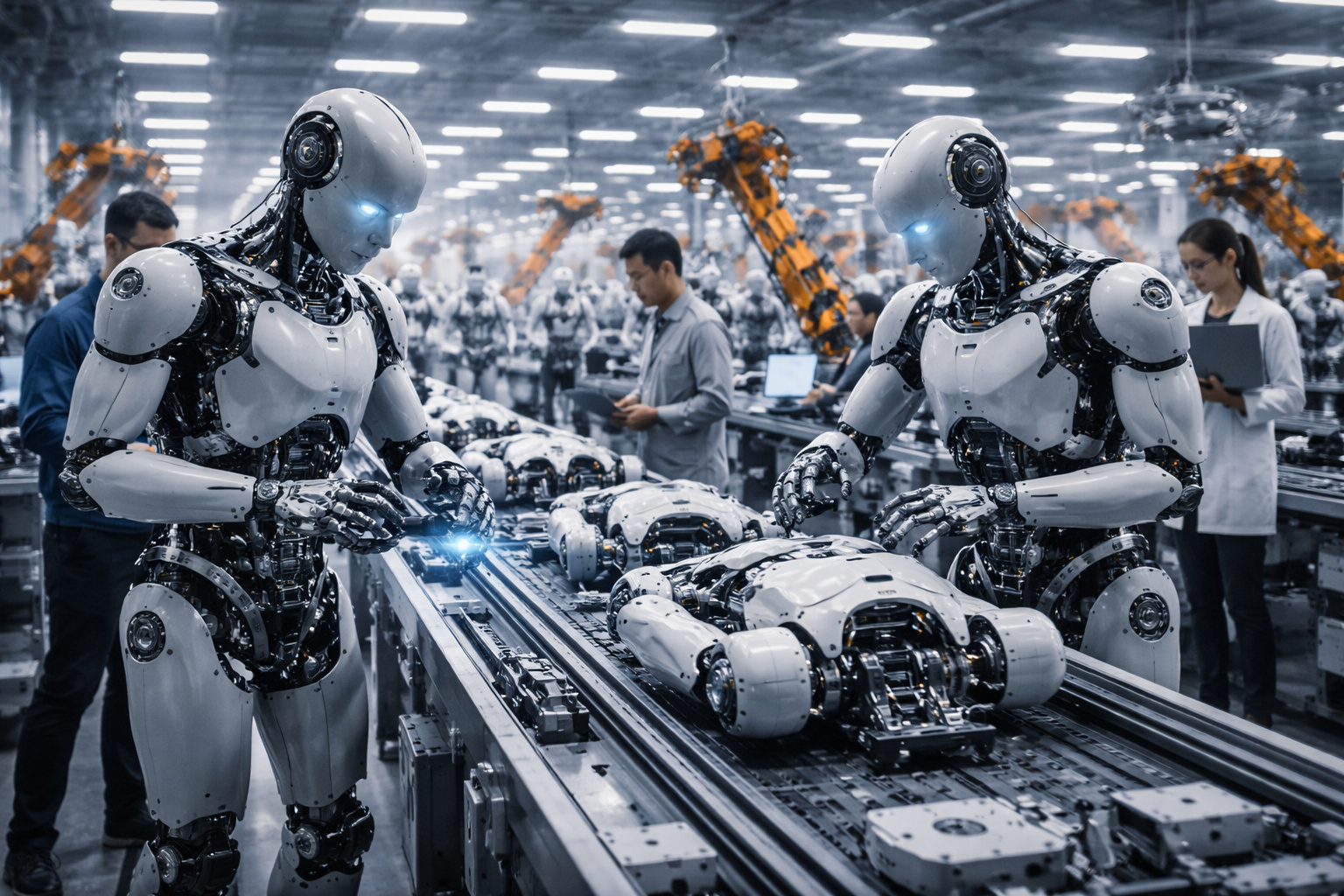
How investment in technology can revolutionize the national economy and enhance industrial gains, according to a study that highlights the direct impact on productivity, innovation, and wealth retention within Brazil.
-
The largest food company on the planet, JBS, has just opened a 4,000 square meter laboratory in Florianópolis to develop customized proteins that modulate muscle mass gain, immune response, and metabolic performance.

-
After nearly 30 bids and competition among industry giants, a Spanish company purchases one of the largest airports in Brazil for almost R$ 3 billion and takes over the management of Galeão in a concession that will last until 2039.


At the center of the discussions is the New Silk Road, an ambitious initiative by China to expand its trade relations through investments in infrastructure and energy in partner countries.
In Brazil, the possible adherence to the project has divided opinions within the government.
According to information from the newspaper Folha de São Paulo this Friday (18), the political wing, led by Minister Rui Costa (Civil House) and supported by former President Dilma Rousseff, who currently heads the New Development Bank (NDB) in Shanghai, openly advocates the partnership.
The former president has even participated in important discussions on the subject.
While the political side sees the New Silk Road as an opportunity to finance the Growth Acceleration Program (PAC), expand infrastructure, and boost Brazil’s competitiveness, the economic side shows greater caution.
According to information from Folha de São Paulo, government economists and Finance Minister Fernando Haddad believe that the agreement with China should include protective mechanisms for the national industry and technology transfer, preventing the Brazilian industrial sector from being harmed by excessive openness to Chinese products.
The Economic and Political Dilemma
To advance in these negotiations, Minister Rui Costa traveled to China with a Brazilian delegation on October 13, with the aim of finalizing the details of this possible adherence to the New Silk Road.
The visit of Xi Jinping to Brazil, which is expected to take place shortly after the G20 summit in Rio de Janeiro, could be the moment to formalize this important partnership.
On the other hand, the resistance from sectors of the Brazilian economy worries negotiators.
According to the president of the Brazilian Steel Institute, Marco Polo de Mello Lopes, there is great concern among industrialists about the possible impact of an agreement that favors China more than Brazil.
This sector fears that the agreement will increase the inequality in commercial conditions between Brazilian and Chinese companies, increasing dependence on imported products and further weakening the national industry.
The Role of Former President Dilma Rousseff
Dilma Rousseff, one of the strongest advocates for Brazil’s adherence to the New Silk Road, is being seen as a key figure in the process.
According to sources interviewed by Folha de São Paulo, she has used her position at the NDB to highlight the advantages of the partnership with China, arguing that Brazil should seize all available opportunities.
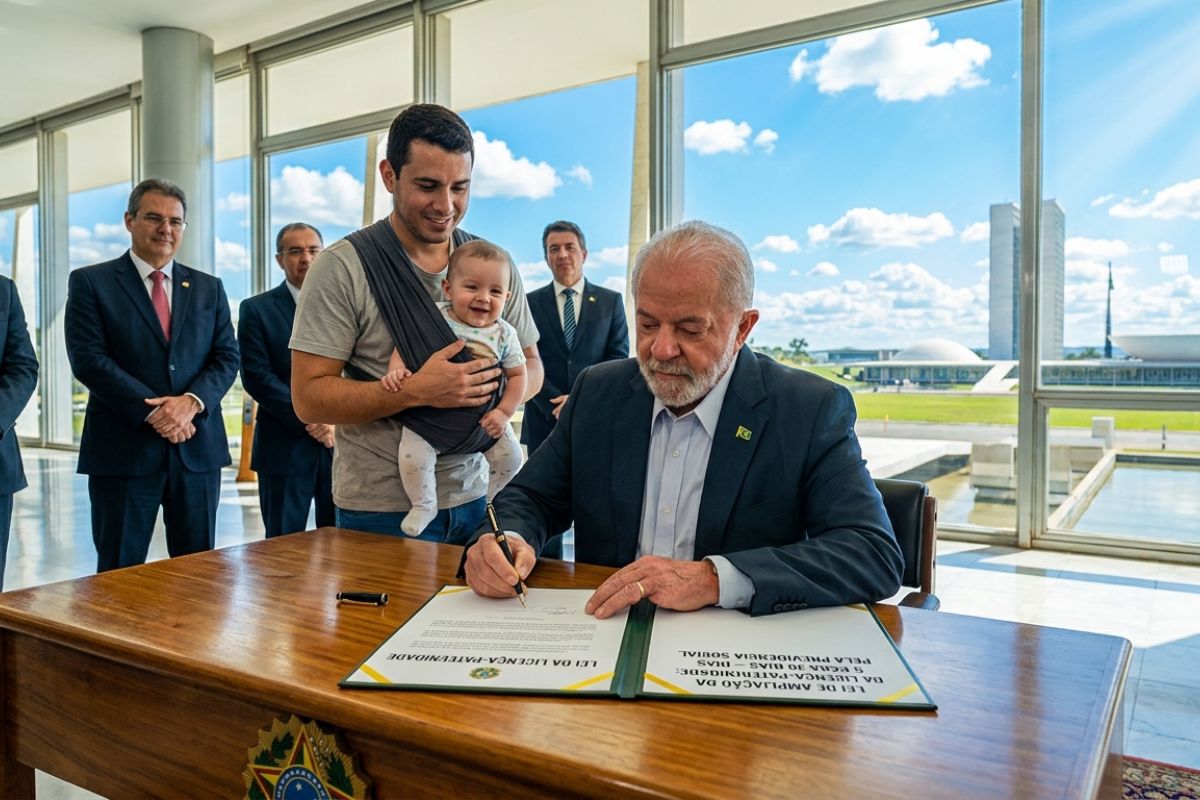
The former president recently participated in a meeting with President Luiz Inácio Lula da Silva and other government ministers, such as Fernando Haddad and Mauro Vieira (Foreign Relations), where the topic was widely discussed.
During this meeting, the need to carefully evaluate the implications of an agreement with the Chinese, especially regarding the protection of the Brazilian industrial sector, was emphasized.
The Details of the New Silk Road and Its Impact on Brazil
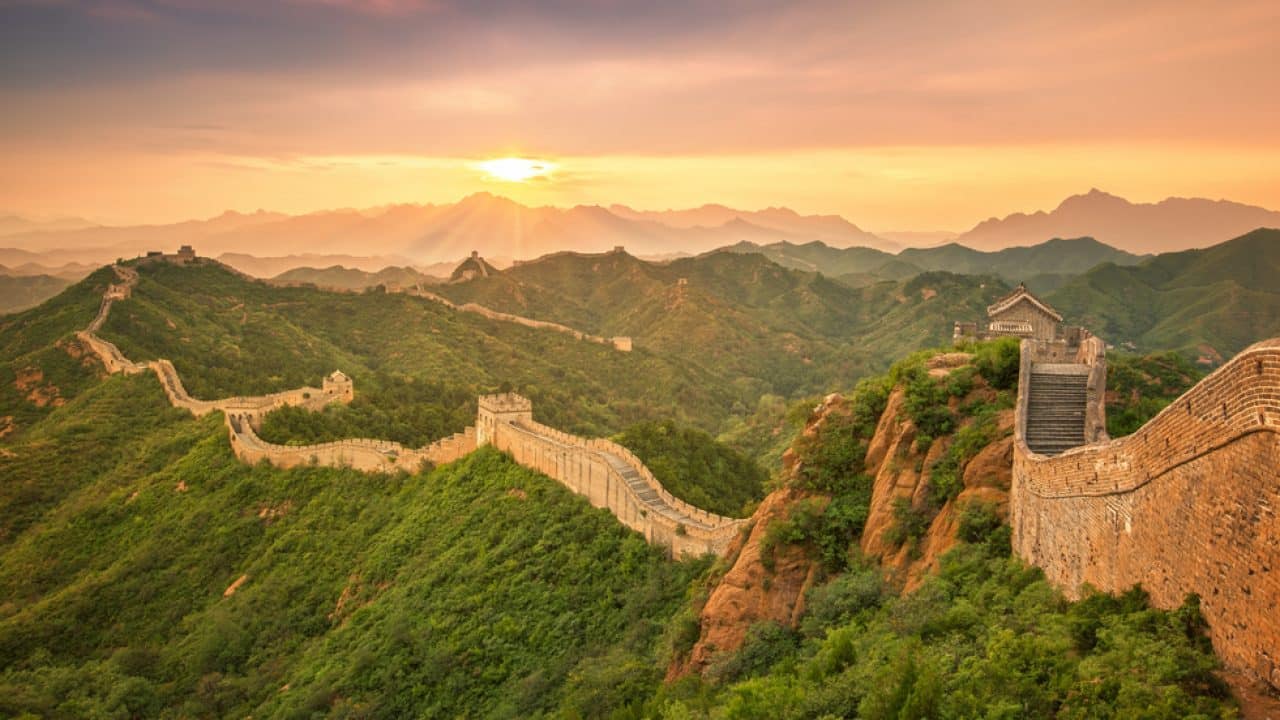
The New Silk Road, officially known as the Belt and Road Initiative (BRI), is a Chinese agenda that has already resulted in over US$ 2 trillion in contracts worldwide.
This plan seeks to expand China’s trade relations, building ports, railways, airports, and industrial parks in various countries.
Brazil, however, is one of the few countries in Latin America that has not yet joined the initiative.
During Lula’s visit to Beijing last year, the Brazilian government was pressured to take a position on the subject, but preferred to wait.
Now, with the upcoming official visit of Xi Jinping to Brazil, there is a growing expectation that the government will finally decide to enter the project.
According to Folha de São Paulo, the Brazilian government believes that the partnership with China can be a two-way street, offering opportunities for cooperation in areas like health, semiconductors, satellites, and agriculture.
Geopolitical Interests at Stake
In addition to the economic aspects, the agreement with China also brings important geopolitical implications.
As highlighted by Celso Amorim, special advisor to the presidency for international affairs, Brazil must position itself strategically in the global context, strengthening partnerships with both China and Western powers, in pursuit of a multipolar world.
Amorim advocates that this new strategic partnership can strengthen Brazil’s role in bilateral negotiations, such as talks for a possible peace agreement for the conflict between Russia and Ukraine.
The Future of the Negotiations
The hesitation in closing an agreement quickly is due to the fear that adherence to the New Silk Road could generate excessive economic dependencies and trade imbalances.
Members of the economic team advocate that the partnership be approached with caution, ensuring that Brazil does not lose its autonomy in future trade negotiations.
According to Folha de São Paulo, Vice President Geraldo Alckmin also emphasized that Brazil needs to carefully analyze its interests before making any decision.
He stated in a recent interview that “trade is reciprocity”, indicating that the government will seek guarantees of mutual benefits in the agreement with the Chinese.
What do you think of this new partnership between Brazil and China? Is the Brazilian industry at risk of being harmed, or is this the right path for the country’s development? Share your opinion in the comments!





Nao sou favoravel a essas negociacoes. O Brasil nao precisa dessas negociacoes que envolve o perigo de uma perda irreparavel futura.. O Brasil pode comprar produtos,maquinarios necessarios de qualquer tipo..Para o desemvolvimento nacional. Somos sempre um PAIZ livre. Nao a bancos
Que possa desviar dinheiro dos fundos da nacao. ( Brinks) “Proteger o Paiz e democracia”.
Tudo que é feito com integrantes do PT e coligados é revestido de falcatrua, sem a mínima preocupação em beneficiar a população brasileira, devidamente apoiados pelas facções criminosas. O Brasil está entregue à incompetência, à corrupção desenfreada, aos desmandos e à falta de liberdade. Esse é o pior caminho para um país como o Brasil se desenvolver e ocupar as primeiras posições mundiais. O futuro do jovem brasileiro é o pior possível com esse governo de um presidiário liberado pelo STF para saquear o Brasil e entregá-lo de mão beijada à China, entre outros.
É estás querendo ficar e continuar na rabeira do desenvolvimento. Quem sabe ficar sempre sendo capacho dos estados unidos!
O Brasil não deve fazer esse acordo, certamente prejudicará o comércio e indústrias do nosso país