





 Portuguese
  English
  Spanish
  6 min of reading
  0 comments


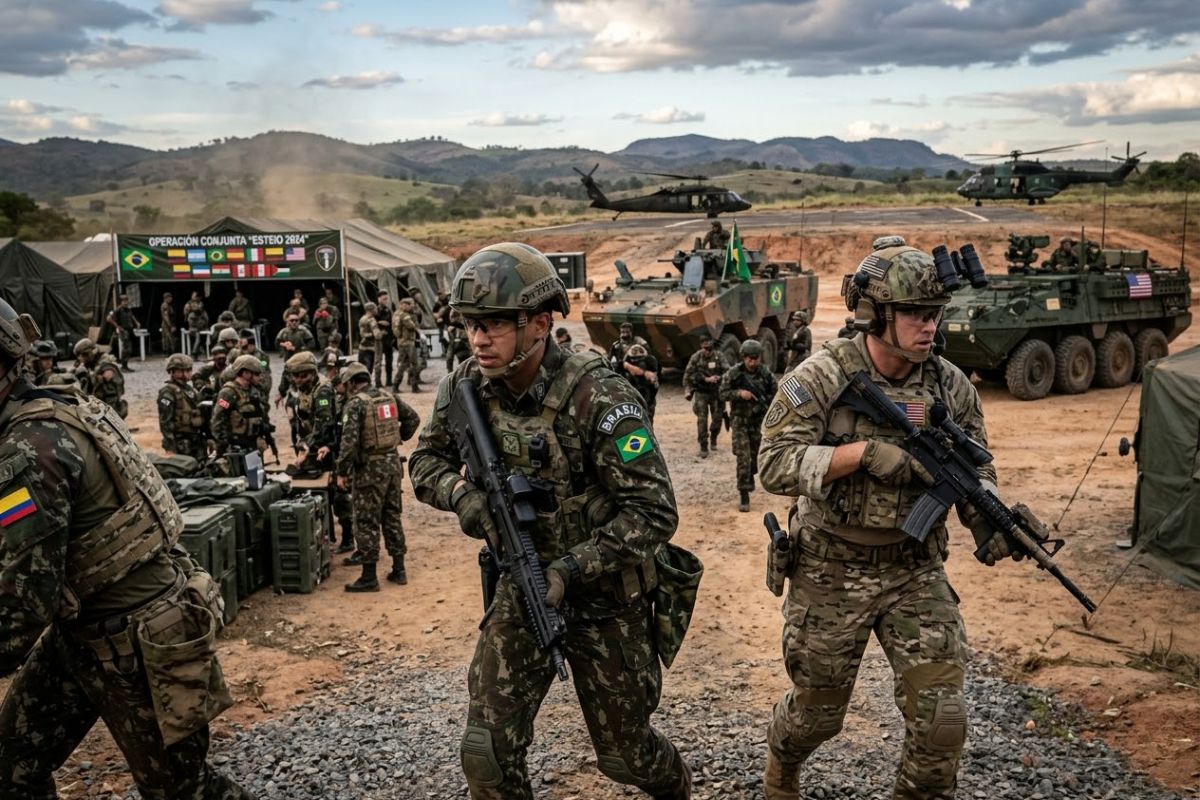
Brazil and the United States Participate in Multinational Military Training with 15 Countries at the Campo Grande Air Base as the Political Debate in Washington Grows About Classifying Brazilian Criminal Gangs as Terrorist Organizations and Expanding International Mechanisms to Combat Transnational Crime in the Americas.
The military training between Brazil and the United States has returned to the center of regional geopolitical debate following the confirmation of a large multinational exercise that will bring together delegations from air forces of 15 countries in the Americas. The operation occurs amid a sensitive moment in diplomatic relations between Brasília and Washington.
While the exercise is officially presented as a humanitarian simulation for natural disaster response, the international political context transforms the military training into an event closely monitored by governments, military officials, and security analysts on the continent.
Operation Brings Together 15 Countries in Multinational Exercise in Brazil
The military training is part of Operation Cooperación XI, a multinational exercise coordinated within the air cooperation framework among countries in the Americas. The planning phase was recently completed last Friday (6), according to information released by the Brazilian Air Force (FAB), and operational activities are scheduled to take place between March 16 and 27.
-
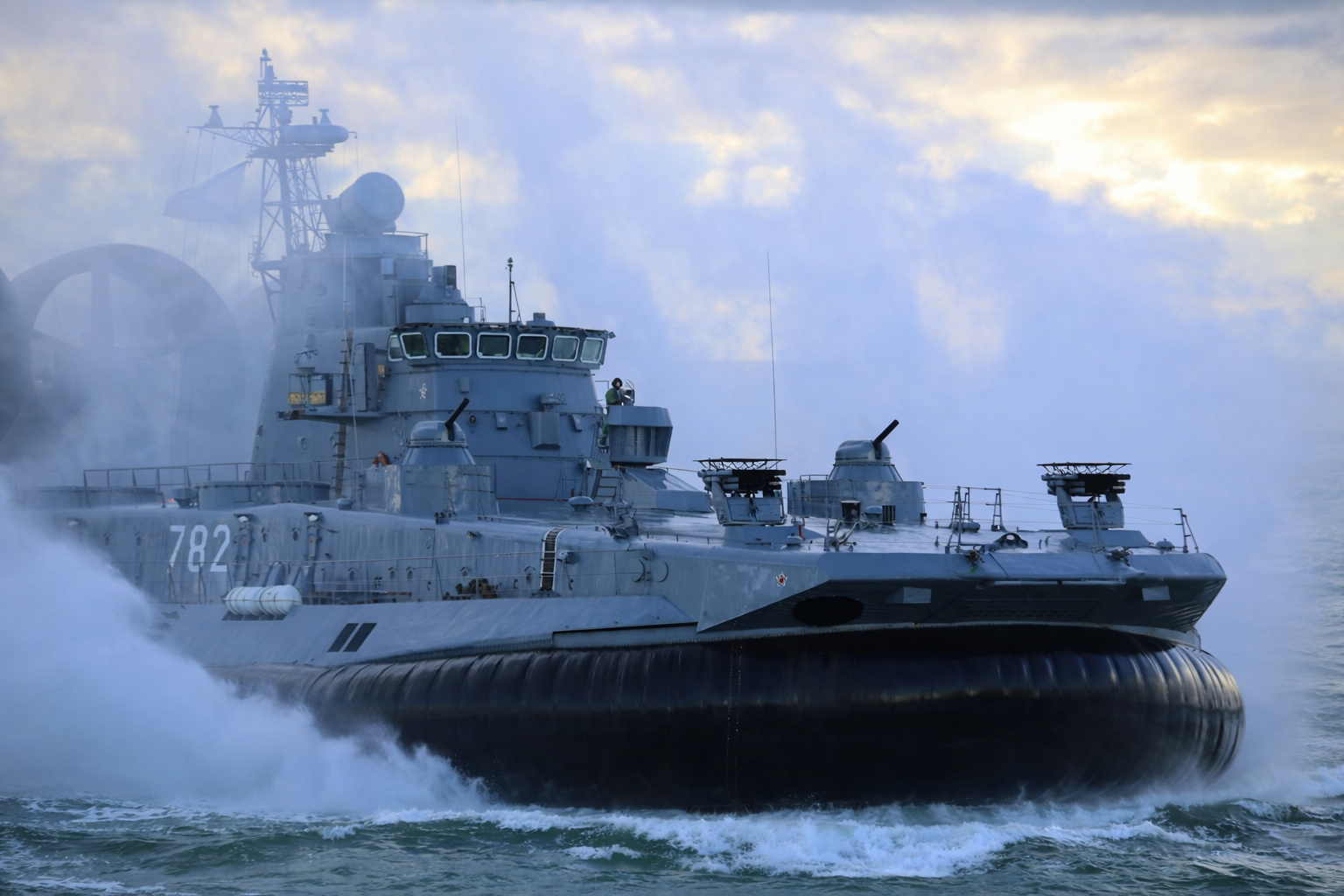
Classified as a “amphibious monster” weighing 555 tons, 57 meters long, and featuring three propellers with a diameter of 5.5 meters, the Zubr is the largest military hovercraft ever built, capable of transporting 3 tanks or 500 soldiers at speeds exceeding 100 km/h over water, ice, and sand, and China has resumed production of it to project power in the South China Sea.
-
The U.S. Army receives the first Black Hawk helicopter that can fly without pilots, be controlled by a tablet, and even land on its own during high-risk missions.

-
With 11,000 tons and sensors capable of hunting submarines at long distances, the Type 055 has become one of the most feared floating arsenals of the Chinese navy.

-
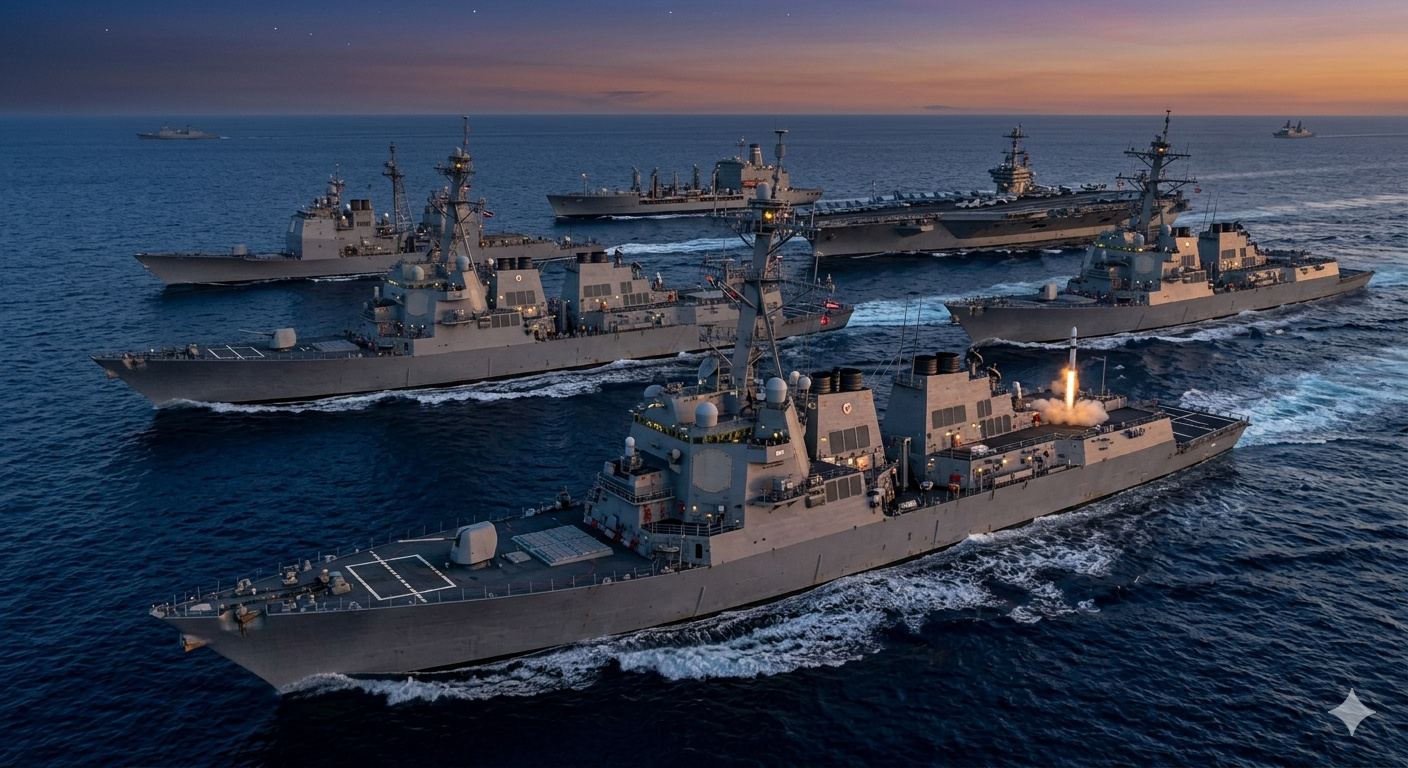
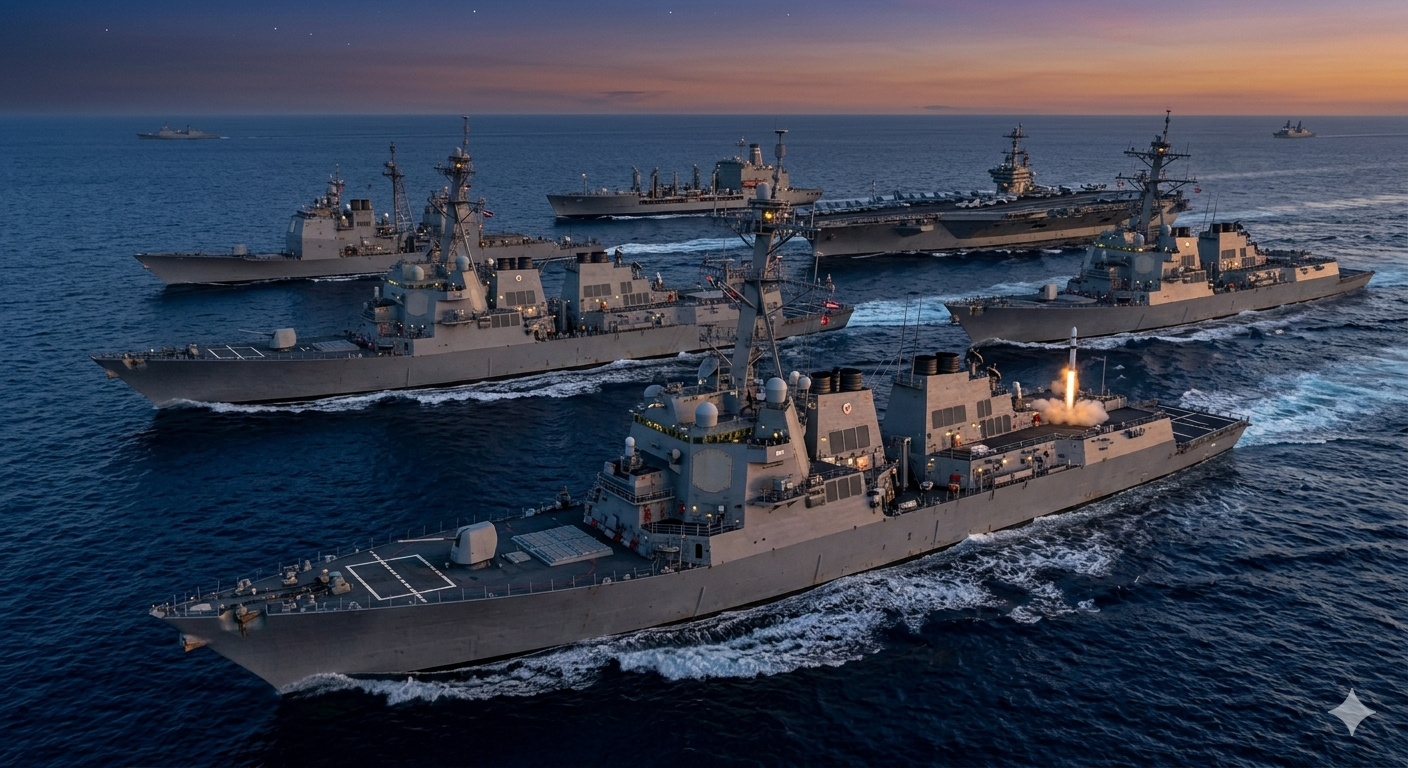
With over 15,000 tons, radars capable of tracking hundreds of targets simultaneously, and more than 120 missiles ready for launch in seconds, modern destroyers cease to be escorts and begin to dominate the naval battlefield.
The maneuvers will occur at the Campo Grande Air Base in Mato Grosso do Sul, gathering military personnel from various air forces across the continent. Delegations from Argentina, Bolivia, Canada, Chile, Colombia, Ecuador, the United States, Honduras, Mexico, Panama, Paraguay, Peru, the Dominican Republic, Uruguay, and Brazil are participating.
The exercise is designed to simulate a large multinational operation for natural disaster response. The central objective of the military training is to develop the capability for joint operations among different countries, especially in scenarios requiring rapid coordination between aircraft, command centers, and rescue teams.
The activities involve shared operational planning, logistical integration, coordinated air missions, and search and rescue operations. The simulation includes situations such as large-scale wildfires and humanitarian assistance actions in areas affected by natural disasters.
Interoperability and Integration Among Air Forces
According to information from the portal ICL Noticias, one of the main focuses of the military training is to test interoperability among the participating air forces. In practice, this means ensuring that different countries can operate in a coordinated manner, even when using distinct equipment, protocols, and communication systems.
During the exercises, pilots, command teams, and operations centers work together to execute complex missions. This type of integration is considered strategic for multinational operations, especially in scenarios involving humanitarian emergencies or international missions.
In addition to operational planning, the exercises include flight coordination simulations, airspace control, command system integration, and real-time information exchange among the different military forces.
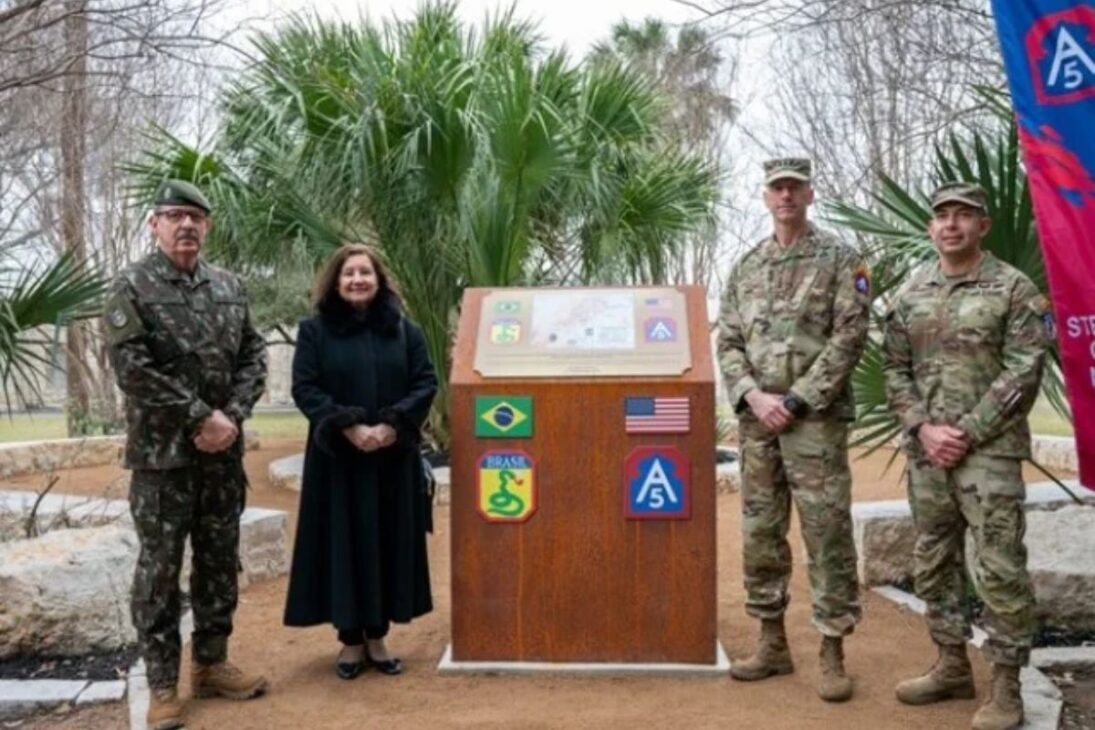
The cooperation between Brazil and the United States in this context is not new. In recent decades, the two countries have regularly participated in joint exercises that include air training, officer exchanges, and integration of operational doctrines.
History of Military Cooperation Between Brazil and the United States
The current military training is part of a broader historical context of cooperation between the Brazilian and U.S. armed forces. Over the years, different bilateral and multinational exercises have been held focusing on peace operations, humanitarian assistance, and combating transnational threats.
Among the most well-known examples is the naval exercise UNITAS, considered one of the largest maritime training exercises in the Americas. The operation brings together naval forces from various countries and includes live-fire exercises, amphibious operations, and naval combat simulations.
Another recent example was Operation CORE, planned as a joint training between the Brazilian Army and the U.S. Army. The exercise was set to gather around 350 military personnel in Pernambuco but was eventually suspended amid diplomatic tensions at that time.
In addition to these initiatives, U.S. military personnel also regularly participate in Operation Formosa, a traditional amphibious exercise of the Brazilian Navy. These trainings are considered essential for standardizing procedures and increasing the capacity for joint operations among different armed forces.
Debate Over Brazilian Gangs Elevates Exercise Sensitivity
The current military training is taking place during a time of increasing political debate in Washington about the possibility of classifying Brazilian criminal gangs as terrorist organizations.
U.S. legislation allows groups classified as Foreign Terrorist Organizations to be targeted for international financial sanctions, asset freezes, and enhanced intelligence cooperation among countries.
If the classification progresses, the legal instruments available to the United States in combating transnational crime would be significantly expanded, including the possibility of broader operations against the structures of these organizations.
However, the Brazilian government has shown strong resistance to this proposal. The assessment in Brasília is that the categorization of gangs as terrorism could open the door for unilateral actions and represent interference in the internal affairs of the country.
Organized Crime and Regional Security Enter the Center of the Discussion
The discussion around terrorism and organized crime has been one of the main points of recent tension between the two countries. In diplomatic circles, there is a growing perception that the issue may be used as a tool for political pressure.
The Brazilian government has sought to expand international cooperation mechanisms to combat transnational organized crime without resorting to classifying gangs as terrorist organizations. The strategy involves strengthening intelligence agreements, police integration, and joint operations among countries.
This context helps explain why the military training occurring in Brazil gains an additional political significance. Although officially directed towards humanitarian scenarios, the exercise takes place at a moment when regional security, drug trafficking combat, and international cooperation are at the center of the debate.
In recent years, military exercises on the continent have addressed themes such as urban operations, peace missions, combating international drug trafficking, and defense system integration.
Diplomatic Relationship Lives a Moment of Strategic Caution
The relationship between Brazil and the United States has gone through different moments in recent years. There have been periods of rapprochement, followed by episodes of diplomatic tension involving issues such as democracy, regional security, and international politics.
Following the Brazilian elections of 2022, the quick recognition of the electoral results by Washington opened the door for a phase of détente in bilateral relations. Diplomatic and military dialogue resumed, and various cooperation channels became operational again.
However, in recent months, the debate on combating organized crime and the classification of Brazilian gangs has reignited divergences between the two governments.
It is within this environment that the new military training is currently taking place in Brazil. Even with the sensitive diplomatic landscape, the exercises indicate that cooperation channels between the armed forces remain active.
A Technical Exercise in the Midst of a Complex Political Scenario
For the military involved, the military training Cooperación XI has clear technical objectives: to improve coordination capacity among countries, enhance command systems, and increase efficiency in multinational missions.
However, for international relations analysts, the exercise also serves as an important indicator of the dynamics of cooperation and tension among countries in the Americas.
The presence of 15 military delegations in Brazilian territory demonstrates that regional cooperation in defense remains considered strategic, even amid sensitive political and diplomatic debates.
In the short term, the exercise may help strengthen coordination mechanisms among air forces on the continent. In the long term, it also reflects the geopolitical challenges involving regional security, organized crime, and national sovereignty.
The military training between Brazil, the United States, and other countries in the Americas occurs precisely at a moment when international security, organized crime, and diplomacy are becoming increasingly interconnected.
In your opinion, should military cooperation among countries in the continent be expanded to face transnational threats, or could this type of rapprochement generate new political tensions in the region? Share your analysis and join the discussion.









Seja o primeiro a reagir!