





 Portuguese
  English
  Spanish
  5 min of reading
  0 comments


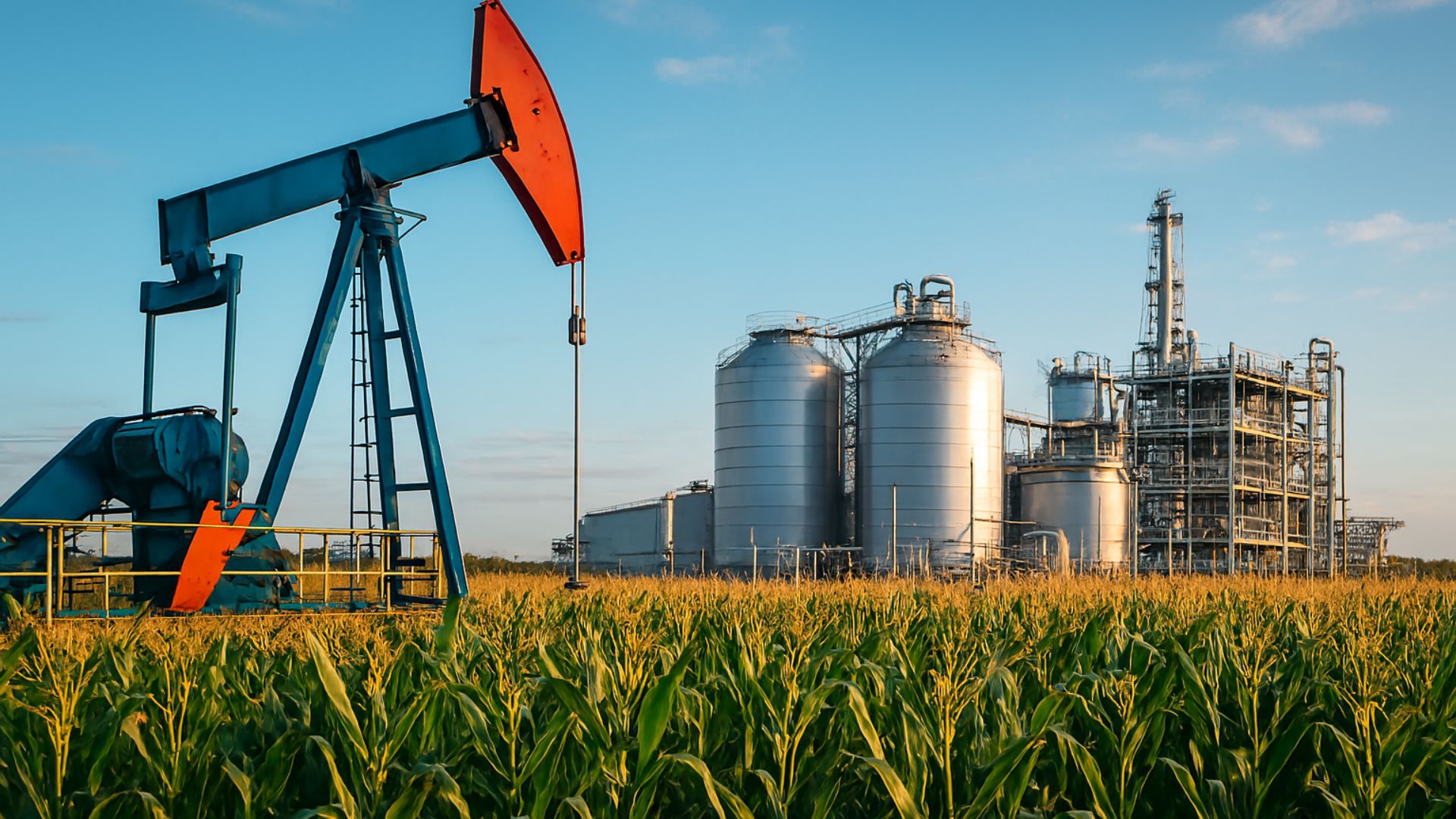
Brazil Expands Relations With Indonesia to Boost Projects in Oil, Natural Gas and Biofuels, Focusing on Ethanol, Aiming to Attract Investments, Strengthen the MME and Accelerate the National Energy Transition
On Thursday (23), the Ministry of Mines and Energy (MME) announced a strategic partnership between Brazil and Indonesia, focusing on oil, natural gas and biofuels. The agreement was signed during the official visit of President Luiz Inácio Lula da Silva and Minister Alexandre Silveira to Asia and aims to attract Indonesian investments to the ethanol sector, as well as accelerate the decarbonization of the Brazilian energy matrix.
Brazil and Indonesia: Energy Alliance for the Future
International cooperation marks a new chapter in Brazilian energy diplomacy, reinforcing the commitment to sustainability and technological innovation.
The signing of the agreement between the MME and the Indonesian Ministry of Energy and Mineral Resources represents a significant advancement in bilateral cooperation. The initiative includes:
-
A major turn in the Justice system suspends tax increases and directly impacts oil and gas companies in Brazil by affecting costs, contracts, and financial planning, leaving uncertain what could happen to the sector if these costs had increased.

-
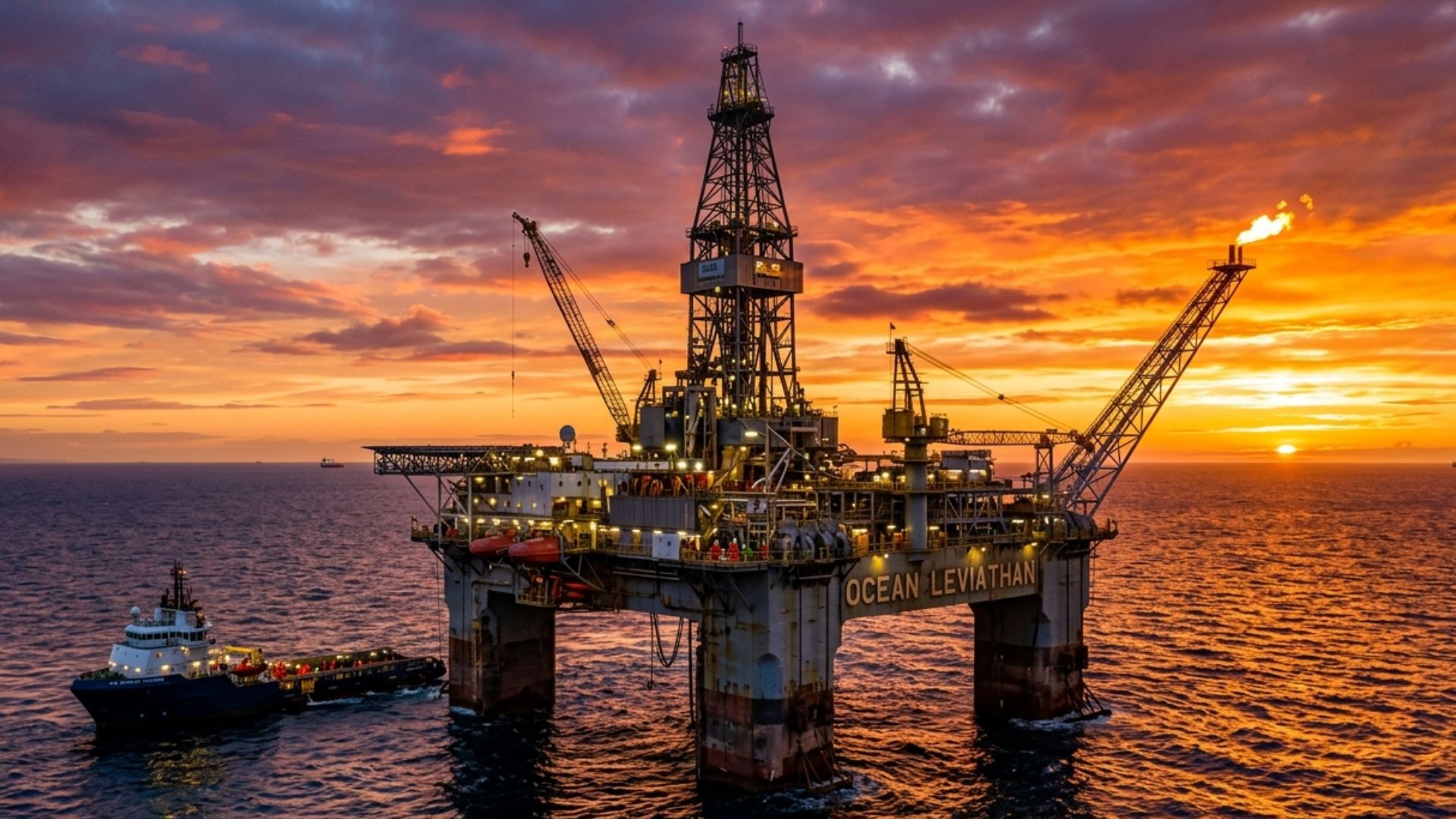
Brava Energia begins drilling in Papa-Terra and Atlanta and could change the game by reducing costs in oil while increasing production and strengthening competitiveness in the offshore market.
-
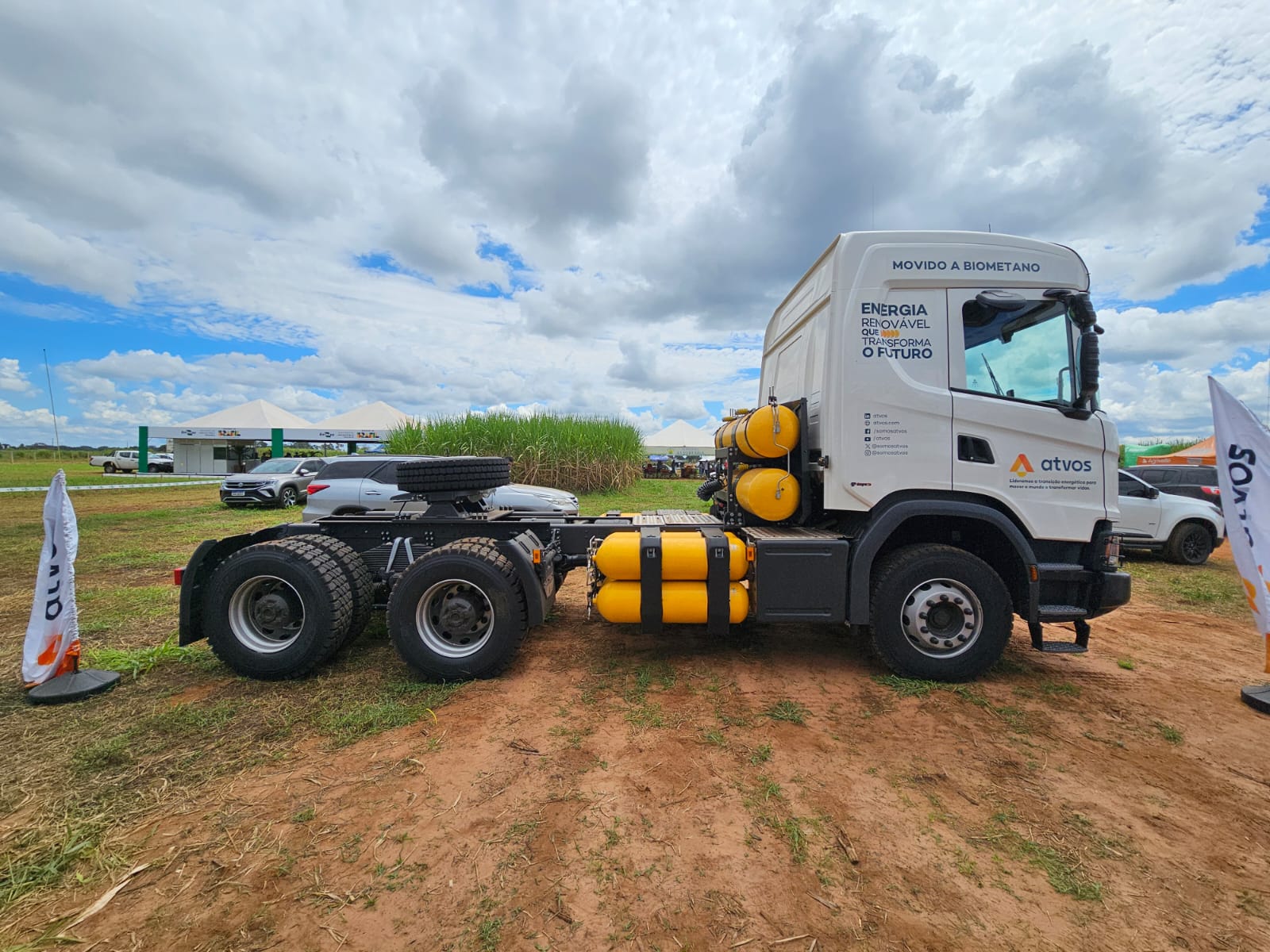
Revolution in public transport: Goiânia puts into circulation the first articulated buses powered by biomethane in Brazil and promises to drastically reduce pollution on the Anhanguera Corridor.

-
From the field to the pipelines: Mato Grosso do Sul accelerates the energy transition and consolidates a new axis in renewable energy with the arrival of a giant biogas plant.

- Joint exploration of oil and natural gas
- Investments in biofuels, with a focus on ethanol
- Technology transfer for decarbonization
According to Minister Alexandre Silveira, Brazil is committed to strengthening its energy security and increasing the share of renewable sources in the national matrix. Indonesia, in turn, seeks alternatives to intensive coal and oil use, making the agreement strategic for both countries.
MME Partnership: Ethanol as the Engine of the Energy Transition
Ethanol is a key piece in the Brazilian energy transition. Brazil is the second largest producer in the world, behind only the United States. In 2024, more than 30 billion liters were produced, especially in the states of São Paulo, Goiás and Mato Grosso.
Indonesia, facing environmental challenges and seeking to reduce its dependence on fossil fuels, sees the Brazilian model as an opportunity to replicate good practices. The Asian country intends to adapt Brazilian technology for ethanol production from local biomass, such as palm oil and agricultural residues.
This cooperation may stimulate the creation of biofuel industrial hubs in Asia, based on Brazilian know-how, promoting innovation and sustainability.
Natural Gas and Oil: Pillars of Energy Security
Although the focus is on clean energy, oil and natural gas remain essential to ensure energy security. Brazil has significant reserves in the pre-salt, while Indonesia is one of the largest producers in Southeast Asia.
The agreement provides for:
- Sharing best practices in offshore exploration
- Joint studies on energy efficiency
- Opening markets for Brazilian and Indonesian companies
According to the Brazilian Institute of Petroleum and Gas (IBP), Brazil has the potential to expand its exploration frontiers, especially given the geopolitical tensions affecting the global market. The partnership with Indonesia could facilitate access to new technologies and consumer markets.
Biofuels and Decarbonization of the Energy Matrix
Decarbonization is a priority for Brazil and Indonesia. Both countries face climate challenges and are committed to emission reduction targets by 2030, aligned with the Paris Agreement.
The partnership includes:
- Research projects in advanced biofuels
- Environmental certification initiatives
- Technical training and exchange of specialists
According to the Intergovernmental Panel on Climate Change (IPCC), the transport sector is responsible for about 25% of global CO₂ emissions. The use of ethanol and biodiesel can reduce these emissions by up to 70%, making biofuels an effective solution for the energy transition.
Additionally, Brazil already has established programs like RenovaBio, which encourages the sustainable production of renewable fuels. Indonesia intends to adopt similar models, with Brazilian technical and institutional support.
Role of the MME in International Coordination
The MME plays a central role in Brazilian energy diplomacy. Minister Alexandre Silveira’s actions in Asia reinforce the government’s commitment to energy transition and attracting foreign investments.
During the official visit, Brazil also engaged in discussions with authorities about cooperation in mining and renewable energies. The strategy is to position the country as a global leader in green fuels, especially in aviation and shipping.
The MME has been coordinating partnerships with several countries, promoting the exchange of technologies and best practices. This effort strengthens Brazil’s image as a reference in clean energy and innovation.
Economic and Environmental Impacts of the Brazil–Indonesia Partnership
The benefits of the partnership are multiple and strategic:
- Creation of qualified jobs in the energy sector
- Strengthening the national biofuels industry
- Reduction of carbon footprint in the energy matrix
- Diversification of markets for ethanol export
- Stimulus to technological innovation and applied research
Besides the environmental impacts, the cooperation can boost sustainable economic growth. Brazil will be able to increase its presence in the Asian market, while Indonesia will gain access to clean and efficient technologies.
Brazilian energy companies have already expressed interest in expanding their operations in Asia. The partnership could facilitate investments and bilateral trade agreements.
MME Initiative: Ethanol and Biofuels as a Global Solution
Brazilian ethanol is internationally recognized for its efficiency and sustainability. Produced from sugarcane, the fuel has low greenhouse gas emissions and high energy yield.
Indonesia, which has vast agricultural areas, can adapt the Brazilian model to its reality, using local raw materials. This adaptation can generate jobs, reduce dependence on fossil fuels, and promote regional development.
Furthermore, the use of biofuels in aviation and shipping is a global trend. Brazil is already participating in international initiatives to develop sustainable fuels for these sectors, and the partnership with Indonesia could accelerate these projects.
Energy as a Bridge for Development Between Brazil and Indonesia
The partnership between Brazil and Indonesia represents a strategic alliance focused on sustainable development. By joining efforts in oil, natural gas, biofuels and ethanol, the countries move towards a cleaner, safer, and more efficient energy matrix.
The leadership of the MME and mutual interest in innovation reinforce the importance of energy diplomacy as a transformative tool. With investments, technology transfer, and scientific cooperation, Brazil and Indonesia can lead the global energy transition, promoting economic growth and environmental preservation.









Seja o primeiro a reagir!