





 Portuguese
  English
  Spanish
  5 min of reading
  1 comment


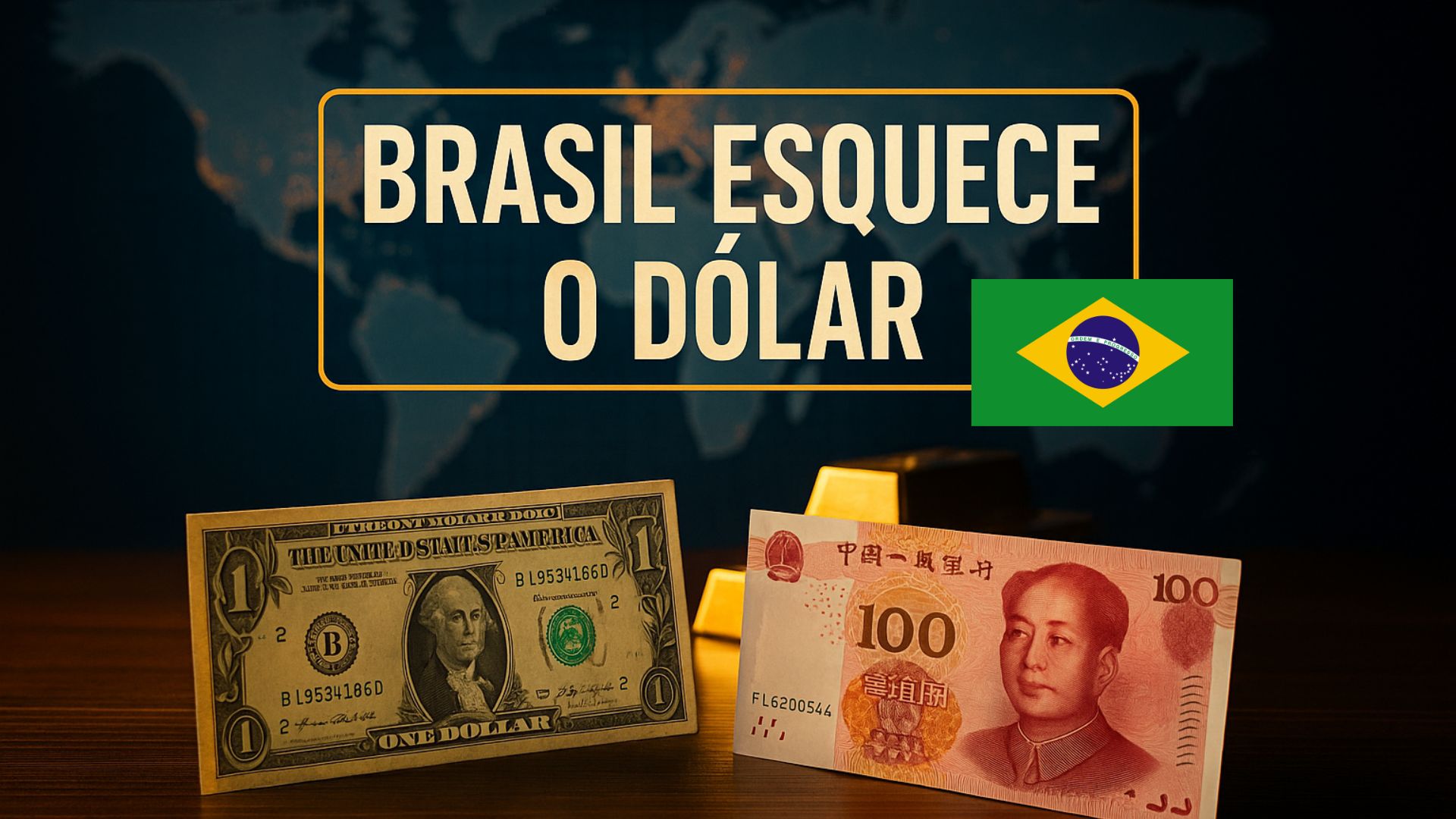


The Advance of the Yuan and the Return of Gold to Brazilian Reserves Reflect the Change in the Global Monetary Scenario, with Central Banks Seeking Alternatives to the Dollar in Light of Increasing Fiscal and Geopolitical Tensions.
Brazil has reduced the share of the dollar in its international reserves by 12 percentage points over the past seven years and increased its exposure to gold and yuan.
As of December 2024, the dollar accounted for 78.45% of the total, down from 89.93% in 2018, while gold jumped from 0.75% to 3.55% and the yuan reached 5.31%, surpassing the euro (5.23%), according to the Central Bank’s Reserve Management Report.
The first purchase of assets in renminbi occurred in 2019, when the Chinese currency began to represent 1.10% of the portfolio.
-
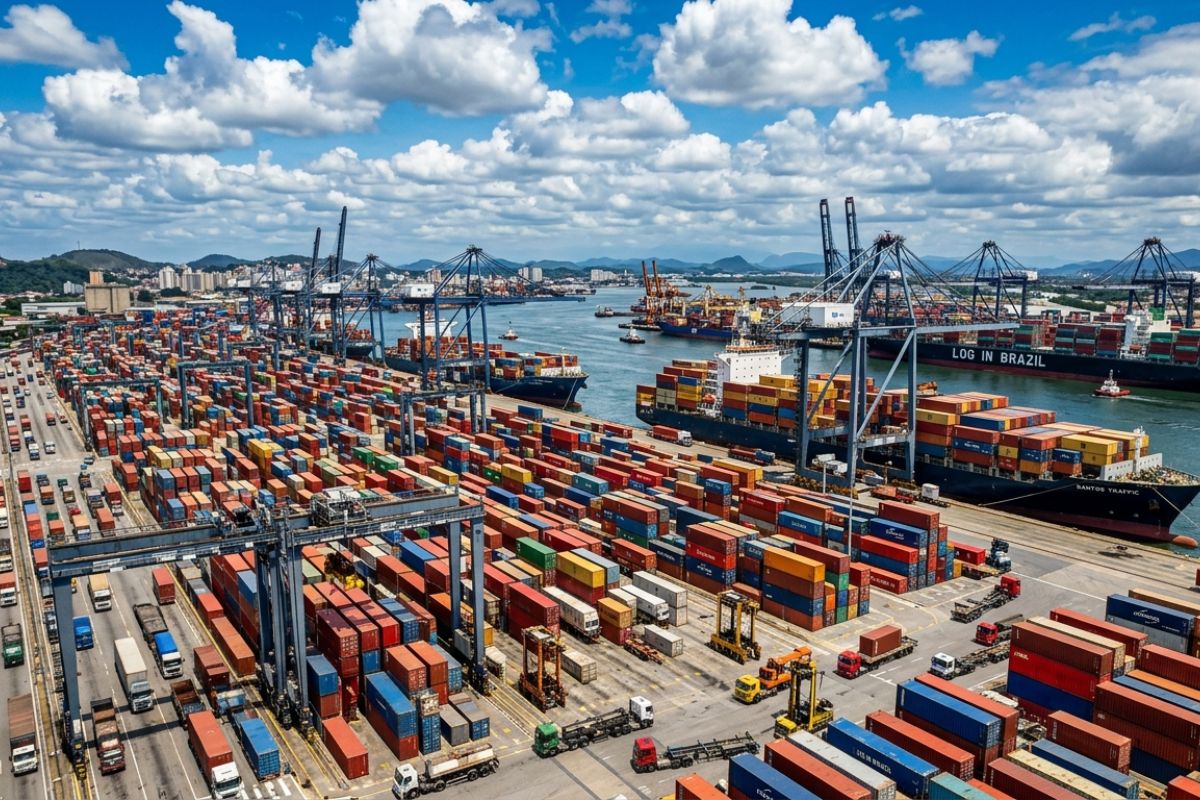
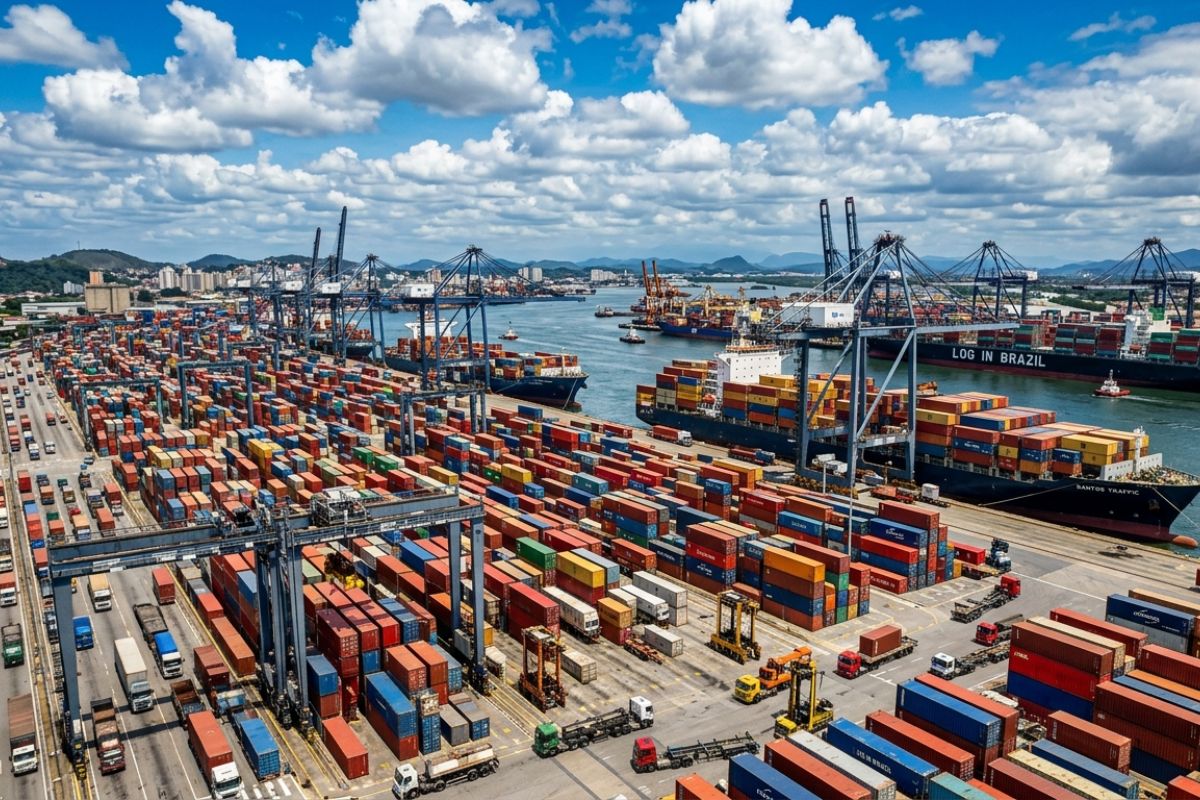
Ports like Santos and Paranaguá are operating at their limits and may block containers as early as 2030, warns a study by Macroinfra; bottlenecks increase costs and delays and push cargo to Rio, Salvador, Pecém, and Suape across Brazil.
-
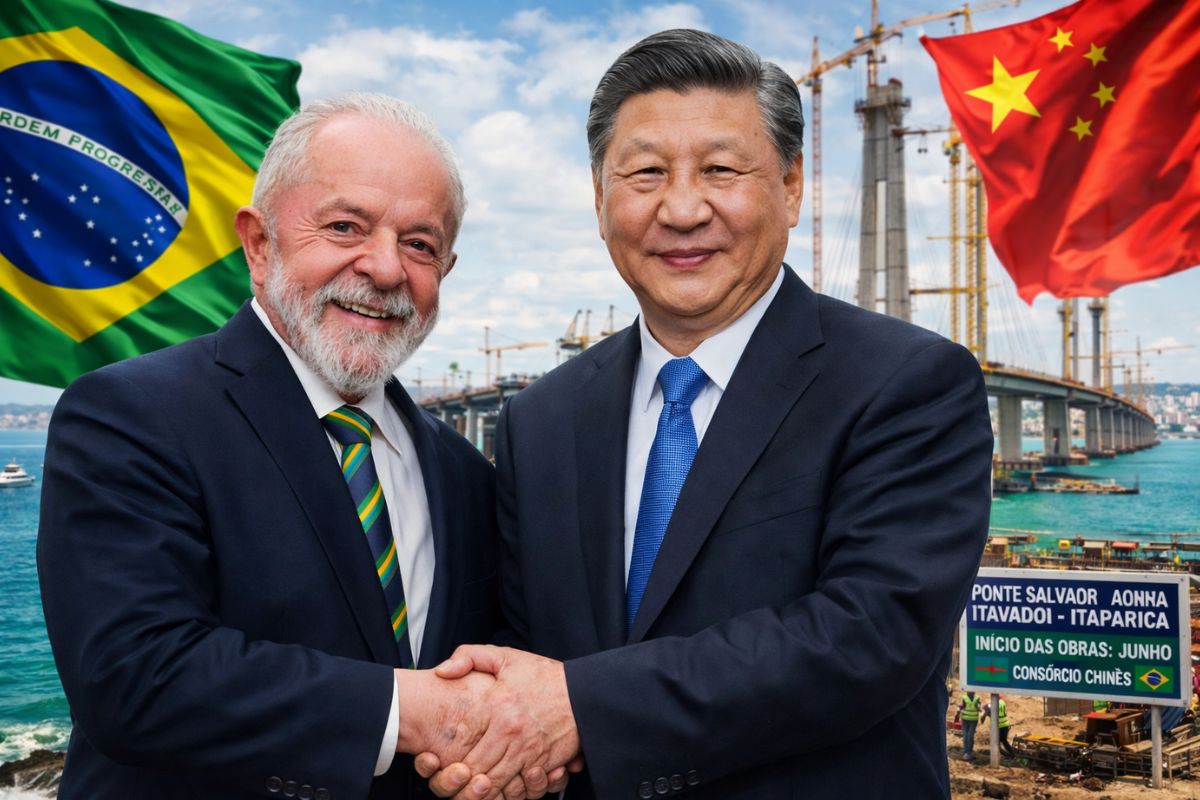
Lula reveals in an interview that he asked President Xi Jinping three times to invest in a major project in Brazil, the Salvador-Itaparica bridge, which is set to begin in June with the participation of a Chinese consortium and is expected to be extraordinary, according to the president.
-
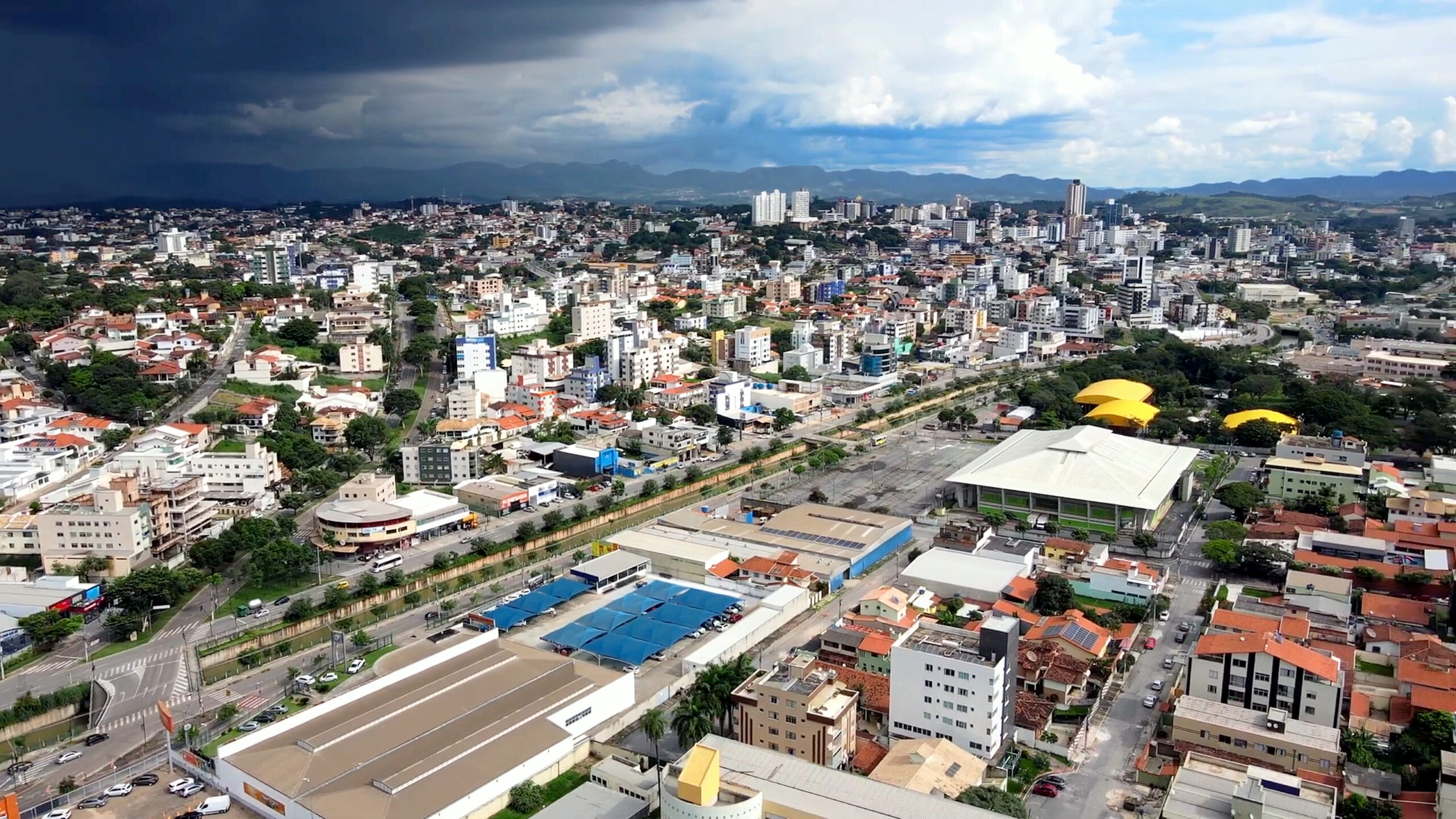
Neighboring city of Belo Horizonte has properties starting at R$ 139,000 with 90 m² and a price per square meter much lower than the capital, even concentrating automotive, petrochemical, and logistics hubs.
-
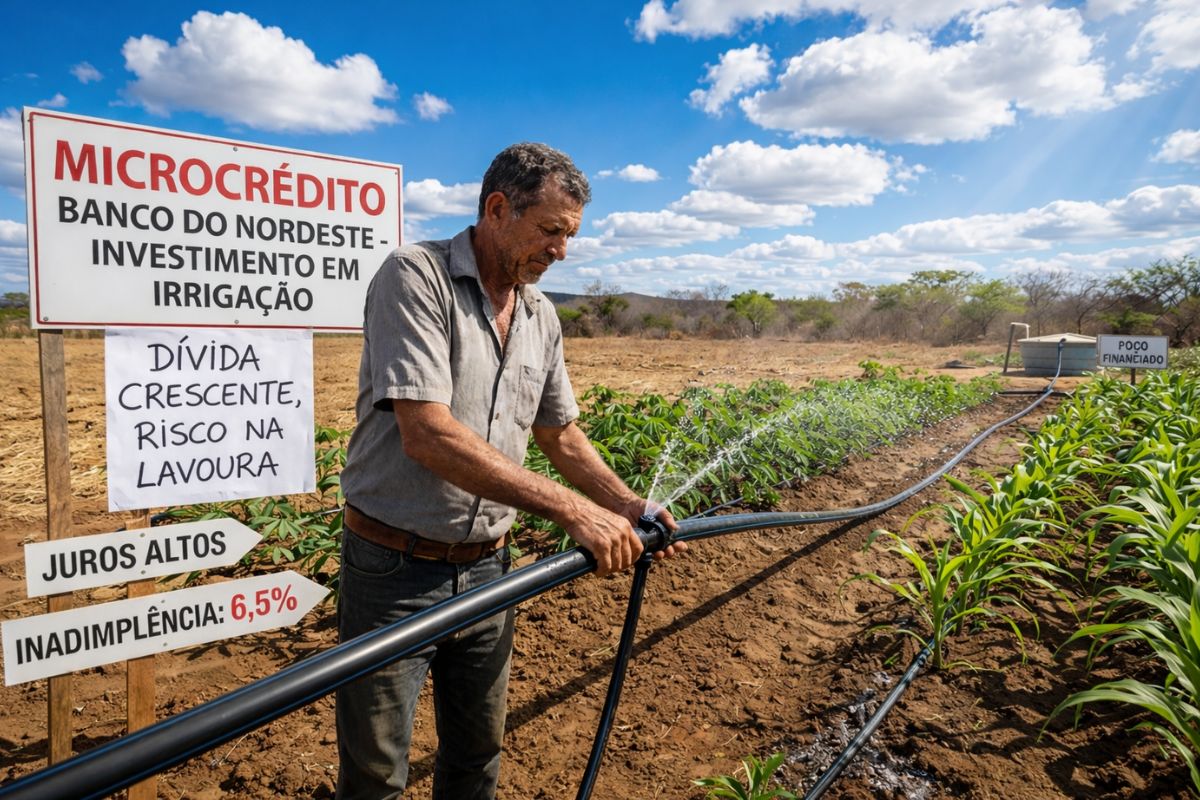
Drought in northern Bahia forces family farmers to invest in expensive irrigation and seek microcredit from Banco do Nordeste; with high interest rates and a default rate of 6.5%, the debt becomes a threat to the crops.

Diversification of Reserves and US Fiscal Risks
Brazil’s shift aligns with the reconfiguration of the international environment.
With the US gross debt hovering around approximately 125% of GDP and persistent deficits, authorities and managers are discussing the risks of financial repression in the long term — a scenario where real interest rates are likely to remain subdued to alleviate the debt burden.
Against this backdrop, US fixed income has alternated between rallies and sharp declines.
According to Danillo Uliana, an analyst at WeSearch, “US fixed income is undergoing an unusual bear market: the TLT ETF has dropped roughly 50% since its peak in 2020 and remains volatile in 2025”.
This reference is consistent with the performance of the iShares 20+ Year Treasury Bond, which is still traded well below its 2020 levels.
Gold on the Rise and the Effect of International Sanctions
The increasing militarization of the dollar — with sanctions and the freezing of reserves of countries in geopolitical disputes — is also influencing decisions.
The blockade of Russian assets, estimated at around US$ 300 billion in the West, has raised alarms in economies seeking to reduce vulnerabilities to unilateral measures.
In this context, gold has gained prominence.
In 2024, the European Central Bank reported that the metal accounted for 20% of the total official reserves worldwide, surpassing the share of the euro (16%) and trailing only the dollar, which stands at around 46%.
Official demand remains strong in 2025.
In the 1st quarter, central banks purchased a net of 244 tons; Poland led the acquisitions during this period, and China continued to buy on a recurring basis.
Driven by this movement and a weaker dollar, gold has been breaking records in 2025, with a year-to-date increase of over 40% and prices exceeding US$ 3,800/oz in September.
Meanwhile, the DXY fell more than 10% in the first half, marking the worst initial half since 1973.
Global Desdollarization Advances, but Dollar Hegemony Resists
Diversification is global, but it does not imply an immediate break.
Uliana assesses that “the global share of the dollar remains robust, despite subtle erosion (‘stealth erosion’)”, which is diluting space in favor of regional and emerging currencies.
Data from the IMF/COFER show that, considering only currency reserves, the dollar still accounts for around 56%–58% in 2024–2025; the euro hovers around 20%–21% and the yuan stays just above 2%.
When gold at market prices is included, the picture changes: the metal gains relative weight, and the fraction of the dollar in total reserve assets decreases, which helps explain the search for more balanced portfolios by various central banks.
Yuan Gains Ground, but Faces Structural Barriers
The expanded BRICS is discussing settlement arrangements in local currencies and even a common currency for trade and investment.
In practice, however, the use of yuan in international payments measured by SWIFT fluctuated between 2%–3% in mid-2025 — an advance, but still distant from major peers.
In June, its share reached 2.88%, placing the currency in 6th position.
Nonetheless, Chinese infrastructure continues to grow: the CIPS system for cross-border payments in renminbi expanded volumes in 2024 and is continuing to grow, signaling a medium-term agenda to reduce dependence on traditional networks.
Even with these initiatives, the operational hegemony of the dollar persists.
In April 2025, the American currency accounted for 89% of all operations in the foreign exchange market, according to the BIS, reinforcing the dollar’s role as a global medium of exchange.
Crypto Assets and the Role of Bitcoin in Reserves
Crypto assets remain off the radar for most central banks as reserve assets.
In Brazil, the Central Bank and the Ministry of Finance have been opposed to including Bitcoin in reserves due to volatility and management risks, despite legislative discussions about a “strategic reserve” in Congress.
In the United States, the Trump administration approved the GENIUS Act, which establishes a federal framework for stablecoins backed 100% by dollars or short-term Treasury securities, with monthly disclosures of reserves.
The White House argues that the measure reinforces demand for Treasuries and, consequently, the centrality of the dollar.
Moreover, an executive order established a strategic reserve of Bitcoin using already seized assets, without, however, making it a traditional reserve currency asset.
According to Uliana, the rise of stablecoins is likely to have distinct effects: in developed economies, the focus remains on financial innovation; in emerging economies, they gain traction as liquidity access instruments and currency protection, potentially “reshaping local flows while simultaneously reinforcing the centrality of digital dollars.”
Impacts and Next Steps for Brazil
In the short term, Brazil’s strategy of expanding gold and yuan alongside a portfolio still predominantly in dollars signals prudence combined with tactical diversification.
The weight of the dollar remains dominant in the portfolio, but recent experiences — sanctions, interest rate shocks, and Treasury volatility — support the idea of more resilient stocks against credit, market, and geopolitical risks.
Meanwhile, the discussion about a more fragmented and multipolar monetary system is intensifying, with gold regaining global prominence, yuan advancing on its own paths, and stablecoins emerging as pieces of the puzzle.
What will be the next step of the Brazilian Central Bank in composing reserves to balance security, liquidity, and return?







Melhor coisa a se fazer. Ouro é Ouro.