





 Portuguese
  English
  Spanish
  3 min of reading
  0 comments



OPEC Report Highlights Brazil As Leader In Oil Production Outside The Cartel, With Economic Growth And Fiscal Challenges In 2025.
The latest OPEC (Organization of the Petroleum Exporting Countries) report, released on Wednesday (14), placed Brazil among the main players in the growth of the global oil supply.
The analysis recognizes the country as one of the main forces of production expansion, alongside countries like the United States, Argentina, and Canada. Although Brazil is not yet a member of OPEC+, its relevance in the sector is growing.
In February of this year, the Brazilian government signed a letter of cooperation among producing countries, which allows it to follow the group’s technical decisions and contribute with suggestions focused on energy transition.
-
A major turn in the Justice system suspends tax increases and directly impacts oil and gas companies in Brazil by affecting costs, contracts, and financial planning, leaving uncertain what could happen to the sector if these costs had increased.

-
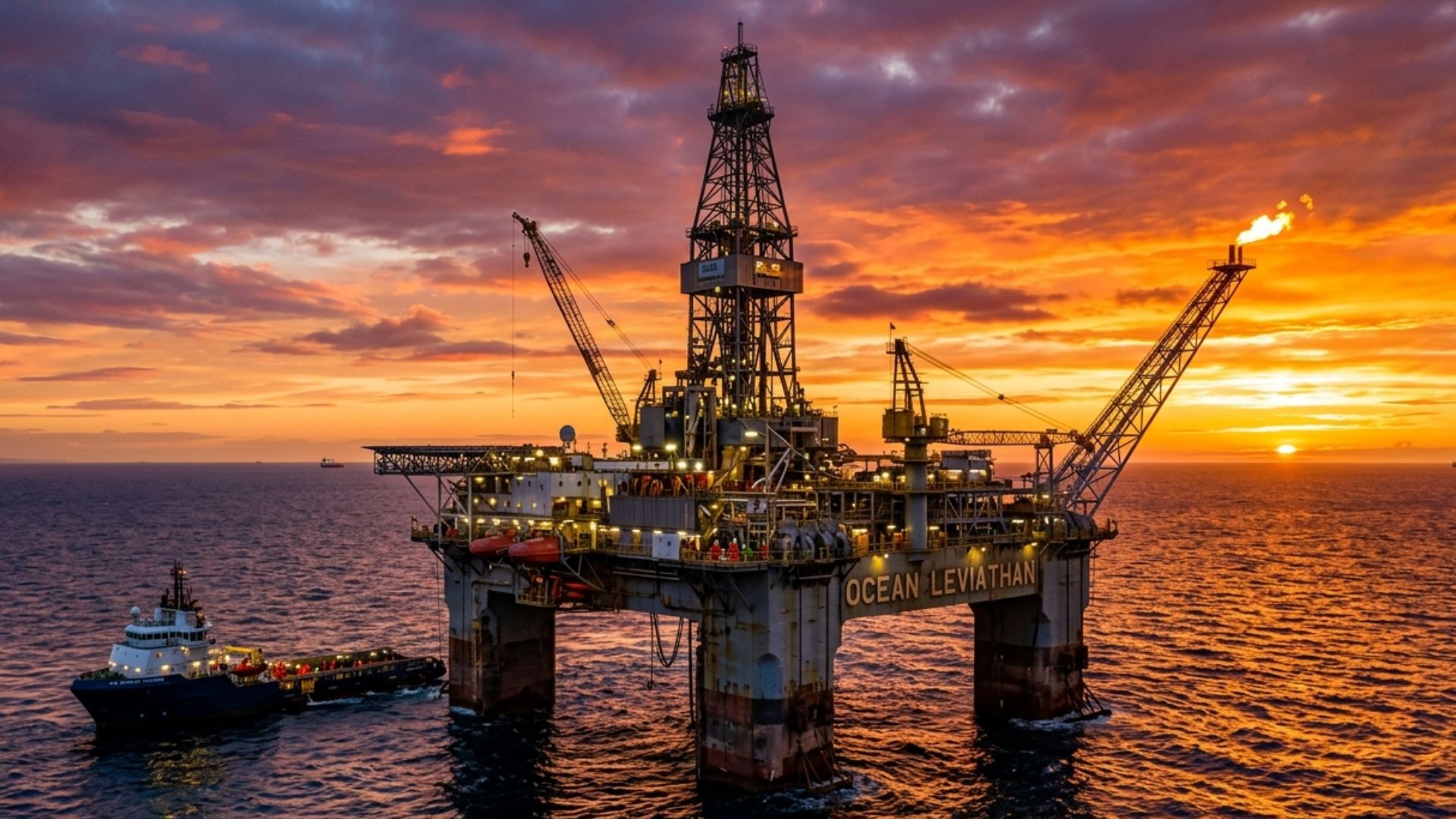
Brava Energia begins drilling in Papa-Terra and Atlanta and could change the game by reducing costs in oil while increasing production and strengthening competitiveness in the offshore market.
-
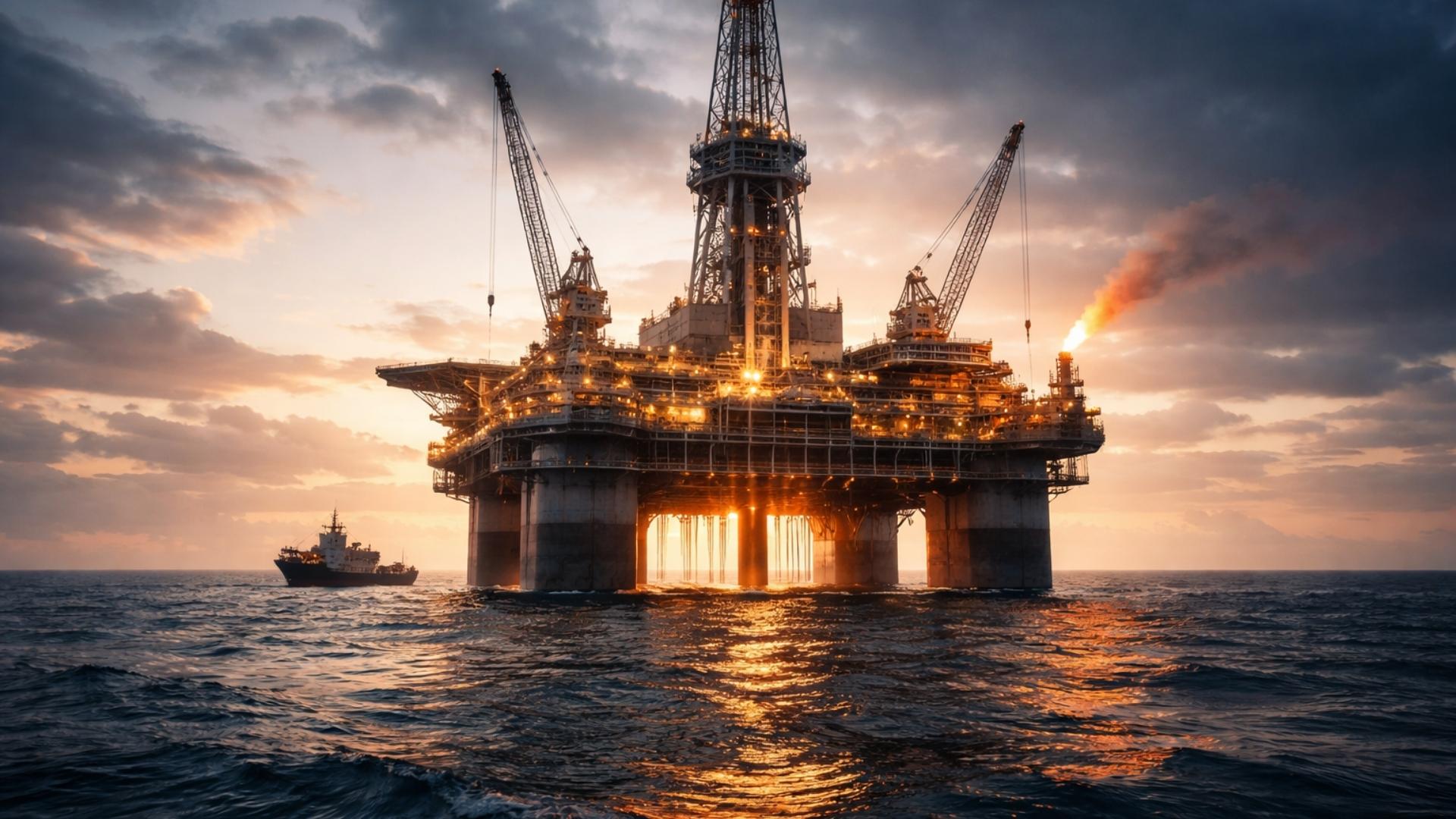
Petrobras surprises the world again by announcing a new discovery in the pre-salt with excellent quality oil.
-
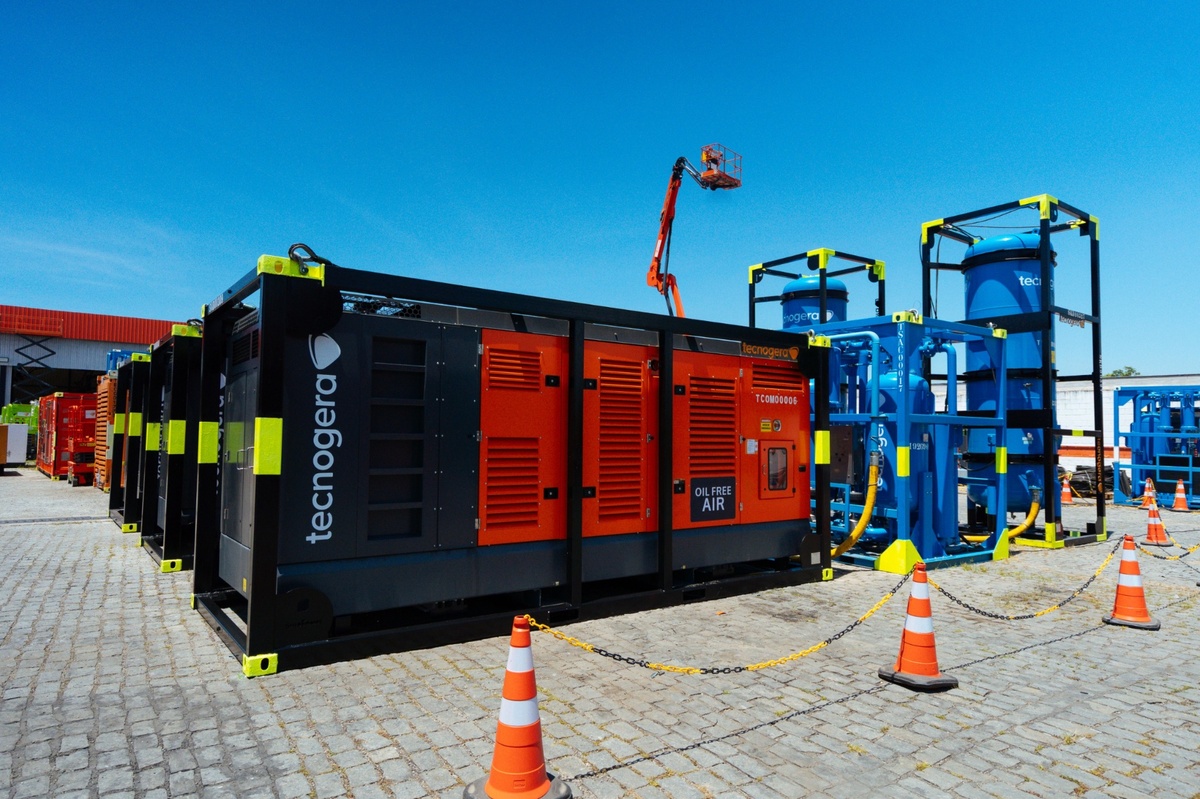
Offshore industrial demand in Macaé skyrockets with the recovery of oil and gas and could grow by up to 396% by 2026 in the Campos Basin.

However, this participation does not imply formal adherence to the organization.
Economic Expansion Drives Brazilian Prominence
The document highlights that Brazil’s economic performance in 2024 strengthened its position among the largest oil producers.
The country recorded a growth of 4% in the third quarter and 3.6% in the fourth, which favored the increase in domestic oil supply.
OPEC, however, expects a slowdown in the growth rate in 2025, with projections of 2.5% in the first quarter and 2.2% in the second half of the year.
This advance is attributed, largely, to the strength of the commodities sector, where oil occupies a central role.
The report reinforces that Brazilian performance helps to balance global supply, particularly outside the core of cartel member countries.
Limited Effects of U.S. Tariffs on Brazilian Oil
Another point addressed by OPEC was the recent tariff policy of the United States, under the leadership of President Donald Trump.
Despite the imposition of a 10% tariff on Brazilian exports, the impact on the national economy was considered low.
The report notes that shipments to the U.S. represent less than 2% of Brazil’s GDP, in addition to benefiting from specific exemptions for fuels and minerals.
The organization also mentions that tariffs above this percentage have been frozen, further reducing potential negative effects for Brazil.
Inflation Outside The Target And Fiscal Scenario Challenge The Country
Despite advancements, OPEC draws attention to the obstacles faced by the Brazilian economy.
The country is dealing with high real interest rates, a slow fiscal adjustment, and a public debt that exceeds 70% of Gross Domestic Product (GDP).
These factors raise concerns about the sustainability of public finances in the medium and long term.
Inflation, which reached 5.53% in April, is also outside the target range set by the Central Bank (between 1.5% and 4.5%).
This was the seventh consecutive month in which the official index exceeded the ceiling of the target, which could put further pressure on monetary policy.
Global Demand For Oil Remains Stable
Finally, the report maintained previous projections regarding global oil demand for 2025.
OPEC’s estimate is a growth of 1.3 million barrels per day (bpd), a number that reinforces the importance of new producing hubs, like Brazil, in the stability of the global energy market.









Seja o primeiro a reagir!