





 Portuguese
  English
  Spanish
  3 min of reading
  1 comment


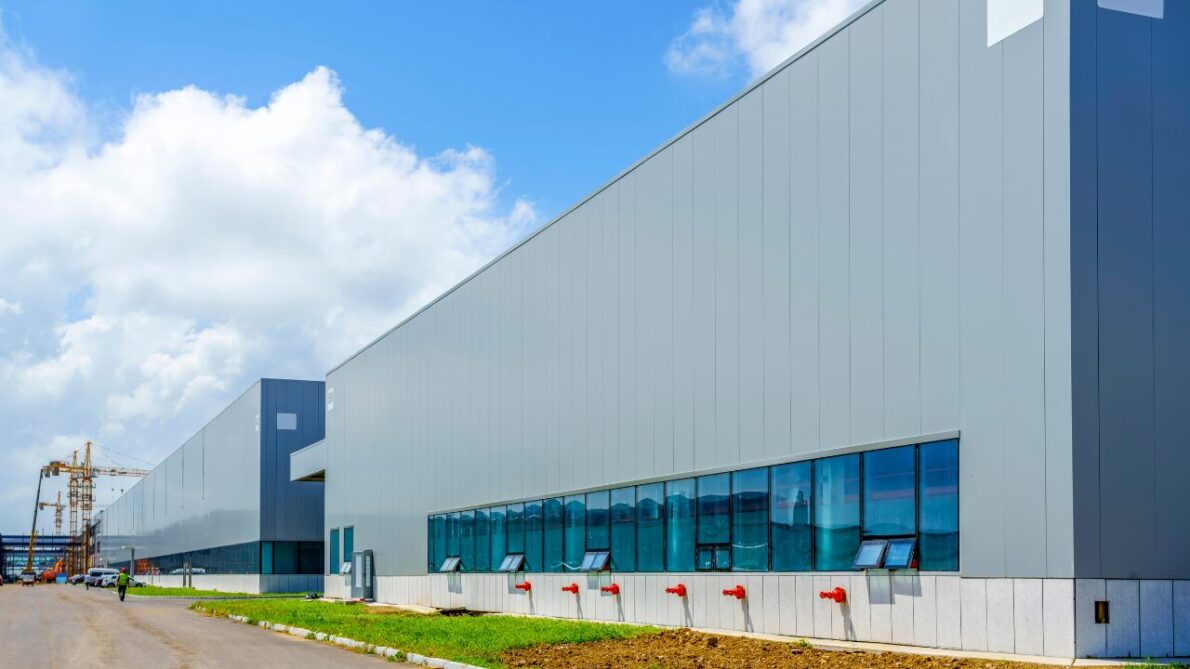

TP-Link Inaugurates Factory in Joinville to Produce WiFi 7, Creating One Thousand Jobs and Serving the Brazilian and Latin American Market.
TP-Link, a well-known network equipment manufacturer, is about to take an important step in its trajectory in Brazil. In November, the company will inaugurate a new factory in Joinville, Santa Catarina. This investment represents a significant milestone for the brand, which has been in the Brazilian market for a decade, and aims to serve both the national and Latin American markets. The new production unit will have a considerable impact, including the creation of approximately one thousand new jobs.
Objective of TP-Link’s New Factory
TP-Link’s decision to establish a factory in Brazil is linked to the need to reduce the cost of its products in the local market.
Philipe Augusto Pereira, the company’s New Business Development Manager, explained that domestic production will allow for the provision of more affordable equipment compared to imported ones.
-
Historic bankruptcy of Centauro shocks the market, and the century-old company puts more than 500,000 products, machines, and complete infrastructure up for online auction.

-
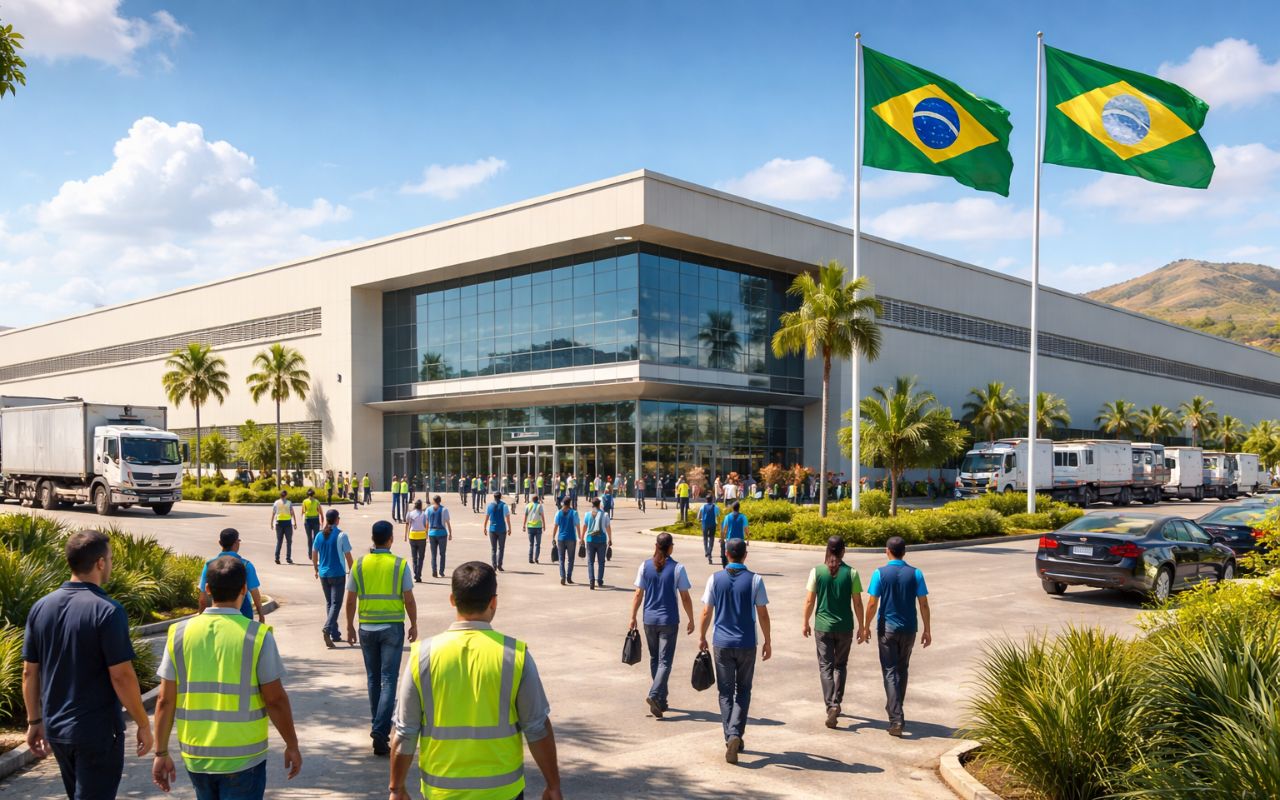
New shoe factory in Ceará is expected to create 400 jobs and strengthen the local economy.
-
No one imagined it, but a mixture of sawdust with a mineral that fights fires surprises scientists with a result that changes the course of fire-resistant construction.

-
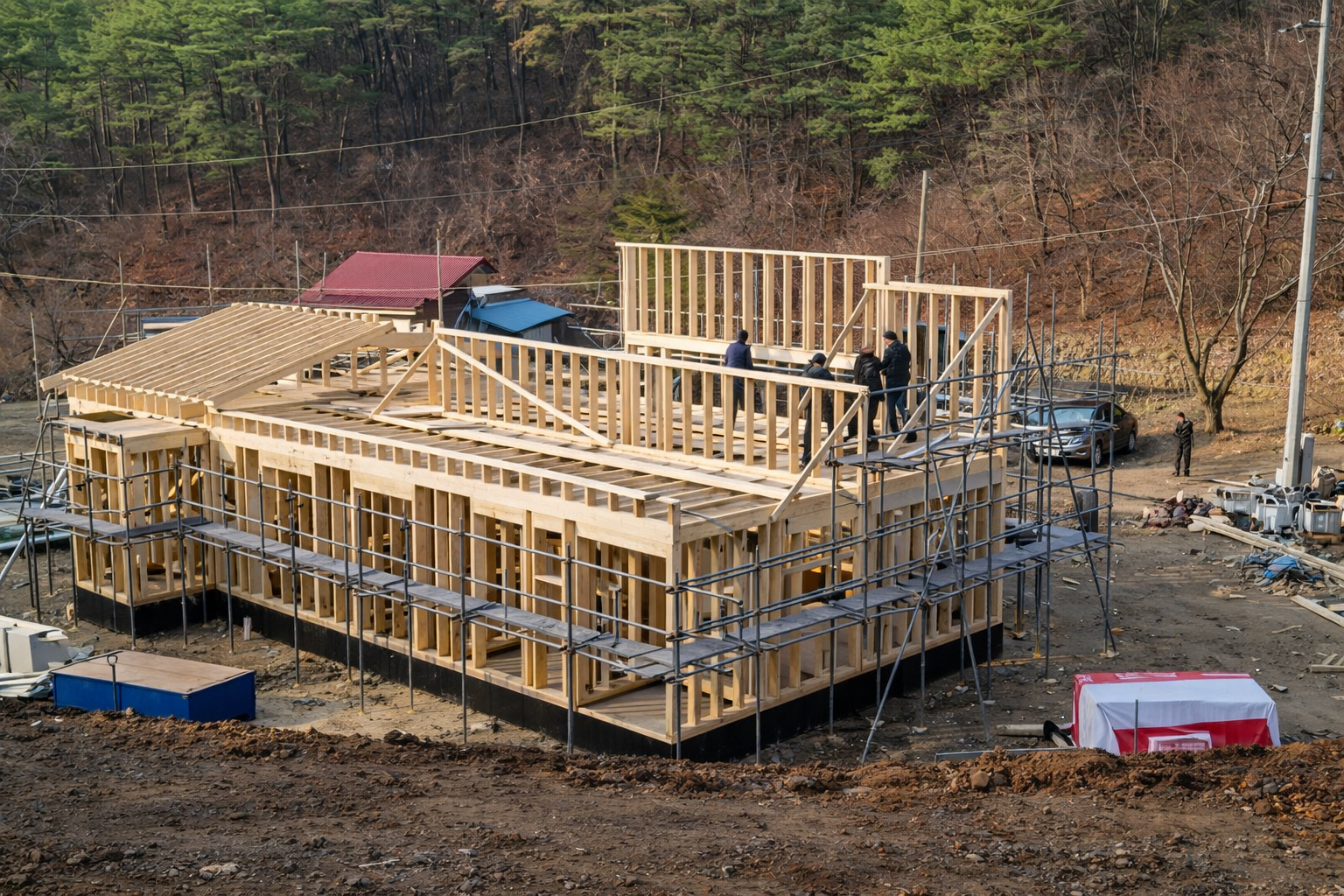
From empty land to a high-end house, wooden construction uses a lightweight system, metal structure for the foundation, ventilated ceramic cladding, and special windows to create an efficient and comfortable living space throughout the year.

During a recent meeting with Anatel, Pereira presented the company’s strategy, emphasizing the importance of this move for competitiveness and digital inclusion in Brazil.
The factory in Joinville will be responsible for producing various equipment, including the new WiFi 7 models.
The WiFi 7 technology is the latest innovation from TP-Link and promises to bring significant improvements over previous versions, such as WiFi 5.
Pereira stated that the company plans to manufacture three different models of CPE (Customer Premises Equipment) with WiFi 7 technology in Brazil and believes that in five years this technology will be more relevant than WiFi 5.
WiFi 7 Technology and Its Implications
WiFi 7 is an innovation that utilizes the 6 GHz band, in addition to the already existing bands for unlicensed services.
This technology promises to offer a faster and more stable connection, leveraging the 1,200 MHz available in the 6 GHz band.
The Anatel’s decision on the allocation of this band is under review, and TP-Link has expressed concerns about potential impacts from this decision.
Pereira explained that the new 6 GHz band is crucial for the performance of WiFi 7.
If Anatel decides to reduce the 6 GHz band to 5.925-6.425 GHz, this could affect the competitiveness of WiFi 7 in Brazil.
Furthermore, the reduction of the band may impact digital inclusion, as the vast majority of Brazilians use Wi-Fi to connect their mobile devices.
Regulatory Challenges and Certification
Another point addressed during the meeting with Anatel was the new cybersecurity legislation. TP-Link expressed concerns about changes in the equipment certification process.
The new law has brought significant challenges, including increased costs and extended certification timelines.
Before the new legislation, the certification process took about a month; now, the timeline may exceed three months.
These changes may affect TP-Link’s ability to bring its products to market efficiently.
The company highlighted that the limited number of laboratories for certification also contributes to the rising costs.
These issues are seen as challenges that need to be addressed to ensure that domestic production of equipment is not only viable but also competitive.
Impact of TP-Link’s Factory on the Market and Job Creation for the Population
TP-Link’s new factory in Joinville not only represents a significant expansion for the company but will also have a positive impact on the local economy.
The creation of one thousand jobs is an important benefit for the region and for the local workforce.
Additionally, the production of WiFi 7 equipment on Brazilian soil may contribute to the improvement of internet connections in the country and in Latin America.
TP-Link’s investment is a reflection of the growing interest and potential of the technology market in Brazil.
The expectation is that the factory will not only help reduce product costs but also boost technological development in the region.








Interessante o que acabei de ler aqui, existe muitos artigos em seu blog relacionado a este que acebei de ler gostei de seu blog. Cine vision filmes e series