






 Portuguese
  Spanish


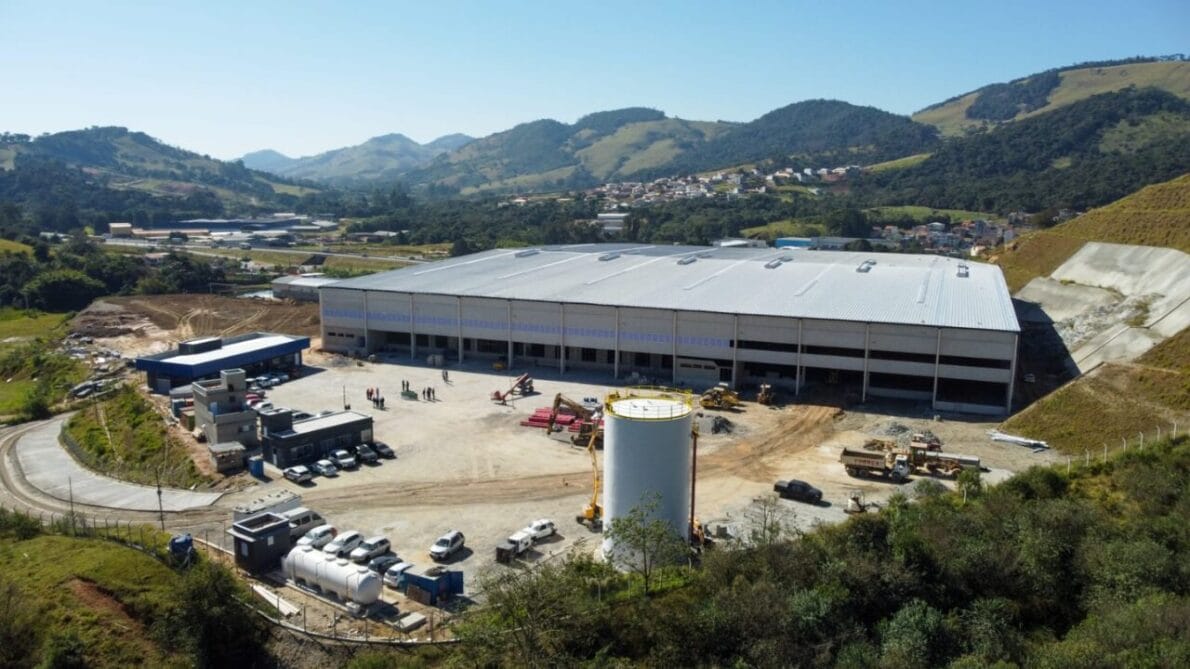

Betterments Invests R$ 40 Million in the Construction of Sustainable Packaging Factory, Promoting Innovation and Reducing Environmental Impact.
A Betterments, one of the most traditional companies in Brazil, recently announced a new project that represents a significant advance in its sustainability strategy. The company, which operates in several sectors, including editorial, forestry, and real estate, will invest R$ 40 million in the construction of a new factory for sustainable packaging made from cellulose fiber. The project is supported by FINEP — Financing Agency for Studies and Projects, linked to the Ministry of Science, Technology, and Innovation.
Focus on Sustainable Packaging
The new factory of Betterments will be dedicated to the production of compostable packaging made from renewable raw materials.
This packaging can naturally decompose in up to 75 days, representing a viable alternative to single-use plastic, especially in the food sector.
-
They exchanged the idea of a large house for a 35 m² warehouse, spent US$ 12,000 on the structure, and created a tiny house in Colorado with space to live and work.

-
While modern cities rely on pumps and electricity, in Iran, ancient tunnels carried water through the desert using only slope and gravity.
-
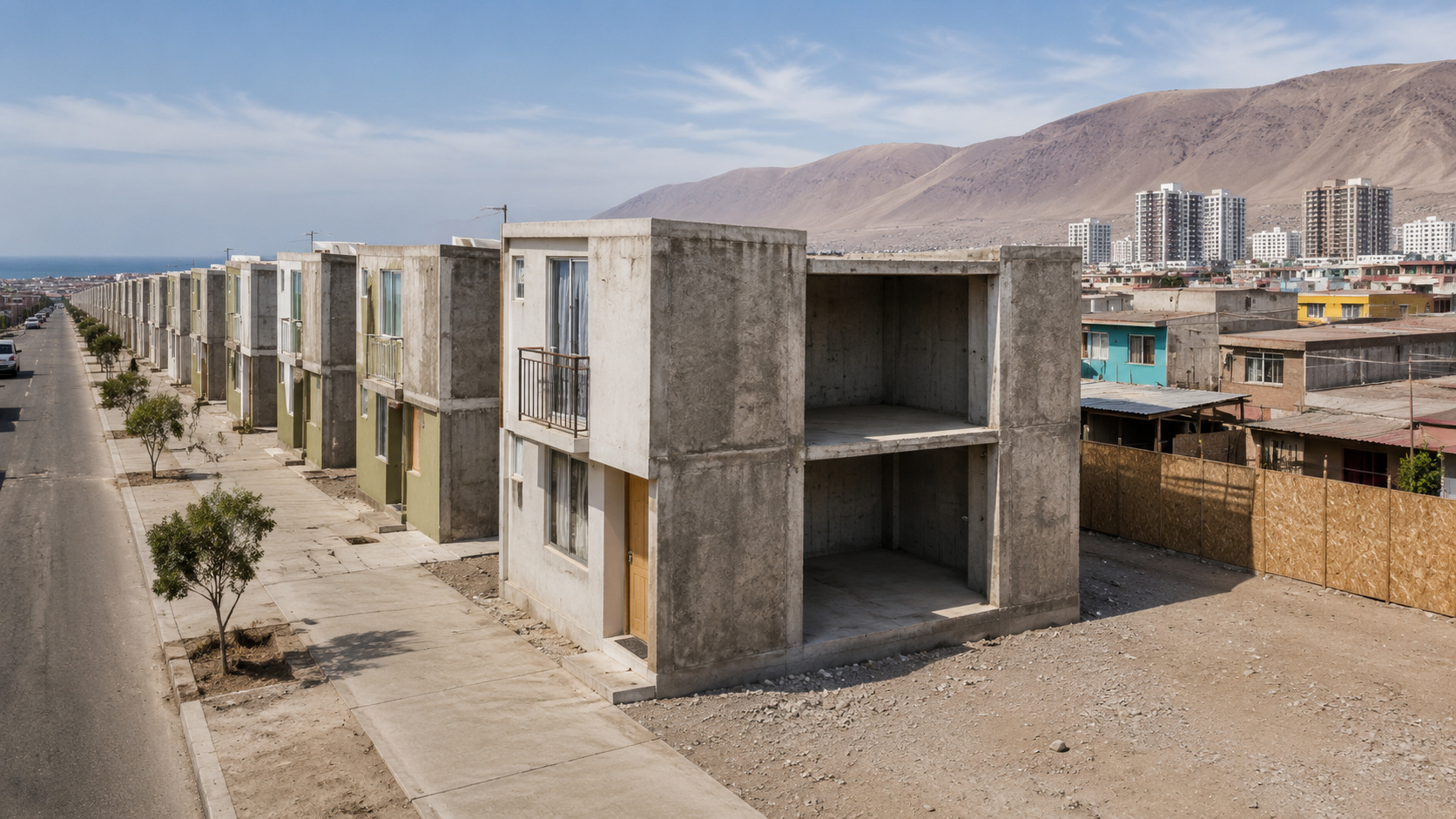
Instead of sending families far from the city, a project in Chile intentionally created incomplete houses on expensive urban land and left technical space for each to grow.
-
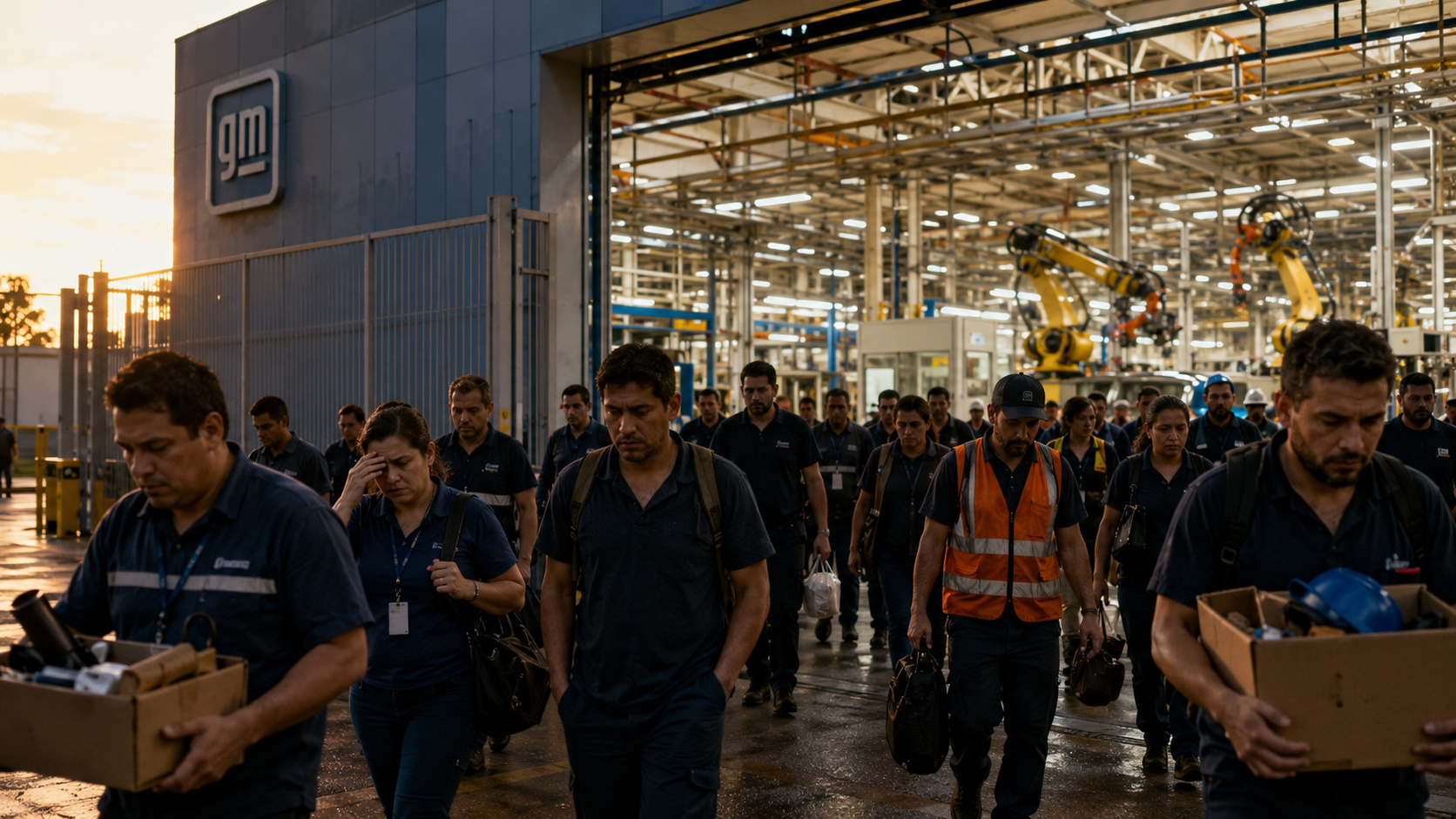
General Motors Replaces Over a Thousand Workers with 50 Cobots at Electric Vehicle Plant, UAW Union Criticizes Move Amid Industry’s Automation Push

The packaging, which resists grease, moisture, and extreme temperatures, has been designed for use in freezers and ovens, withstanding temperatures of up to 220 degrees Celsius.
The chosen location for the new production unit is Camanducaia, in the South of Minas Gerais, an area where Betterments has been operating for over 80 years.
The company anticipates that the factory will begin operations in the first quarter of 2025, with an initial production capacity of 60 million packages annually.
The project is also expected to generate about 40 new jobs in the region, contributing to local economic development.
Strategic Partnerships of Betterments and Local Production
The construction of this new factory is not an isolated move.
Betterments has partnered with an Israeli startup specializing in sustainable packaging solutions to develop the project.
This international collaboration has been crucial in ensuring that the design of the packaging is not only sustainable but also competitive in terms of cost.
Moreover, local production in Brazil provides a strategic advantage for Betterments.
The factory located in Camanducaia will allow the company to offer secure and agile supply for major players in the national market, strengthening the production chain and responding quickly to market demands.
This local production strategy also helps reduce the carbon footprint associated with transporting products.
Sustainability and Innovation in the DNA of Betterments
The initiative to build a factory for sustainable packaging is part of a broader strategic repositioning of Betterments.
The company, which has more than 130 years of history in Brazil, is adapting to new market demands and environmental challenges, expanding its portfolio of forest-based products and investing in innovation.
Rafael Gibini, CEO of Betterments, highlighted that the launch of this new factory is an important step for the company.
“With more than 130 years of history in Brazil, Betterments reaffirms its transformative role by introducing a large-scale sustainable solution for the packaging sector. This launch expands our portfolio of forest-based products, driving further diversification, innovation, and sustainability,” stated Gibini.
Another important factor for the viability of this project is Betterments’ vertical integration in wood and cellulose production.
This integration allows the company to develop packaging at a competitive cost compared to plastic, ensuring both environmental sustainability and economic viability for its customers and partners.
Betterments is aware of the global challenges related to plastic use.
According to the company’s Director of New Business and Innovation, Carolina Alcoforado, humans produce about 400 million tons of plastic waste each year, with half of that volume destined for single-use packaging.
“These packages pollute landfills, rivers, and oceans. Betterments’ cellulose fiber packaging represents a significant shift towards a more sustainable future, facilitating reuse, recycling, or composting,” emphasized Alcoforado.
A Look to the Future
The construction project for the new factory for sustainable packaging is yet another example of Betterments’ commitment to innovation and sustainable development.
The company, which is also investing in the real estate sector with the launch of Altea, and restructuring its editorial business model, seeks to adapt to market changes and contribute to a more sustainable future.
The anticipated start of operations in the first quarter of 2025 marks the beginning of a new phase for Betterments.
With local production of sustainable and compostable packaging, the company reinforces its market position and commitment to the environment.
The construction of this new sustainable packaging factory places Betterments in a prominent role in the industry.
By investing in innovative solutions that replace single-use plastic, the company not only contributes to reducing environmental impact but also offers its customers and partners a viable and economically competitive alternative.





Ótimo! A caminho do equilíbrio é da vida!!!
Que maravilha ter embalagens sustentáveis porque essas sacolas de plásticos embalagens de plásticos não são viáveis não se decompõem parabéns a Melhoramentos e todos que participaram desse lindo projeto a natureza agradece o planeta também.
40 milhões de investimento para gerar 40 empregos ????? Com aporte de grana do Ministério da Ciência, com tecnologia desenvolvida por uma startup Israelense no Sul de Minas, para criar embalagens de lixo reciclado…….bla bla bla, muito amigos da “corte”