





 Portuguese
  English
  Spanish
  4 min of reading
  0 comments


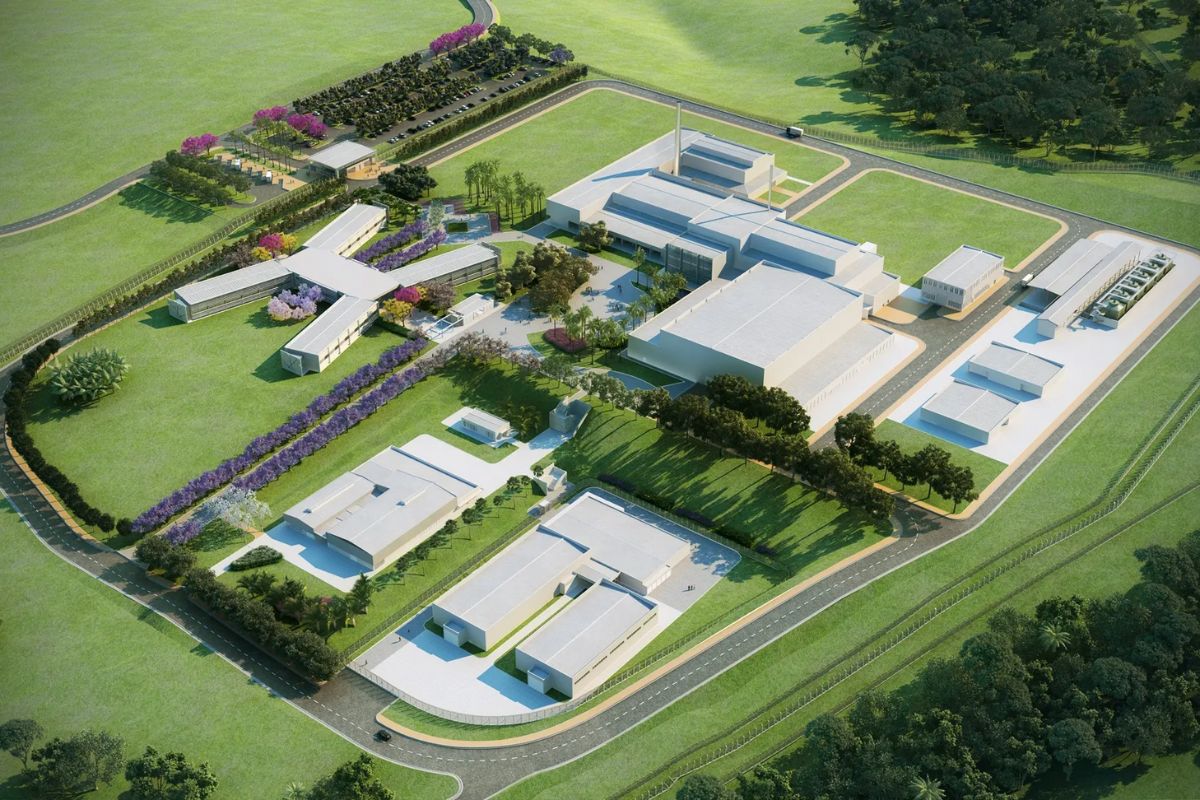
The Operation of the Mine in Caetité (BA) and the Construction of the Brazilian Multipurpose Reactor in Iperó (SP) Are the Pillars of the Country’s Strategy to Dominate Nuclear Technology, from Health to Energy
After a period of reduced investment, Brazil vigorously resumes its ambition to achieve self-sufficiency in the complex nuclear sector. The national strategy relies on two fundamental projects: uranium mining in Caetité, Bahia, and the construction of the Brazilian Multipurpose Reactor (RMB) in São Paulo. The country, which holds one of the largest uranium reserves in the world, seeks to ensure the raw material for its current and future projects.
The synergy between these two ventures is essential for the country’s autonomy. While the Bahia mine, operated by Indústrias Nucleares do Brasil (INB), supplies the fuel, the RMB will enable the country to produce inputs for medicine and cutting-edge research. Together, they represent Brazil’s commitment to consolidating its technological sovereignty, although the journey faces significant socio-environmental challenges.
What Is the Brazilian Multipurpose Reactor and What Is Its Strategic Importance?
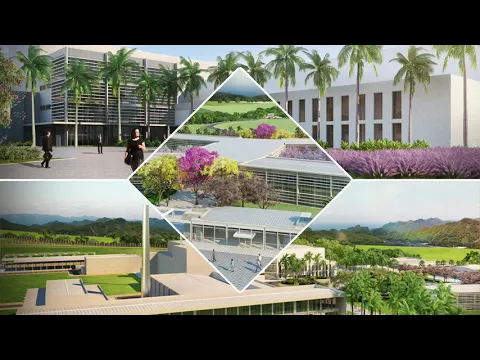
The Brazilian Multipurpose Reactor is one of the country’s most important technological initiatives. Located in Iperó (SP), its main objective is to produce radioisotopes, vital inputs for nuclear medicine. With it, Brazil will be able to produce Molybdenum-99, essential for cancer diagnostics, and eliminate the dependence on the importation of these materials.
-
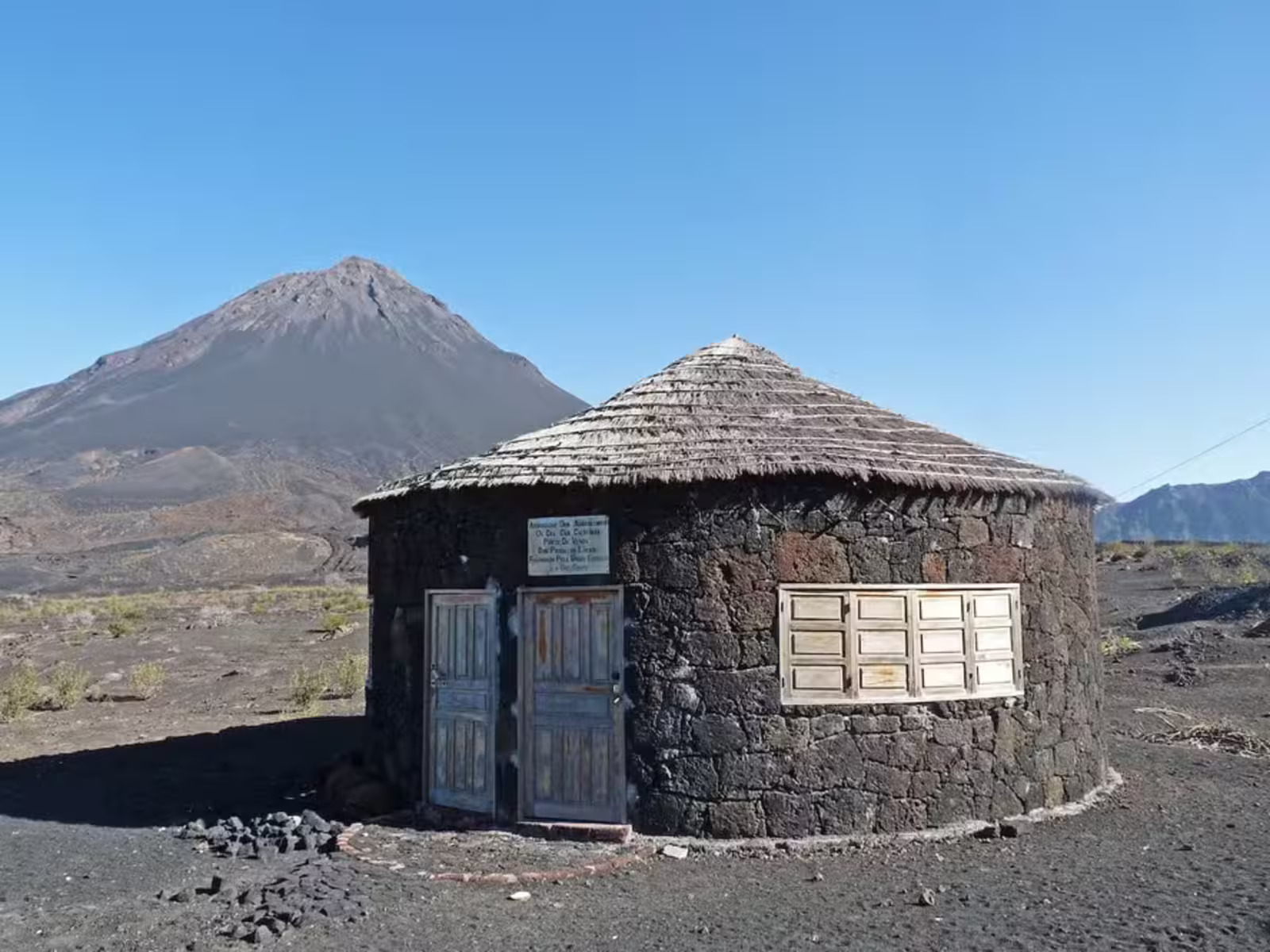
Inside an active volcano in Africa, residents use volcanic rocks to build houses in an impressive setting.
-
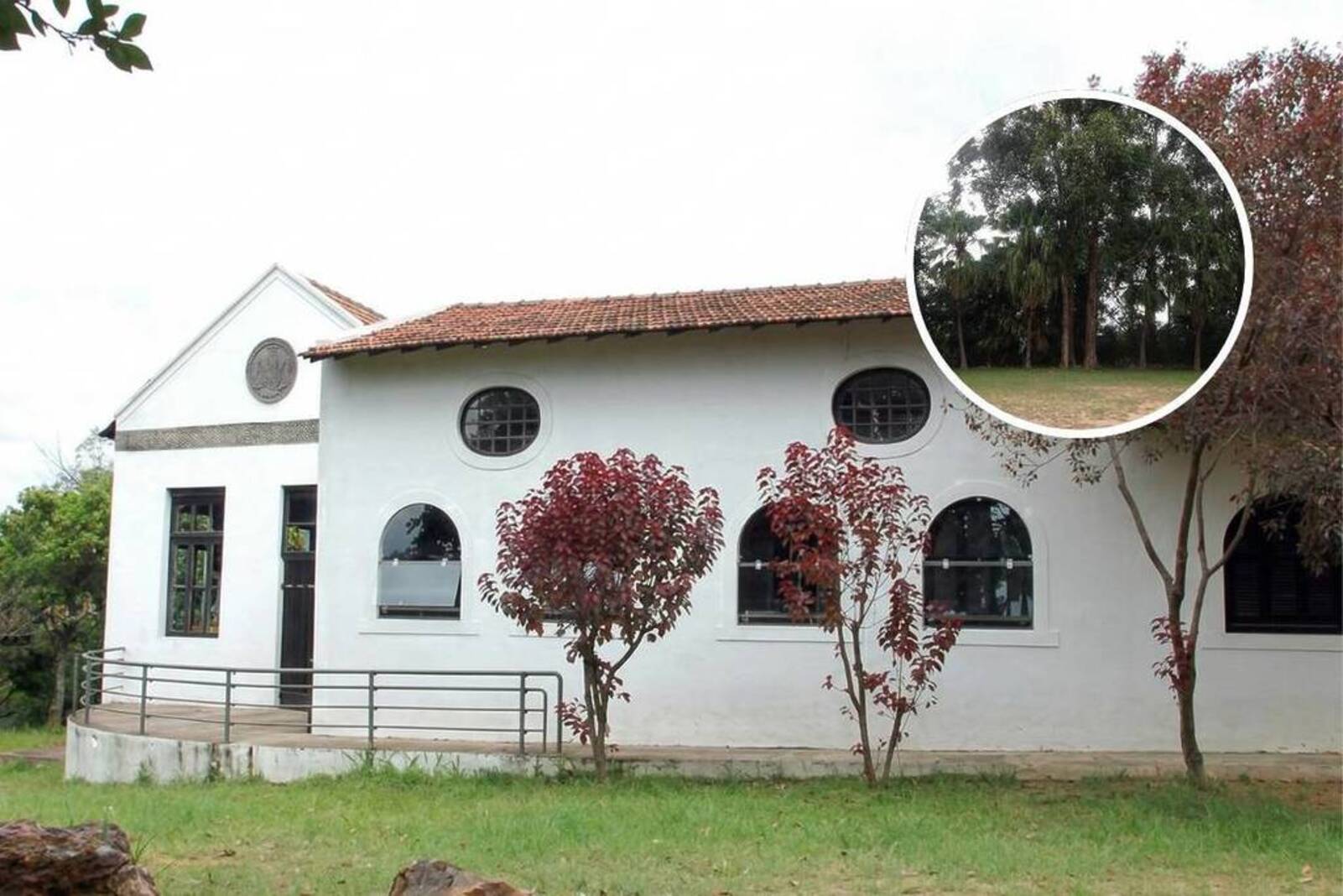
After 14 years of waiting, a rammed earth mansion built in 1702 in the North Zone of São Paulo will become a park with leisure facilities and green areas, with a million-dollar investment.
-
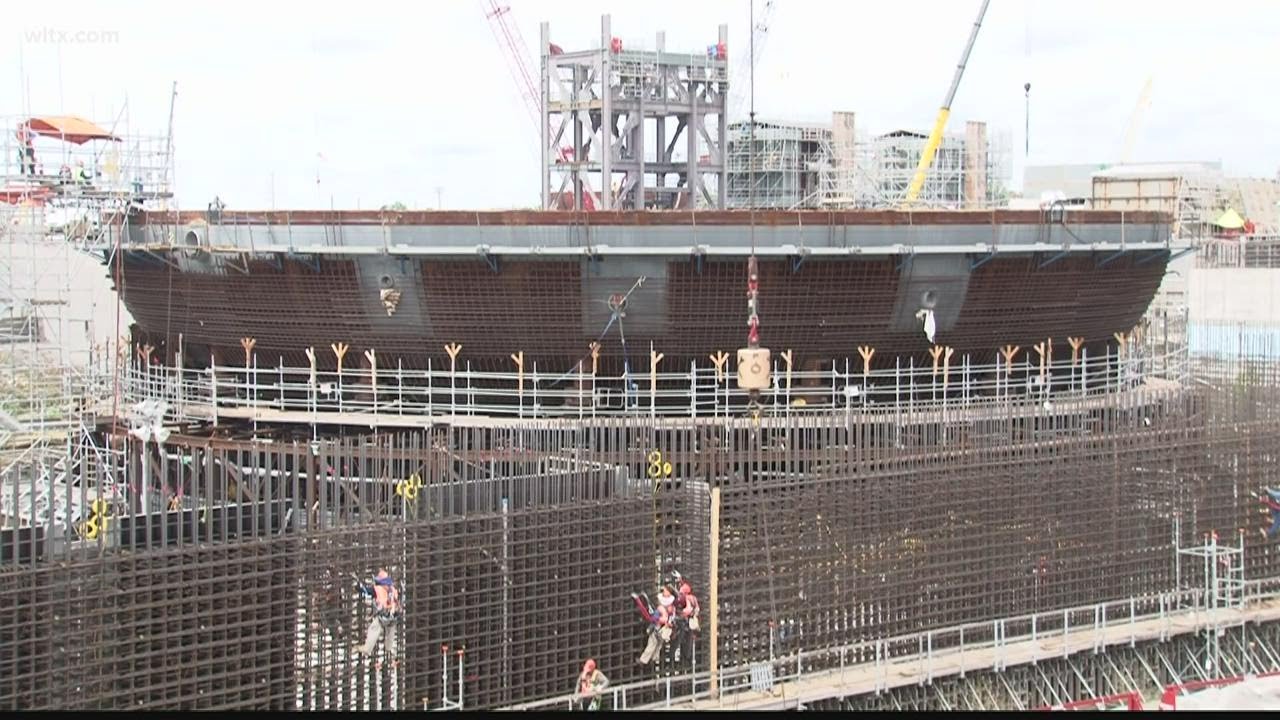
With 2 unfinished nuclear reactors, up to 25 billion in costs, and proven fraud, the Nukegate case has left 800,000 consumers still paying today for energy that will never be produced.
-
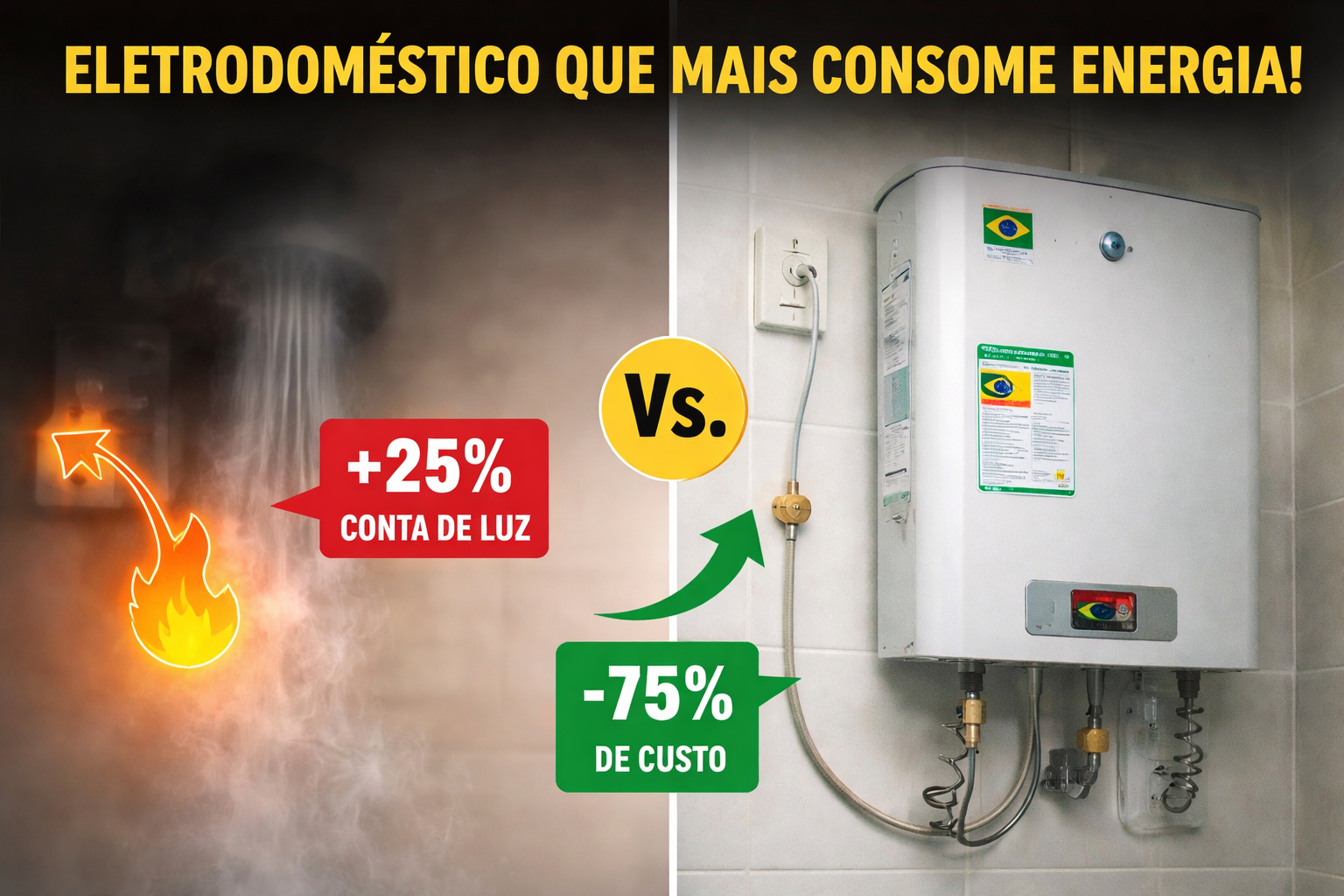
The household appliance that consumes the most energy in Brazilian homes is not the air conditioner; it is located in the smallest room of the house, is used daily, and can account for up to 25% of the electricity bill, while an alternative in the same outlet can reduce this cost by up to 75%.

In addition to health, the RMB will be a center for advanced research. It will allow the use of neutron beams for material analysis, driving innovation in industry and science. The reactor will also be crucial for testing and qualifying nuclear fuels used in the Angra plants, in the future submarines of the Navy, and in new technologies such as Small Modular Reactors (SMRs). The infrastructure works of the project began in February 2025, with funding guaranteed by the Novo PAC.
The Source of Uranium That Feeds the Present and Future Nuclear Plans of Brazil

In Caetité, in the Bahia hinterland, the only uranium mine in operation in Brazil functions. Operated by INB, the Uranium Concentration Unit (URA) is the source of all the yellowcake (uranium concentrate) that supplies the Angra 1 and Angra 2 plants. In 2025, the mine operates with the mission of also meeting the future needs of the Brazilian Multipurpose Reactor.
The geological potential of the region is vast. Brazil holds about 5% of the world’s uranium reserves, and studies indicate that the area around Caetité has significant untapped potential. About 70% of the region with favorable geological characteristics is still available for new concessions, which can ensure the future of uranium mining in the country for decades.
The Complex Socio-Environmental Issue of Uranium Mining
Despite its importance, mining in Caetité is surrounded by controversies. A history of accidents, including uranium liquor leaks, and studies pointing to groundwater contamination in the region raise concerns among local communities. The mine operates in an area of water scarcity, creating a conflict over water use.
Reports and academic studies also associate the activity with an increase in cancer cases in the surrounding population. In response, INB states that its monitoring has not detected significant changes that can be attributed to its operations. Given the scenario, IBAMA intensified its oversight of the mine starting in 2023, seeking to ensure compliance with licenses and environmental safety.
Brazil’s Journey to Master Nuclear Fuel Technology
The quest for self-sufficiency is a state policy, established in Decree No. 9.600/2018. Brazil already masters complex stages of the fuel cycle, such as uranium enrichment technology by gas centrifugation, performed in Resende (RJ). However, a key piece is still missing to complete the fuel cycle at an industrial scale.
The country still depends on foreign sources to convert yellowcake into gas (UF₆), the form necessary for enrichment. To address this gap, the project for the Uranium Hexafluoride Production Unit (USEXA) is being developed in São Paulo. With this plant, Brazil will master all stages, from the mine to the reactor. Recently, INB was also authorized to export enriched uranium, a sign of maturity and the intention to engage in the global market.
The Future of the Nuclear Program, from Waste Management to Expansion with New Plants

With the operation of current plants and the expansion plans of the sector, the management of radioactive waste becomes a central challenge. The National Energy Plan 2050 anticipates the construction of 8 to 10 new nuclear plants. To deal with the waste, the government is developing the project for the Nuclear and Environmental Technological Center (CENTENA).
Scheduled to be operational by 2028, CENTENA will be the definitive repository for the country’s radioactive waste. The project, developed with international consultancy, is crucial for long-term sustainability and for public acceptance of the nuclear program. The success of this and other initiatives will depend on a firm commitment to safety, transparency, and sustainable development.






-

-

-

-

-

-

43 pessoas reagiram a isso.