





 Portuguese
  English
  Spanish
  4 min of reading
  0 comments


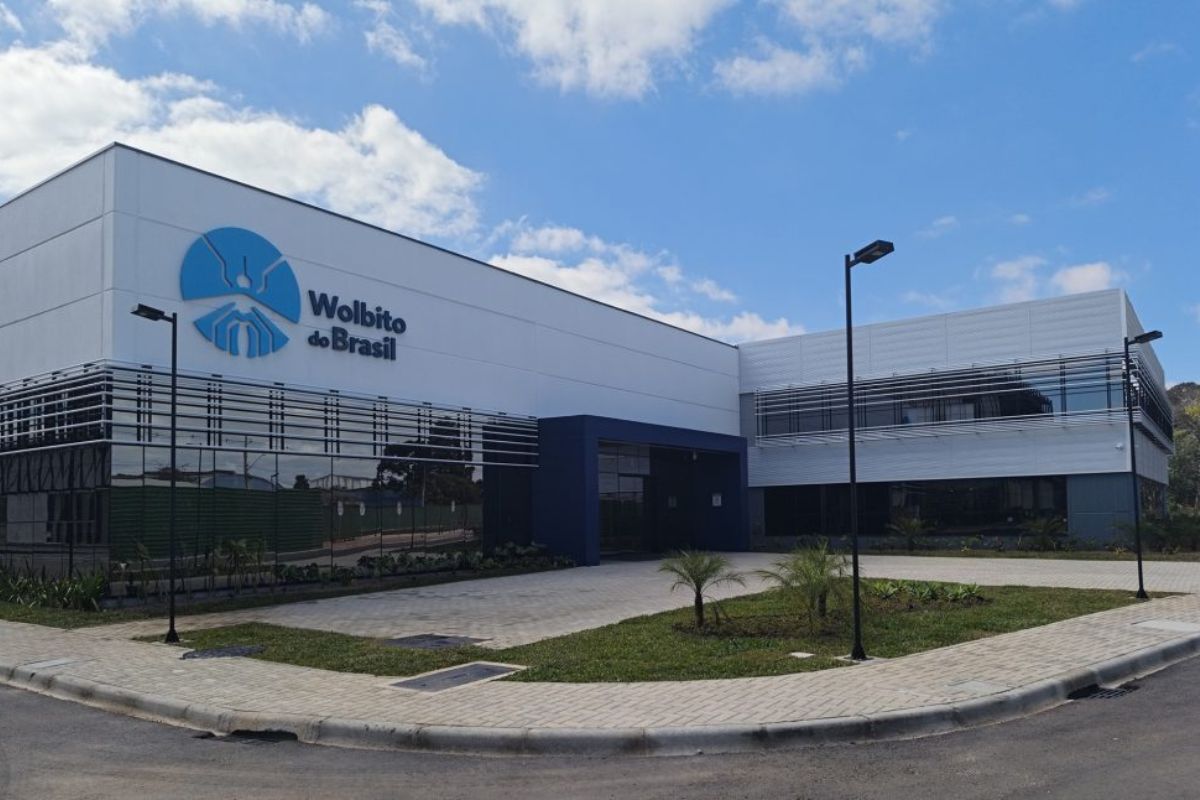
With Support from Fiocruz and the Ministry of Health, Brazil Leads Global Strategy Against Dengue with Release of Modified Mosquitoes
Brazil has just achieved an unprecedented milestone in combating arboviruses. The world’s largest biofactory dedicated to the production of Aedes aegypti mosquitoes with Wolbachia bacteria was inaugurated in Curitiba, Paraná, a biotechnological innovation considered safe, natural, and highly effective against diseases like dengue, zika, and chikungunya. The new unit of Wolbito do Brasil promises to protect up to 14 million people per year, exclusively serving the Ministry of Health and consolidating the country’s leadership in this type of public health strategy.
With 3,500 square meters of built area and a fully automated system, the biofactory integrates the most advanced technology in entomology and biotechnological production. The project is the result of a partnership between the Molecular Biology Institute of Paraná (IBMP), linked to Fiocruz, and the World Mosquito Program (WMP), a non-profit international organization with over a decade of experience using Wolbachia technology.
Innovation that Reinforces National Sovereignty
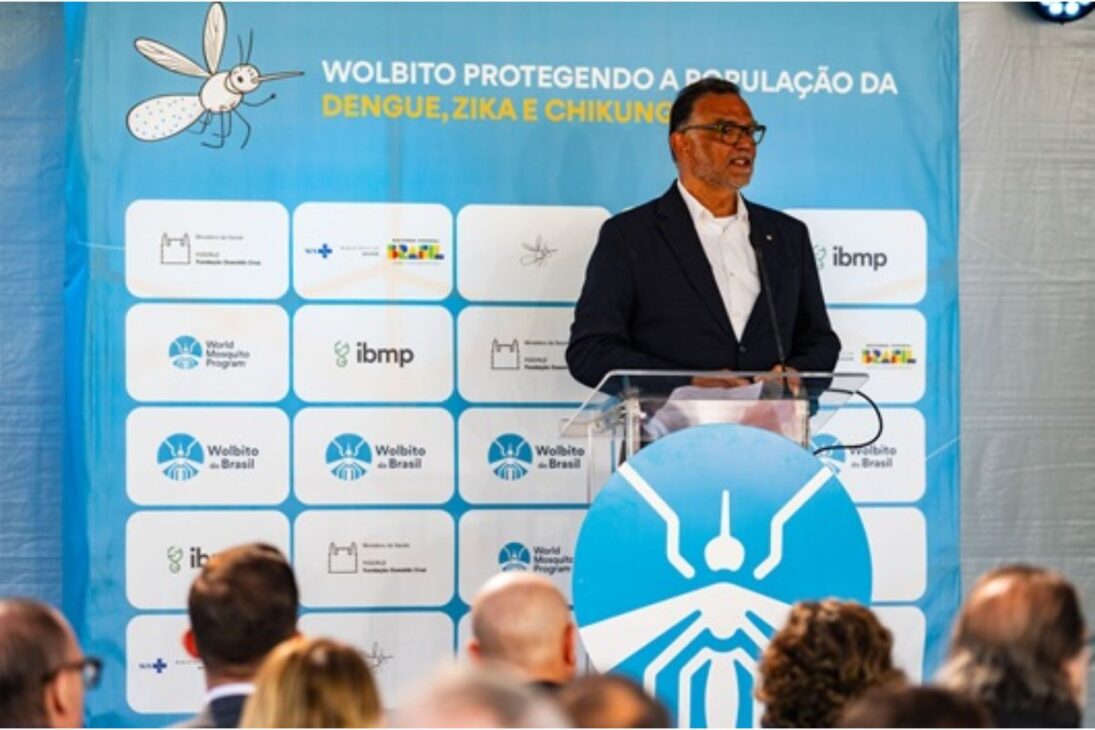
During the inauguration ceremony, Health Minister Alexandre Padilha highlighted that the establishment of the new biofactory is a strategic response to international dependency on health supplies—a problem laid bare during the COVID-19 pandemic. For Padilha, the project represents an “exercise in sovereignty and national innovation,” strengthening science, local technological production, and Brazil’s capacity to respond to epidemiological outbreaks with homegrown solutions.
-
The water crisis that could change everything this year has already begun; it’s not just about the climate, it affects technology, raises product prices, and can halt entire companies without warning.

-
A Japanese mason transforms raw granite into small cups and handcrafted utensils, collects giant stones, cuts with precision, and impresses with detailed manufacturing and finishing.
-
With 1,066 acrylic panels, the building known as the friendly alien is supported by a steel skeleton, has a façade that functions as a giant screen, and impresses the world without any internal columns.
-
Scientists warn that a comet about 1 km in size that has started to release gases may actually change direction in space. It was spotted by NASA and surprises with potential impacts near Earth.


Fiocruz President Mário Moreira emphasized the importance of the Unified Health System (SUS) to enable the wide application of the technique: “This initiative is only possible because we have a consolidated SUS throughout the country. The implementation of the method depends on the engagement of states, municipalities, and the population, as well as a public system that allows coordinated actions,” he stated.
How Does the Wolbachia Method Work?
Wolbachia is a bacterium naturally found in over 50% of insects in nature—but not in Aedes aegypti. The technology consists of introducing the bacterium into these mosquitoes, preventing the dengue, zika, or chikungunya viruses from replicating in their bodies. When a mosquito with Wolbachia reproduces, it transmits the bacterium to the next generations, creating a chain of biological protection that spreads through natural mosquito populations.
Unlike transgenic or chemical methods, the approach using Wolbachia is considered natural, safe, self-sustainable, and environmentally friendly. The technique has already been successfully tested in various regions of Brazil—in Niterói (RJ), for example, dengue cases fell by 69% following the implementation of the method, according to published studies.
A National Strategy Against Arboviruses
The Ministry of Health has incorporated the Wolbachia Method as one of the main fronts in combating arboviruses. So far, approximately 5 million Brazilians have directly benefited from the strategy. With increased production, the expectation is to reach 70 million people in the coming years.
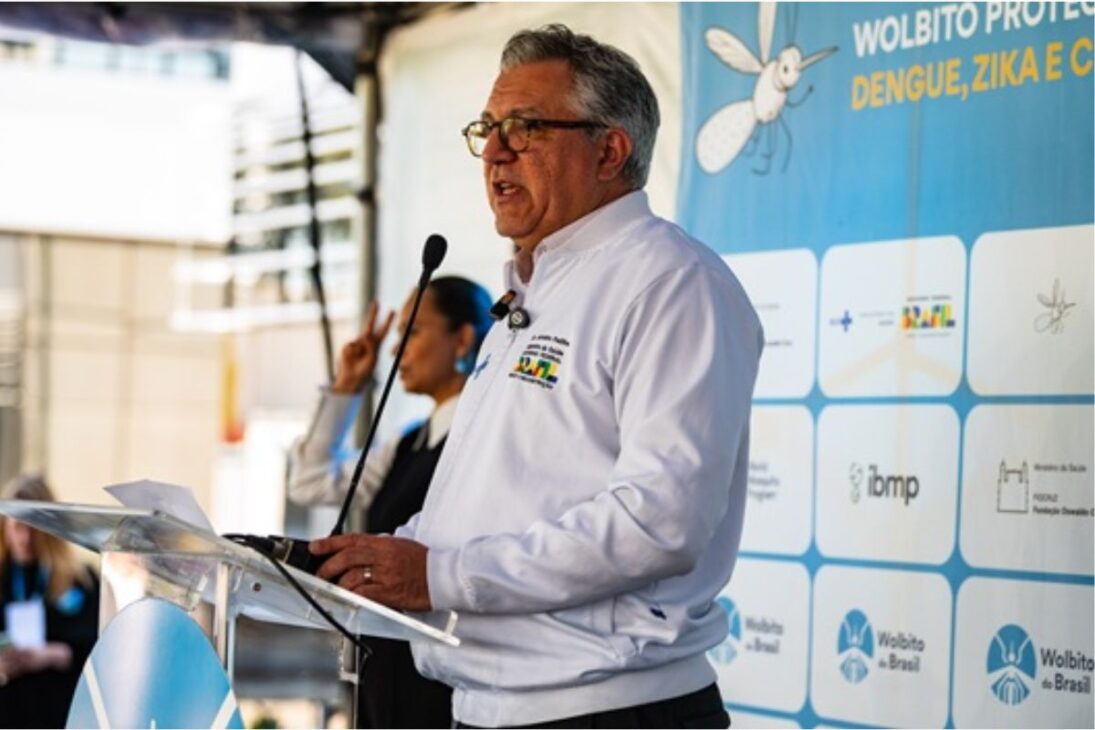
The new biofactory will initially serve six priority municipalities, chosen based on technical criteria from the Ministry of Health and with support from Fiocruz. They are: Balneário Camboriú, Blumenau, and new areas of Joinville in Santa Catarina; Valparaíso de Goiás and Luziânia in Goiás; and the Federal District. These regions are already in the community engagement phase and will receive the first “Wolbitos” between August and September.
Communication with the Population is Key
According to Luciano Moreira, CEO of Wolbito do Brasil and the researcher responsible for bringing the technology to the country, the project’s differential lies in communication with the population: “It’s not enough to release the mosquitoes. It’s essential to inform, engage, and educate the communities. Social acceptance enhances the success of the technology,” he explains.
The biofactory has been designed to operate in close coordination with information campaigns, educational activities, and local partnerships. Each phase of the implementation is monitored by specialized teams in entomology and social engagement.
International Alliance for Public Health
The project originated from a joint venture between Fiocruz and the World Mosquito Program, responsible for implementing the technology in 14 countries. For the WMP’s CEO, Australian Scott O’Neill—a scientist who led pioneering studies on Wolbachia—the Brazilian initiative is a global example: “This project not only offers hope to Brazil but also represents a step forward for the future of global public health. With science, collaboration, and commitment, we are developing accessible and effective solutions for millions of people,” he stated.
Next Steps
With the operation of Wolbito do Brasil in full swing, the country is set to accelerate the coverage of the method in regions with high rates of arboviruses. The goal is to transform the strategy into a long-term tool for controlling these diseases, alongside vaccines, diagnostics, and epidemiological surveillance actions.
More than just a mosquito factory, the unit in Curitiba symbolizes a model of scientific, technological, and strategic development, with the potential for knowledge export and global leadership in combating diseases transmitted by Aedes aegypti.






-

Uma pessoa reagiu a isso.