





 English
  Francês
  Alemão
  Italiano
  Japonês
  Norueguês
  Portuguese
  Spanish
  4 min of reading


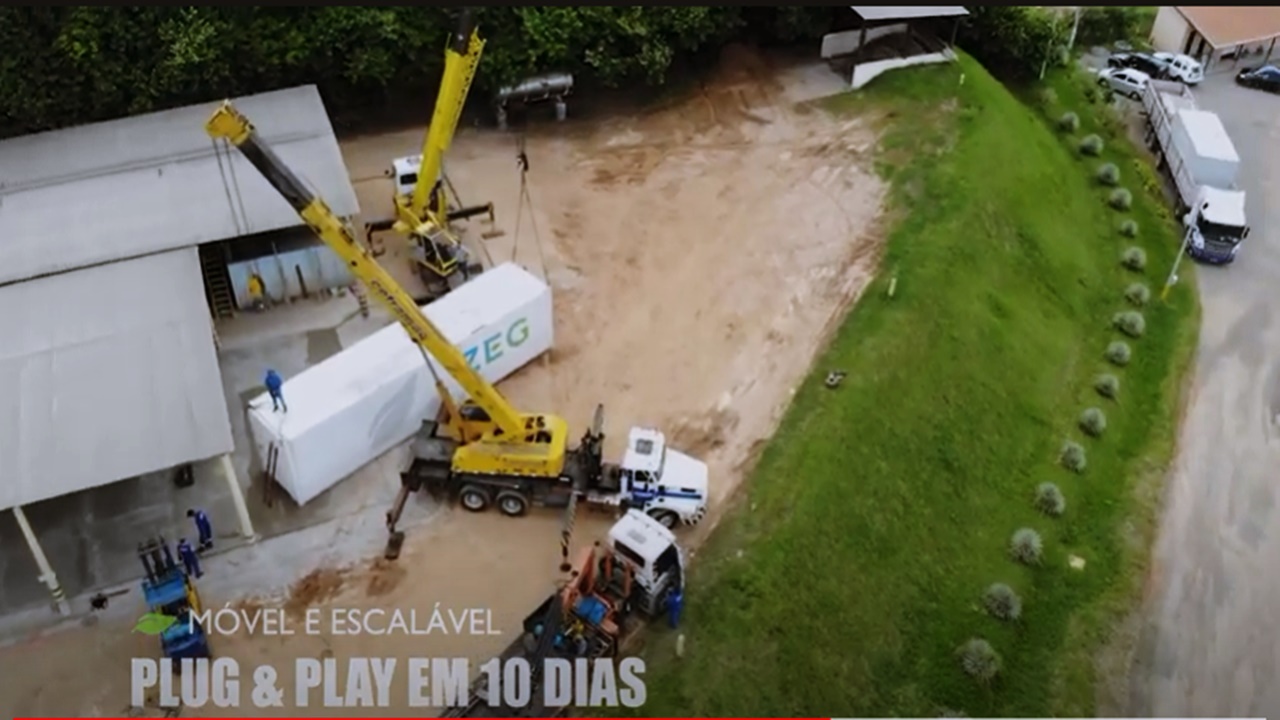
Renewable Energy: A Revolutionary, Comprehensive, and Efficient Solution for the Environment to Achieve Waste-to-Clean Energy Conversion Can Serve 96% of the Brazilian Market, Both for Cities and Industries Wanting to Recover Their Urban and Production Waste
Brazil already has available to its urban and industrial market the first and unprecedented technology for recycling and recovering energy from its urban and industrial waste called FlashBox®. It is capable of generating from 1 to 2 MW of energy per ton of processed waste and is available to operate in both municipalities and industries.
Also Read
- Company in the Expansion Phase Offers 65 Job Openings for Home Office and In-Person Positions in São Paulo with Salaries of Up to R$20 Thousand, on This August 2
- Assaí Atacadista Calls for 266 Job Openings for Primary, Secondary, Technical, and Higher Education for Work at Its New Unit to Be Opened in Macaé
- Macaé Celebrates Anniversary with Million-Dollar Gift from Petrobras, Which Announces Investments and Resumption of Operations at the Port of Imbetiba
- New Contract at UPNG of Comperj Demands Job Openings for Helpers, Technicians, Supervisors, Assistants, and Much More on This Day, July 31
- Company Offers 50 Job Openings for Home Office and In-Person Positions for São Paulo and Rio Grande do Sul with Salaries of Up to R$ 15 Thousand
Its owner is the national company Zeg Ambiental, founded in 2012. Its founder and CEO, André Tchernobilsky, conducted an informal survey around the world and found that the countries with the highest Human Development Index (HDI) are the largest energy recoverers from waste, and these same countries also have the highest waste recycling rates. “This sparked my interest in implementing in Brazil the same solutions that these developed countries have,” he says.
Learn Below About the Technology That Turns Waste Into Renewable Energy


Brazil Maintains Over 3,000 Open Dumps with Urban and Industrial Waste Without Any Environmental Care
In Brazil, 96% of the 5,700 municipalities have populations below 100,000 and are cities that generate up to 100 tons per day of urban solid waste (garbage), which does not offer a technical and economic scale for so-called WTE projects – large plants generating energy from urban waste. In this context, Brazil maintains over 3,000 open dumps without any environmental care.
-
While Russia dominates the global wheat market, Brazil emerges as an unexpected competitor in the Cerrado, offering grain available in July and August when stocks in the Northern Hemisphere are at their lowest point of the year.

-
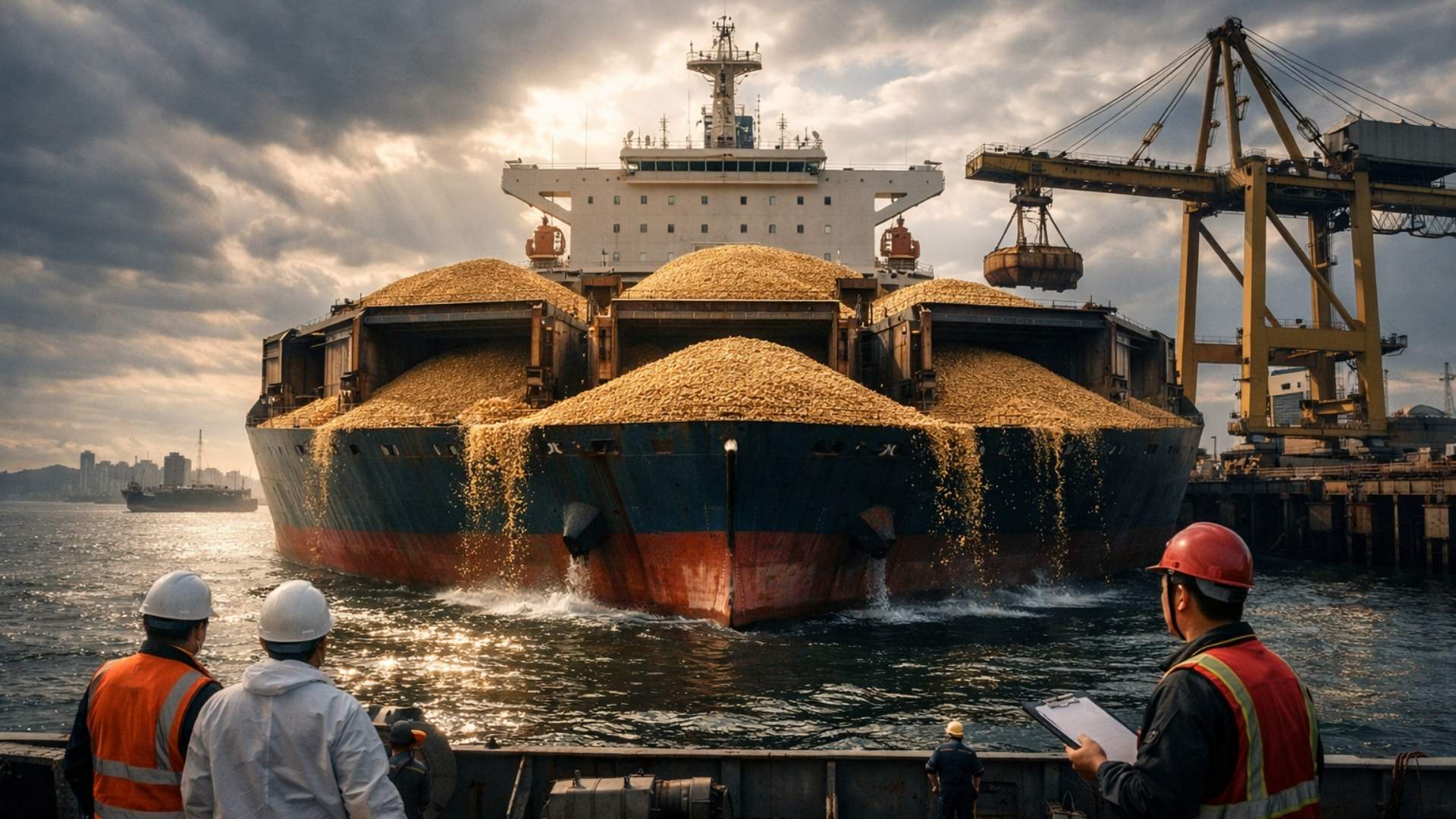
China returned almost 20 Brazilian ships with soybeans, but now everything could change: the country that buys 80% of the grain is considering relaxing regulations after impurities held up shipments of thousands of tons and caused million-dollar losses.
-
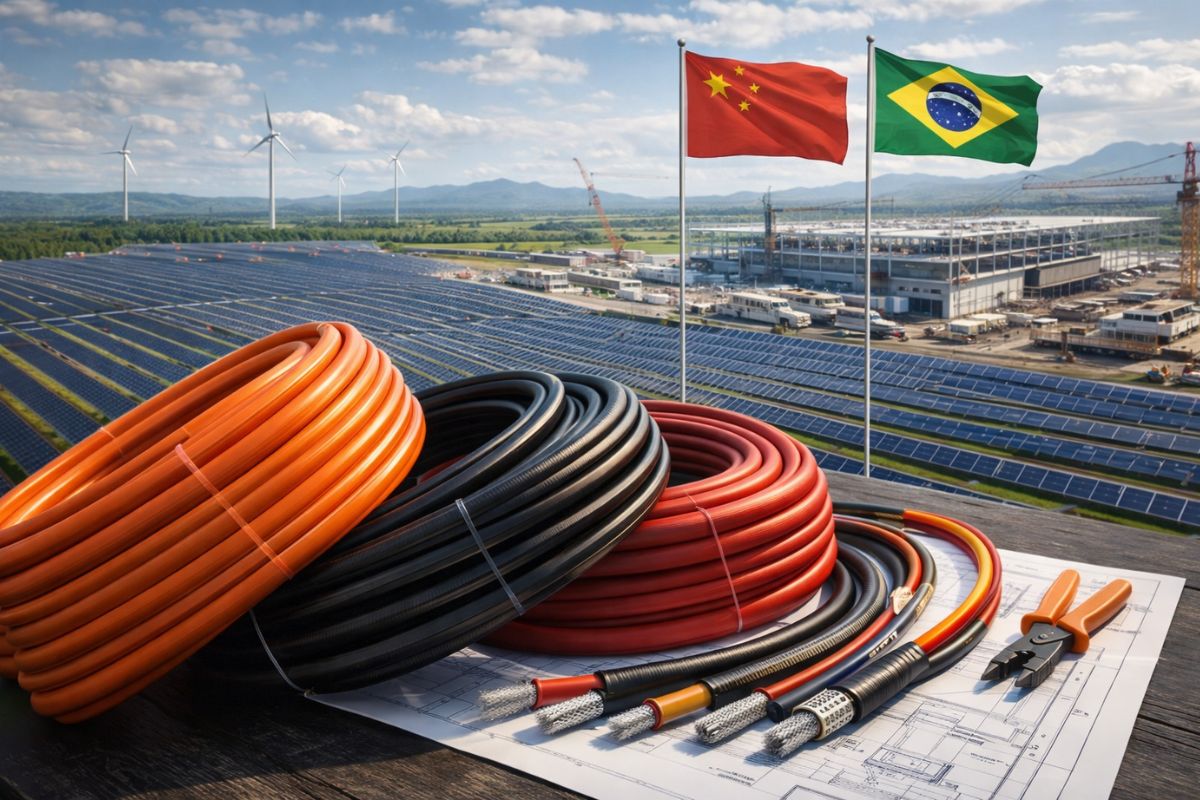
Chinese giant worth nearly R$ 4 billion that manufactures cables for electric cars, solar energy, and robotics wants to open a factory in SC.
-
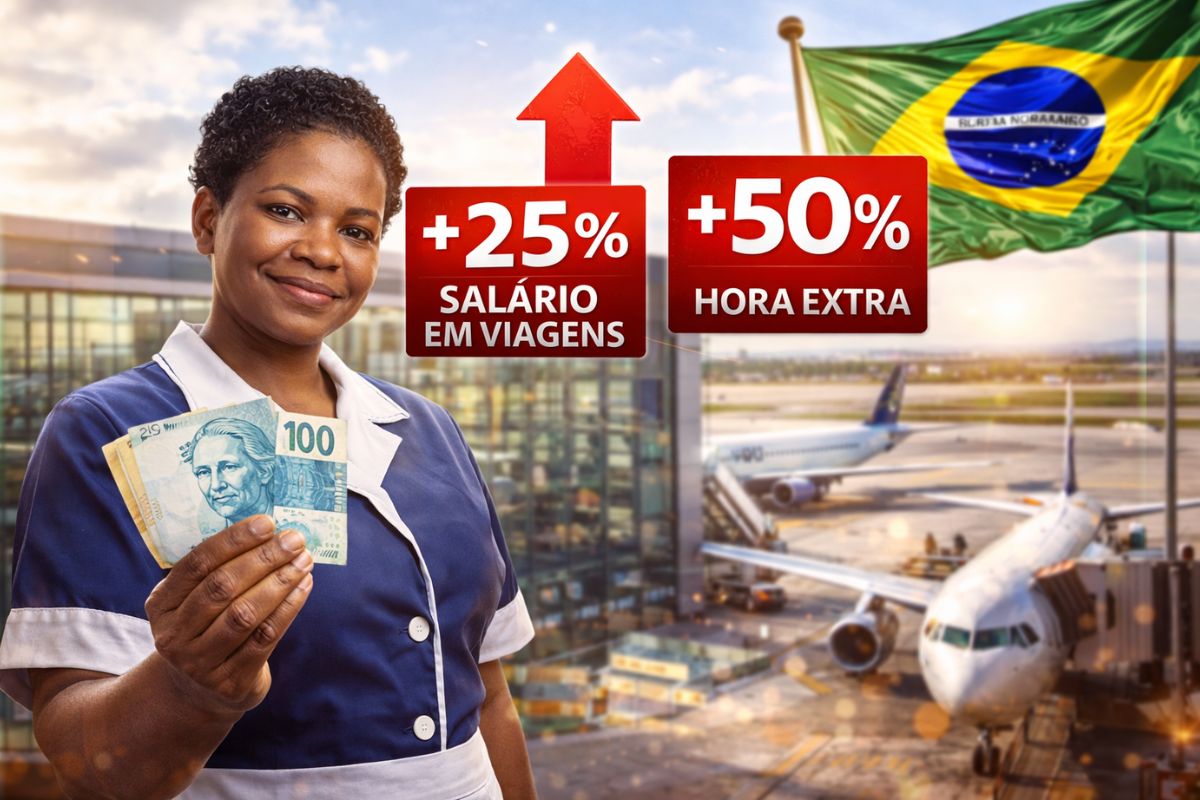
Many employers do not know, but the law guarantees domestic workers a 25% increase in salary during trips, 50% for overtime, 20% for night shifts, and 17 additional benefits that can lead to labor lawsuits if not paid.

In this national scenario, André Tchernobilsky decided to develop his own technology, an anaerobic gasification reactor installed inside a 40-foot container (common in ships) with a superheated core above 1000 degrees – a temperature equivalent to volcanic magma. The equipment is called FlashBox® because it performs in seconds what nature would take millions of years to do: transform organic matter into fuel (gas, oil, and coal). It is a comprehensive and efficient solution for the environment to achieve waste-to-clean energy conversion. The creator of this solution, Tchernobilsky, assures that it can serve today 96% of the Brazilian market, both for cities and industries wanting to recover their urban and production waste.
The FlashBox® solution aligns with the national solid waste policy implemented, albeit without effectiveness, in Brazil in 2010. According to these new regulations, before burying the waste, all municipalities must first recycle. “In this legal context, we also highlight the 2020 Sanitation Framework, in which all mayors have until next August to solve the urban waste problem in their cities,” reminds the CEO.
Implementation Takes 8 to 12 Months, and Contracts Can Vary Between 20 and 30 Years
The FlashBox® reactor projects are implemented after passing through a bidding process in interested municipalities or through a Public-Private Partnership (PPP). After winning this stage, the project is implemented with a fee charged on the waste, always lower than what the municipality currently pays. Implementation takes 8 to 12 months, and contracts can vary between 20 and 30 years.
Tchernobilsky explains that each structure implemented is part of what Zeg Ambiental calls an Ecopark – 4D (Decarbonization, Decentralization, Digitalization/Automation, Democratization of Resources to Society), a European trend that defines a central treatment facility for urban waste that, in addition to the plant, also has a sorting center and a preparation area. “We are capable of generating from 1 to 2 MW per ton of recovered waste. We can serve any municipality with a population above 12,000,” he says. The solution also offers an option for a 20-foot container for smaller operations with the same efficiency model.
About Zeg Ambiental: Zeg Ambiental is a Brazilian company that was founded in 2012 with the purpose and dedication to solve the problem of the more than 3,000 dumps existing today in Brazil. Founded and led by mechatronic engineer André Tchernobilsky, the company has a proprietary solution for implementing recycling and energy recovery processes for waste in Brazil.






-

Uma pessoa reagiu a isso.