





 Portuguese
  English
  Spanish
  3 min of reading
  0 comments



Brazil Semicon Program and International Partnerships Aim for Technological Autonomy, Job Creation, and Exports by 2030
Brazil has taken a strategic step towards technological sovereignty with the creation of the Brazil Semiconductors Program (Brazil Semicon), approved in 2024 and already in operation. Focused on national semiconductors, the plan aims to reduce external dependence, stimulate the local industry, and boost the use of niobium in high-performance batteries.
The new phase of industrial policy, orchestrated by the federal government, integrates the so-called New Industry Brazil (NIB) and allocates R$ 21 billion in tax incentives until 2026. Companies like Samsung, HT Micron, and Ceitec are among the beneficiaries, with emphasis on projects in the South and the Free Trade Zone of Manaus.
Brazil Bets Big on National Semiconductors
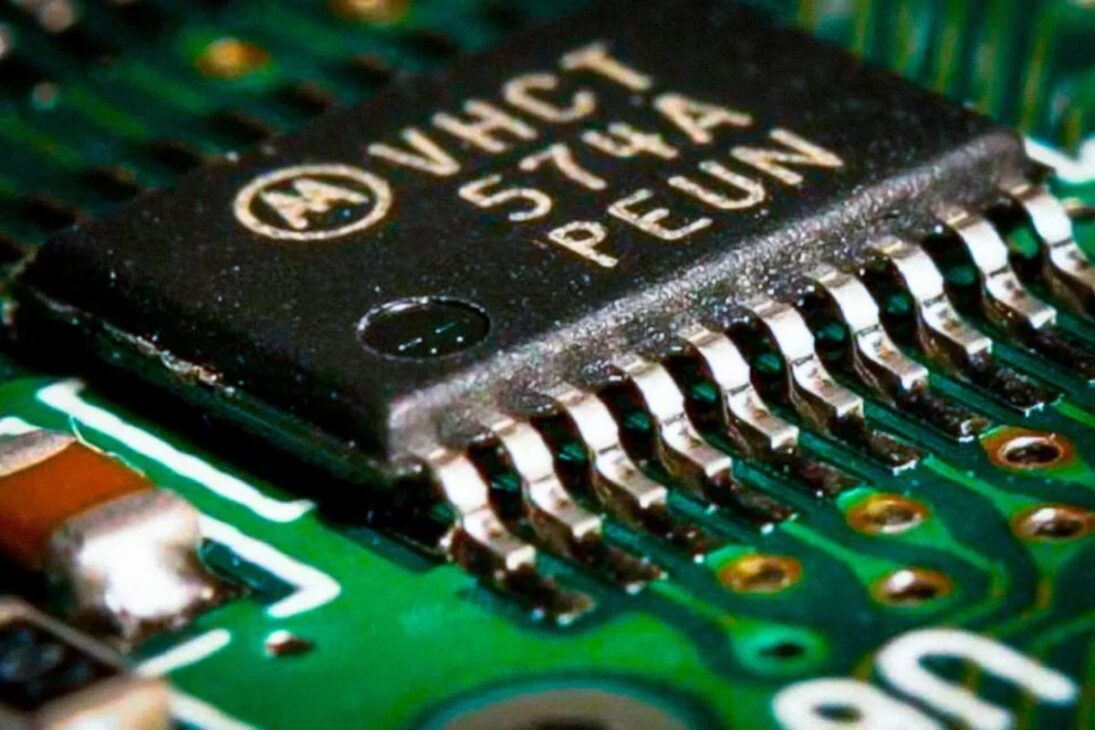
The central point of the Brazilian strategy lies in the production of national semiconductors, a sector responsible for 90% of electronic imports, according to the Ministry of Development, Industry, Trade, and Services (MDIC). Law No. 14.968/2024, which created Brazil Semicon, guarantees tax incentives for companies investing in research, design, manufacturing, and exporting chips.
-
Expedition 501: Scientists drill into the ocean floor and discover a giant reserve of fresh water hidden beneath the sea, extracting nearly 50,000 liters and revealing an invisible system that could reshape the map of water scarcity.

-
Archaeologists find an intact tomb over 2,500 years old, with more than 100 preserved objects, weapons, jewelry, and human remains never touched.

-
Volcanic lava transforms into threads as fine as human hair that travel over 30 kilometers by wind and fall like cutting rain on roofs and backyards in Hawaii and Iceland.

-
NASA issues a warning for the feared Godzilla El Niño that could change the planet’s climate in 2026 with extreme warming of the Pacific capable of causing devastating droughts in some regions and historic floods in others simultaneously.


According to official data, the tax benefits are expected to generate up to R$ 24.8 billion in private contributions and attract R$ 186 billion in total investments for the digital transformation of the Brazilian industry. Vice President Geraldo Alckmin led the coordination of the new legislation, stating that it “elevates Brazil to another level in the global value chain.”
Another pillar of the policy is the modernization of the Informatics Law, which since 1991 has allocated over R$ 7 billion annually to the technology industry. The new version of the law, updated in September 2024, explicitly included semiconductors and extended the incentives until 2029.
Niobium Chips Promise a Revolution in Batteries
In addition to chip manufacturing, Brazil is also betting on the application of niobium in lithium batteries. CBMM, a global leader in the sector, invested R$ 400 million in a factory in Araxá (MG) with a capacity for 3,000 tons annually of niobium oxide, used to increase energy density and reduce charging time.
In partnership with companies like Toshiba, Volkswagen, and Horwin Brasil, batteries are already being tested that promise 80% charging in just 10 minutes and a lifespan of up to 15,000 cycles. The expectation is that this type of technology will gain traction in electric vehicles and industrial applications in the coming years.
Partnerships, RISC-V, and the Future of Digital Autonomy
To ensure greater technological independence, Brazil became a premium member of the RISC-V International alliance in 2024, allowing for the local development of open-source processors. This trend, already applied in supercomputers and IoT devices, was the subject of the RISC-V Brazil event held in June 2024 with support from MCTI and the Eldorado Institute.
According to a study by ResearchGate, the country can reduce chip imports by up to 30% by 2030. Today, Brazil imports about US$ 5 billion annually in semiconductors, a figure that pressures the trade balance and exposes the national industry to logistical and geopolitical risks.
Companies like HT Micron (in partnership with the Korean Hana Micron) and the state-owned Ceitec are already involved in chip production in the South of the country, with R$ 1 billion invested and the generation of over a thousand jobs just in 2025.
Global Scenario and Challenges for Brazil
The global semiconductor market is expected to move US$ 630 billion in 2024, according to the World Semiconductor Trade Statistics. Despite the slowdown in some markets, Brazil bets on internal growth and import substitution as a long-term strategy.
Minister Luciana Santos (MCTI) emphasized that joining RISC-V and projects with niobium place Brazil in a position of prominence. “We are building a sovereign technological base, with open innovation and a focus on green reindustrialization,” she stated at an official event.
With robust tax incentives, international partnerships and strategic use of raw materials like niobium, national semiconductors become a pillar of the new Brazilian industrial policy. If the current pace is maintained, the country could reduce its external dependence, export chips with its own technology, and generate thousands of high-value-added jobs.
Do you believe that Brazil can become a reference in semiconductors by 2030? Share your opinion below.







-

-

-

-

6 pessoas reagiram a isso.