





 Portuguese
  English
  Spanish
 4 min of reading
  0 comments


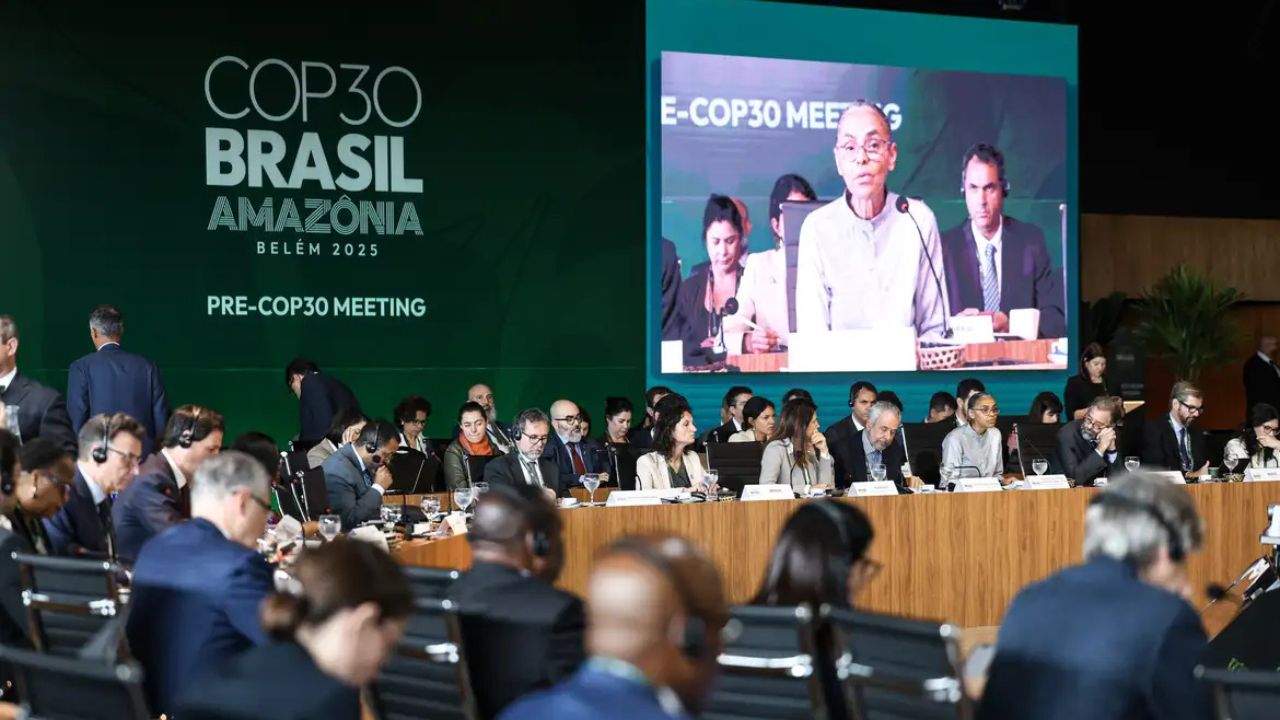
Brazil Presents Belém 4x Plan to Expand the Use of Sustainable Fuels by 2035, with International Partnership from Japan, Italy, and India at Pre-COP30
On October 14, 2025, during the second day of Pre-COP30 in Brasília, Brazil officially presented the ‘Belém 4x’ plan, an ambitious initiative to quadruple the production and use of sustainable fuels by 2035.
The project has the strategic support of Japan, Italy, and India, countries that have committed to collaborating in the formulation and implementation of the proposal. The measure was announced by the Itamaraty Palace and is expected to be endorsed at the Climate Summit in Belém on November 6 and 7.
What is ‘Belém 4x’?
Brazil Takes Climate Leadership with the Launch of ‘Belém 4x’, reinforcing its role as host of COP30. The proposal emerges at a critical moment for the global environmental agenda, focusing on energy transition and emissions reduction. The plan aims to accelerate the development of sustainable fuels, promoting innovation, international cooperation, and investments in clean technologies.
-
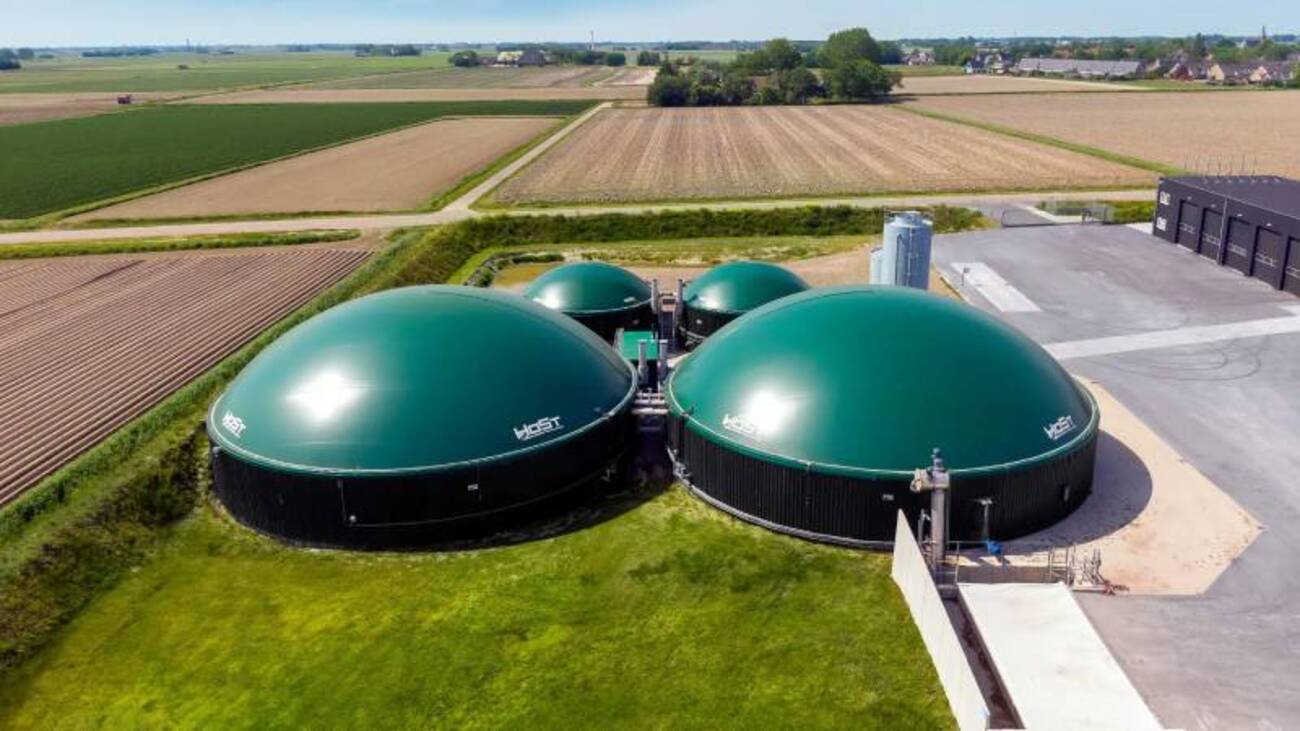
Revolution in the sugar-energy sector: Government sets new target for biomethane and paves the way for ethanol plants to profit from the conversion of waste into renewable fuel.
-
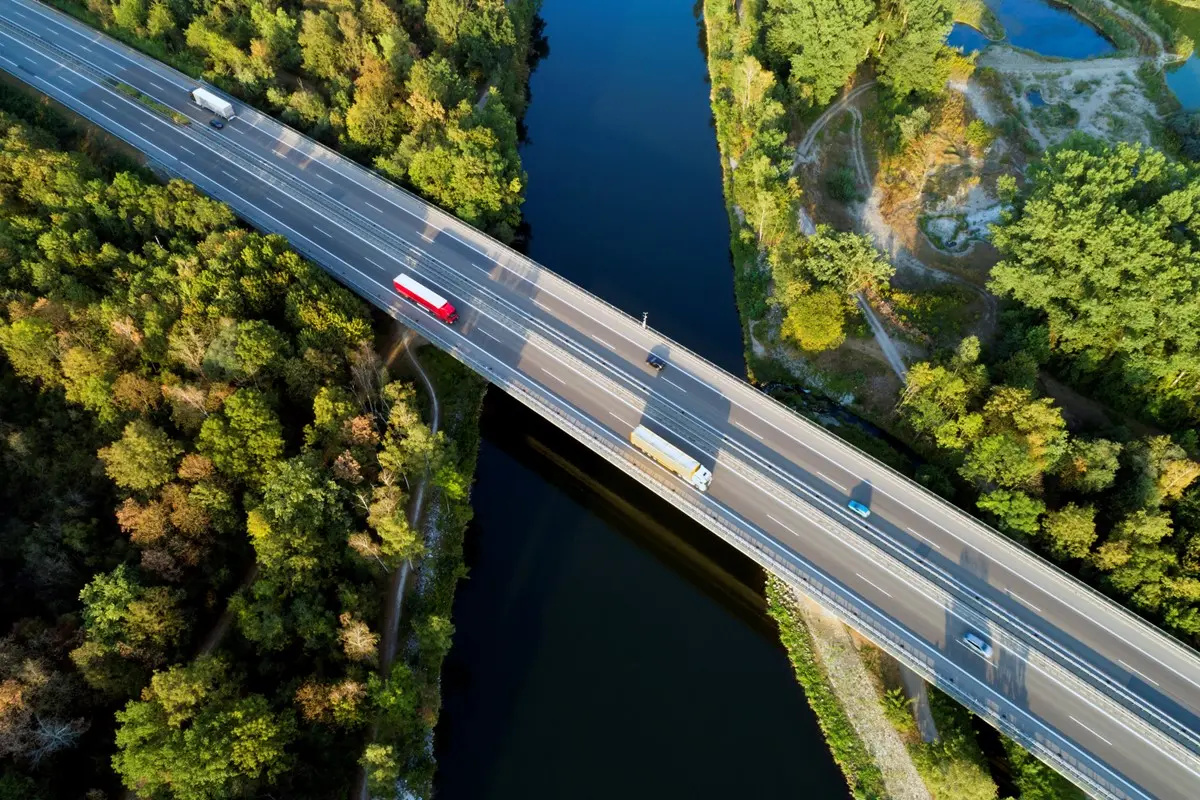
Brazil bets on biomethane, ethanol, and hydrogen as the definitive solutions for the decarbonization of heavy vehicles and the reduction of emissions in cargo transportation.
-
The biodiesel industry is pressuring the government for a simplified test to increase the blend with diesel and highlights the potential to attract investments, accelerate production, and consolidate Brazil’s leadership in biofuels.
-
Brazil accelerates hydrogen and biofuel projects to consolidate the fuel of the future and reduce dependence on oil by 2026.
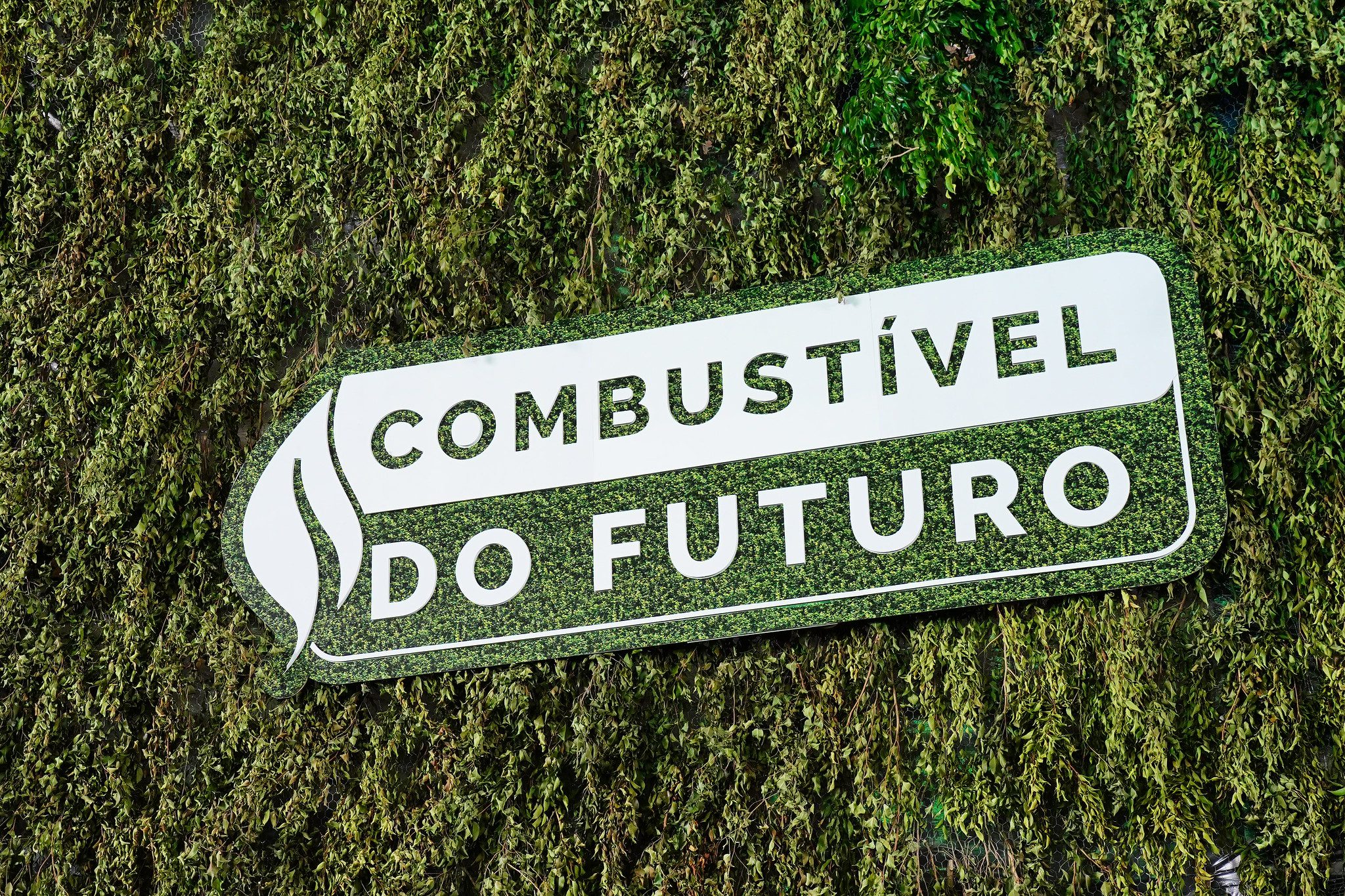
‘Belém 4x’ is the name given to the Belém Commitment for Sustainable Fuels, an initiative that aims to multiply the production and consumption of low-carbon fuels by four times by 2035. The proposal was developed based on technical studies and diplomatic negotiations involving countries with a strong presence in the energy and environmental sectors.
Main Objectives
- Increase sustainable fuel production in Brazil by 4 times
- Establish international partnerships for technology transfer
- Create economic incentives for the bioenergy sector
- Reduce dependence on fossil fuels
- Contribute to the climate goals of COP30
International Partnerships: Japan, Italy, and India Strengthen ‘Belém 4x’
During Pre-COP30, Brazil announced that Japan, Italy, and India have joined the commitment, expressing interest in collaborating with investments, research, and development.
These countries possess expertise in clean technologies and already hold bilateral agreements with Brazil in areas such as biofuels, green hydrogen, and solar energy.
International cooperation is essential for the success of ‘Belém 4x’, as it allows sharing best practices, financing projects, and accessing global markets. According to Itamaraty, the final text of the commitment will be published in the coming days and could be officially ratified during COP30.
Sustainable Fuels: Pillars of Energy Transition
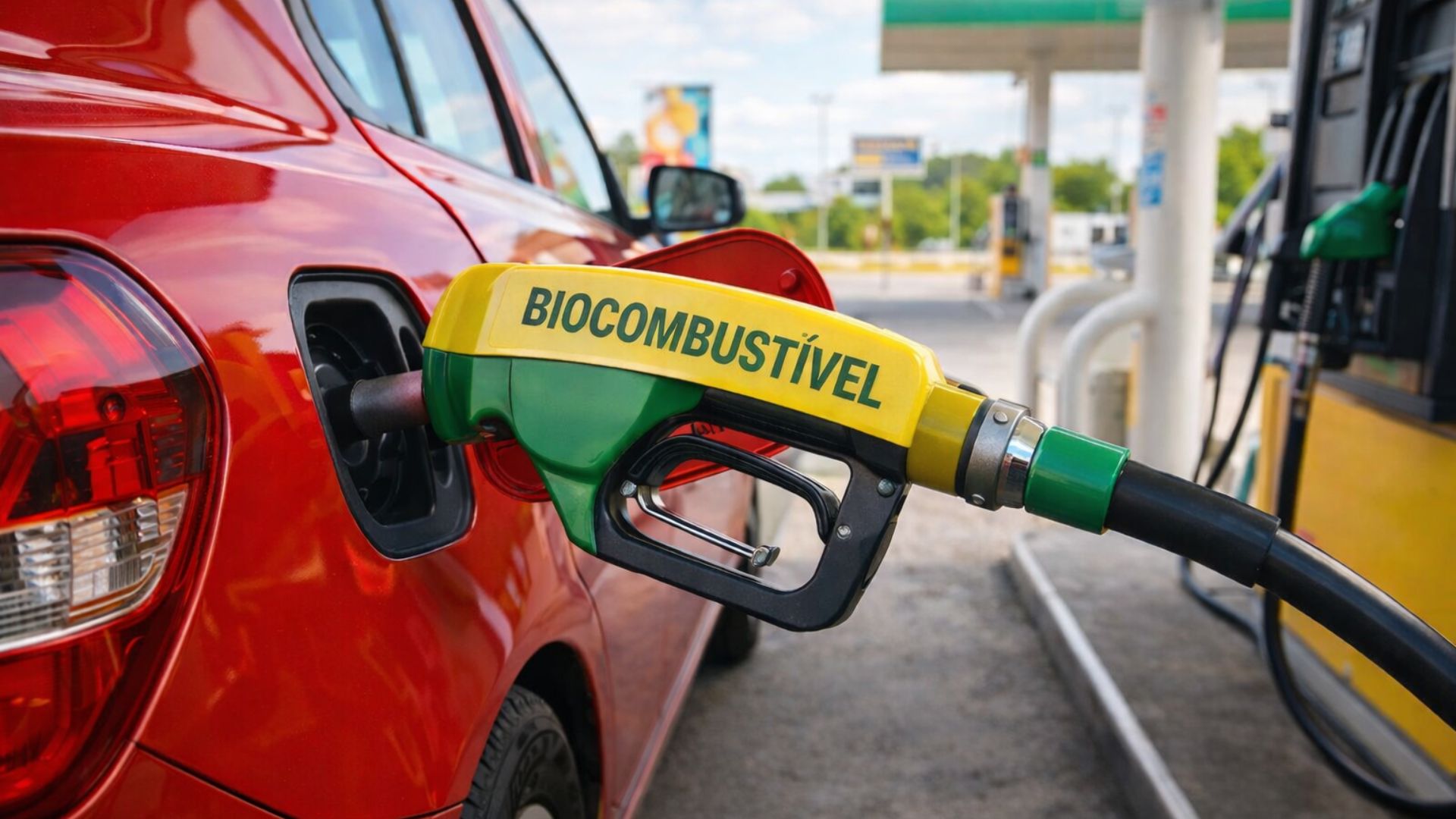
The term sustainable fuels encompasses a variety of renewable energy sources, such as ethanol, biodiesel, biogas, green hydrogen, and SAF (Sustainable Aviation Fuel). These fuels are produced from renewable raw materials and have a lower environmental impact compared to petroleum derivatives.
Current Overview in Brazil
- Brazil is a global leader in sugarcane ethanol production
- Biodiesel accounts for about 14% in the diesel blend in Brazil
- Green hydrogen is starting to gain traction in pilot projects
With ‘Belém 4x’, Brazil aims to consolidate its global leadership in bioenergy, expanding the production and export capacity of the sector.
COP30: Ideal Scenario to Consolidate Climate Commitments
The COP30 will be held in Belém on November 6 and 7, 2025, bringing together leaders from nearly 200 countries to discuss concrete actions against climate change. The event marks the 10-year anniversary of the Paris Agreement and aims to turn goals into effective public policies.
The launch of ‘Belém 4x’ positions Brazil as a leader at COP30, offering a concrete and measurable proposal for energy transition. The expectation is that the commitment will be endorsed by other countries and integrated into national decarbonization plans.
Challenges and Opportunities for Brazil with ‘Belém 4x’
Despite its potential, Brazil faces structural challenges to expand the production of sustainable fuels:
- Lack of logistical infrastructure
- Regulatory bureaucracy
- Need for private investments
- Technical training of the workforce
On the other hand, there are significant opportunities:
- Abundance of natural resources
- Consolidated experience in bioenergy
- Growing demand for clean energy
- International support from countries like Japan, Italy, and India
The implementation of ‘Belém 4x’ could generate thousands of green jobs, stimulate the economy, and position Brazil as a global reference in energy sustainability.
Environmental and Economic Impact of ‘Belém 4x’
According to estimates, quadrupling the production of sustainable fuels could significantly reduce greenhouse gas emissions in the transportation sector.
The energy transition is an economic and environmental opportunity, capable of transforming the country’s development model. The proposal has been well received by experts, NGOs, and representatives from the private sector. The National Confederation of Industry (CNI) highlighted that the plan could strengthen Brazil’s competitiveness in the global clean energy market.
Organizations like the Climate Observatory warn about the need for clear goals and monitoring mechanisms. The adherence of Japan, Italy, and India reinforces the international credibility of ‘Belém 4x’, increasing the chances of success for the initiative.


Paths to Turn the Commitment into Reality
The launch of ‘Belém 4x’ marks a historic moment for Brazil and the global climate agenda. With ambitious goals, international support, and a focus on sustainable fuels, the country positions itself as a leader in the energy transition towards a low-carbon future.
The proposal will be one of the main highlights of COP30, and its success will depend on coordination between government, the private sector, and civil society. The commitment to quadruple production by 2035 is ambitious, but feasible, provided it is accompanied by effective public policies and consistent investments.





Seja o primeiro a reagir!