





 Portuguese
  English
  Spanish
  3 min of reading
  0 comments


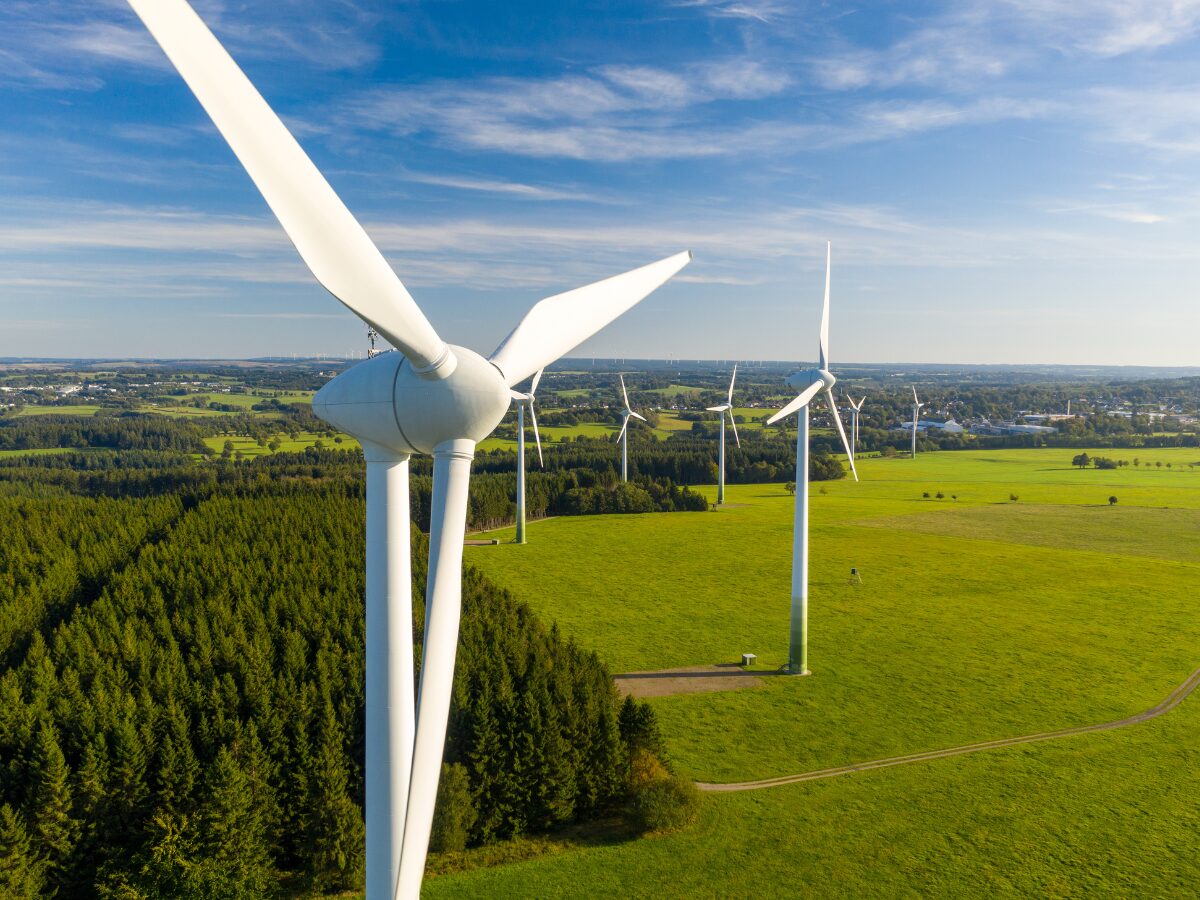
According to GWEC, The Americas Should Add 60 GW by 2023. Brazil Leads Wind Energy with Competitive Auctions and Strong Production in the Northeast.
Brazil is establishing itself as one of the main players in wind energy generation in the Americas, alongside the United States and Mexico. According to data from the Global Wind Energy Council (GWEC), recently released, the Americas — encompassing North, Central, and South America — were responsible for 25% of the global installed capacity in 2018, highlighting the region’s growing role in the global energy transition.
In total, the total installed capacity of wind energy in the Americas reached 135 gigawatts (GW) during this period, representing a 12% increase compared to 2017.
Wind Energy Consistently Grows in The Americas
The expectation for the coming years is for this progress to continue. GWEC predicts the addition of 60 GW in new wind capacities between 2019 and 2023, driven by public policies, energy auctions, and investments in infrastructure.
-
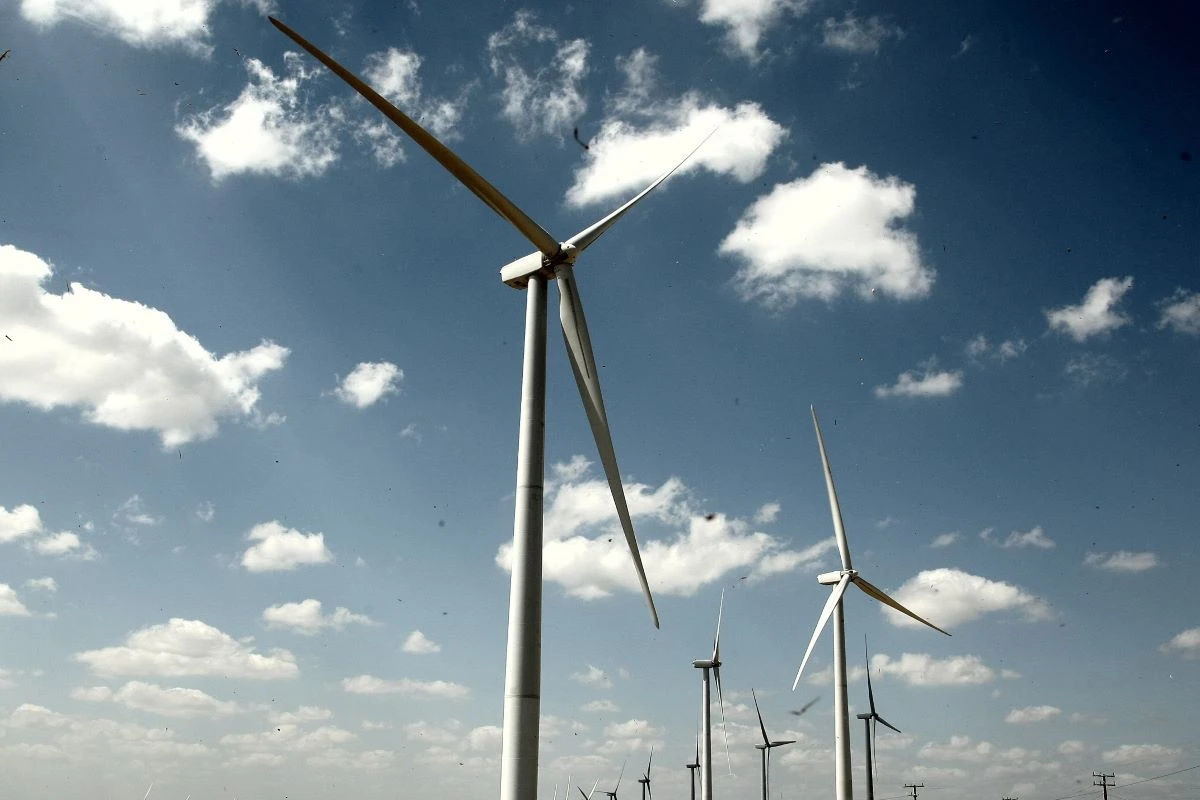
Urgent energy transition: Greenpeace advocates for massive investments and points to Brazil as a global leader in wind energy production in the coming years.
-
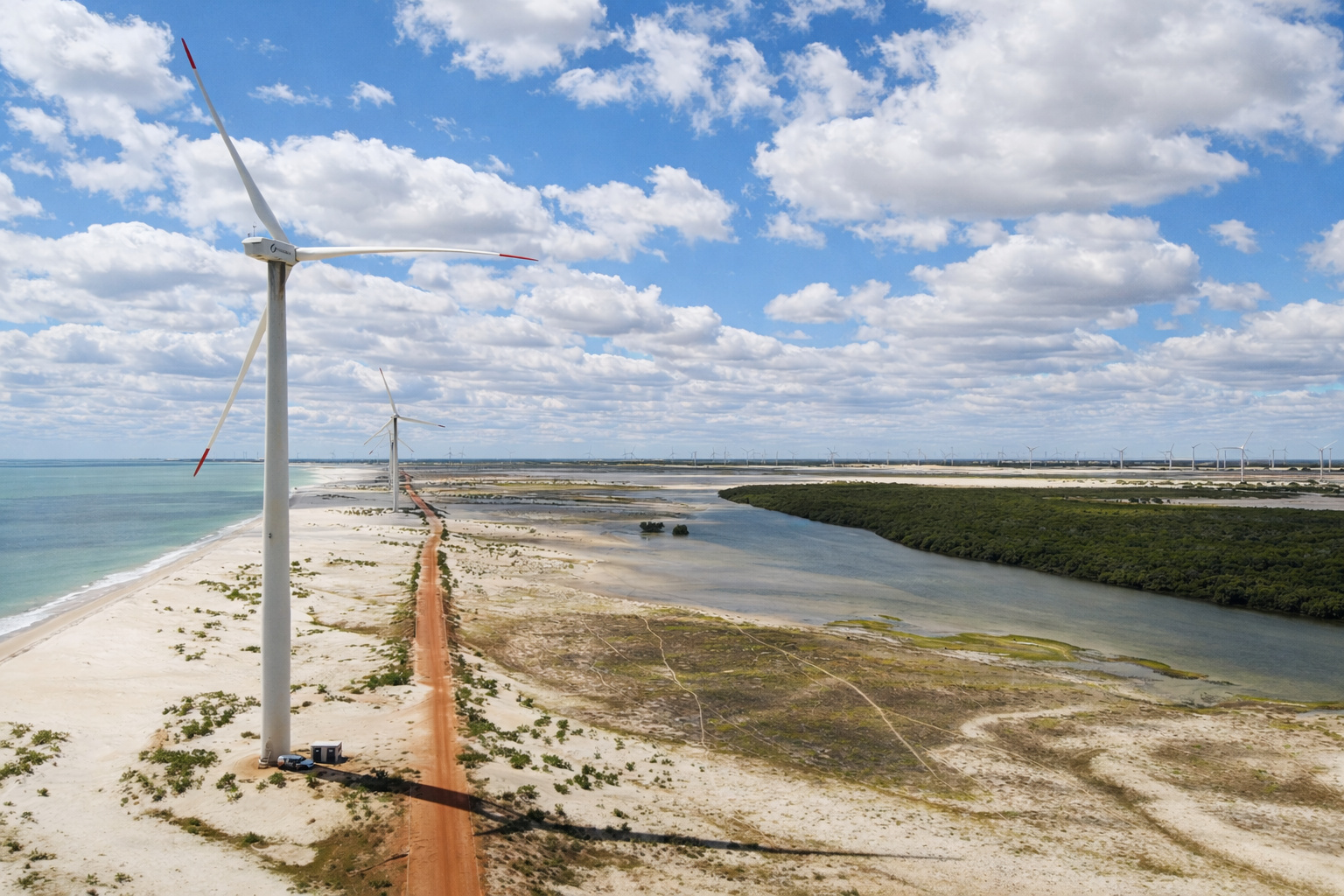
Conflict in the Sertão: Rural communities in Rio Grande do Norte report issues with wind farms and the new challenges of clean energy in the semi-arid region.
-
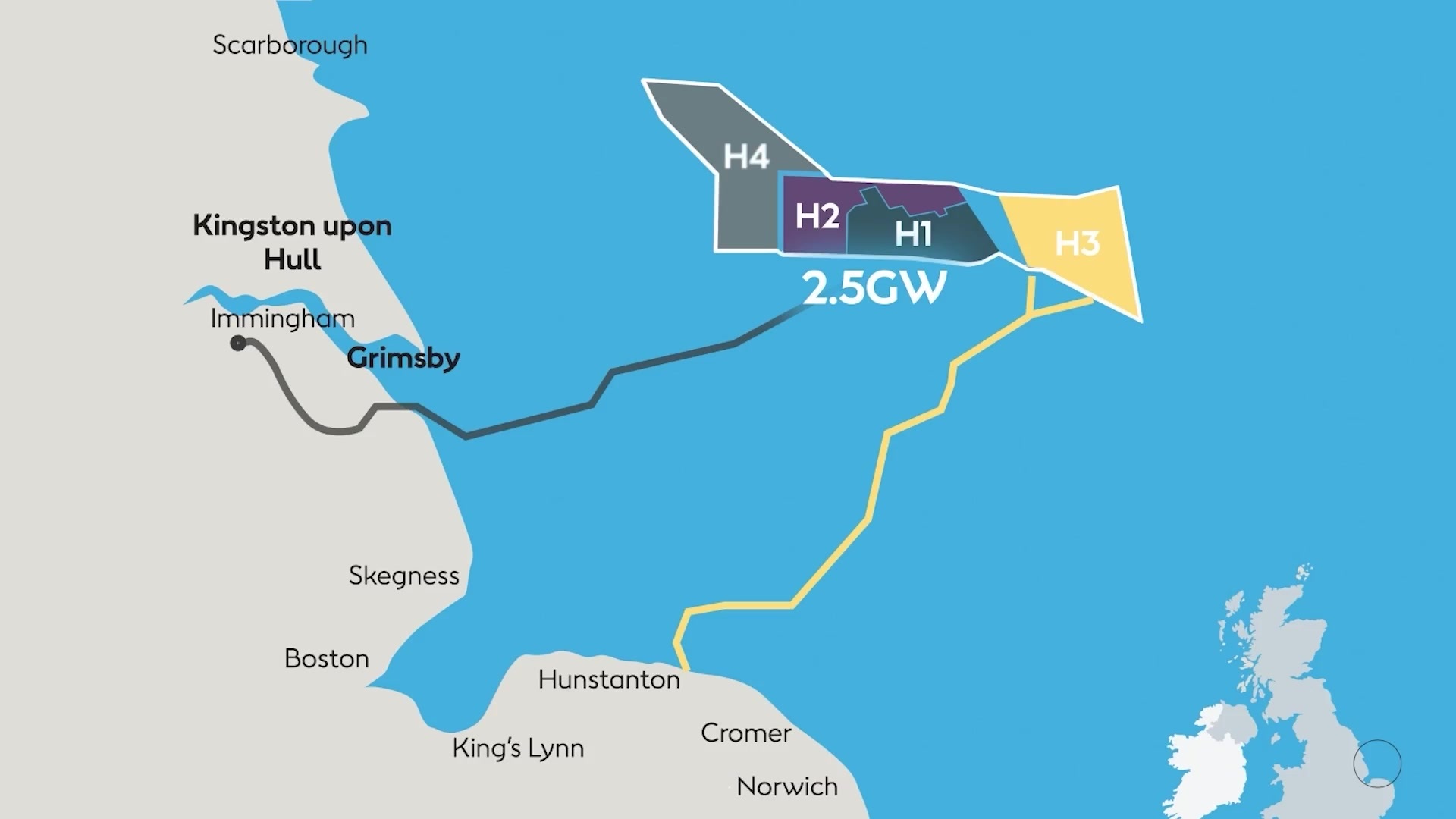
231 turbines of 260 meters at 160 km from the coast, monopiles weighing as much as nine blue whales embedded in the North Sea, and a crane ship taller than the Eiffel Tower: Hornsea 3 will be the largest offshore wind farm on the planet by 2027, and its first components have already arrived in England.
-
International Certification Puts Senai Norte on the Renewable Energy Map and Expands Access to Essential Training for Qualified Wind Power Professionals


The expansion of wind energy in the Americas reflects the regional commitment to clean and renewable sources, while also highlighting the still unexplored growth potential, especially in Latin America.
Brazil Shines in Regional Leadership
In South America, Brazil stands out as the leading producer of wind energy. In 2018, the country added 2 GW to its energy matrix from this source, according to GWEC.
The Brazilian highlight is also due to the competitiveness of the prices practiced: auctions held during the period reached values of only US$ 20 per megawatt-hour (MWh), a level considered competitive globally.
Reive Barros, Secretary of Planning and Energy Development at the Ministry of Mines and Energy, highlighted the importance of wind energy in the national matrix: “Brazil currently has an installed wind energy production capacity of 14.7 GW. This represents about 8% of the total in the Brazilian energy matrix. The goal is to increase this percentage to 13% in 10 years.”
Northeast Brazil Concentrates Most of the Wind Energy Production
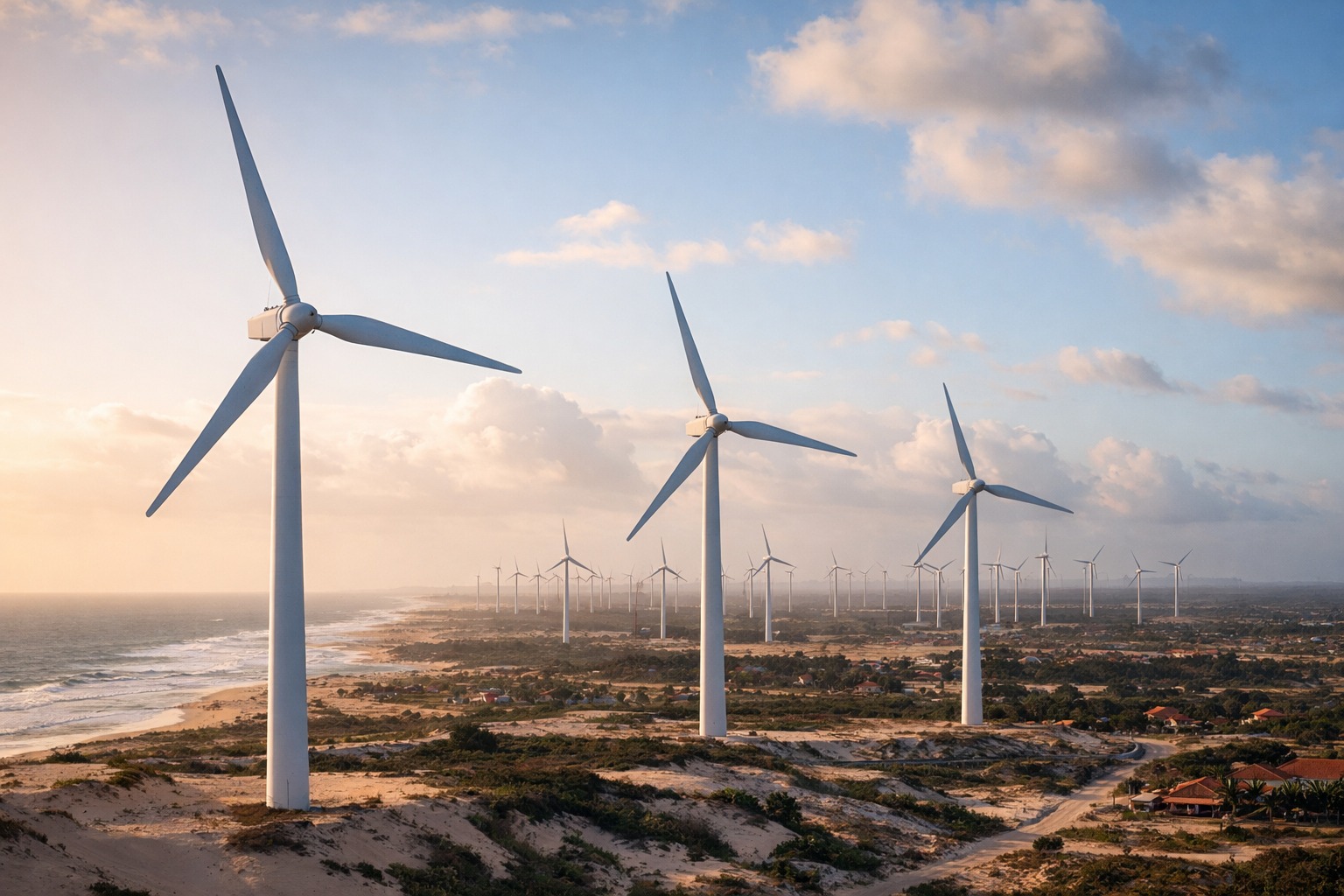
The Brazilian prominence is driven mainly by the Northeast Region, which accounts for 85% of the national wind energy production. The states of Piauí, Rio Grande do Norte, and Bahia are the main generation hubs.
“In the longer term, however, Bahia is expected to take the lead due to its territorial dimensions and potential,” Barros said.
The installed infrastructure and the potential for constant winds make the Northeast one of the most favorable regions in the world for the exploration of this type of renewable energy.
The combination of abundant natural resources, tax incentives, and technology has facilitated the installation of new wind farms at an accelerated pace.
Auctions and Investments Promise to Accelerate Expansion in Brazil
For 2025, the Ministry of Mines and Energy already predicts two auctions aimed at the implementation of new wind farms.
One is scheduled for the first half, with a four-year execution period, and another in the second half, with an estimated completion of six years.
“Our goal for wind energy in Brazil is to grow 2.2% per year,” Barros emphasized.
Latin America Follows Growth Trajectory in Wind Energy
In addition to Brazil, other countries in Latin America are also advancing in wind energy production. In 2018, the installed capacity in the region grew by 18.7% compared to the previous year.
According to GWEC, governments’ commitment to public auctions has been essential in boosting the sector. Colombia, for example, held its first wind energy auction in February 2019.
“The development of the wind energy market in Latin America is showing to be quite positive. Brazil held large-scale auctions again, and we expect the first auction in Colombia to take place this February. Other investments in the supply chain from leading original equipment manufacturers in Argentina confirm the long-term market potential,” stated Ben Backwell, director of GWEC.
With consistent public policies, an expanded supply chain, and favorable natural conditions, wind energy continues to gain prominence in the Americas.
Brazil, with its consolidated leadership, positions itself as a global reference in the energy transition, contributing to a more sustainable future that is less dependent on fossil fuels.
With information from Correio do Povo.






Seja o primeiro a reagir!