





 Portuguese
  English
  Spanish
  4 min of reading
  0 comments


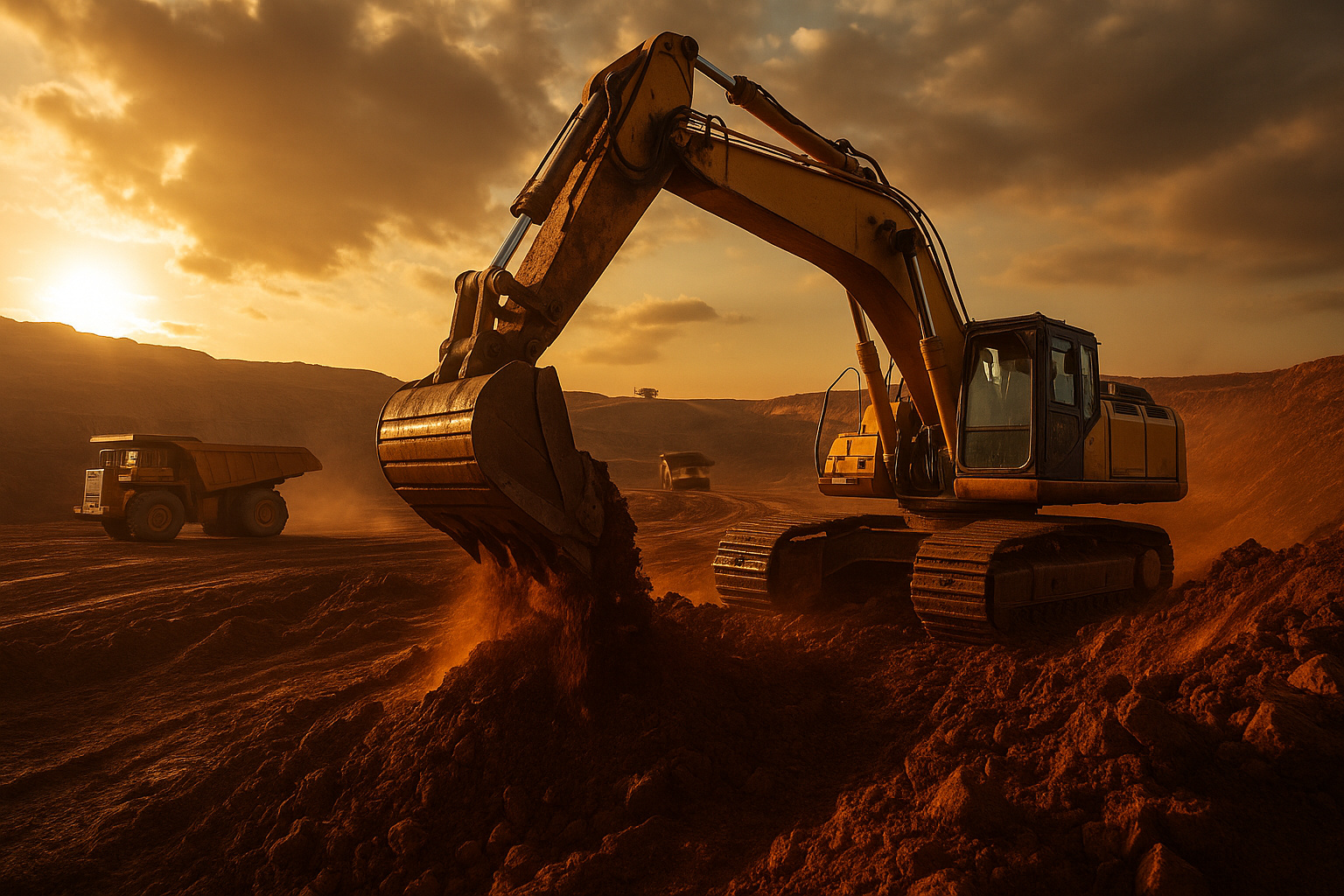
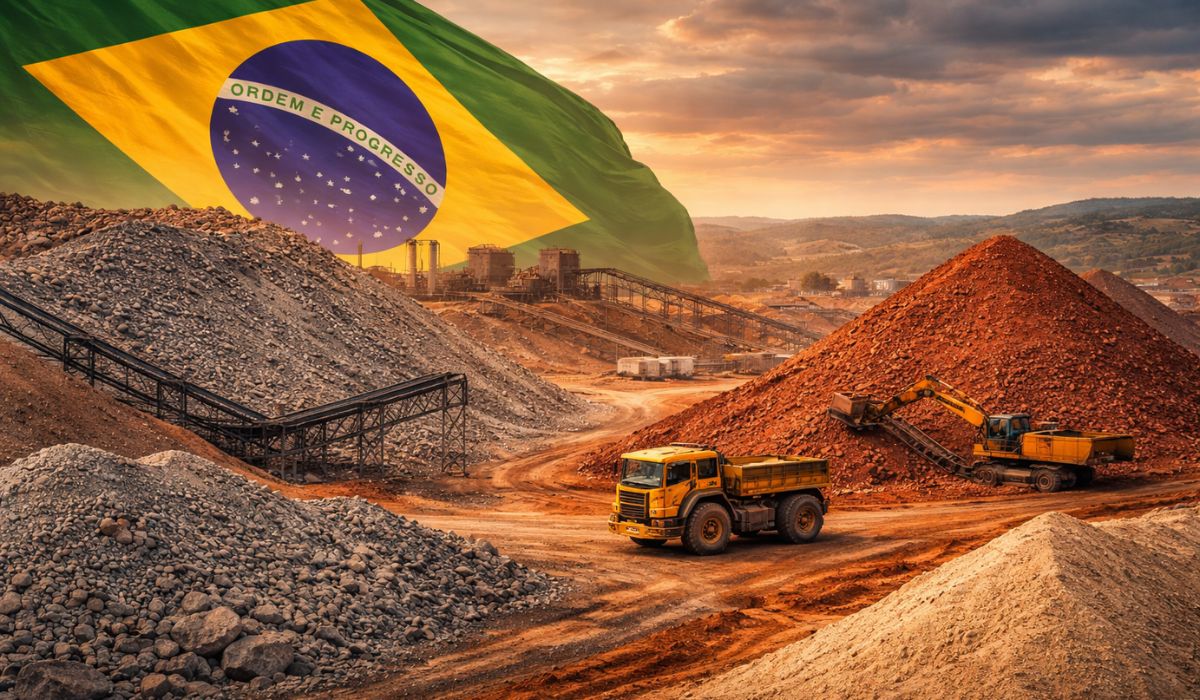
Brazil Must Attract US$ 18.45 Billion By 2029 In Rare Earth Mining And Position Itself As A Global Power In The New Green Economy.
Brazil Accelerates Billion-Dollar Investments In Rare Earths And Aims For World Leadership
The Brazil is increasingly close to entering the map of the new global economy.
According to the Brazilian Mining Institute (Ibram), the country is expected to receive US$ 18.45 billion in investments in the critical minerals sector, such as Rare Earths, by 2029.
These elements, essential for green and electronic technologies, have become strategic assets at the center of the economic contest between the USA and China.
-
After China, it’s now the turn of the USA to ‘secure’ a share of Brazil’s natural resources: the country buys critical rare earths for R$ 3 billion and enters the center of the global technology dispute.
-
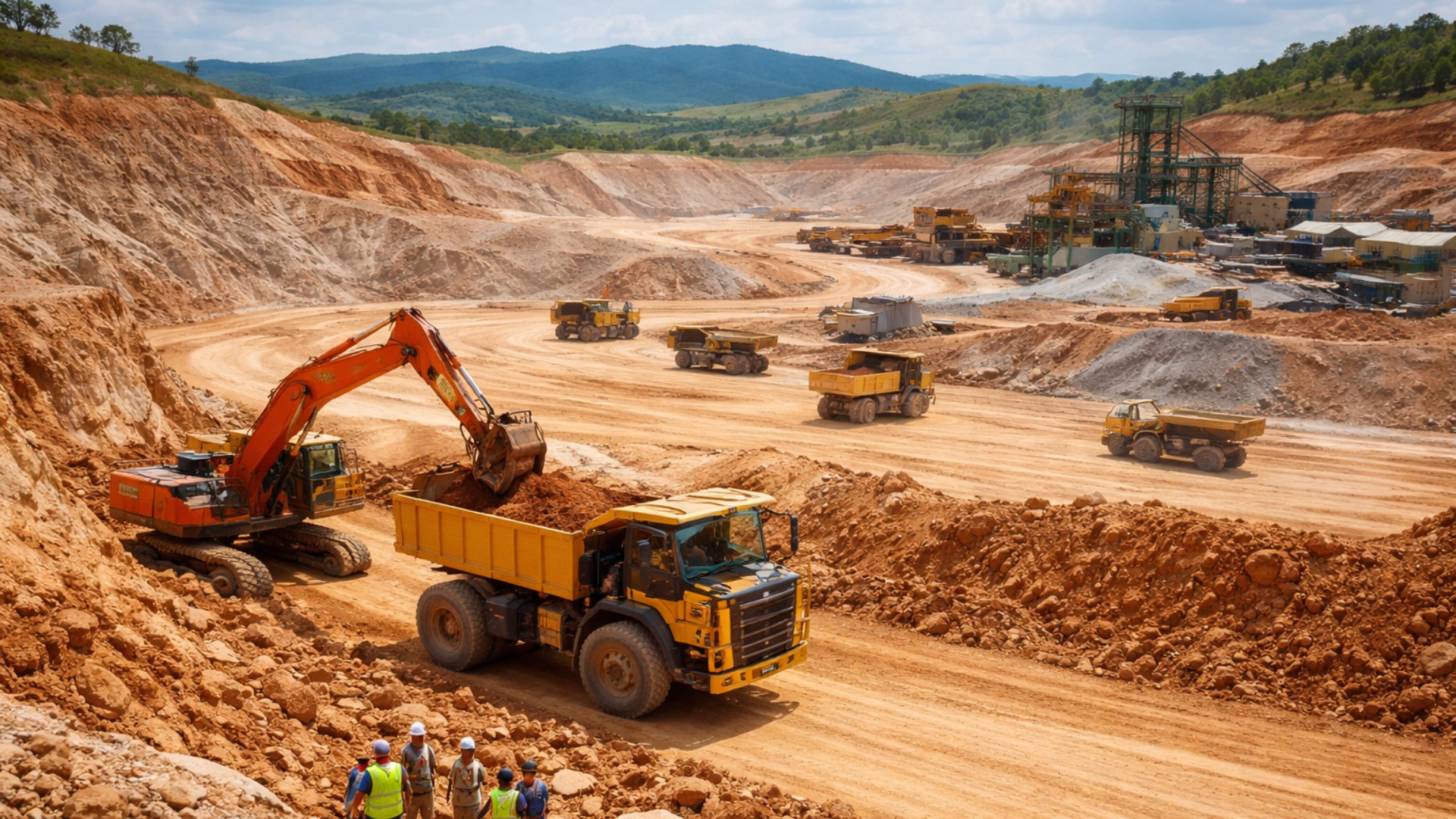
Rare earths are in everything, from cell phones to bullet trains, and what almost no one realizes is why they have become the target of such a delicate global war.
-
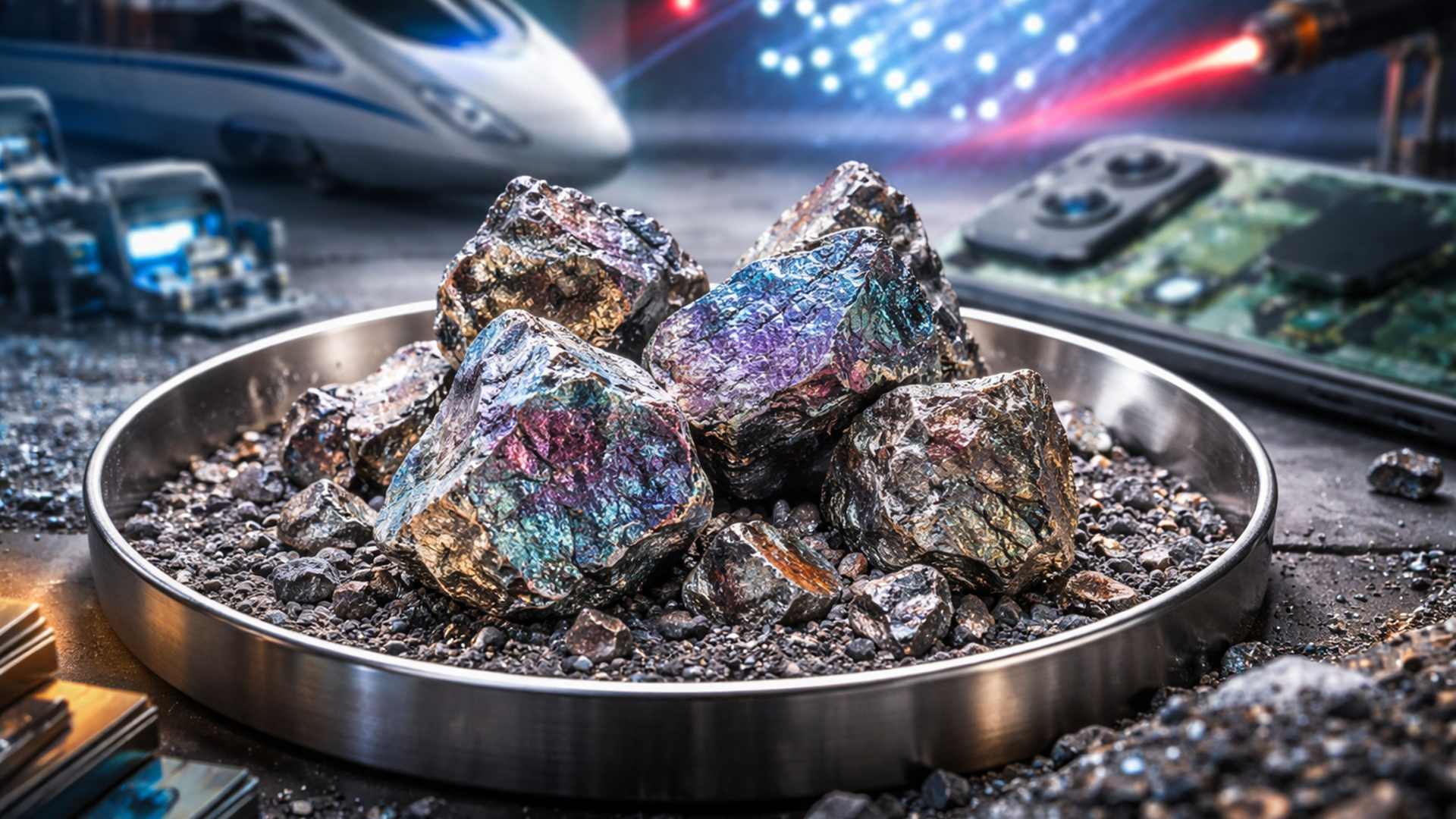
Brazil extracts 26.3 million tons of ore from what was previously treated as waste, transforming residues into wealth, producing over 3 million tons of sand, and demonstrating how national mining is relearning to generate value.
-
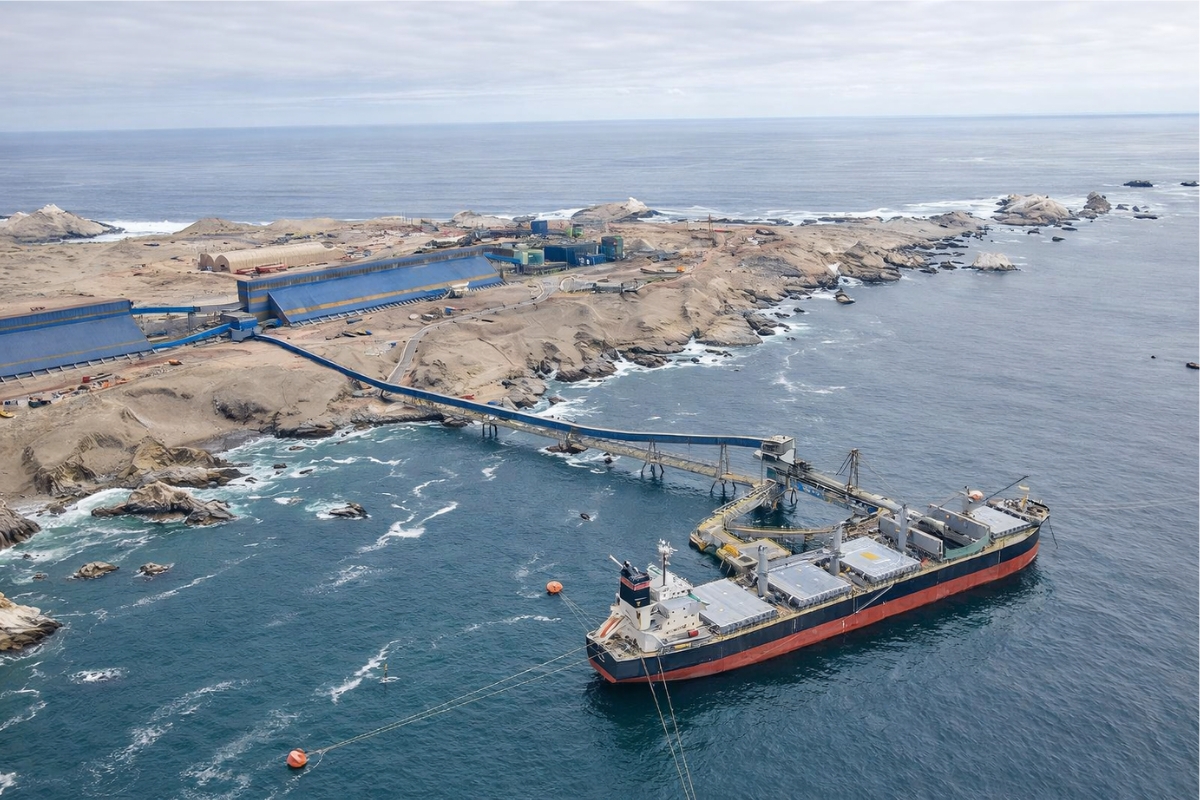
A $3.5 billion megaproject in Latin America pumps desalinated seawater at 1,050 liters per second over 194 km to keep a copper supermine in the Andes operational for another 20 years.

Moreover, the quarterly report from the Ibram, released this Tuesday (21), indicated a total of US$ 68.4 billion in projects expected for the next mineral cycle, which reinforces the strength of mining in the Brazilian economy and the geopolitical weight of the country in the international arena.
Rare Earths: The New Gold of the Global Economy
The Rare Earths — a group of 17 chemical elements used in batteries, electric cars, cell phones, and solar panels — are at the center of the race for strategic investments.
The Brazil holds the second largest reserve in the world, second only to China, and has the potential to become one of the leading global suppliers.
For the president of the Ibram, Raul Jungmann, the challenge is to transform the mineral potential into high-value-added wealth.
“It is important that we do not remain just in the extractions, but the issue is the following steps. It is necessary to have refinement, Brazil aims to take control of these stages, and therefore we have the perspective and cannot give up adding value,” Jungmann said.
The positioning reflects a long-term strategy: to stop being just an exporter of raw materials and advance in the industrialization of mining, increasing the impact on the economy and in the national technological chain.
Global Competition Drives Investments In Brazil
The trade dispute between the USA and China is repositioning Brazil at the center of the global economy.
The government of Donald Trump criticizes the Chinese monopoly on Rare Earths and threatens to double tariffs on products from Beijing.
In this context, Brazil emerges as a strategic alternative, capable of supplying part of the American demand and strengthening its diplomatic influence.
According to Fernando Azevedo, vice president of the Ibram, “the more technology advances, the more these minerals are used.”
Thus, investments in mining are no longer merely economic and are becoming geopolitical assets in the coming decades.
Minas Gerais Leads And Drives Mining Growth
The third-quarter report shows that the Brazilian mineral sector continues to experience strong expansion. Revenue reached R$ 76.2 billion, a growth of 34% compared to the same period in 2024.
The highlight is Minas Gerais, which leads the sector with 39% of total revenue, equivalent to R$ 29.7 billion, followed by Pará (35%) and Bahia (4%). The performance in Minas was driven by a 27% increase in iron ore production, which accounted for R$ 39.8 billion, or half of the national total.
According to Julio Nery, director of Mining Affairs at Ibram, the result was favored by the weather:
“It was a very favorable period for production, which is a dry season. This greatly benefits open-pit mines,” he explained.
Exports And Trade Balance Strengthen The Economy
The mining sector continued to rise and, as a result, increased exports to 121 million tons, a rise of 6.2% compared to 2024.
Moreover, the exported value reached US$ 12.2 billion, with iron ore accounting for 65%, further reinforcing the strength of the sector in foreign trade.
Consequently, the mineral balance surplus reached US$ 9.64 billion, which corresponds to 62% of the national surplus of US$ 15.67 billion.
Thus, the result confirms that mining remains essential, as it sustains the GDP, attracts foreign capital, and strengthens Brazil’s role in the global economy.
Promising Future For Brazil In The Era Of Strategic Minerals
With technological advancement and growing demand for clean energy, the Rare Earth market is expected to expand rapidly in the coming years.
In this scenario, Brazil, with its abundant reserves and the US$ 18.45 billion investment plan, has a historic opportunity to lead sustainable mining and consolidate its strength in the global economy.
Meanwhile, the global race for critical minerals continues to gain momentum, and Brazil, it seems, is ready to get ahead.






-

-

2 pessoas reagiram a isso.