





 Portuguese
  English
  Spanish
  4 min of reading
  1 comment


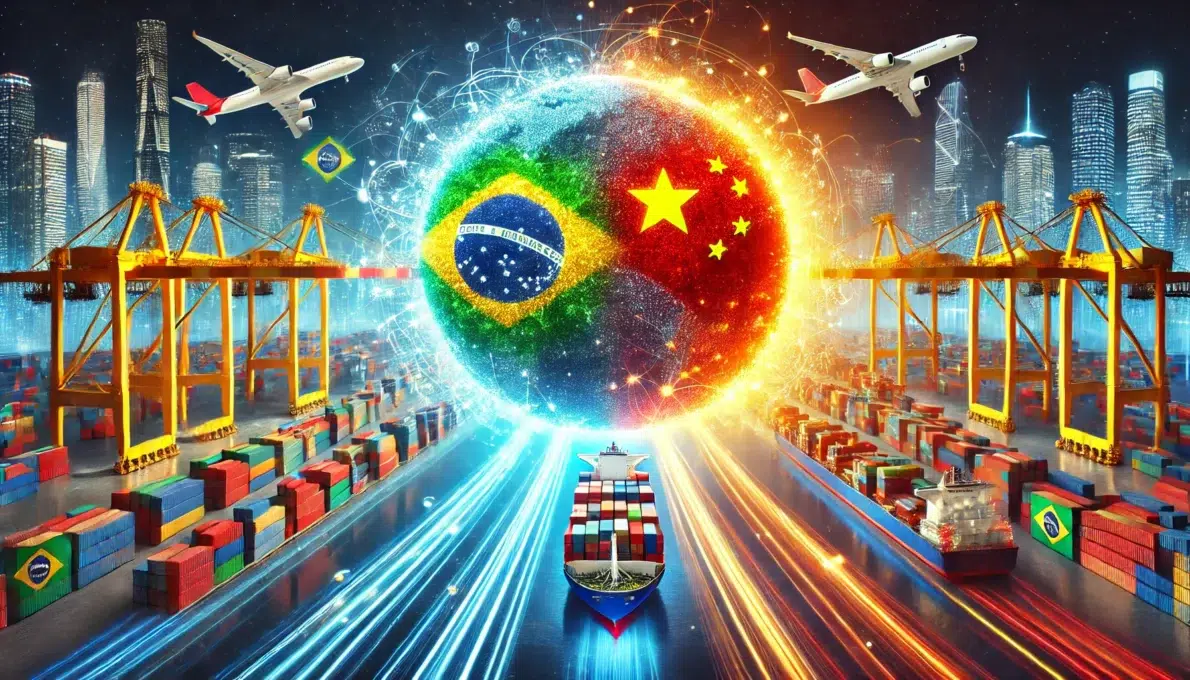

Joining the Silk Road Will Bring Billions to Brazil: Railways, Highways, and a New Era of Investments from China Promise to Revolutionize Latin America
China presented to the world one of the largest infrastructure and investment projects in history. It is the ‘New Silk Road’, an initiative that has already mobilized over US$ 1 trillion in infrastructure works such as ports, highways, railways, and energy projects in more than 150 countries, mainly in Africa, South America, and the Middle East.
Brazil’s participation in the investment project, formally called the ‘Belt and Road Initiative’, is on the agenda for the visit that Chinese President Xi Jinping will make to Rio de Janeiro in November for the G20 meeting.
Washington on Alert! Brazil and China Adjust Details for Entry into the Silk Road
The Brazilian government is preparing for a strategic decision: joining the Silk Road, an initiative led by China, which promises massive investments in infrastructure works. Focusing on highways, railways, and other crucial areas for development, Brazil is carefully evaluating the impacts of this participation.
-
Oil surged to $115 a barrel due to the war in the Middle East, and diesel in Brazil has already risen to R$ 7.45 per liter, while the United States…

-
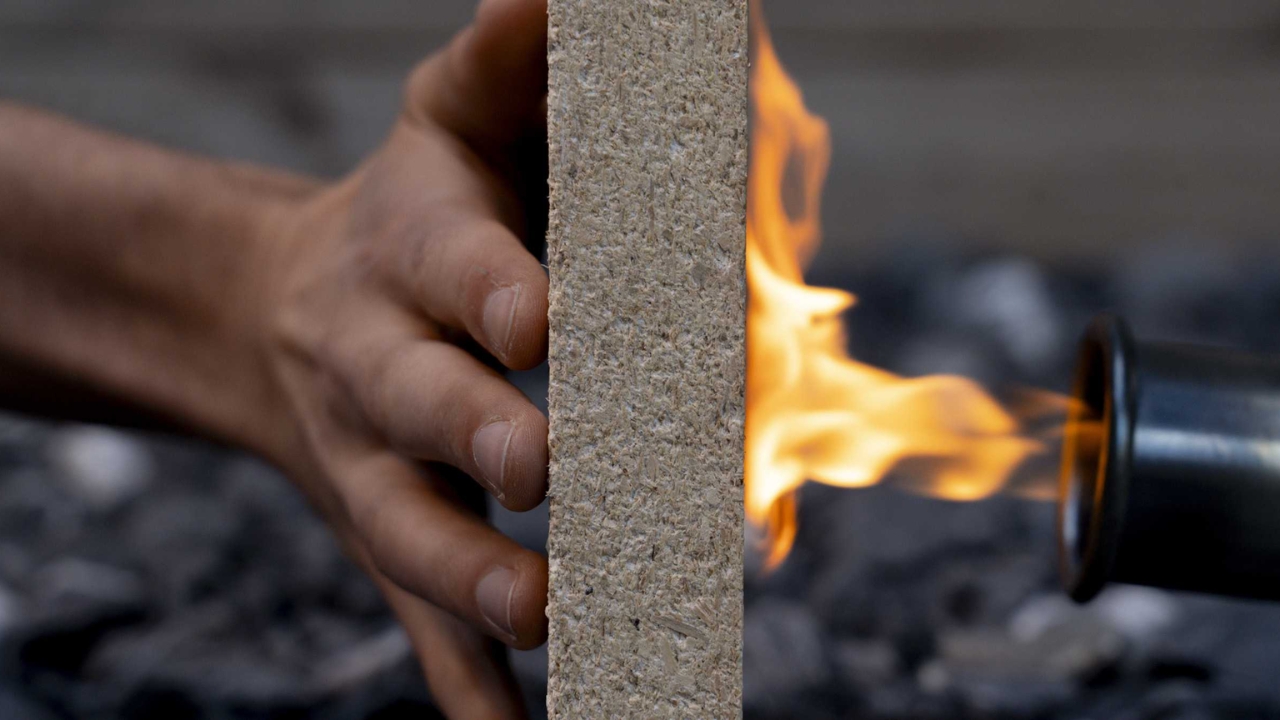
Scientists transform sawdust into fire-resistant panels, stabilize the compound with an enzyme extracted from watermelon seeds, and turn waste into promising material for construction.
-
Iranian drones and missiles destroyed a 270 million dollar American spy plane in Saudi Arabia, splitting the E-3 Sentry aircraft in half and injuring 12 military personnel in an attack that exposes the vulnerability of U.S. bases in the Persian Gulf.

-
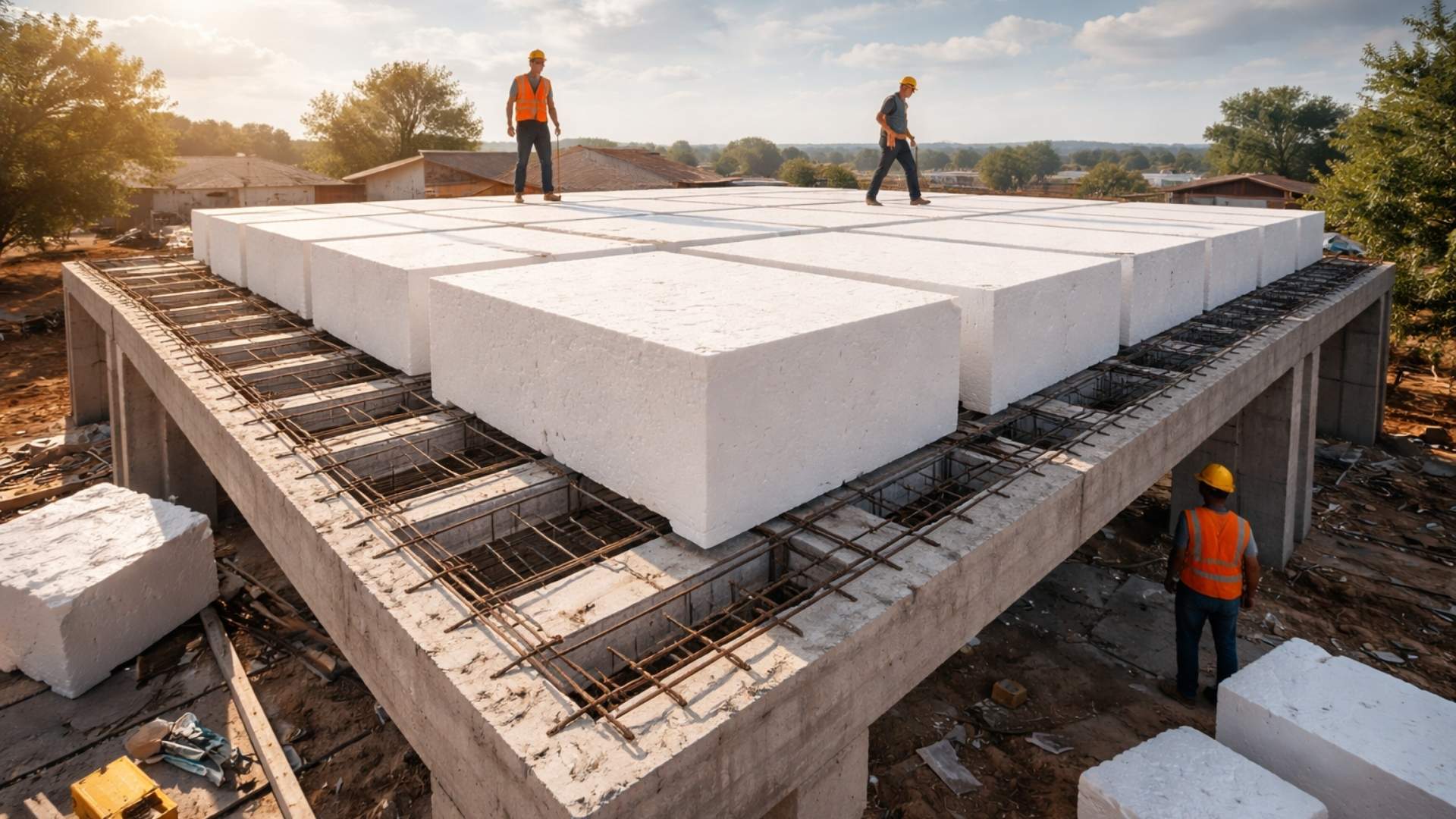
Forget concrete: architects are replacing tons of concrete with giant blocks of expanded polystyrene to build the roofs of houses and reduce structural weight by up to 50%, cut costs, improve thermal insulation, and speed up construction.

Recently, an interministerial task force was formed to analyze the potential of this partnership with China. The investment proposal could strengthen trade relations between Brazil and China, but it also raises concerns in Brasília about the reaction from the U.S., especially in a scenario of a Donald Trump victory in the American presidential elections. Proximity to Washington is seen as essential for Brazil’s diplomatic balance, making this decision even more delicate.
Construction Promises to Connect Brazil to the Largest Market in the World
Sources linked to the government indicate that the Chinese embassy in Brazil hopes to formalize the country’s entry into the initiative during Xi Jinping’s visit in November. The Silk Road is a strategy by China to integrate global investments and economies around a vast trade project centered in Beijing. With colossal investments in projects ranging from railways to highways in various countries, Brazil is in the sights of this economic integration, which promises to accelerate the country’s development in strategic areas.
However, diplomats from Itamaraty advised President Luiz Inácio Lula da Silva to delay the announcement until the results of the U.S. elections, scheduled for November 5, are known. The concern is clear: a Trump victory could harm relations between Brazil and Washington if the country announces its participation in Chinese investments in the Silk Road before the elections conclude.
Lula himself has already expressed support for Kamala Harris, the Democratic candidate for the U.S. presidency, and has said in meetings with Brazilian leaders that he hopes for her victory. Participation in the Silk Road investments, associated with support for Harris, could be seen as a distancing from Washington, especially under a Republican administration, which has shown a more critical stance towards China.
Participation in the Silk Road Would Be a “Fundamental Measure” in Long-Term Relations Between Brazil and China
The decision to join the Chinese initiative began to be considered in June when former President Dilma Rousseff, now at the head of the Brics Bank, presented the benefits of investment participation to the Lula government. The task force created to evaluate the proposal includes heavyweight names, such as the Chief of Staff, Rui Costa, and Vice President Geraldo Alckmin, and is expected to meet after the UN General Assembly to discuss the matter.
Lula, in public statements made in July, remarked that Brazil is carefully weighing what it can gain from joining the Silk Road investments. Entry into the initiative would be an opportunity for the country to position itself as a strategic link in Latin America’s trade routes, especially at a time when the government seeks reindustrialization and the strengthening of South American integration.
The Chinese embassy, in turn, emphasized that Brazil’s participation in the Silk Road would be a “fundamental measure,” signaling stability in long-term relations between the two countries. Furthermore, China believes that this partnership is in total alignment with Lula’s investment and economic development plans, including accelerating growth and integrating Latin America.
So far, neither the Chinese embassy in Brasília nor the Brazilian Ministry of Foreign Affairs has responded to requests for comments on the latest developments in this negotiation. The expectation is that details will be discussed and possibly announced soon, depending on the political scenario in the U.S. and the Brazilian government’s diplomatic strategies.






Estou c 80 anos e quero ver o Brasil na Rota da Seda ainda este ano.