





 English
  Francês
  Alemão
  Italiano
  Japonês
  Norueguês
  Portuguese
  Spanish
  4 min of reading


Energy Efficiency, The Art of Using The Least Amount Possible to Achieve More or The Same, Is Still an Area That Has Much to Be Improved in Commercial and Industrial Installations
A recent survey conducted by the Brazilian Association of Energy Conservation Service Companies (Abesco) showed that Brazil lost about R$ 52 billion due to electricity waste (the assessment was from 2015 to 2017). The lack of rain and the dependence on hydroelectric plants make this discussion even more urgent.
See Also
- AES Launches The First Robot for Installing Photovoltaic Panels: Atlas Represents A Revolution in Solar Energy Technology, Making It Faster, More Efficient, and Safer to Build New Solar Plants
- Startups Heat Up The Job Market With More Than 275 Job Openings for On-Site and Remote Positions, Ranging From Elementary to Higher Education
- Maersk Reveals The Image of The World’s First Fleet of Container Ships Powered by Green Fuel, Whose Operation Is Scheduled for Early 2024
- Siemens Gamesa Outshines The Giant General Electric and Celebrates An Incredible Milestone: The Largest and Most Powerful Wind Turbine in The World With 14MW and A 222-Meter Rotor Begins To Generate Energy
Thinking about strategies for the healthy consumption of energy is a concern for small and, especially, large business owners. It is worth mentioning that energy efficiency means, as defined by the Energy Research Company (EPE), the art of using the least amount possible to achieve more or the same.
Energy Efficiency: The Challenge of Commercial and Industrial Installations
“Energy efficiency is still an area that has much to be improved in commercial and industrial installations. With the industrial sector growing in our region, industrial plants are expanding day by day, and there is always something to innovate and improve,” says Lindomar Martins Rodrigues, an electromechanic at Nutriplast in Cascavel (PR). He attended the workshop held in November by Reymaster Electrical Materials and Engerey Electrical Panels, both from Curitiba (PR).
-
With 160,000 m² of collectors, an area larger than 20 football fields, Silkeborg, in Denmark, hosts a solar thermal plant that heats 19,500 homes and could become the largest solar heating plant in the world.

-
A study reveals the expansion of renewable energy procurement in Brazil and shows how companies are taking advantage of opportunities to reduce expenses, ensure energy efficiency, and strengthen strategic environmental commitments.

-
Mato Grosso do Sul excels in the sugar-energy sector: the state reaches a milestone of 22 operating mills and accelerates the production of clean energy in MS with a focus on sustainability.

-
National energy dilemma: Brazilians support clean energy but reject increases in tariff costs to finance the sustainable transition.

For the organizing team of the debate, there is no more time to waste: practical solutions with results must be embraced. And how is this possible in the case of industries? Electrical engineer Joelinton Geffer from Reymaster presented a solution at the event capable of reducing motor power, thus decreasing energy consumption. These are frequency inverters. “It [the frequency inverter] reduces the motor’s start current, thereby decreasing power and, consequently, energy consumption as well, in addition to the speed, which can be variably controlled,” he explains. The other solution presented by the engineer was the smart access, a device for commissioning, configurations, and diagnostics of inverters through a smartphone or device with Wi-Fi access. “It is an additional module for the inverter. Today, most inverters have this commissioning on their screens. The smart access is also aimed at Industry 4.0.”
Companies Spend Hundreds of Thousands of Reais on Energy, Mainly on Lighting
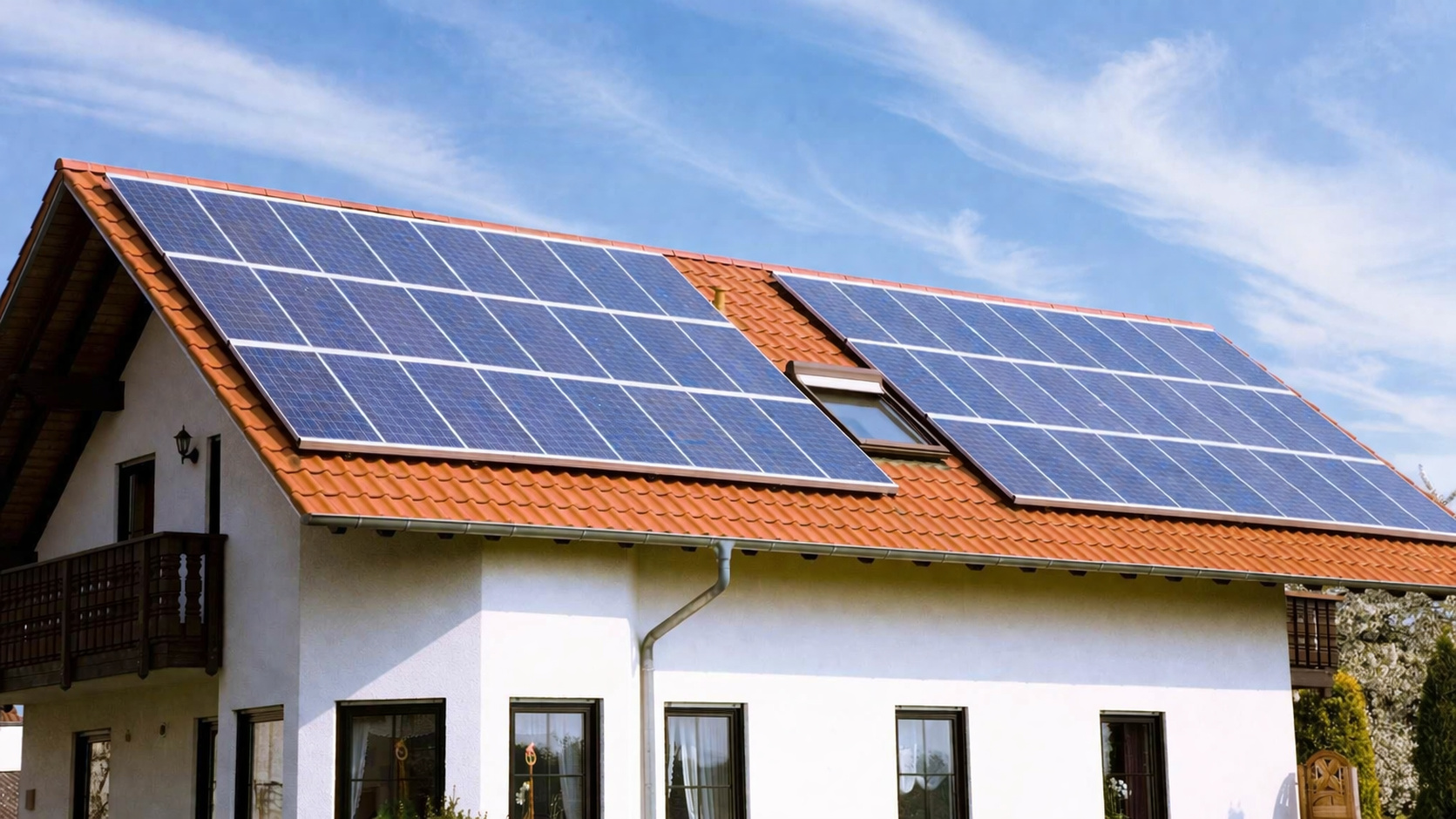
Although the initial cost of equipment for energy reduction may be higher, in the medium and long term, the investment offers greater returns for business owners and the average consumer. Also, besides the savings, the activity still represents a source of clean energy. LED and photovoltaic lighting are another good example. They can generate energy savings of up to 70% compared to conventional technologies. Businessman Maurício Aesenio Fão Barth from Prati Donaduzzi even complains about these costs. “The company spends hundreds of thousands of reais on energy, mainly on lighting,” he claims. Solutions for the sector are always welcome.
“Through connected lighting, companies can manage energy consumption at their fingertips with smartphones. Furthermore, solar LED lighting, besides not consuming any electricity from the grid, saves on infrastructure materials, such as electrical wires and conduits,” comments electrical engineer Gustavo Batista, who presented the technologies at the workshop.
For fellow electrical engineer João Ricardo Ferreira Buzzatto, the concern for a greener world is a reality and part of the work agenda. The search for innovative solutions for businesses is no longer a utopia. “I believe that today, the concern is not just with the amount of energy consumed, but with how we consume it. The idea of the lecture was to show that there are ways to save and optimize electricity consumption.”
It’s almost like planting a tree, only now, in the tech version.









Seja o primeiro a reagir!