





 Portuguese
  English
  Spanish
  4 min of reading
  0 comments


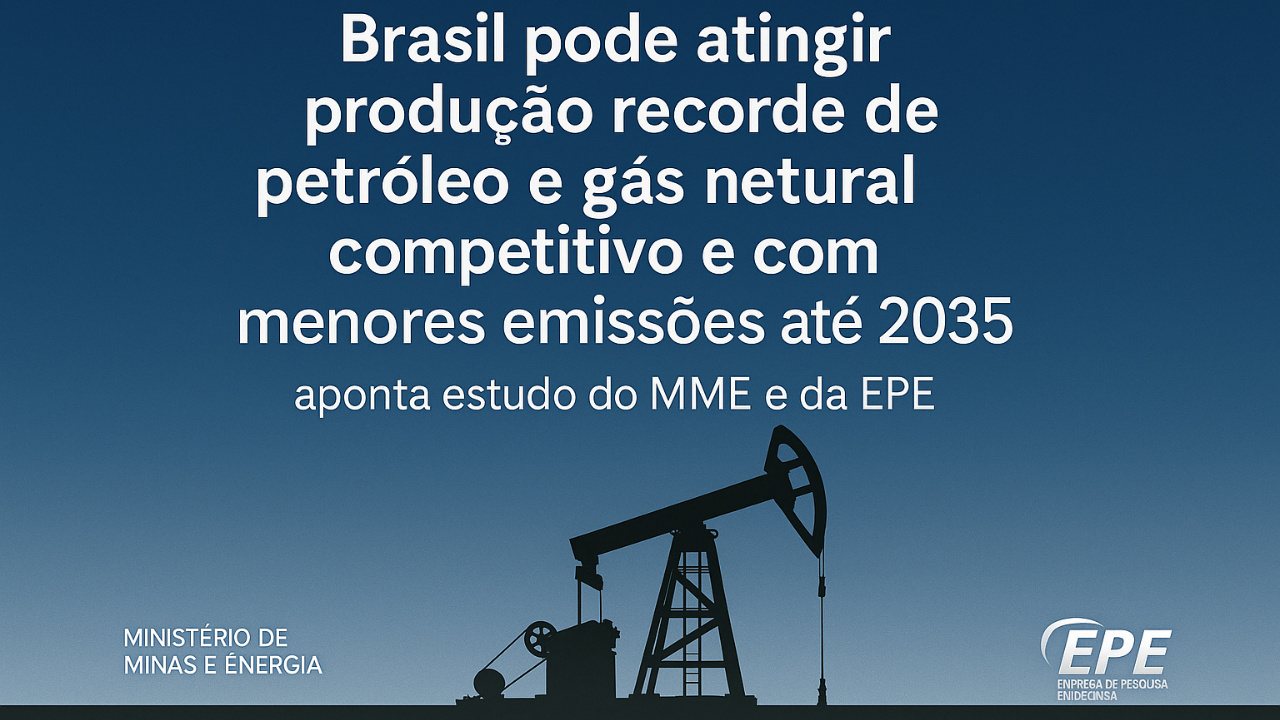
Energy Sector Advances: Brazil Could Achieve Record Production of Competitive Oil and Natural Gas with Lower Emissions by 2035.
Brazil could achieve record production of competitive oil and natural gas with lower emissions by 2035, according to a study by the MME and EPE released this Wednesday (3).
The document reveals that the country is advancing to a new energy level, driven by pre-salt reserves, strategic projects, and policies that strengthen independent producers.
Thus, the analysis shows how the sector can grow sustainably, where this movement is occurring, and why planning is considered crucial to consolidate Brazil as a global power.
-
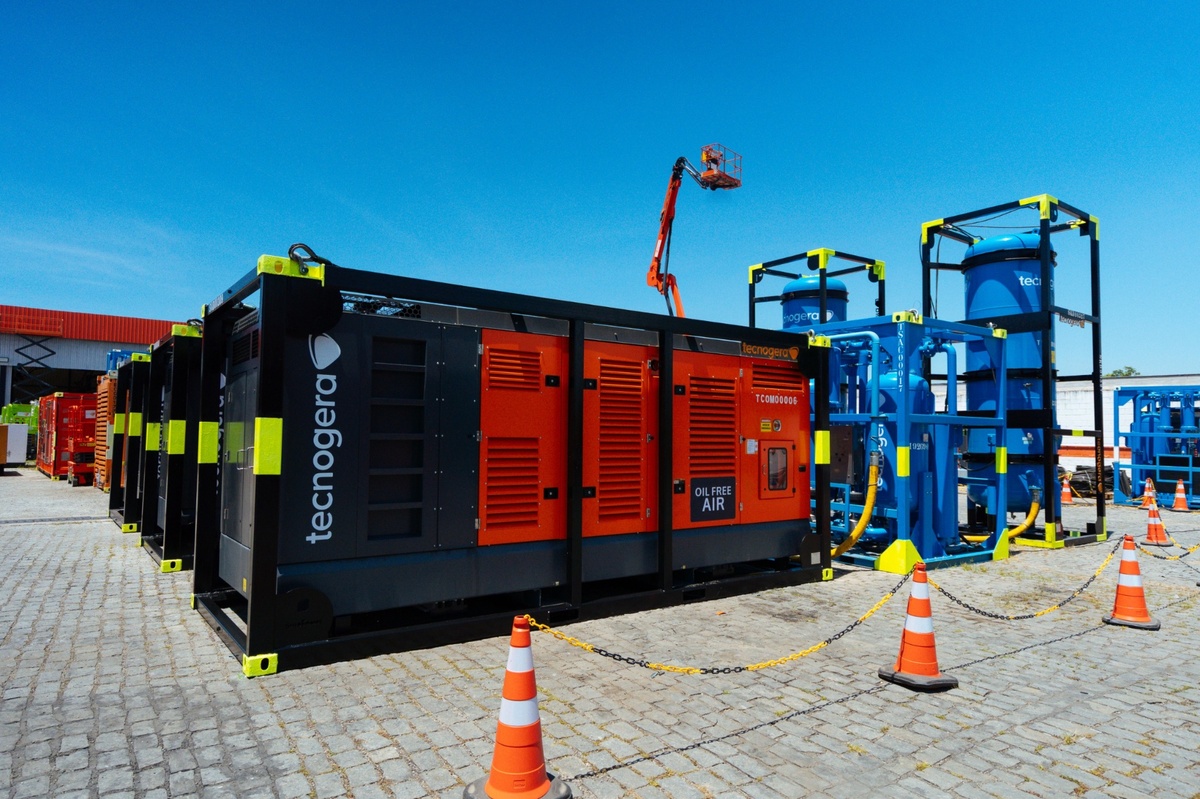
Offshore industrial demand in Macaé skyrockets with the recovery of oil and gas and could grow by up to 396% by 2026 in the Campos Basin.
-
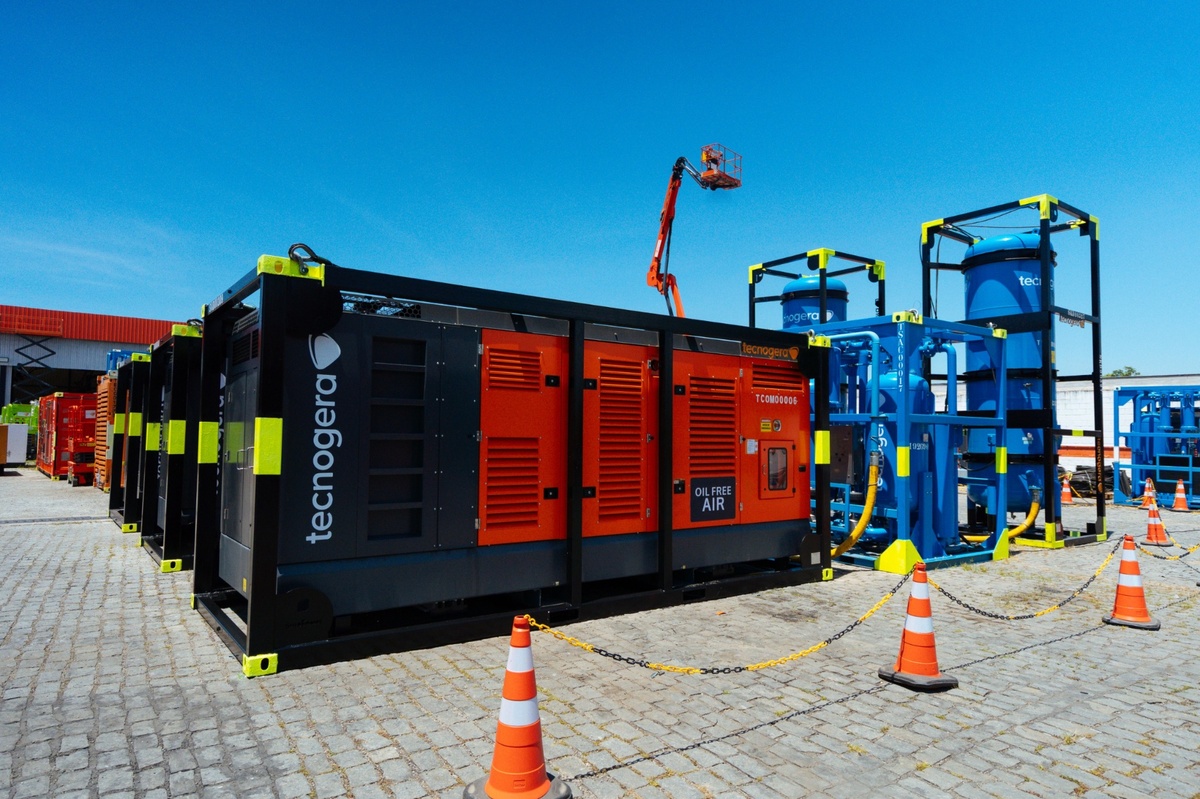
Offshore industrial demand in Macaé surges with the recovery of oil and gas and could grow by up to 396% by 2026 in the Campos Basin.
-
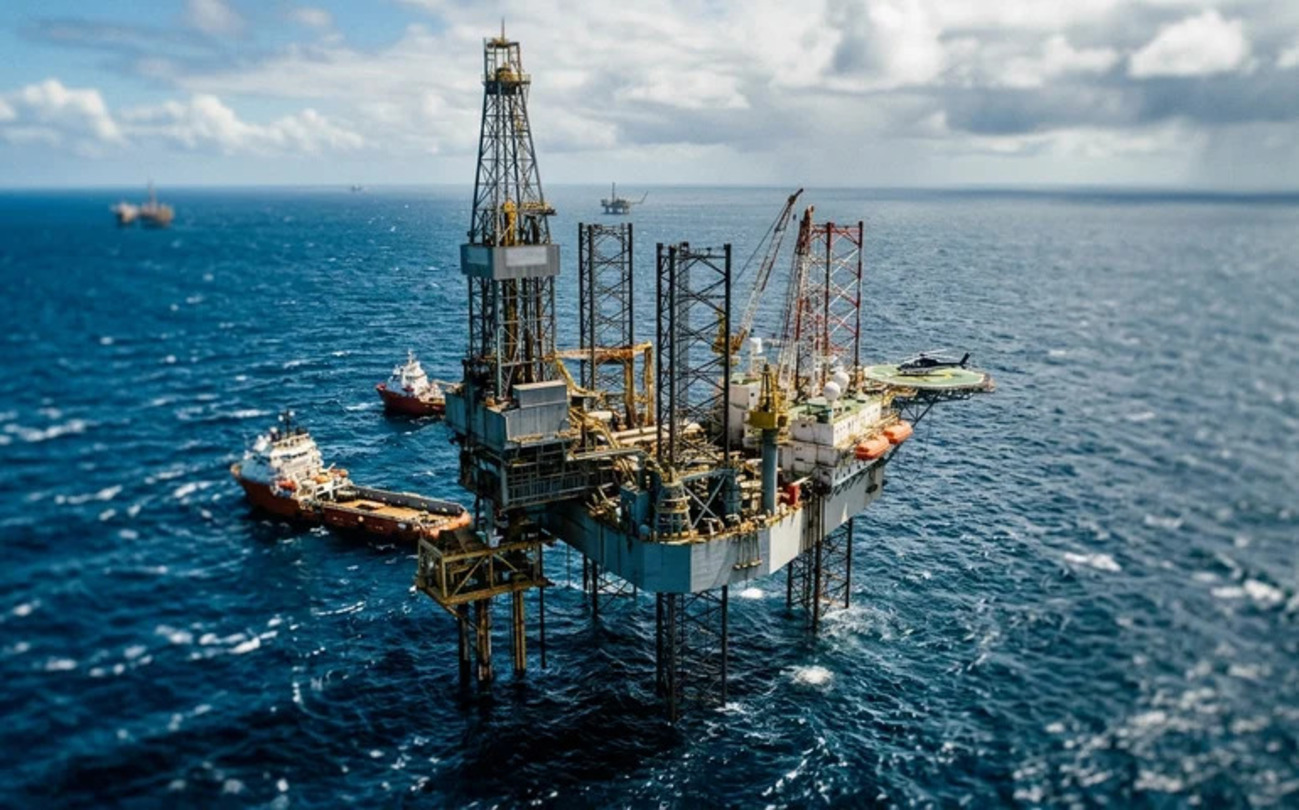
Brazilian giant expands borders in the Southeast: Petrobras confirms new oil discovery in ultra-deep waters in the pre-salt of the Campos Basin.
-
Alert in the global energy market: Severe tropical cyclone hits the coast and disrupts gas production at major plants in Australia, threatening global supply.

The survey, published in the Oil and Natural Gas Production Report of the Ten-Year Energy Expansion Plan 2035 (PDE 2035), anticipates a scenario of greater competitiveness, operational safety, and lower emissions nearing 14 kg of CO₂ equivalent per barrel of oil equivalent.
Pre-Salt Drives Historic Leap in Production
According to the report, oil production is expected to reach 4.9 million barrels per day by 2035, peaking at 5.1 million barrels per day in 2032, representing a 44% increase compared to 2024.
This growth will be supported primarily by already discovered resources, which account for 92% of the estimated production.
Additionally, the pre-salt will maintain a dominant position, accounting for 76% of national production during the period.
Among the decisive projects for this leap, the Búzios field stands out with the entry of six new production units by 2030.
Together, they could reach 1.7 million barrels per day by 2030 and around 1.1 million per day by 2035.
Minister Alexandre Silveira emphasized that planning confirms the sector’s strength.
“The strength of the pre-salt, combined with project diversification and the strengthening of independent producers, demonstrates that the country is advancing with solid planning and a vision for the future.
So this is an important milestone for us to consolidate our global energy relevance, promoting sustainable economic development and technological innovation,” he stated.
Brazil Could Achieve Record Production of Competitive Oil and Natural Gas with Lower Emissions by 2035, Says MME and EPE Study: Diversified Regulatory Regimes
Thus, the projected expansion occurs in a distributed manner among the main sector regimes.
The concession model is expected to represent approximately half of the national production in 2035.
Next comes the production-sharing regime, responsible for about 39%, while the onerous assignment is expected to account for 11%.
Thus, regulatory diversification, according to the study, strengthens energy security and encourages new investments.
Natural Gas Production Should Nearly Double by 2035
The PDE 2035 also highlights that Brazil could achieve record production of competitive oil and natural gas with lower emissions by 2035.
Gross natural gas production is expected to reach 299 million m³ per day by 2035, with a peak of 309 million m³ per day in 2033, an increase of 95% from 2024.
Thus, net production, after self-consumption, flaring, and losses, is expected to reach 127 million m³/day, a growth of 154%.
As with oil, discovered resources lead the projections, representing 96% of gross production and 93% of net production.
The pre-salt also plays a central role, accounting for 80% of gross production and 61% of net production.
Undiscovered Resources Strengthen Supply from 2030
The study points out that areas not yet discovered could start their production after 2030, contributing about 7% of the national production by 2035.
Thus, this movement enhances energy supply resilience and increases long-term security.
Onshore Production Advances with Independents and Incentive Policies
Even representing a smaller share of the total, onshore production shows consistent recovery.
Thus, the expectation is that the segment will reach 296 thousand barrels of oil equivalent per day by 2035, with a peak of 332 thousand boe/day in 2034, a growth of 28% compared to 2024.
The advancement is driven by the increasing prominence of independent producers, who could surpass 60% of onshore production by 2035.
According to the PDE, this result reflects the direct impact of recent public policies, such as:
Reduction of royalties;
Extension of concession contracts;
Petrobras divestment program.
Thus, these measures have revitalized mature fields and encouraged regional development.
Brazil Aims for Sustainable Energy Growth
Thus, the study confirms that Brazil could achieve record production of competitive oil and natural gas with lower emissions by 2035, according to a study by the MME and EPE.
With a strong participation from the pre-salt, expansion of strategic projects, and encouragement of the independent market, the country is positioning itself to lead the global energy sector with environmental responsibility and innovation.






Seja o primeiro a reagir!