





 Portuguese
  English
  Spanish
  5 min of reading
  0 comments


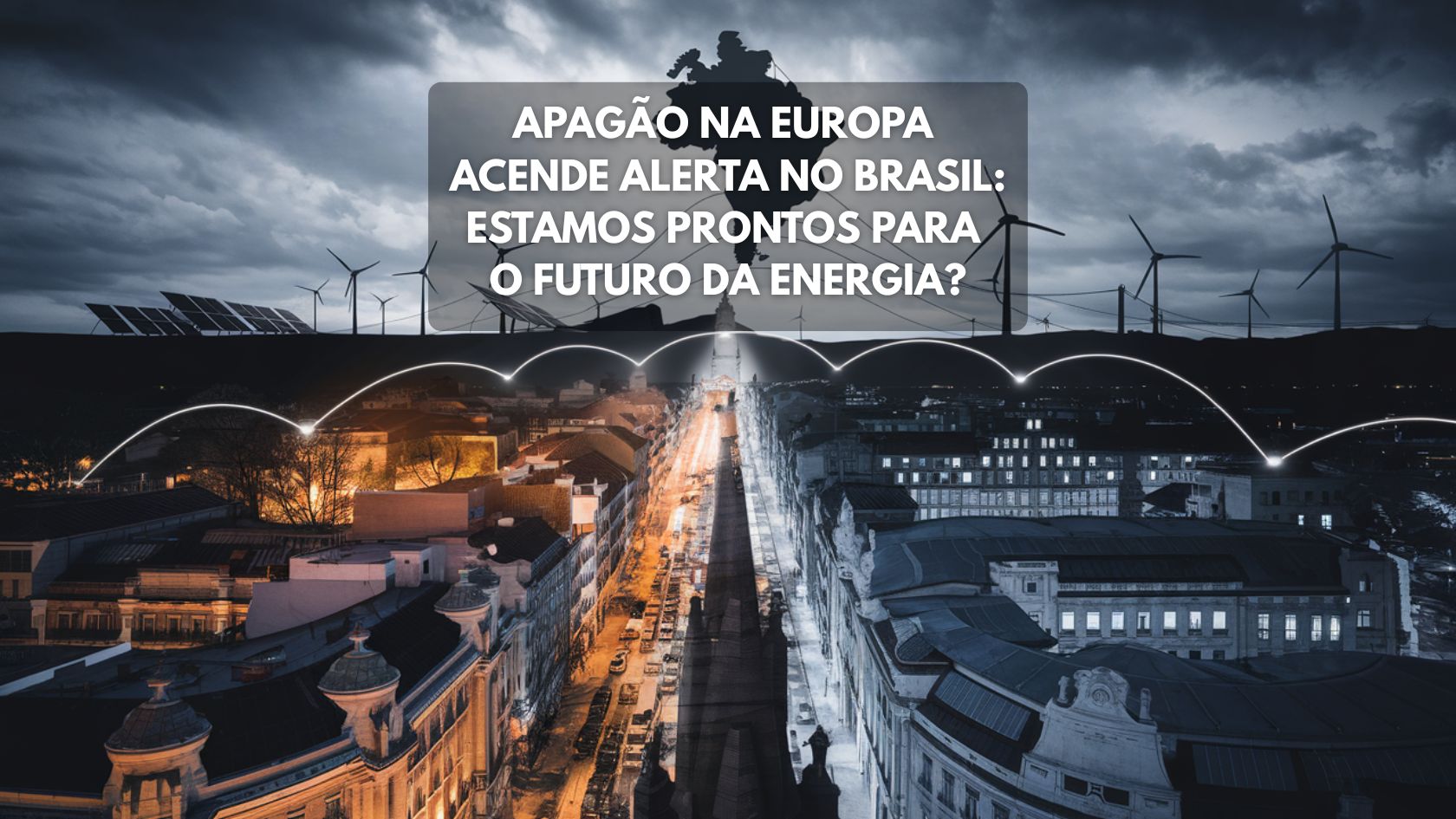
Sudden Decline In Renewable Generation In Europe Raises Alert About Electricity Vulnerability In Countries Advancing In The Energy Transition, Such As Brazil.
The blackout that left more than 50 million people without power in Spain and Portugal earlier this week brought to light a concern that also affects Brazil: the vulnerability of the electricity system in the face of high penetration of renewable sources, especially solar energy. The sharp drop in electricity production in southwestern Spain caused a chain reaction, interrupting supply in much of the Iberian Peninsula and raising alarms in other regions that are following the same path of energy transition.
The disconnection of two solar plants in succession led to a loss of about 15 GW from the Spanish system in just five seconds, according to the operator Red Eléctrica de España (REE). The collapse also interrupted supply in part of southern France and exposed technical weaknesses in the balance of the electricity grid based on intermittent sources such as solar.
Solar Energy Generated 70% Of Demand At The Time Of The Collapse
According to Spanish technicians, the problem occurred at the peak production time of solar energy, which accounted for 70% of national generation at that moment. The rapid disconnection of these sources disrupted the stability of the electricity system, which could not absorb the impact, leading to the widespread blackout.
-
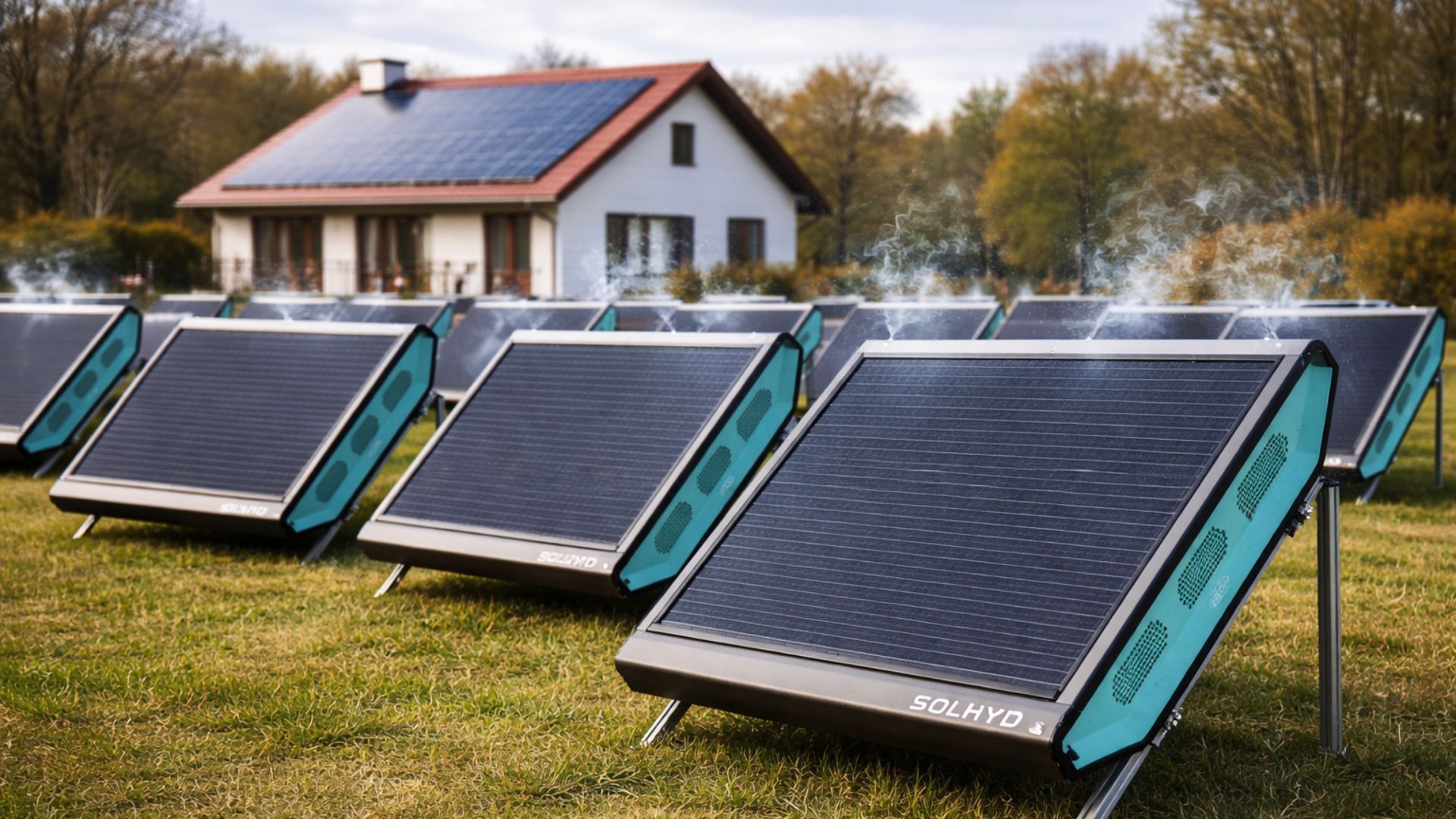
Green hydrogen at home: Belgium launches new technology that makes solar panels produce fuel from the moisture in the air, which could boost the energy transition.
-
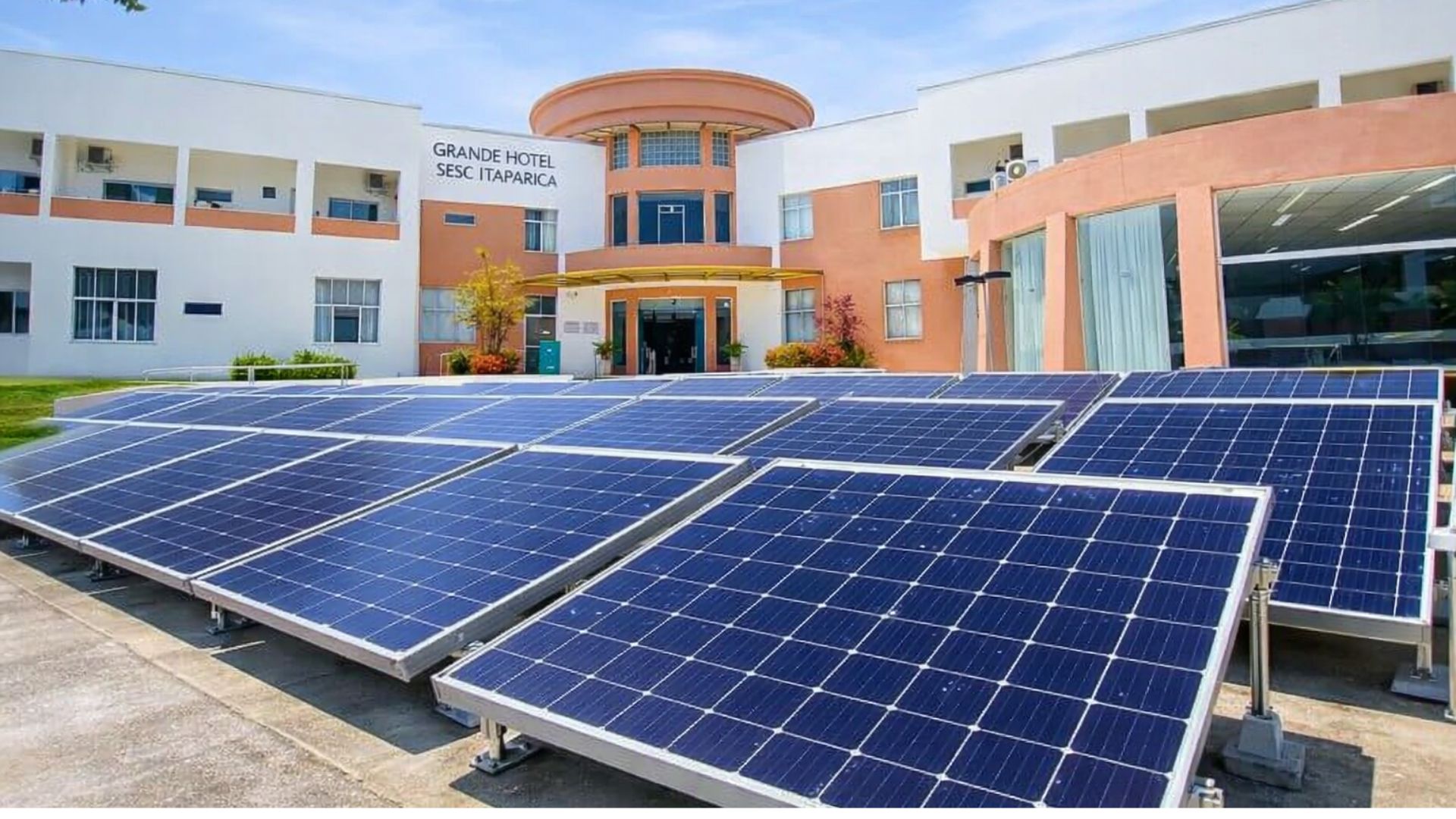
Sesc-BA bets on renewable energy with the support of EDP and drives the energy transition with a direct impact on cost reduction and the sustainability of its operations in Bahia.
-
Technology giant breaks global sustainability records: How Amazon’s leadership in renewable energy procurement transformed the global energy market in the past year.

-
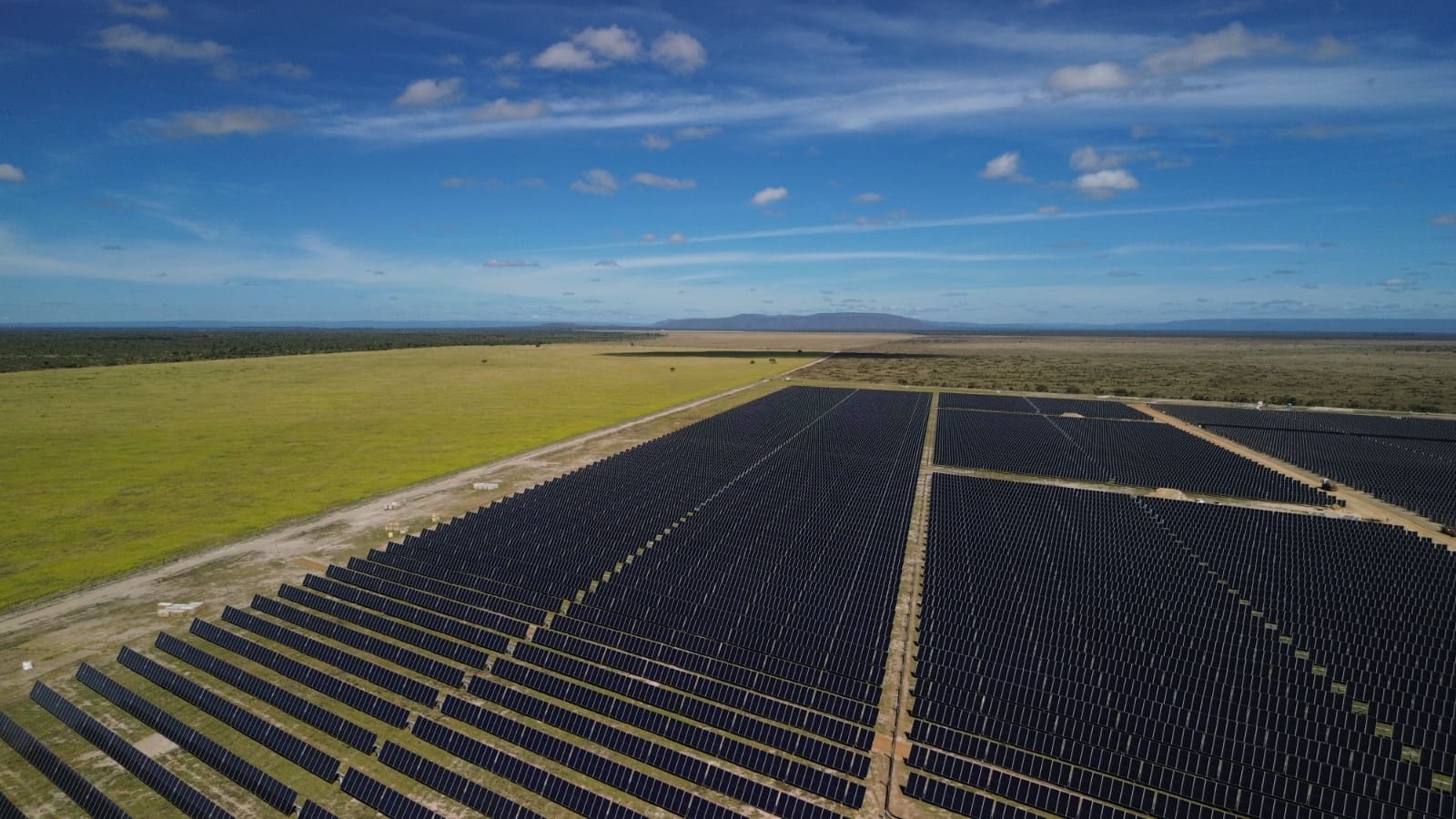
Alert in the electric sector: Atlas Renewable Energy confirms billion-dollar investment and Brazil risks losing a share of the new investment in Latin America to neighboring countries.



REE had already warned, in February, about the risks of “unplanned disconnections” due to the excess renewable generation, including solar and wind energy. The alert was included in a report sent to the National Securities Market Commission (CNMV), responsible for overseeing listed companies on the Spanish stock exchange.
The document mentioned the gradual closure of thermal and nuclear plants, which reduces the so-called “firm capacity” of the system – an essential stability reserve to maintain the balance of the electricity grid during sharp variations in generation or consumption.
Similar Situation May Occur In Brazil, Analysts Say
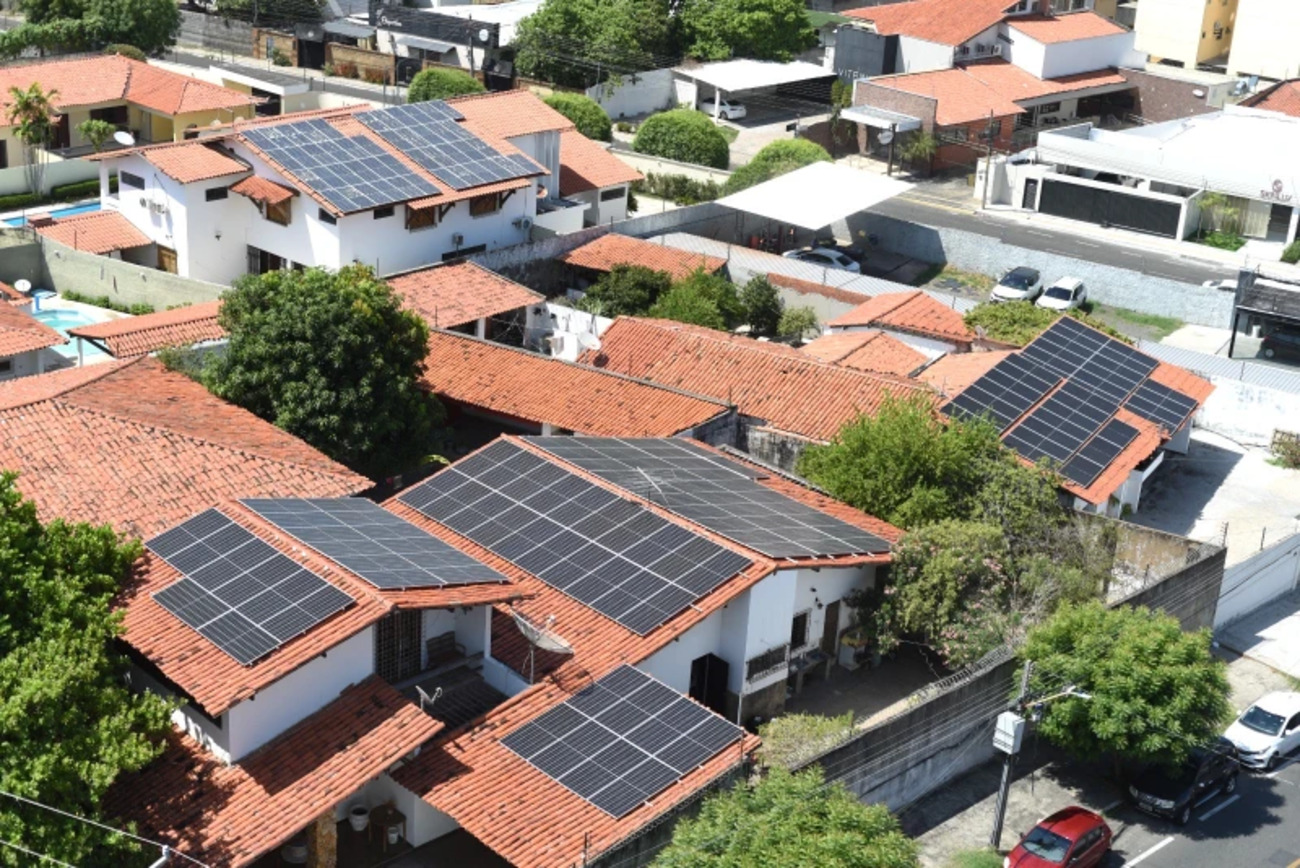
In Brazil, the National Electric System Operator (ONS) has been discussing similar scenarios. A report published at the beginning of 2024 pointed out that the rapid growth of solar energy in residential rooftops, businesses, and decentralized plants could overload the national electricity system in up to nine states over the next five years.
The concern is with the so-called “reverse flow”: when there is excess local generation and the energy, instead of going from the transmitter to the consumer, takes the opposite path, creating pressure on the transmission system. This condition can lead to overloads and even automatic safety shutdowns, resulting in new blackouts.
Among the states identified as most susceptible to this type of instability are Rio Grande do Sul, Minas Gerais, Mato Grosso, Rondônia, Bahia, Pernambuco, Paraíba, Rio Grande do Norte, and Piauí. All of them are experiencing high growth in the installation of solar panels.
Blackout Of 2023 Also Related To Renewable Sources
ONS already faced a similar episode in 2023, when a blackout affected almost the entire Brazilian territory, impacting about 29 million people. According to the technical report released at the time, the source of the problem was a failure in the performance of equipment in wind and solar parks in the Ceará region, near the Quixadá – Fortaleza II transmission line.
The document highlighted that the mathematical models simulating the behavior of the plants were overestimated. In practice, the plants did not respond as expected during a disturbance in the system, revealing deficiencies in dynamic reactive power support controls – a resource necessary to maintain the instantaneous stability of supply.
Energy Transition Requires Changes In Network Management
The crisis recorded in Spain and Portugal reinforces what energy sector technicians have been highlighting: the transition to a renewable-based matrix must be accompanied by investments in new control, storage, and electrical infrastructure planning technologies.
Sources such as solar and wind energy are considered intermittent, meaning they depend on external factors such as solar radiation and wind. Consequently, production varies throughout the day and with weather conditions. Without compensation mechanisms or firm reserves, the electricity system can collapse when there are sharp changes.
In Spain, the 2024 episode revealed that even the prior warnings issued by the operators were not sufficient to prevent the blackout. One of the main factors identified was the lack of a quick and coordinated response from the system after the drop in solar generation. REE now faces pressure from the government and the private sector to review its procedures and enhance the security of the grid.
Brazilian Plan Foresees Reinforcement Of Substations And Risk Mapping
In a statement released after the report was published by the newspaper O Globo, ONS stated that there is no imminent risk of blackout in Brazil, but acknowledged that future scenarios require attention. The Medium-Term Electrical Operation Plan of the National Interconnected System (SIN) considers the possibility of extreme events, such as overloads caused by the growth of distributed generation.
The operator reported that it is conducting a complete mapping of the most exposed substations and developing strategies for energy flow control during peak times, especially from noon to 3 PM – when solar energy generation peaks in various regions.
Projects to increase energy storage capacity and remote control of solar and wind plants are under analysis, aiming to enhance the system’s flexibility and avoid automatic shutdowns.
Renewable Energy Challenges Require Integrated Solutions
Despite the risks, the expansion of renewables is considered an irreversible path in the global energy matrix. However, experts point out that operational security must advance along with the growth of clean generation.
The experience of countries like Portugal and Spain indicates that relying solely on the installed capacity of solar energy does not guarantee stability. The absence of reserve sources, such as hydropower plants with quick response capacity, can make the system vulnerable.
For Brazil, which already has a robust hydropower base, the challenge lies in the efficient integration of sources and the balance of energy flow between regions. The growing installation of solar panels in urban and rural environments requires a new logic for planning and operating the national grid.
Source: MetSul.com





Seja o primeiro a reagir!