





 Portuguese
  English
  Spanish
  3 min of reading
  23 comments


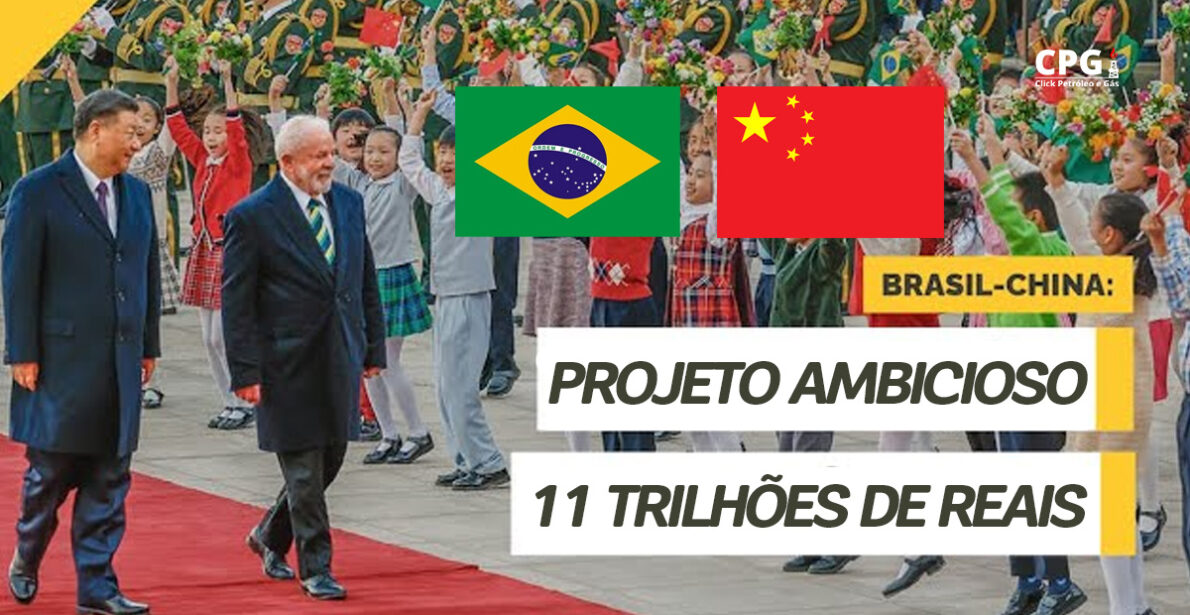

China Proposed An Ambitious Alliance That Could Transform Brazil’s Economy Forever, Integrating The Country Into A Global Infrastructure Project Valued At Over US$ 2 Trillion, Equating To About R$ 11 Trillion.
But this proposal, which seems like a boost for growth, also raises doubts about the real benefits that Brazil could reap from this partnership.
The Chinese government suggested uniting the new PAC (Growth Acceleration Program), relaunched by President Luiz Inácio Lula da Silva, with international investments from the Belt and Road initiative, known as the new Silk Road, according to Exame.
This monumental project aims to connect the world through a global infrastructure network, and China sees Brazil as a key piece in this puzzle.
-
Historic bankruptcy of Centauro shocks the market, and the century-old company puts more than 500,000 products, machines, and complete infrastructure up for online auction.

-
Unemployment rises again to 5.8% at the beginning of 2026, raising alarms about the end of temporary positions and its impact on the Brazilian job market.

-
Document organization can cut invisible costs in small businesses, a simple step that prevents waste, rework, and losses in daily operations.

-
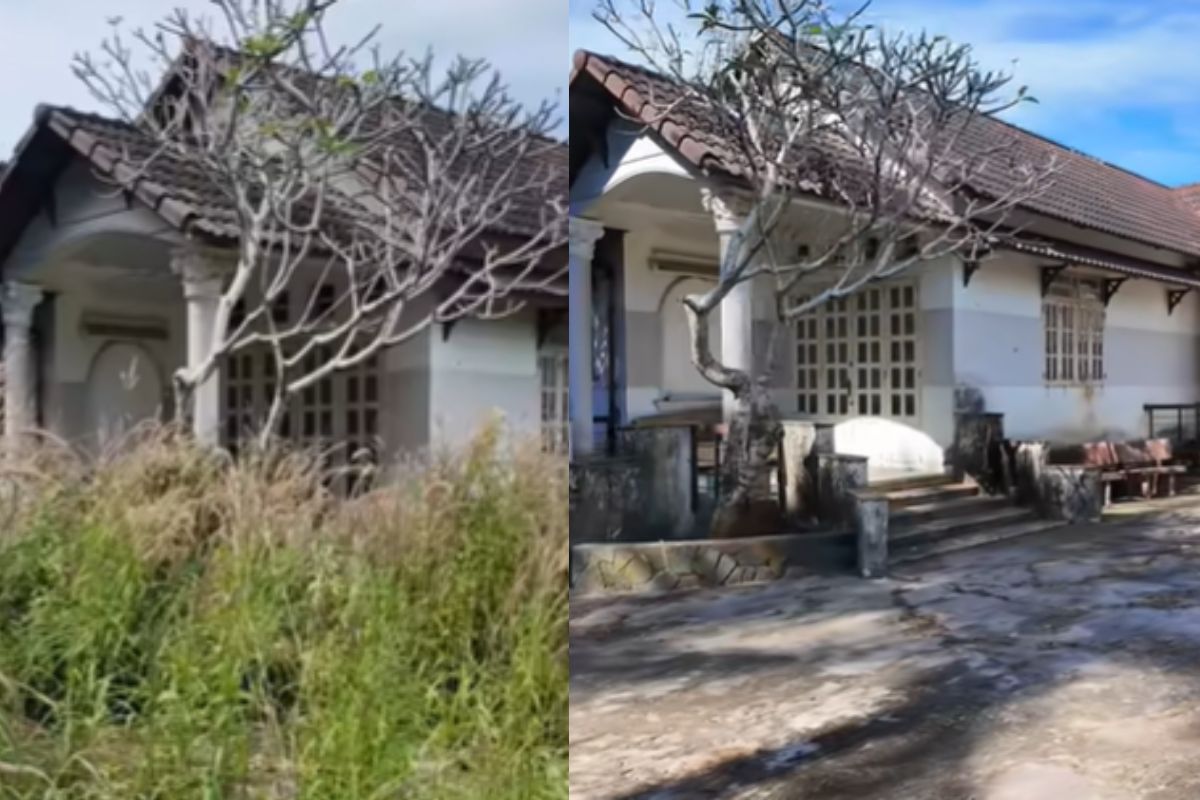
Abandoned house for 15 years disappears in the woods, shocks owner with unrecognizable scenery and is reborn in an intense transformation after almost 90 hours of work in just 10 days.

However, there is no specific information about the exact amount that would be invested in Brazil if the country joined the New Silk Road.
The proposal mentions the possibility of partnerships in strategic areas such as agriculture, green and digital economy, artificial intelligence, and others, but does not detail a specific amount allocated to Brazil.
During a recent visit to Brasília, Chinese Foreign Minister Wang Yi highlighted the importance of closer cooperation between the two countries. In a speech at the Itamaraty Palace, he suggested that the governments of Brazil and China work together to align the goals between the Belt and Road initiative and the Brazilian PAC.
The discussion about Brazil’s adherence to the Belt and Road Initiative is still ongoing and could culminate in a visit by Chinese leader Xi Jinping to Brazil in November, shortly after the G20 summit, reported the Folha de S.Paulo newspaper. Xi Jinping has been pushing for Brazil to formalize its entry into the initiative since Lula’s visit to China in April 2023.
Brazilian Government Has Doubts About The Partnership With China
However, the Brazilian government has not made a definitive decision. While recognizing the potential of the partnership, there is skepticism about the practical advantages of formally adhering to the project, given that Chinese investments are already flowing into the country without this formalization.
The Planalto Palace has been seeking to attract Chinese companies to participate in the New PAC projects through concessions, public-private partnerships (PPPs), and supply of materials and equipment. The idea is to integrate these companies into the Brazilian development process, but without necessarily committing the country to adherence to the Chinese project.
In its 10 years of existence, the New Silk Road has already mobilized around R$ 11.42 trillion (approximately US$ 2 trillion) in infrastructure contracts, with 147 countries participating or showing interest in participating in this global network. Despite the success, the initiative faces criticism from Western countries, including the United States.
US Calls Proposal A Trap
The US accuses China of using the project as a ‘debt trap’, claiming that many countries end up burdened with unpayable debts after getting involved in projects financed by Beijing.
In response, China denies these allegations, arguing that the New Silk Road provides development opportunities that many countries, especially developing ones, would not otherwise have.
To counter China’s growing influence, the US, in partnership with India, the European Union, Saudi Arabia, and the United Arab Emirates, launched the proposal to create an India-Middle East-Europe Economic Corridor, aiming to establish an alternative to the New Silk Road.
This corridor aims to connect producers and consumers through a transportation infrastructure network, offering a new route for global trade.
With this power struggle between the world’s largest economies, Brazil finds itself at the center of a crucial strategic decision: align with China and its monumental New Silk Road, or seek other partnerships that could offer different paths for its economic development.
Now, with Xi Jinping’s imminent arrival in Brazil, the pressing question is: Should Brazil join the New Silk Road and accept the trillions of dollars in Chinese investments, or would this be a dangerous trap that could compromise the country’s economic future? What do you think, reader? Leave your response in the comments!








Os Estados Unidos não investem no Brasil e ficam com com conselhos negativos quando a China quer investir.
Qualquer acordo do governo Brasileiro com a “China Vermelha”, eu assino embaixo e de olhos fechados! Lula sabe muito bem o que está fazendo! Se fosse o Bolsonaro, nós estaríamos era F… e bota F… nisso!!! K K K K…
Rosana, você sabe que essa
China alimenta mais de um bilhão de habitantes e lá não existe favelas como neste nosso Brasil varonil, ainda com menos de 300 milhões de sofredores!!!
Lembrando também que naquela “Nação socialista” ninguém passa fome…
Acredito que seria um bom negócio pro Brasil e para a China. Estaremos em parceria com grande número de produtores e consumidore