





 Portuguese
  English
  Spanish
  4 min of reading
  0 comments


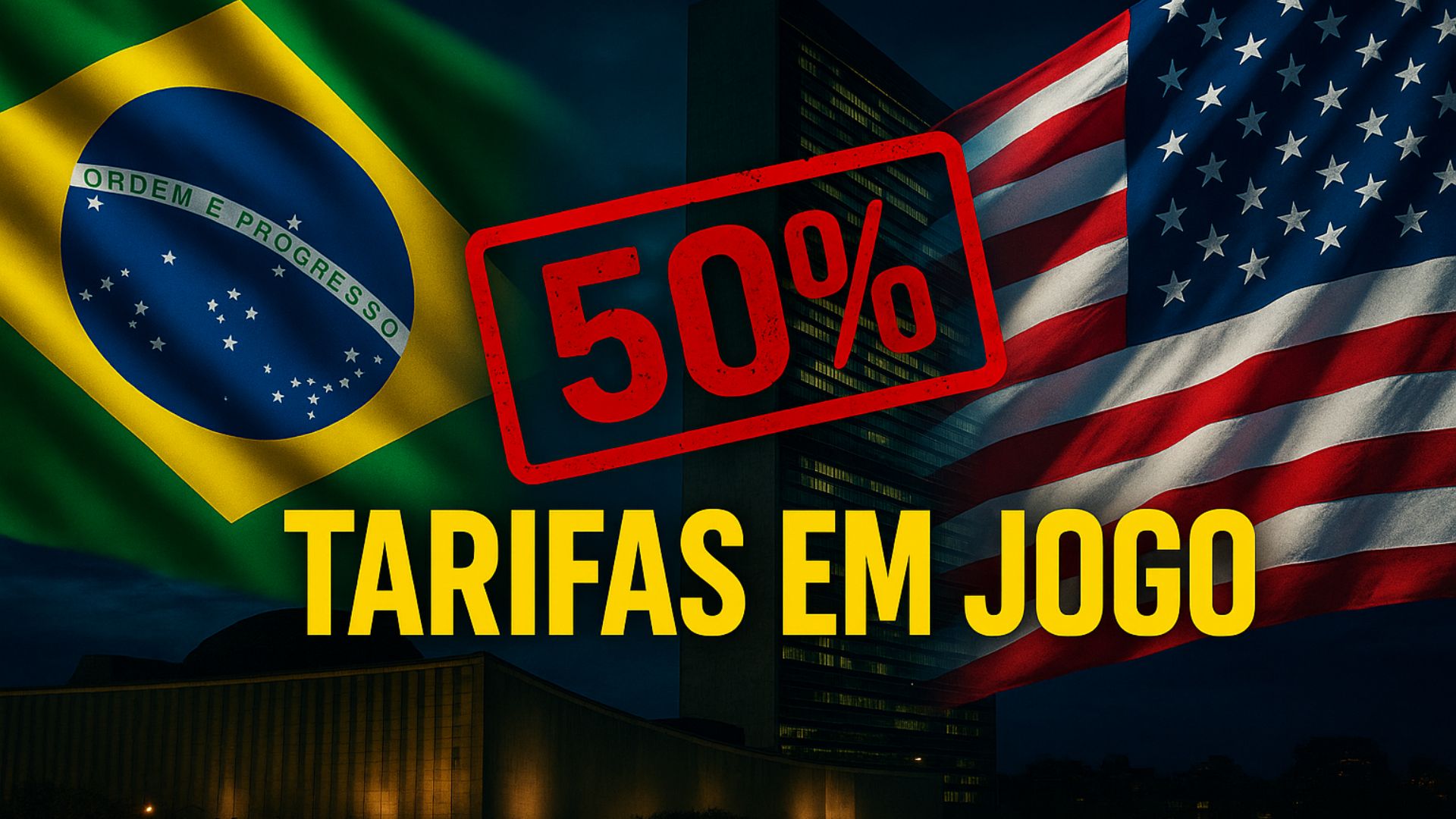
United States Indicates Willingness to Review Tariffs on Brazil After Meeting Between Trump and Lula at the UN General Assembly in New York, Rekindling Expectations of Bilateral Negotiations and Possible Changes in Trade Between the Two Countries.
The United States government signaled willingness to discuss the 50% tariffs applied to Brazilian imports after a brief meeting between Luiz Inácio Lula da Silva and Donald Trump at the 80th UN General Assembly in New York on September 23.
The assessment, made by members of both delegations after the cordial gesture between the presidents, indicates that dialogue channels have been reactivated and that technical negotiations may advance in the coming weeks.
Structure of Imposed Tariffs
The surcharges currently total 50% and result from a combination of a general rate of 10% (the so-called “reciprocal tariff”) with an additional 40% for products from Brazil.
-
Unlike Brazil, China has banned gambling and casinos to curb the rise of gambling addiction, blocks platforms, punishes operators, and maintains one of the strictest policies in the world to prevent billions from escaping the economy and to protect the population from the social impacts of gambling.

-
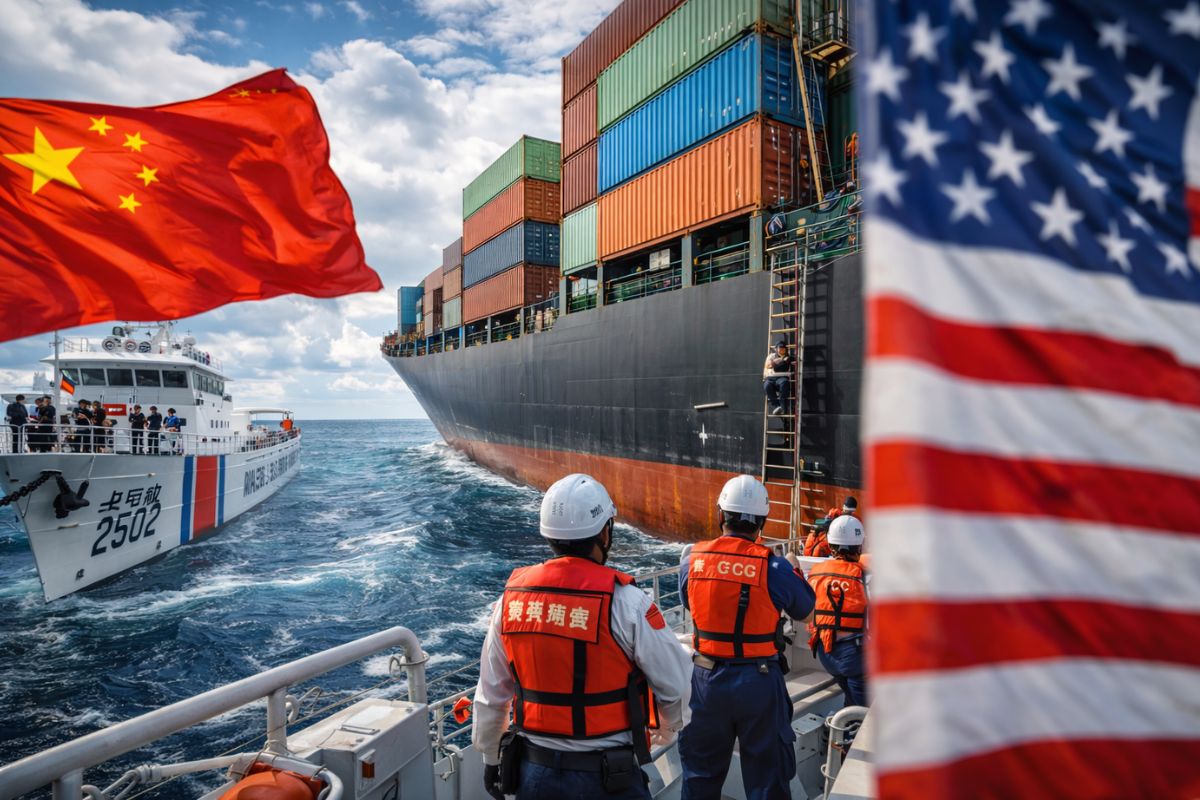
China could impose a quarantine on Taiwan without firing a shot, using the coast guard and inspections to force submission, blocking trade, raising insurance costs, and leaving the U.S. divided between reacting or accepting.
-
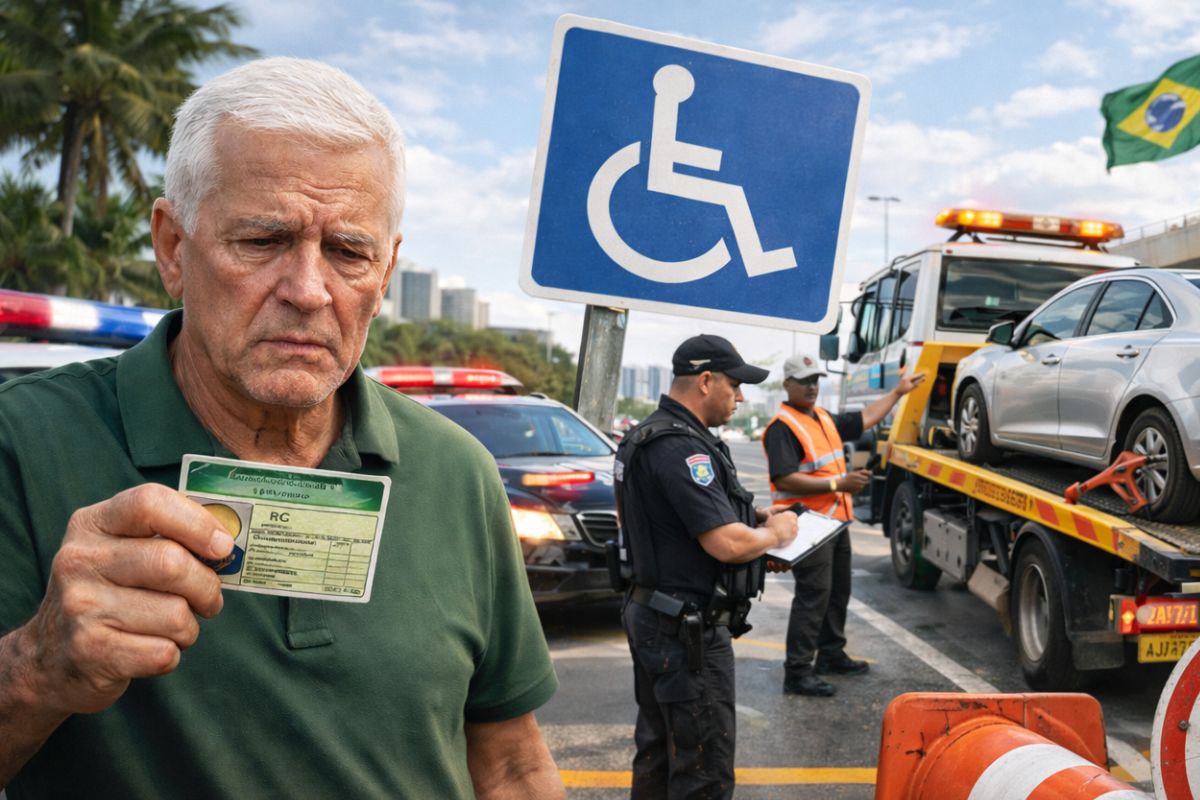
Millions of Brazilians over 60 years old do not know that they need a second document in addition to their ID to use exclusive parking spaces, and the infraction for not carrying it is considered very serious, with fines and vehicle towing.
-
Paraíba shoots up and has the most expensive square meter in the Northeast, and the increase in labor puts the region at the center of pressure, with Bahia recording the highest monthly increase in Brazil in construction.

The structure was defined by executive orders published at the end of July and took effect at the beginning of August, with specific exceptions.
Foreign trade lawyers and official statements detail that the 40% rate applies in addition to the 10% fee, totaling 50% for items without exemption.
Although the White House linked the measure to concerns about freedoms and the institutional environment in Brazil, the increase occurred in a context of political tension between the two countries.
The public announcement of the tariff increase was made by Trump on July 9, in a letter and posts on social media, and followed the escalation of the bilateral dispute.
How the Impasse Formed
In March 2025, the USTR published the annual report on trade barriers and listed Brazil among the countries with significant obstacles.
This assessment served as a backdrop for the escalation of measures adopted months later.
The following month, the Trump administration issued orders that redesigned its tariff policy.
One of them, from July 30, cited “unprecedented actions” by the Brazilian government and claimed impacts on American businesses and citizens, providing the political justification for the tariff increase.
The deterioration of relations also coincided with the conviction of former president Jair Bolsonaro for attempted coup, a decision confirmed on September 11, with a sentence of 27 years and 3 months.
While the U.S. government took measures citing its own reasons, Bolsonaro’s conviction became an additional friction point in the public debate between Washington and Brasília.
The Meeting Between Lula and Trump
At the UN, Lula criticized the adoption of unilateral measures that affect the Brazilian economy and advocated for respect for the country’s sovereignty and institutions.
At the same time, after the meeting, members of both delegations described a less hostile atmosphere and spoke of the possibility of advancement in talks.
Trump, for his part, adopted a more conciliatory tone and praised the Brazilian president after their handshake.
Statements from the Ministry of Finance
Meanwhile, the Finance Minister, Fernando Haddad, called for the reversal of the “tariff increase.”
In his words, the increase “must end” and the direction is “to separate politics from economics” to rebuild the bilateral agenda.
The minister also stated that Brazil’s goal is to eliminate the list of affected products, with technical negotiation and the resumption of institutional dialogue.
According to the minister, the Finance Ministry is working with starting points that include already anticipated exceptions and sectoral discussions — such as sugar and ethanol — a traditional practice in negotiations with the U.S.
The government’s expectation is to obtain predictability for Brazilian exporters without triggering a new round of retaliation.
Official Position of the United States
On the American side, the recent public message was that tariffs are a tool of pressure to correct imbalances and ensure “reciprocity,” but negotiations are possible if there are countermeasures.
In New York, the behind-the-scenes reading was similar: after the gesture between the presidents, advisors began to explore de-escalation pathways.
Additionally, media reports noted that Trump made complimentary remarks about Lula after their conversation, something unusual in the current cycle of bilateral relations and interpreted as a sign of openness.
Economic Impacts Already Felt
Brazilian exporting sectors report declines in shipments to the United States since the imposition of the surcharges.
In the coffee supply chain, for example, entities reported significant declines in August and September, with adjustments of trade routes to other markets.
Meanwhile, affected companies are pushing for relief measures in Brazil while monitoring the possibility of a political understanding in Washington.





-

-

-

3 pessoas reagiram a isso.