





 Portuguese
  English
  Spanish
  4 min of reading
  12 comments


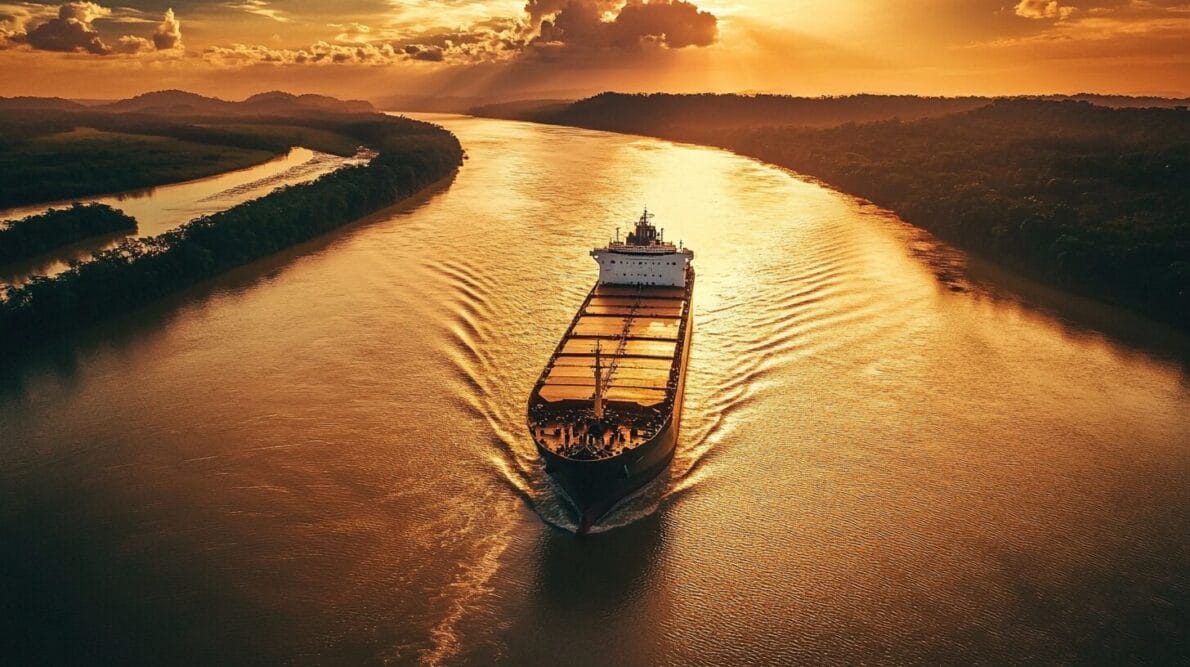

The Federal Government Is Moving Quickly To Finalize The Regulatory Framework For The Concessions Of Inland Waterways, Aiming To Move R$ 4 Billion And Transform The Logistics Of The Brazilian Agriculture!
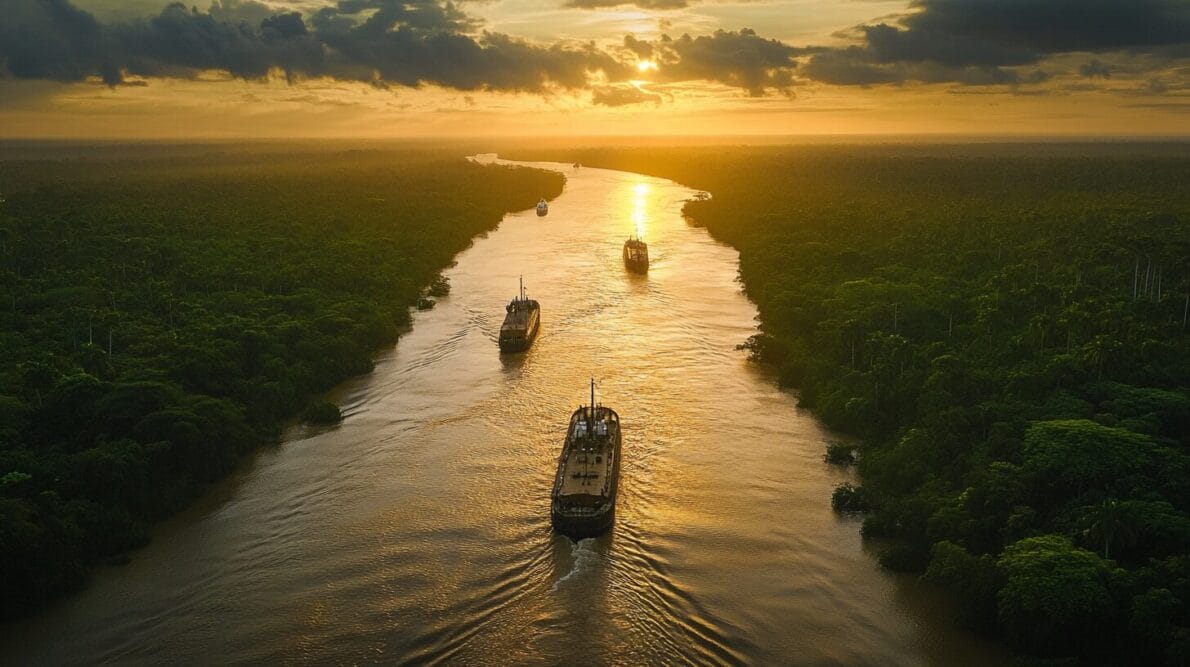
The Brazil has always had a vast network of navigable waterways – about 42 million kilometers – but now the government is preparing to explore this potential with concessions that promise to bring a revolution to the infrastructure sector. The General Grant Plan, under development by the Ministry of Ports and Airports and Antaq, establishes the concession of six inland waterways starting in 2025, four of which will be in the Northern Region. These waterways are expected to significantly contribute to the reduction of freight costs, especially for agriculture, according to g1.
The first waterway to be granted will be to the Madeira River, followed by the Paraguay River and others such as Lagoa Mirim, Tapajós, Tocantins, and Barra Norte. The concessions will last for 12 years, and the concessionaire will be responsible for periodic dredging to ensure the river’s navigability. “In exchange, the concessionaire will be able to charge tolls, but only from vessels with large cargo. This is a way to balance the costs,” explains Dino Antunes, secretary of Inland Waterways.
The Revolution of Logistics in Agriculture
The new concessions aim to expand national logistics infrastructure and facilitate the flow of agricultural production. One of the main gains will be the reduction of export costs for grains through the ports of the North Arc, which, connected to four of the six waterways, promises to transform Brazil into an even more competitive player in the global market.
-
São Paulo surprises the world with a colossal railway network project that promises over 1,000 km of tracks, R$ 194 billion in investments, and 40 projects connecting the capital to the interior with fast and sustainable trains.
-
The world’s largest escalator, measuring 905 meters in China, reduces urban travel time from 1 hour to about 20 minutes and transforms mobility in mountainous regions with an engineering solution adapted to the terrain.
-
A R$ 300 million logistics giant is taking shape in Serra with over 100,000 m² and raises a question: how can this transform e-commerce and distribution in the state?
-
Could Uber Rides Lose Minimum Fare? Understand What’s Happening!


The Ferrogrão, a railway of 933 km that will connect the municipality of Sinop (MT) to the port of Miritituba (PA), is another project that will benefit from the construction of the waterways. The project is estimated to cost around R$ 25.3 billion and awaits environmental licensing. With this combination, Brazilian agriculture will be able to reduce its operational costs, increasing competitiveness. “The Ferrogrão and the waterways will provide a boom for our sector. This is not just bar talk; it’s a revolution,” says Fábio Vasconcellos, president of the Union of the Naval Construction Industry of the State of Pará.
Challenges and Opportunities on The Horizon
Although the outlook is promising, the path to improving the waterways is not without challenges. The complexity of the process requires a careful analysis of climate risks and the characteristics of each river. According to Antunes, “we do not have a requirement for private investment support for the concession; a public counterpart will be necessary.”
The dredging cost to ensure navigability is one of the main points of concern. The necessary investment to maintain the river depth at adequate levels, especially during droughts, may be high, but the expectation is that this will translate into a 24% reduction in navigation costs. The government is optimistic, preventing large logistical operators, dredging companies, and grain exporters from the tenders.
Eletrobras and Navigability of The Rivers
An important factor in this effort is the participation of Eletrobras. The funds created for the navigability of the Madeira and Tocantins rivers will be used to ensure more affordable tariffs. This is essential for the viability of the concessions, as it will help mitigate operational costs and incentivize private sector participation.
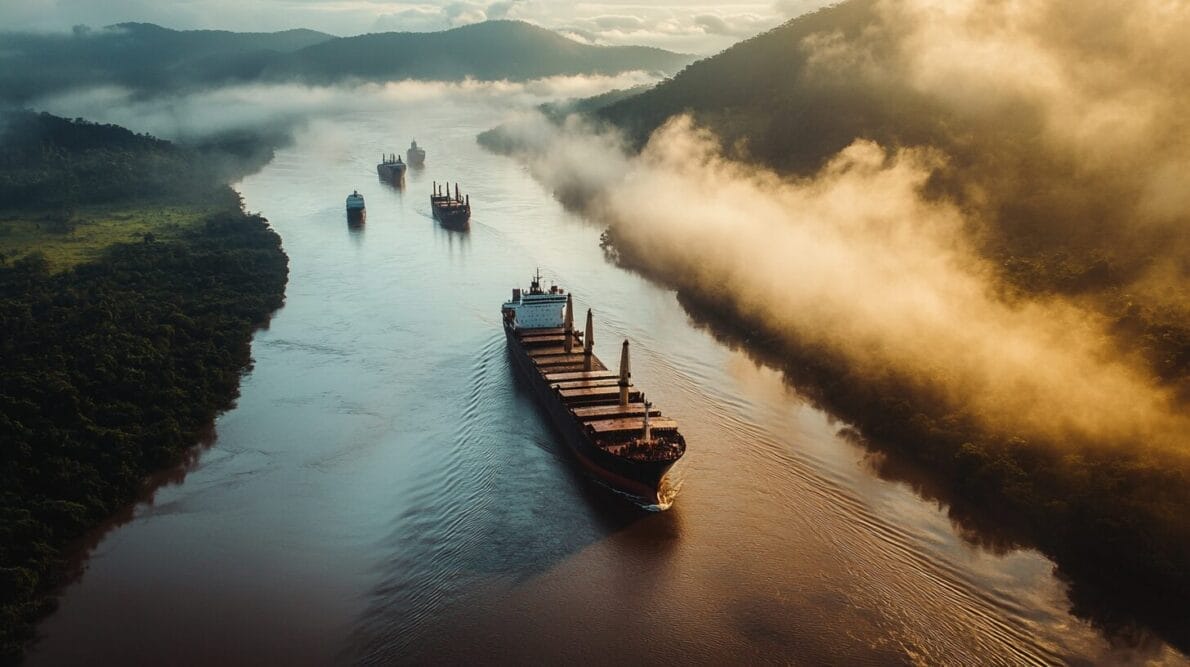
The expectation is that, with the participation of Eletrobras, the construction and maintenance of the waterways will become more sustainable and effective. “The important thing is to ensure that this new infrastructure brings real benefits to Brazil,” concludes Antunes, emphasizing the need for a business model that allows safe and profitable investments.
The Future of Inland Waterways in Brazil
Therefore, the concessions of inland waterways represent a unique opportunity for Brazil to improve its infrastructure and increase the competitiveness of agriculture. With the support of Eletrobras and the construction of Ferrogrão, the country is on the brink of transforming its logistics and positioning itself as a key player in the global market. If everything goes as planned, the future of transportation in Brazil will be much more efficient and sustainable.
And who knows, soon we will celebrate the revolution of inland waterways as a new milestone in the history of Brazilian transportation!






O rio madeira, é Rico em ouro, e esse leito do Rio tem sido preservado desde sempre, mesmo assim, a polícia federal todos os anos tem conflitos para retiradas de dragas clandestinas na busca pelo nosso ouro. Em resumo, eu temos que isso seja porta de entrada para esse tipo de exploração, em um ambiente preservado.
Já, estão visando os bilhões que poderão subtrair do nosso orçamento, eu não sou ambientalista, mas conheço bem a realidade do Rio madeira, não sabemos se teremos água suficiente para quando esse projeto acabar se será mesmo possível navegar. ou nesse pacote já prever agua também, para isso. O exemplo da usina hidrelétrica de belo monte, em Altamira no PA , pronta , investimentos de bilhões, e baixa produção de energia. E fácil construir algo com o dinheiro público.
Amália ferroviária chinesa em torno de 160.000 km barateia transporte público barateia a questão das mortes porque diminui a quantidade de acidentes e contra 30.000 km do Brasil a solução para o transporte de cargas o transporte de pessoas no Brasil é aumentar as ferrovias para 200 mil km o estado pode fazer isso hidrovia não é a solução a hidrovia tem que ficar na mão do Estado.