





 Portuguese
  English
  Spanish
  3 min of reading
  0 comments


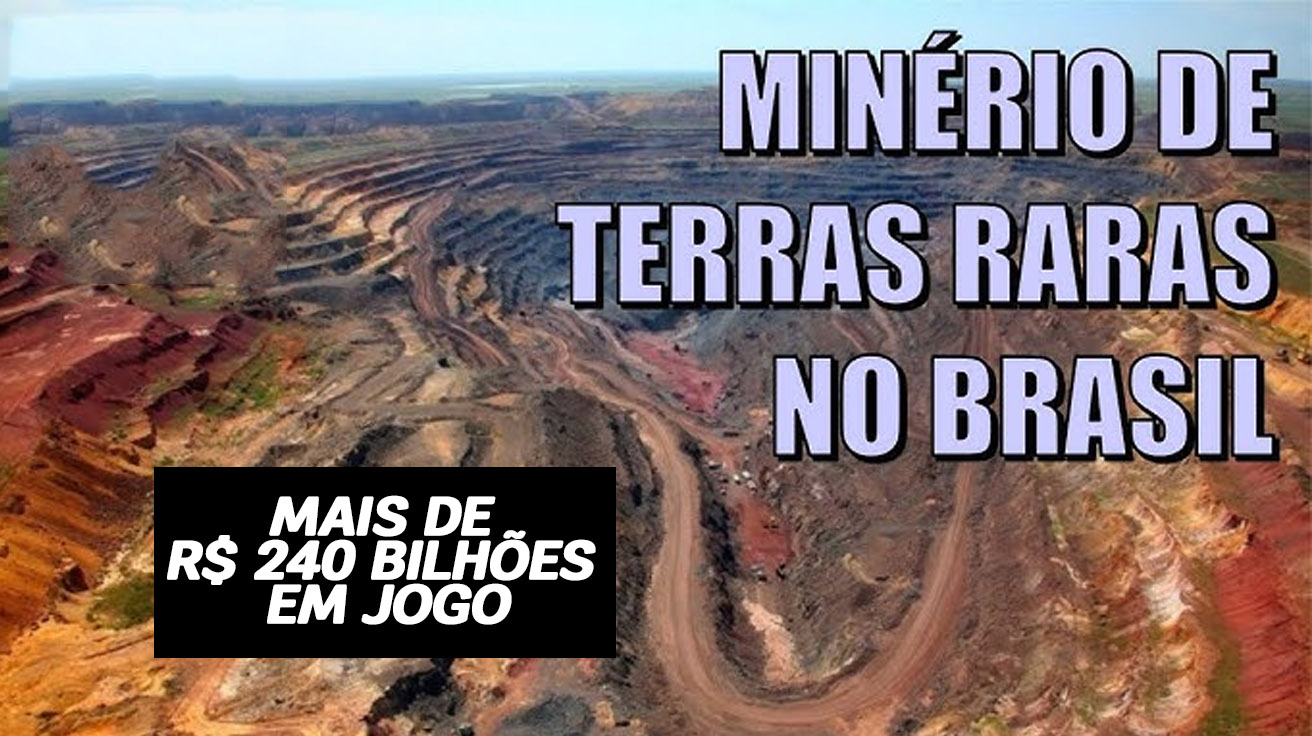
Brazil Hides a Fortune in Rare Earths! With 10% of Global Reserves, but Only 0.09% of Production, the Country Could Generate R$ 243 Billion Annually. If It Overcomes Challenges Such as Bureaucracy and Lack of Infrastructure, It Could Become a Global Power in the Energy Transition.
Not all gold shines. Amid the vast lands of Brazil, a valuable wealth remains underexplored: the so-called critical minerals, essential for the global energy transition.
While other countries are heavily investing to secure access to these strategic inputs, Brazil is still taking its first steps to turn this potential into reality.
With a significant share of the world’s reserves, the country could become a key player in the green economy. But how can this opportunity be transformed into concrete gains?
-
Brazil Ignores Trump’s threats to BRICS, Buys 42 tons of gold and reduces the Dollar’s share by 6.45% in international reserves.
-
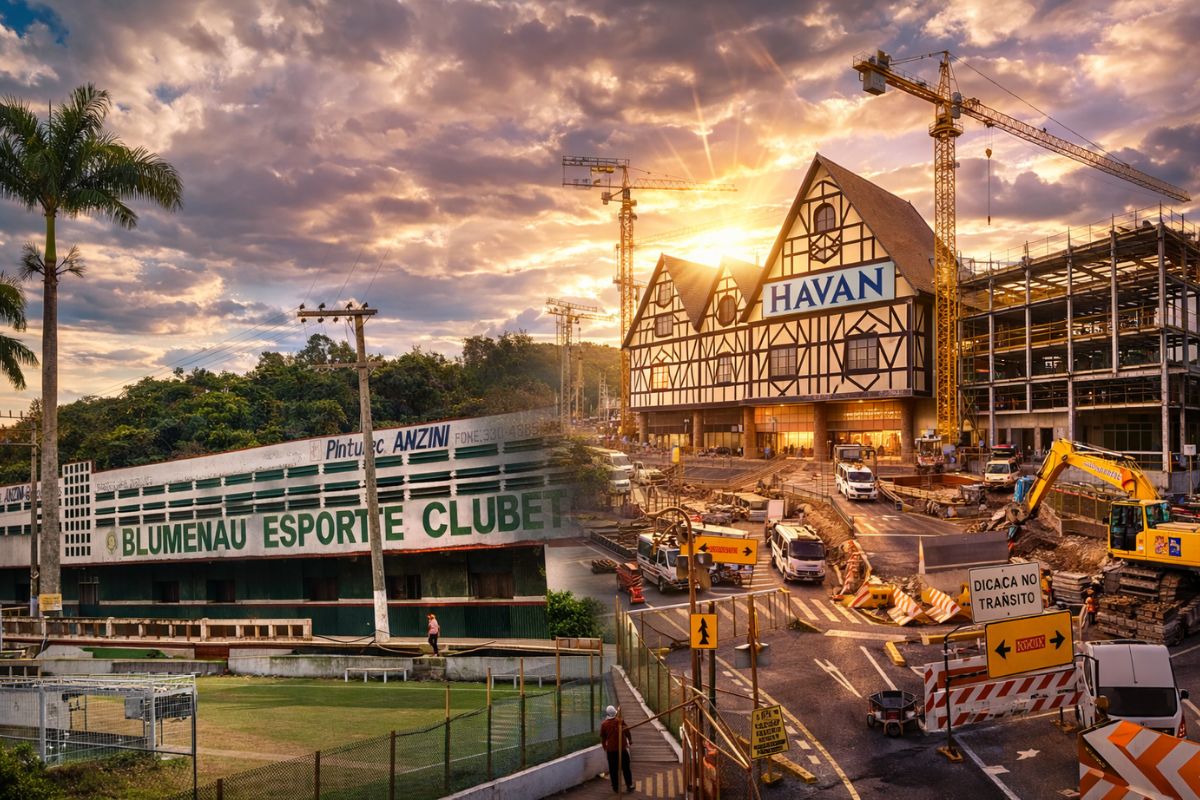
Havan buys historic football land in Blumenau for a million-dollar amount protected by a confidentiality clause and is already planning to change even the layout of streets to build a megastore in half-timbered style costing 80 million reais.
-
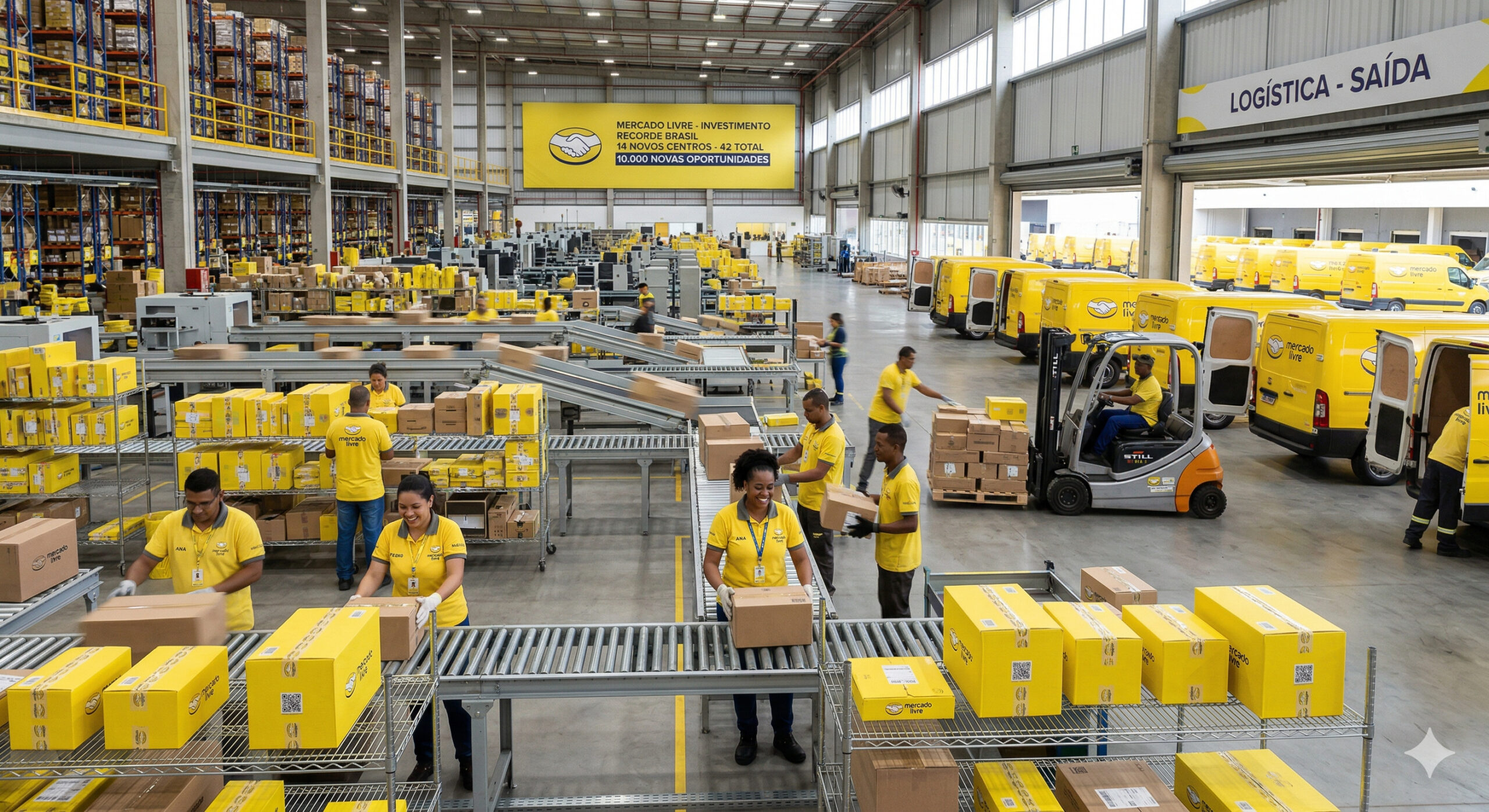
Mercado Livre “opens the vault” and announces a record investment of R$ 57 billion in Brazil in 2026, a value 50% higher than the previous year, with an expansion plan that includes 14 new logistics centers, totaling 42 units in the country and hiring an additional 10,000 employees.
-
How investment in technology can revolutionize the national economy and enhance industrial gains, according to a study that highlights the direct impact on productivity, innovation, and wealth retention within Brazil.
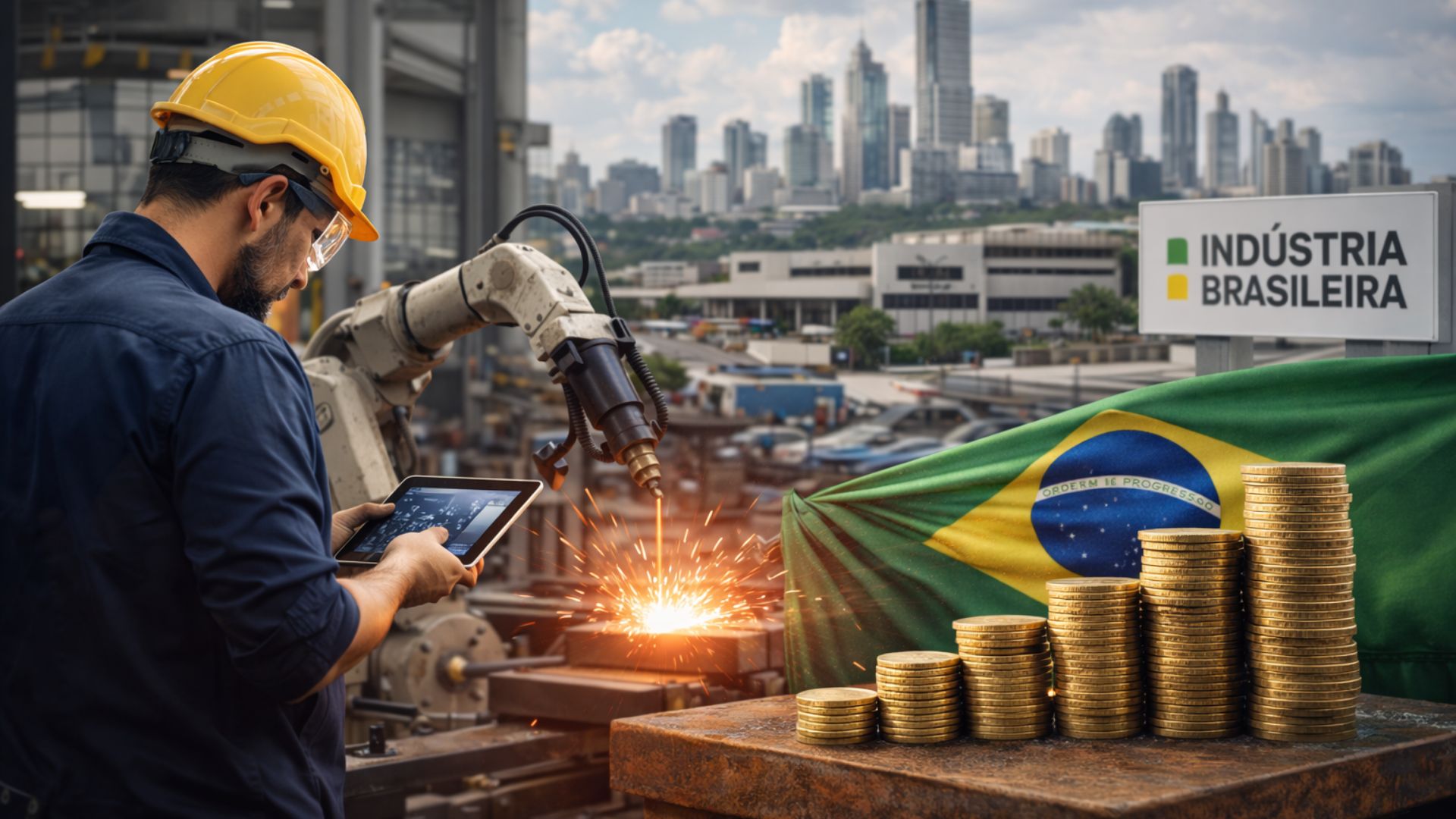
R$ 243 Billion Per Year: What’s at Stake?
According to a report released by Deloitte and AYA Earth Partners, Brazil could add up to R$ 243 billion (US$ 48 billion) per year to its GDP over the next two decades, if it invests in the extraction, processing, and refining of rare earths.
Currently, the country hosts about 10% of the global reserves of these minerals, including strategic elements like niobium, graphite, and nickel.
However, Brazil’s share of global production remains insignificant, accounting for only 0.09% of the total.
According to the portal Brasil Mineral, this low representation is partly due to the lack of investments in infrastructure and the dependence on external refining – a market that China almost entirely dominates.
Opportunities and Challenges for National Mining
The study presents three scenarios for the evolution of this sector:
Processing Extracted Minerals: With investment only in mineral processing, Brazil could add R$ 30 billion (US$ 6 billion) to its GDP by 2030.
Mining Expansion: The opening of new mines and increased processing would raise this figure to R$ 233 billion (US$ 46 billion) by 2050.
Internal Refining: The greatest potential lies in domestic refining, which could maximize gains, reaching R$ 243 billion annually.
But there are challenges ahead. Currently, only 35% of Brazilian territory has been mapped for potential mineral identification, meaning many of these riches are still unknown.
Another significant issue is bureaucracy.
According to Brasil Mineral, the environmental licensing process for new mining projects can take up to 16 years, deterring investors and slowing down the sector’s growth.
The Global Race for Strategic Minerals
The global demand for critical minerals is expected to triple by 2040, driven by the search for cleaner energy sources, such as electric vehicle batteries and wind turbines.
While countries like the United States and the European Union seek to reduce dependence on China for the refining of these materials, Brazil has a unique competitive advantage: its clean energy matrix.
As highlighted in the report, using renewable energy in mineral production would allow the country to provide strategic inputs with a lower carbon footprint, something highly valued in the global market.
Can Brazil Lead the Energy Transition?
Experts point out that, for Brazil to seize this opportunity, it is essential to implement policies that simplify investments and encourage sustainable mining.
The portal Brasil Mineral emphasizes that events like the COP30, scheduled for 2025 in Belém, could place the country at the center of discussions on the green economy.
This could be an international showcase to demonstrate to the world the untapped potential of Brazil’s rare earths.
If Brazil advances in this sector, the benefits go far beyond billions in revenue.
The creation of jobs, economic diversification, and leadership in the global supply of critical minerals could transform the country into a strategic power in the new green economy.
Now, the question remains: will Brazil explore this wealth or will it continue to leave it buried in the ground?





-

Uma pessoa reagiu a isso.