





 Portuguese
  English
  Spanish
  4 min of reading
  0 comments


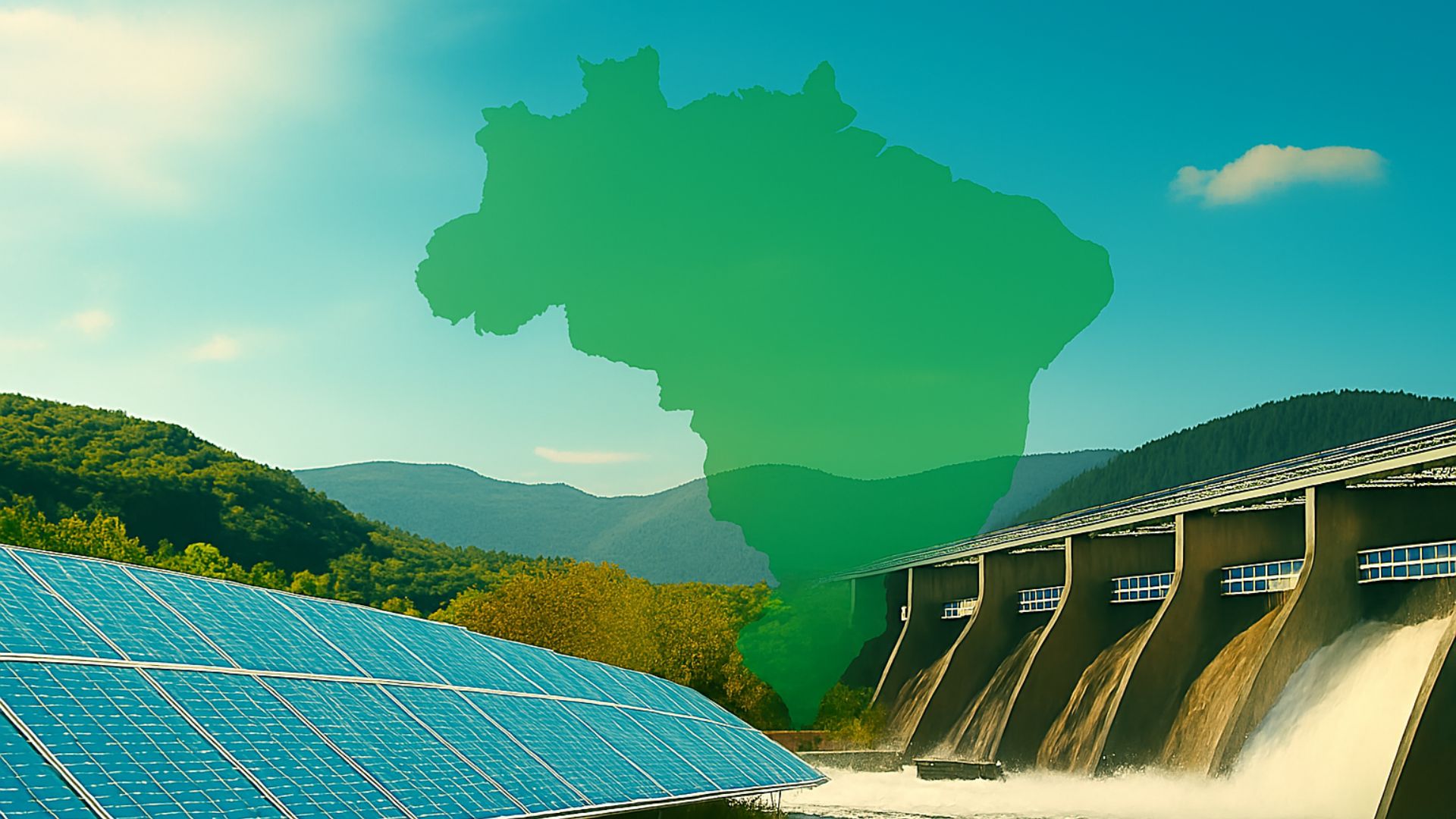
Brazil Reinforces Its Role in International Leadership on Energy Transition, Advocating for Investments in Clean Energy and Global Commitments That Should Gain Importance by COP30
On September 22, 2025, during the UN General Assembly and the “New York Climate Week”, President Lula signed a joint letter with 16 other world leaders demanding investments in clean energy, acceleration of a fair energy transition, and commitment to climate security. The document, titled “All Together for a Fair and Equitable Energy Transition”, marks a decisive step towards COP30, which will be hosted in Brazil.
Global Letter Reinforces Urgency of Energy Transition
The letter highlights that the world is moving towards clean energy faster than ever. In 2024, global investments in renewable sources reached US$ 2 trillion, according to the International Energy Agency (IEA), with a ratio of two dollars in clean energy for every dollar in fossil fuels.
According to the letter, in the electricity sector, the difference is even more pronounced: for every dollar invested in fossil fuels, ten were allocated to clean technologies. This shift is driven by the threat of climate change, the quest for energy security, and the need for sustainable growth.
-
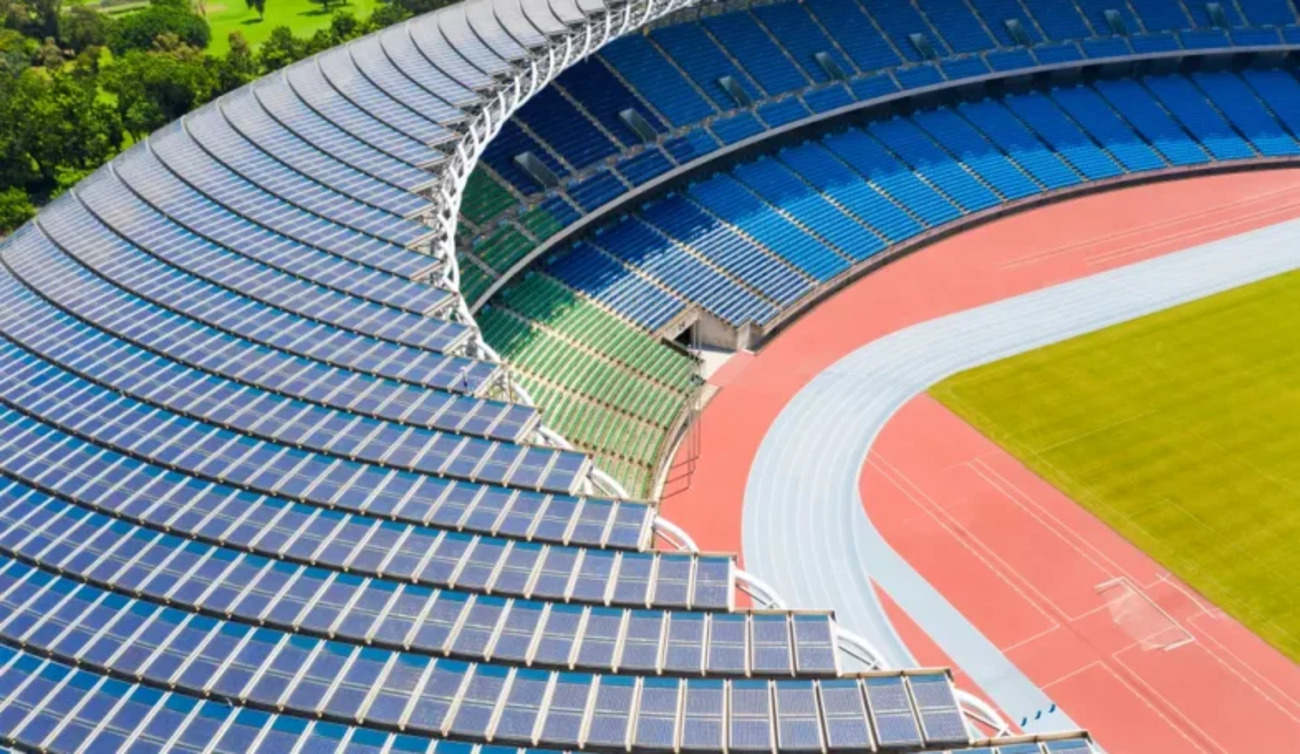
How green infrastructure and renewable energy at the World Cup transform the logistics of the largest sporting event on the planet in North America.
-
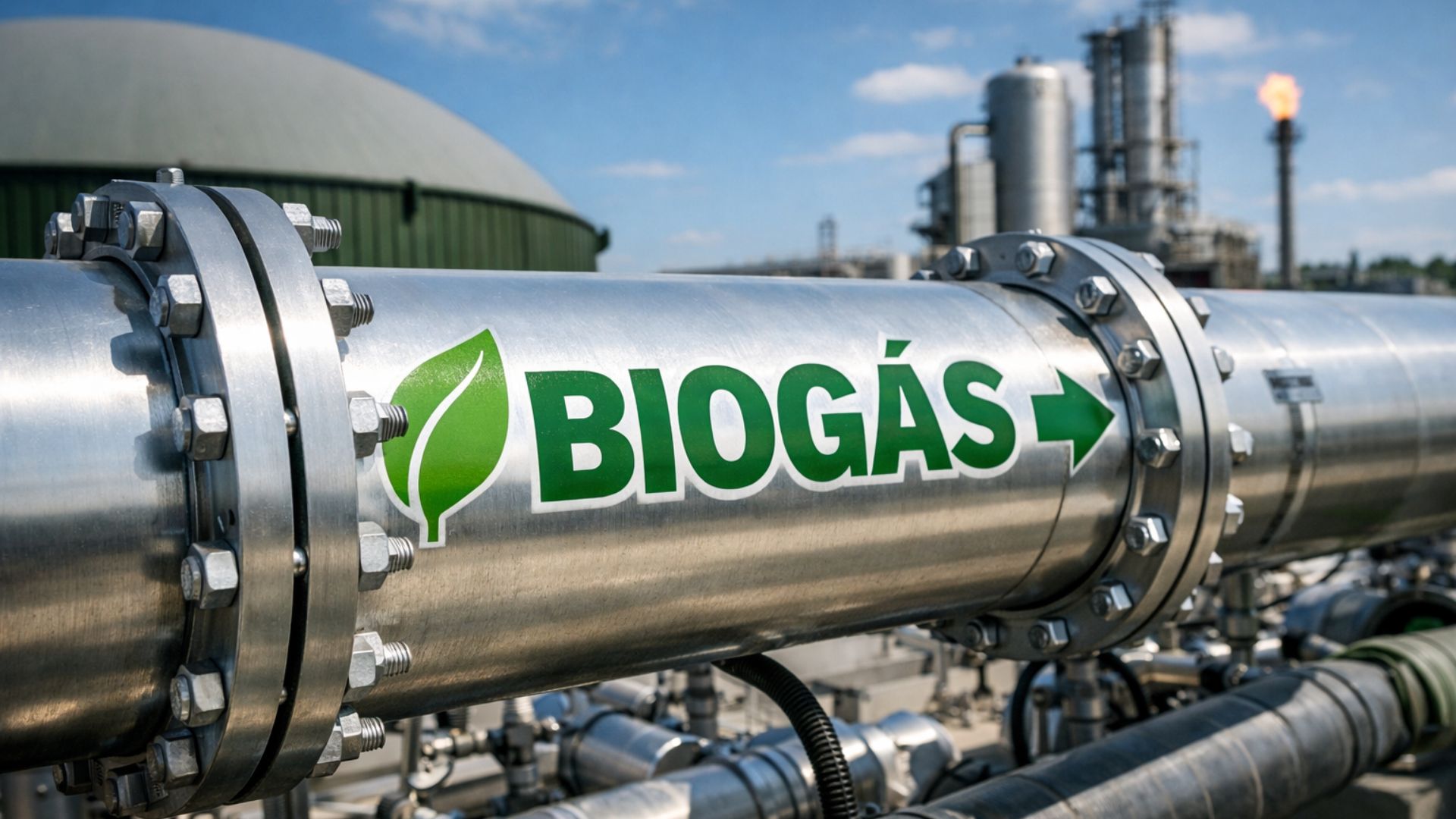
The Cagece and UFC project advances in sustainable innovation with biogas by converting waste into renewable energy, reducing environmental impacts, and increasing sanitation efficiency with concrete and measurable results.
-
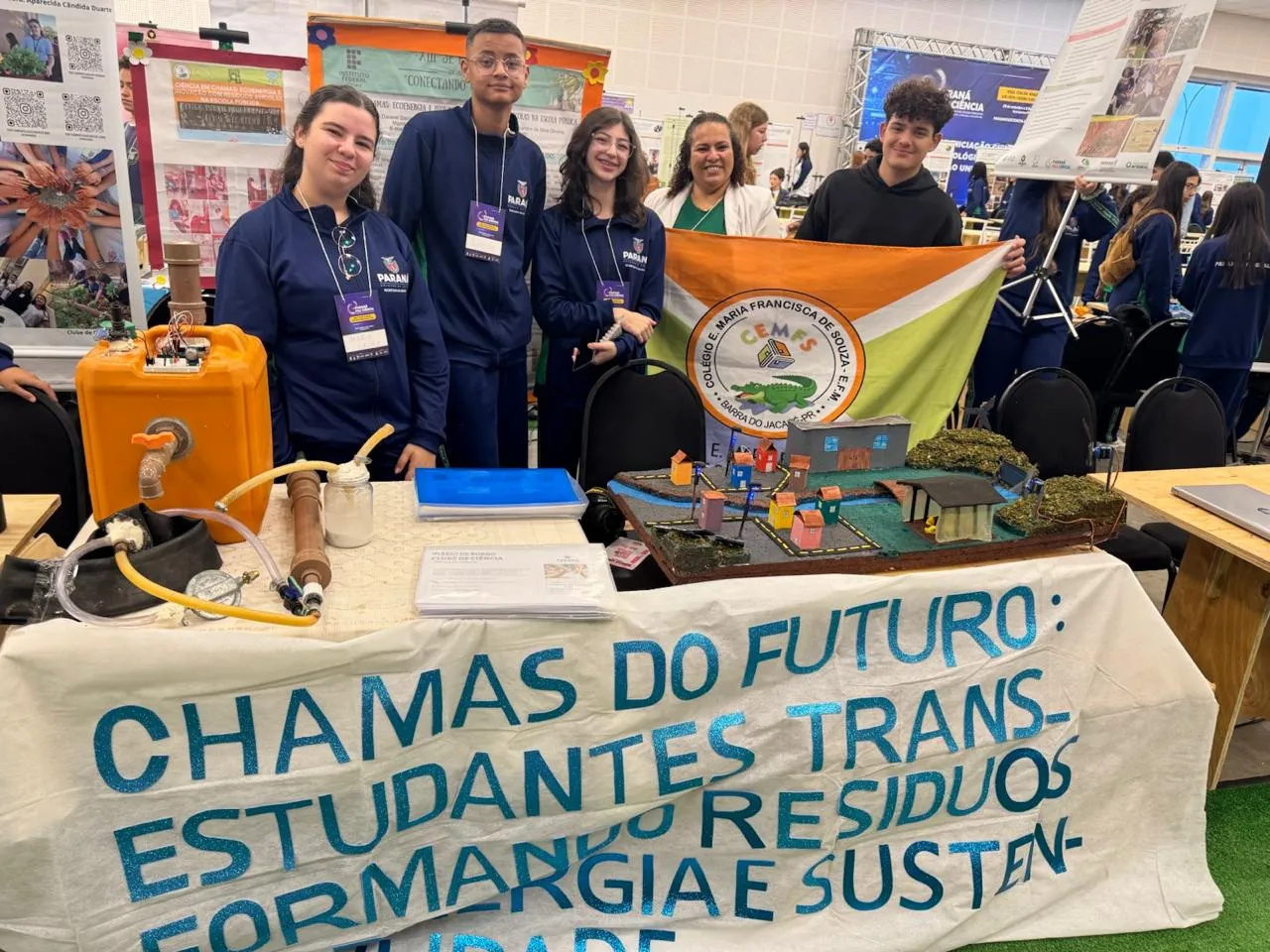
Paranaense students develop a system that transforms farm waste into clean energy and revolutionizes sustainable agribusiness.
-
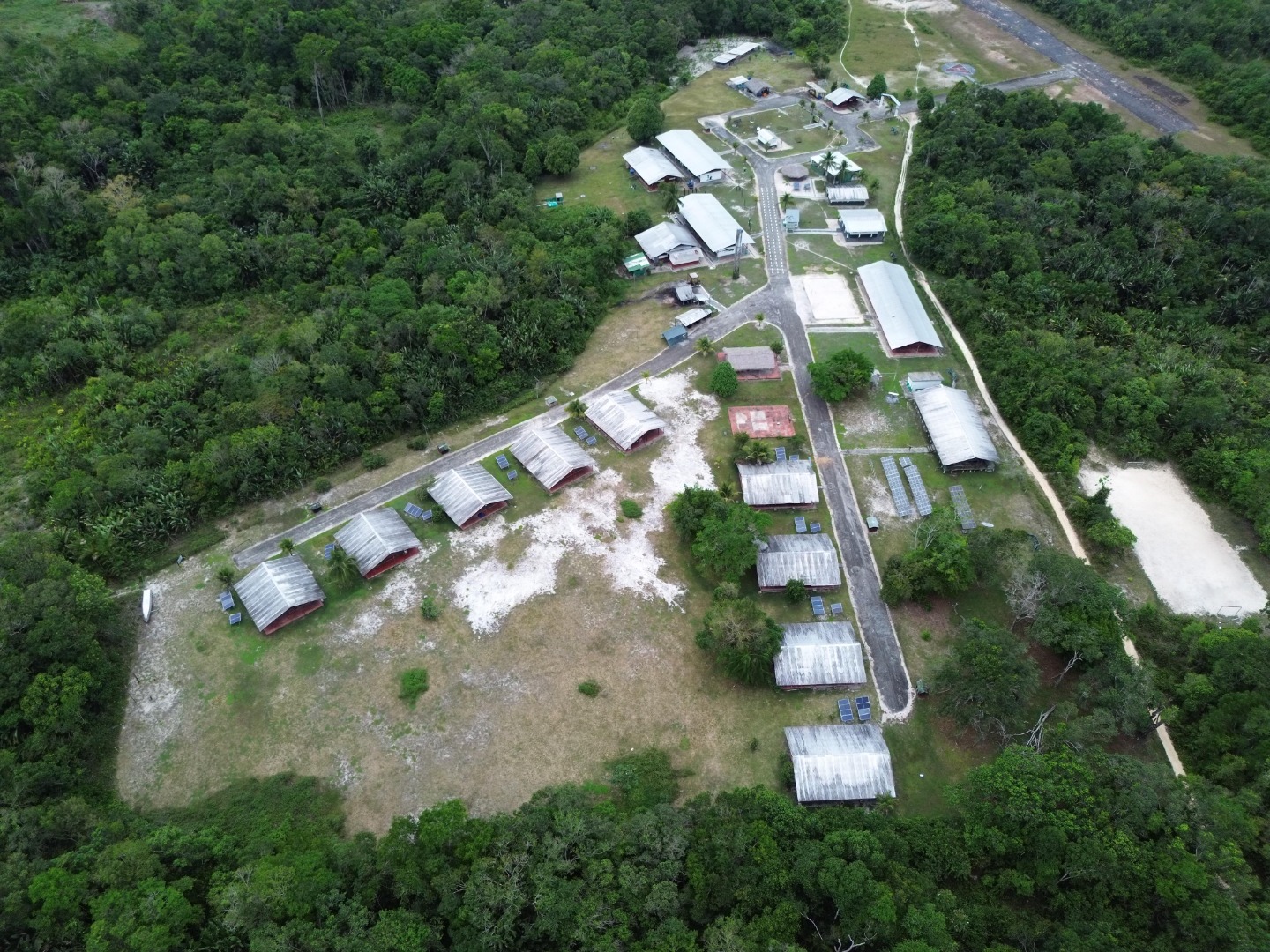
The Ministry of Defense installs a giant photovoltaic plant and ensures a stable supply of clean energy in Maturacá, in the Amazon.
“The energy transition is underway and here to stay”, states the document, which emphasizes the importance of ensuring that this transformation is fair and equitable.
Clean Energy as an Economic and Social Engine
The letter signed by Lula and other world leaders emphasizes that clean energy is not just an environmental solution but also an economic and social one. It reduces costs, promotes growth, creates jobs, and strengthens local economies. Moreover, it increases energy security by shielding consumers from the volatility of international markets.
“Energy security is national security”, highlights the text, pointing out that local energy production is essential for the stability of countries.
Inequalities in Clean Energy Investments
Despite advancements, significant disparities persist. Of the US$ 2 trillion invested in 2024, only US$ 40 billion was allocated to Africa. Although this amount doubles what was recorded in 2020, it is still insufficient. Without immediate action, 550 million Africans will remain without modern energy access by 2030.
In Latin America, where Brazil stands out, there is one of the cleanest energy matrices in the world. However, only a small fraction of renewable potential has been explored. Dependency on fossil fuels, gaps in energy access, and the need for stable financing remain critical challenges.
Global Forum Boosts Fair Energy Transition
To address these gaps, the Global Forum on Energy Transitions was created, a collaborative platform among governments, banks, companies, and philanthropic institutions. The aim is to accelerate the fair and inclusive energy transition, especially in developing countries.
The Forum will be flexible and adaptable to the realities of each country. Among the highlighted initiatives are:
- Accelerated Partnership for Renewable Energy in Africa
- Africa Energy Transition Program
- African Initiative for Green Industrialization
- ASEAN Power Grid
These actions will be integrated with global alliances such as the Global Clean Power Alliance and the Global Energy Efficiency Alliance.
Ambitious Targets for 2030 and COP30 in Brazil
The letter reinforces the commitments made at COP28 and projects bold targets for the next decade, which will be further elaborated at COP30, hosted in Brazil:
- Tripling renewable energy capacity
- Doubling energy efficiency
- Expanding the production and use of sustainable fuels
These targets aim to install 11 terawatts of renewable capacity by 2030, focusing on local manufacturing and the deployment of clean technologies in developing countries.

Brazil and Lula: Leadership in Global Energy Transition
With the letter, President Lula reinforced Brazil’s commitment to a fair energy transition, highlighting the importance of reforms in the global financial architecture to ensure that multilateral mechanisms support the implementation of Nationally Determined Contributions (NDCs) post-2030.
The country already has an electricity matrix with about 90% coming from renewable sources, according to the Ministry of Mines and Energy. This advantage positions Brazil strategically to lead global decarbonization and share experiences with other nations.
Additionally, programs such as Light for All, Clean Cooking, and Amazon Energy demonstrate Brazil’s commitment to social inclusion and sustainability.
Opportunity for Brazil at COP30 and in Energy Transition
The holding of COP30 in Brazil represents a unique opportunity for the country to consolidate its leadership on the global climate agenda. The event will serve as a platform for reviewing climate targets and strengthening international commitments in favor of clean energy.
With an energy matrix that is already predominantly renewable and public policies aimed at inclusion and sustainability, Brazil can serve as an example of how to reconcile development with environmental responsibility.
The letter signed by Lula and other world leaders is a call to action. It reinforces that the energy transition is not only necessary but inevitable—and it must be conducted with justice, equity, and international cooperation.






Seja o primeiro a reagir!