





 Portuguese
  English
  Spanish
  5 min of reading
  0 comments


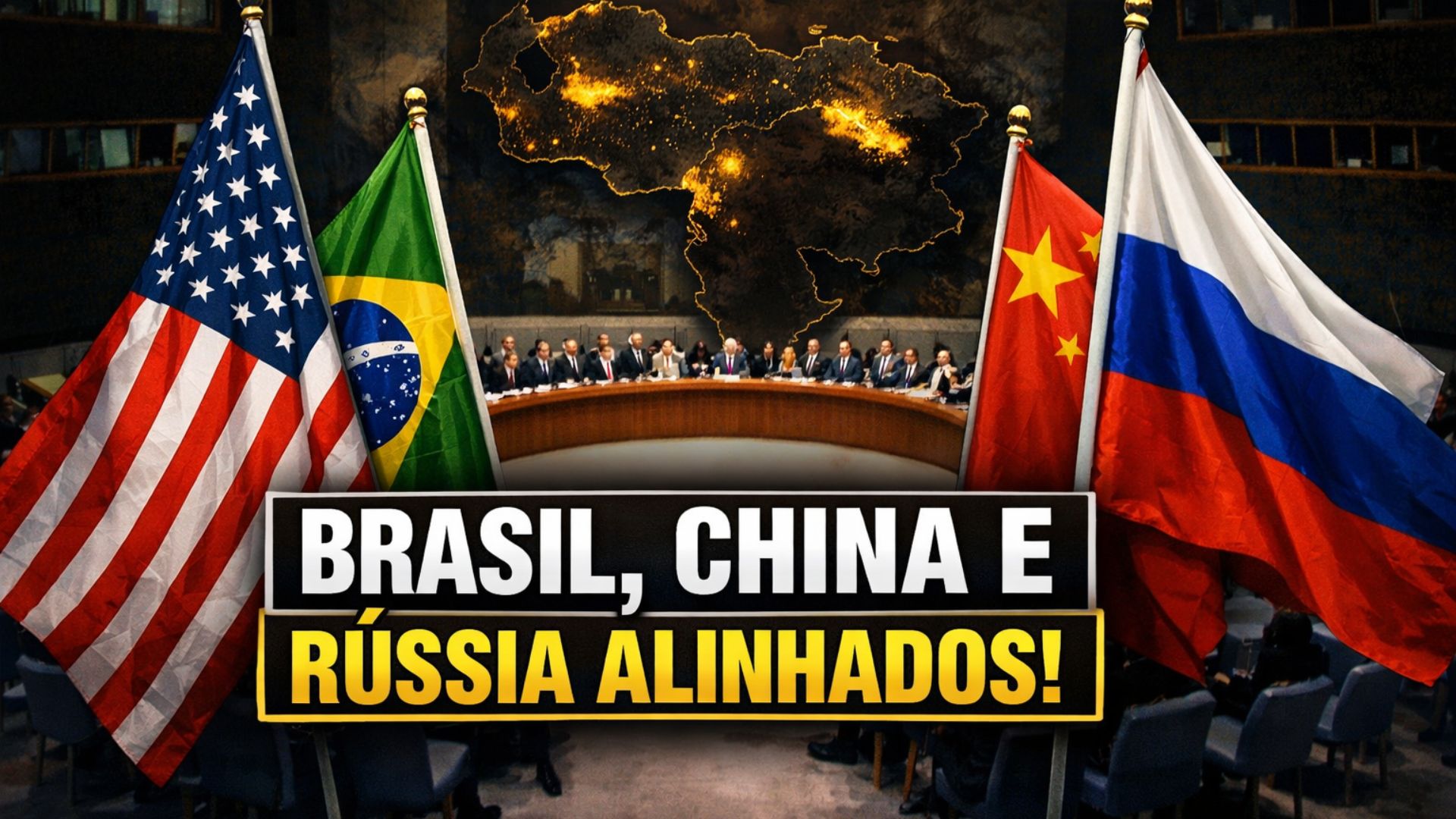
UN Security Council Meeting Exposes Divergences Among Powers, Criticism of US Actions in Venezuela, Accusations of Sovereignty Violations, Mentions of Energy Interests and Warnings About Impacts on International Law and Global Diplomatic Stability.
Brazil aligned itself with China and Russia on Monday (5) in New York, condemning in the UN Security Council the operation conducted by the United States in Venezuela, which resulted in the detention of President Nicolás Maduro and his wife, Cilia Flores.
During the extraordinary meeting, Washington maintained that the action does not constitute an armed conflict but a police operation, while several countries warned about the impacts of the episode on international law and global stability.
The session took place amid strong diplomatic tension and exposed deep divergences among the permanent members of the Council, all with veto power.
-
It fell apart! The US and Iran fail to reach an agreement and global tension explodes — Vance’s exit from Pakistan raises alarms about Hormuz and the nuclear program.
-
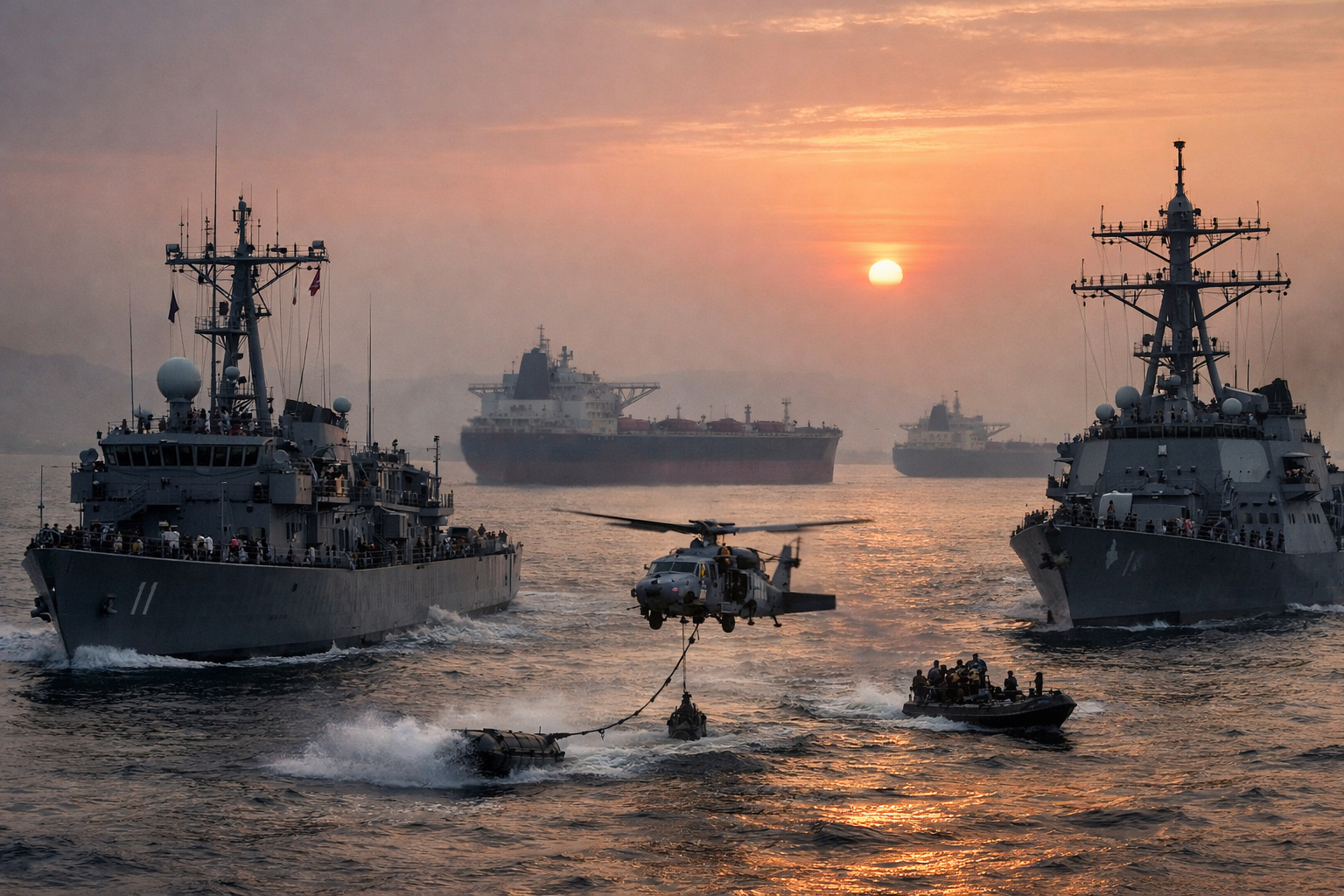
U.S. Armed Forces send warships to the Strait of Hormuz for mine removal from the channel as supertankers resume transit and global tensions pressure oil.
-
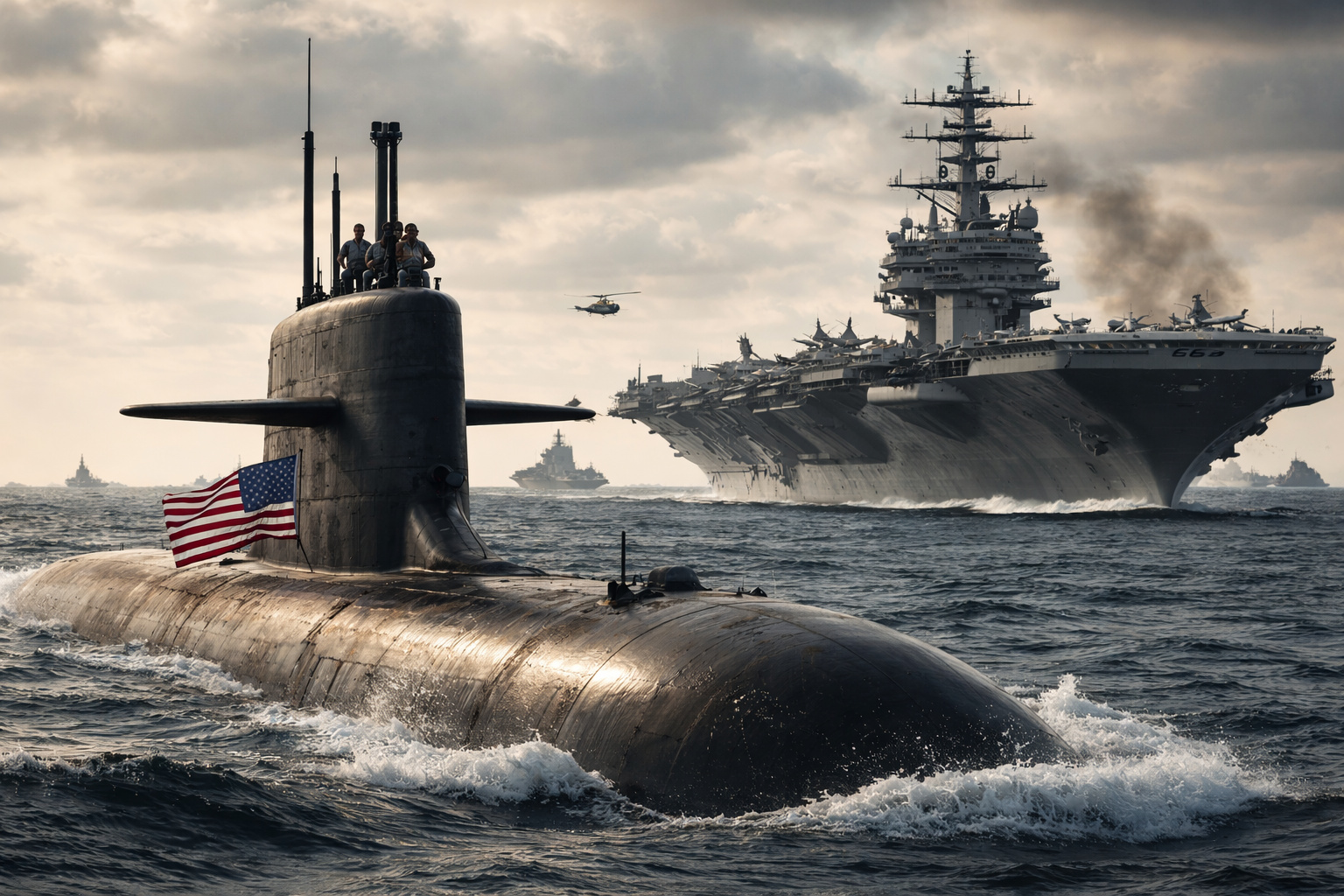
While $5.5 billion aircraft carriers dominate the seas with advanced technology, an $80 million submarine can simulate a devastating attack and expose strategic vulnerabilities that still challenge naval powers.
-
A country where no mother pays income tax if she has three children and still receives incentives, easy credit, and state support to increase births and try to reverse the population decline.
Representatives of critical countries stated that the operation violates Venezuelan sovereignty and could set precedents with effects beyond Latin America.
The American delegation rejected this interpretation and stated that the initiative had specific and limited objectives.
Brazil in the Security Council Defends International Rules
Without directly mentioning authorities, Ambassador Sérgio Danese, Brazil’s representative to the Security Council, stated that the episode goes beyond the borders of Venezuela and has implications for the entire international community.
According to the diplomat, actions of this nature tend to create precedents that can undermine the international rules-based system.
When speaking, Danese said that Brazil does not accept the logic that political or security objectives can justify means contrary to international law.
He also declared that the use of force should not override legal norms and advocated that Venezuela’s political future should be defined by the country’s people through dialogue and respect for international laws.
Although Brazil does not have voting rights in the Security Council at this time, Brazilian participation in the debate was presented as part of the diplomatic effort to reinforce multilateral principles and prevent the escalation of conflicts in the region.
China Criticizes Use of Force and Demands Security Guarantees
China took a similar stance by stating that the use of force, without multilateral backing, tends to escalate crises and weaken the international system.
Ambassador Fu Cong stated that the American action disrespected Venezuelan sovereignty and contradicted multilateralism principles.
During the debate, the Chinese representative called on the United States to ensure Maduro and his wife’s physical safety while they remain in custody.
Fu Cong stated that Beijing was “deeply shocked” by the incident and classified the operation as illegal, emphasizing that international disputes should be addressed through diplomatic means.
Russia Escalates Tone and Mentions Interests in Venezuelan Oil
Russia escalated its criticisms and demanded Maduro’s immediate release.
Ambassador Vasily Nebenzya stated that it is not up to a country to act unilaterally as if it had the authority to judge and intervene in other sovereign states.
According to the Russian diplomat, there would be no legal justification for the operation, and any deadlock involving Venezuela should be resolved through dialogue.
Nebenzya also stated that economic interests were behind the offensive, mentioning Venezuelan oil reserves as strategic in the global scenario.
United States Rejects Accusations and Cites Police Action
Responding to opposing statements, American representative Mike Waltz stated that “there is no war” against Venezuela.
According to him, the action had a police nature and was based on old accusations against Maduro related to drug trafficking.
Waltz said that the initiative sought to protect American citizens and prevent criminal networks from using Venezuelan territory as a base of operations.
In his speech, the representative also stated that the United States does not intend to allow large energy reserves to remain under the control of countries considered adversaries.
The American envoy also asserted that Washington does not recognize Maduro as a legitimate head of state, claiming that the Venezuelan political process has been compromised over the past years.
Limits of the Security Council and Political Influence
As the United States is one of the five permanent members of the Security Council, any resolution attempting to formally condemn the operation may be blocked by a veto.
Still, diplomats highlighted that public debate within the council exerts political and diplomatic influence, exposing positions and increasing international pressure.
Experts in international relations consulted in parallel debates to the meeting believe that, even without binding decisions, sessions like this help to shape the global narrative regarding respect for international norms.
Venezuela Calls It Kidnapping and Warns of Global Risks
The Venezuelan delegation classified Maduro’s detention as kidnapping and stated that the episode represents a threat not only to the country but to other states.
Ambassador Samuel Moncada declared that if actions of this kind are relativized, international law risks losing its strength as a reference in relations between countries.
According to Moncada, Venezuela was targeted by the operation because of its natural wealth.
He also stated that Maduro’s capture occurred without recognized legal basis and would violate international norms that protect heads of state.
Colombia and UN Express Concern About Sovereignty
Colombia condemned the American action and stated that there was a violation of the UN Charter by affecting the sovereignty and territorial integrity of Venezuela.
The Colombian representative, Leonor Zalabata, said that the episode violates central principles of the international system.
In a message sent to the Council and read by Under-Secretary-General Rosemary DiCarlo, UN Secretary-General António Guterres stated that he is deeply concerned about the disrespect for international law norms and the possible effects of the episode on regional stability.
Criticisms of Maduro and Rejection of External Intervention
Some delegations combined criticism of the Venezuelan government with condemnation of US actions.
France and Denmark mentioned concerns about practices considered undemocratic by Maduro, but stated that political changes should be conducted internally, without foreign intervention.
Argentina also criticized the Venezuelan government and referenced the 2024 electoral process, asserting that Edmundo González would have won the election.
Still, the country reinforced its position that political disputes do not justify external military actions.
With the Security Council divided and limited by veto power, what diplomatic instruments remain for the international community to deal with unilateral operations presented as police actions?





-

-

-

4 pessoas reagiram a isso.