






 Portuguese
  Spanish
  3 min of reading
  0 comments


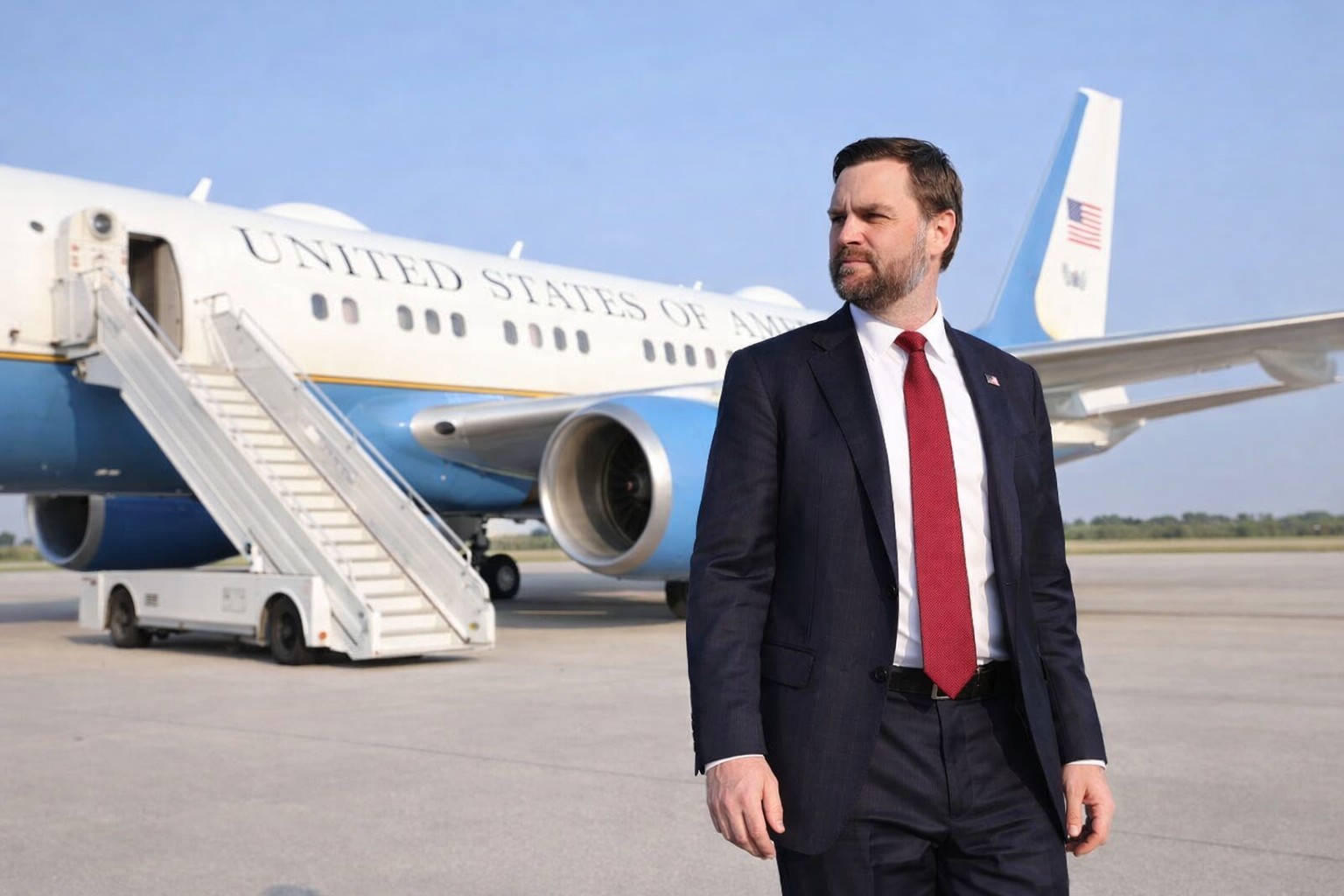
Conversations between the US and Iran advanced, but unexpected collapse leads to direct conflict and expands crisis in the Middle East
The negotiations between the United States and Iran, which aimed to contain the advancement of the Iranian nuclear program, abruptly failed, even after signs of diplomatic progress. The collapse of the talks was followed by military attacks, raising global tension and placing the Middle East in a scenario of open war.
According to IstoÉ magazine, based on information from Deutsche Welle this Sunday (12), representatives from both countries reported “significant progress” during meetings in Geneva mediated by Oman.
However, just hours after this advancement, the United States — with support from Israel — launched attacks against Iran, catching observers and diplomats by surprise.
-
Truck drivers, freight, and fines from 2022 take center stage in politics: Chamber approves MP with amnesty, mandatory tracking by CIOT, million-dollar penalties, and new minimum wage for those who spend more than 24 hours on the road.

-
China off the radar: US plans mega $30 million weapons depot in Australia, out of reach of most Chinese missiles, with full capacity expected by 2028

-
Trump’s wall advances at a rapid pace: government promises to complete a barrier of over 3,000 km by 2027 while drones and cartels turn the US border into a new field of technological dispute
-
China prepares mBridge, a new digital payment system with blockchain that promises transactions in seconds, lower fees, and the advancement of the digital renminbi while aiming to reduce dependence on the dollar in global trade.



Irreconcilable differences blocked nuclear agreement
Despite the initially positive atmosphere, experts point out that the agreement was practically unfeasible from the start.
The demands from the United States included a complete end to uranium enrichment, severe limitations on the missile program, and a reduction of Iran’s regional influence.
On the other hand, Iran refused to accept conditions considered as “complete surrender”, which created a structural impasse in the negotiations.
Furthermore, analysts highlight that Washington may have underestimated the ideological stance of the Iranian regime, expecting concessions that would never come.
US pressure strategy may have sabotaged negotiations
Another decisive factor was the strategy adopted by the United States. Then-President Donald Trump employed a maximum pressure approach, combining diplomacy with intense military presence in the region.
Warships, equipment, and troops were already positioned near Iran weeks before the talks.
For experts, this indicates that the negotiations could have been merely a final attempt to avoid war, or even a step within a strategy of deliberate escalation.
In other words, diplomacy may have been used as a tactical instrument, not as a definitive solution.
Military attacks end any possibility of immediate agreement
The breaking point came with the attacks led by the United States and Israel, justified as a response to “imminent threats” from Iran.
Donald Trump stated that the action aimed to protect the American people, while Prime Minister Benjamin Netanyahu asserted that Iran could not obtain nuclear weapons.
On the other hand, experts question this justification and claim that there was no concrete evidence of an imminent Iranian attack, classifying the conflict as a “war of choice”.
Global consequences are already starting to appear
The failure of the negotiations and the onset of conflict are already causing significant impacts on the global economy.
There is an increase in oil and gas prices, risks to global energy supply, worldwide inflationary pressure, and instability in financial markets.
The Strait of Hormuz, responsible for about 20% of global oil trade, has become one of the main points of tension.
Moreover, the conflict may prolong, amplifying its economic and geopolitical effects.
Is an agreement still possible?
Despite the critical scenario, experts do not completely rule out a resumption of negotiations. However, the path now is much more complex.
The combination of mutual distrust, military escalation, and internal political pressures means that any new agreement will depend on much greater concessions from both sides.
In practice, the world has entered a new phase of instability, where diplomacy and conflict walk hand in hand — and any mistake could further escalate the crisis.
And in your view: were these negotiations doomed from the start or did the attacks completely change the course of history?






Be the first to react!