





 Portuguese
  English
  Spanish
  4 min of reading
  0 comments


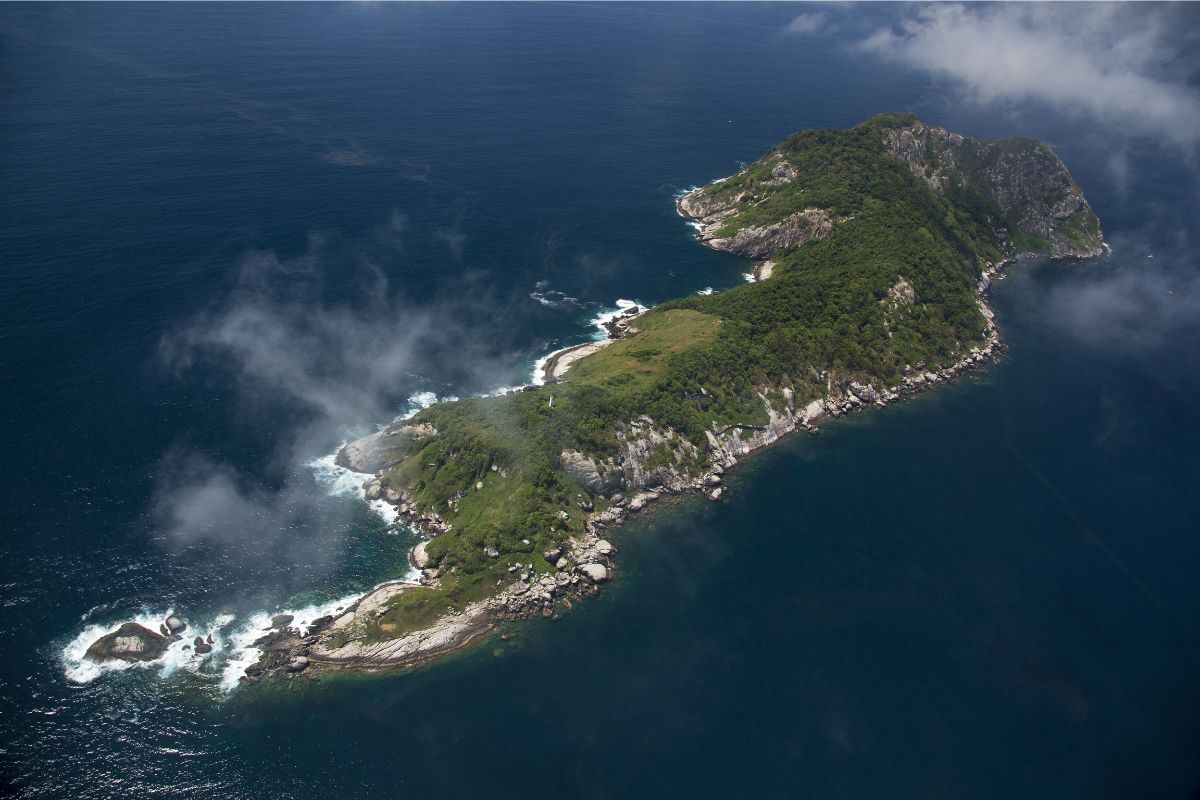
Queimada Grande Island Is So Dangerous That the Brazilian Government Prohibited Entry: One Venomous Snake Per Square Meter and No Tourists Allowed
Hidden just 35 km off the coast of São Paulo, there is an island that carries the most feared nickname of the Brazilian coastline: the “Snake Island.” Officially called Queimada Grande Island, it is not a tourist destination — in fact, it is one of the few places in Brazil where access is prohibited to the public by federal decree. The reason? A frightening number of venomous snakes that have turned the island into a true living laboratory of evolution.
An Ecosystem Dominated by a Snake That Does Not Exist Anywhere Else in the World
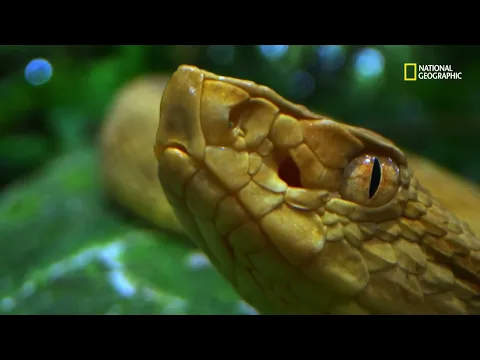
The main inhabitant of the island is the golden lancehead (Bothrops insularis), an endemic snake that exists only there — and nowhere else on the planet. The species evolved from its continental relative, the common lancehead, but due to the island’s geographical isolation for thousands of years, it has acquired even deadlier characteristics. Its venom is so potent that it can kill a human in less than an hour, and there is no specific antidote for its treatment.
It is estimated that, during certain periods of the year, there can be up to one snake per square meter in some parts of the island, especially during the breeding and feeding season. This extreme population density is a result of the absence of natural predators and the presence of migratory birds, which have become their main source of food.
-
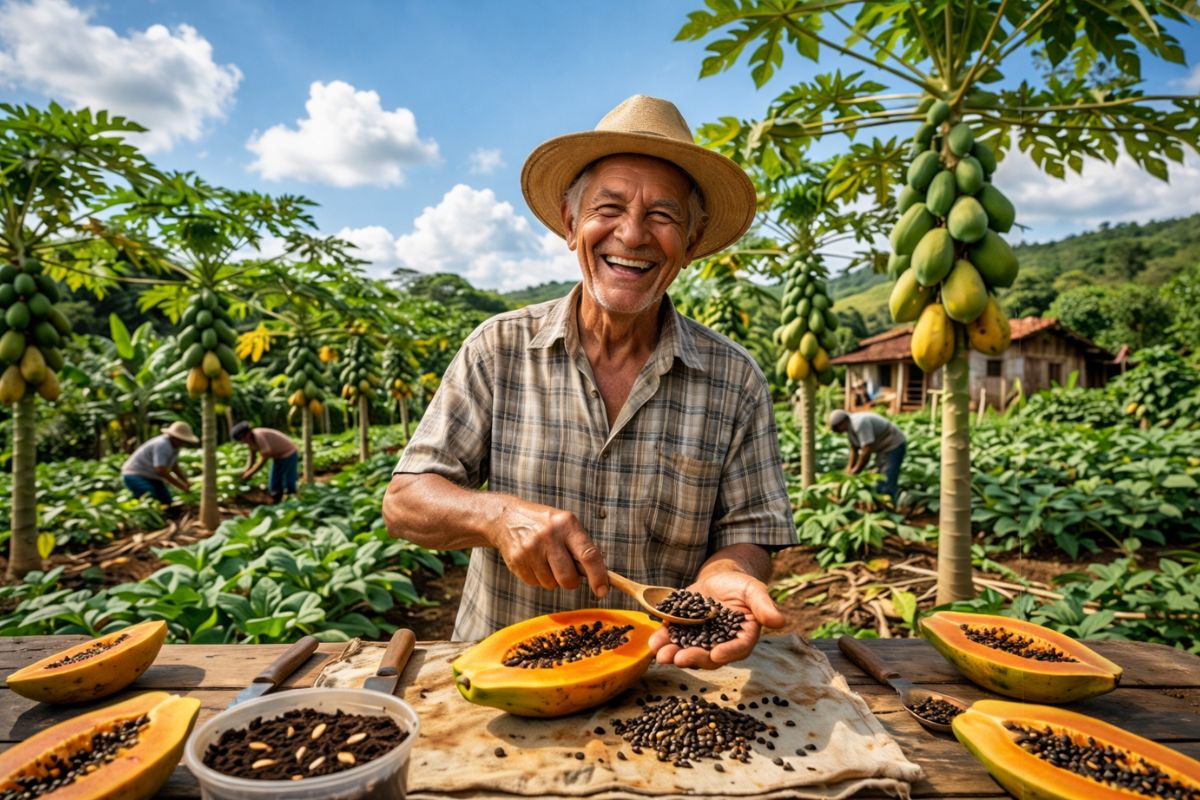
Mr. Mário reveals the technique of the caipira papaya: he cuts the fruit in half, discards the seeds from the tip, and plants the ones from the back to increase the chance of a productive female tree.
-
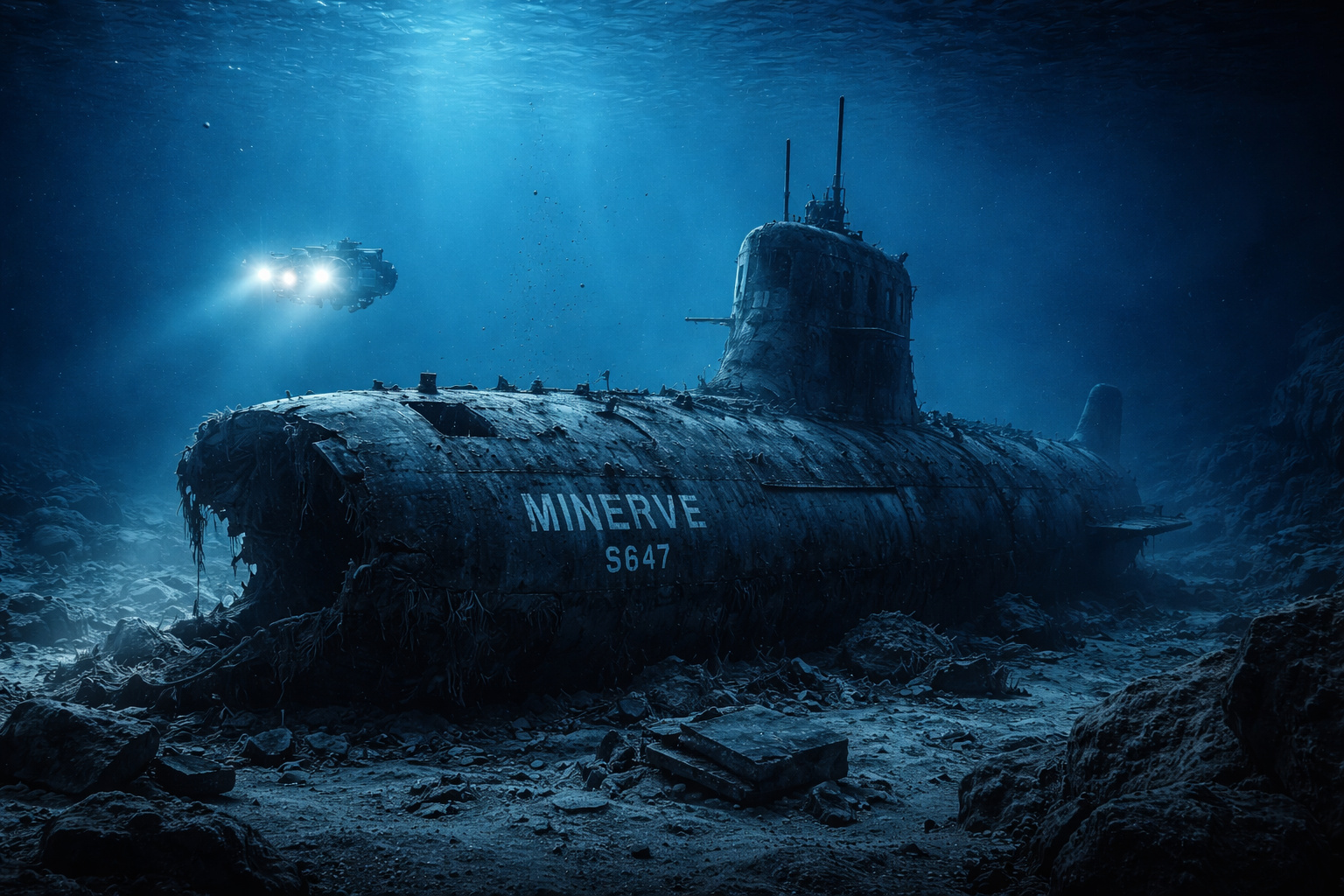
Few remember, but the submarine that disappeared in 1968 with 52 crew members was found after 51 years at the bottom of the sea at more than 2,000 meters, intriguing the entire world.
-
With 1,200 tons suspended, the Japan mega-structure in a grid shape with a floating sphere from Fuji TV features two 25-story towers connected by elevated walkways, titanium panels, and impresses the world with its ability to reduce wind impact.

-
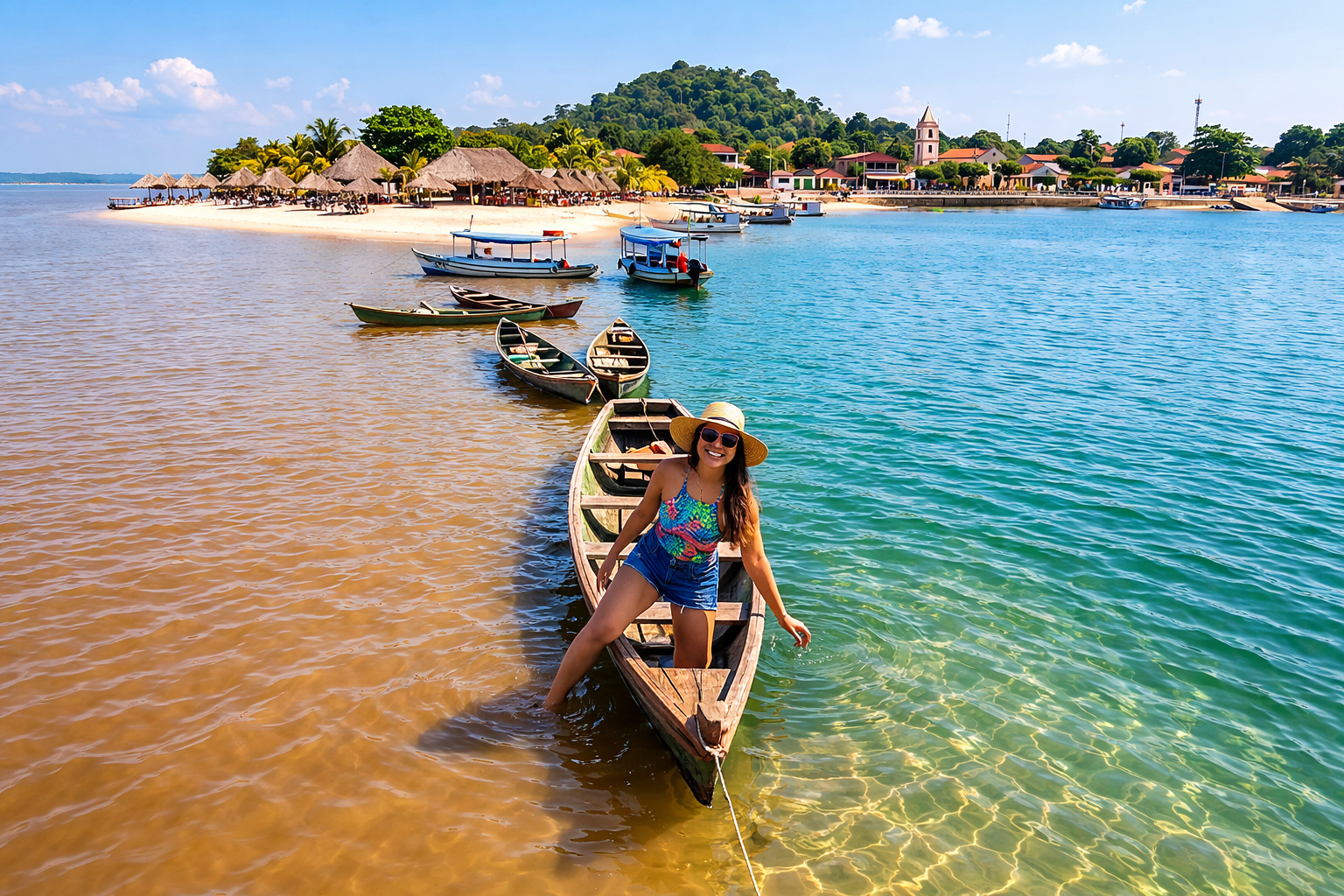
The village where two rivers run side by side without mixing in Santarém and Alter do Chão reveals some of the most beautiful freshwater beaches on the planet.


Total Ban on Visits and Strict Control by the Navy
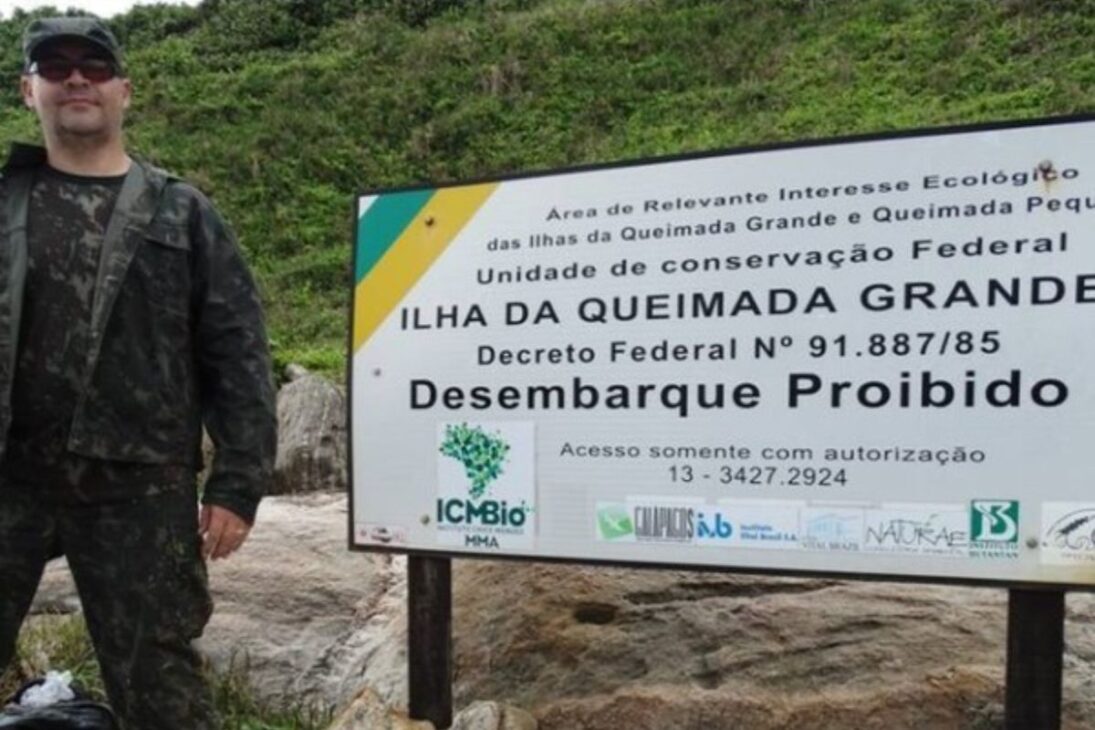
Queimada Grande Island has been closed to the public since the 1980s, based on opinions from the Chico Mendes Institute for Biodiversity Conservation (ICMBio). Today, only authorized researchers, accompanied by qualified medical professionals or specialized biologists, are permitted to land there.
The Brazilian Navy is responsible for controlling access, and any attempt to approach without authorization can result in fines and even imprisonment. This ban aims not only to protect humans from the risk of attacks but also to ensure the preservation of the species, which is at risk of extinction, according to the International Union for Conservation of Nature (IUCN).
A Venom That Can Save Lives?
Despite the deadly reputation of the golden lancehead, scientists have been studying its venom for medicinal applications. Research indicates that it possesses unique anticoagulant and analgesic properties, with potential for the development of drugs against diseases such as stroke, thrombosis, and even some types of cancer. The island’s genetic isolation has led to a type of toxin not found in any other snake in the world, making this venom a true gem for biotechnology.
Brazilian and foreign laboratories, such as the Butantan Institute, maintain active research lines with samples collected under strict safety protocols. Data collection is done with minimal interference possible, as the island is also considered an Area of Relevant Ecological Interest (ARIE).
Myths, Legends, and the Fascination with the Prohibited
The reputation of Queimada Grande Island has transcended the scientific world. Macabre stories about fishermen who allegedly invaded the island and never returned are part of local folklore. There are reports — never verified — of lighthouse keepers abandoning the old lighthouse on the island because they could not withstand the “siege of snakes.”
Today, the lighthouse is operated remotely by the Navy, and any human activity is minimal. Even so, the island continues to fascinate curious individuals, adventurers, and documentarians. The American channel Discovery Channel has produced an exclusive episode about the location, classifying it as “the most dangerous place on Earth”.
A Brazilian Natural Heritage Protected by Law
Although terrifying to many, Queimada Grande Island is a unique natural heritage of Brazil, essential for ecological balance and the advancement of science. It represents a rare example of how evolution shapes species in isolated environments, and how even the most lethal organisms can hide solutions to the greatest challenges of modern medicine.






-

-

-

-

-

-

10 pessoas reagiram a isso.