





 English
  Francês
  Alemão
  Italiano
  Japonês
  Norueguês
  Portuguese
  Spanish
  3 min of reading
  1 comment


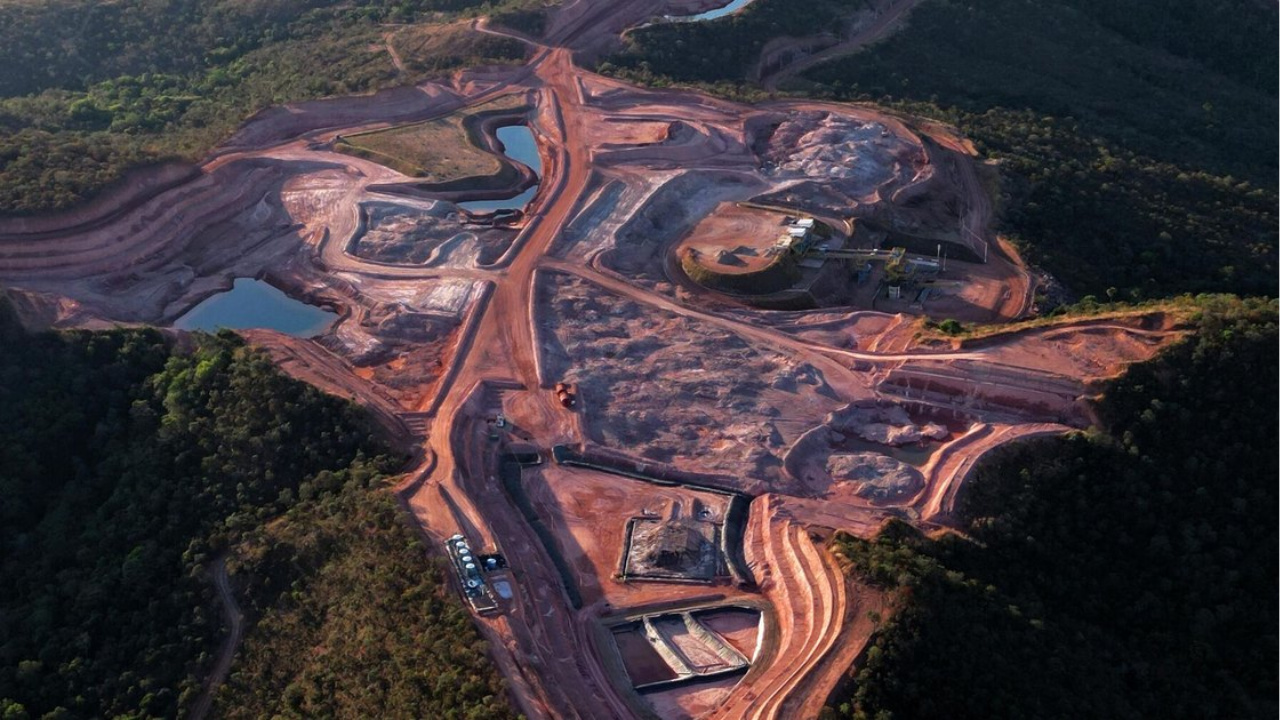

Brazil Has One of the Largest Rare Earth Reserves in the World, but Faces Barriers in Energy, Logistics, and Regulations That Could Delay Its Entry into the New Global Race for Strategic Minerals.
The world is undergoing a new race for strategic resources. At the center of this dispute are energy, minerals, and logistics. In this scenario, Brazil appears as a powerhouse full of riches, but also of obstacles. Rare earths, increasingly sought after by major economies, are a clear example of this.
Despite the enormous potential, the country still struggles to transform its reserves into real development.
Meanwhile, global changes accelerate the consumption of energy and metals. And this places Brazil in front of choices that can be costly in the future.
-
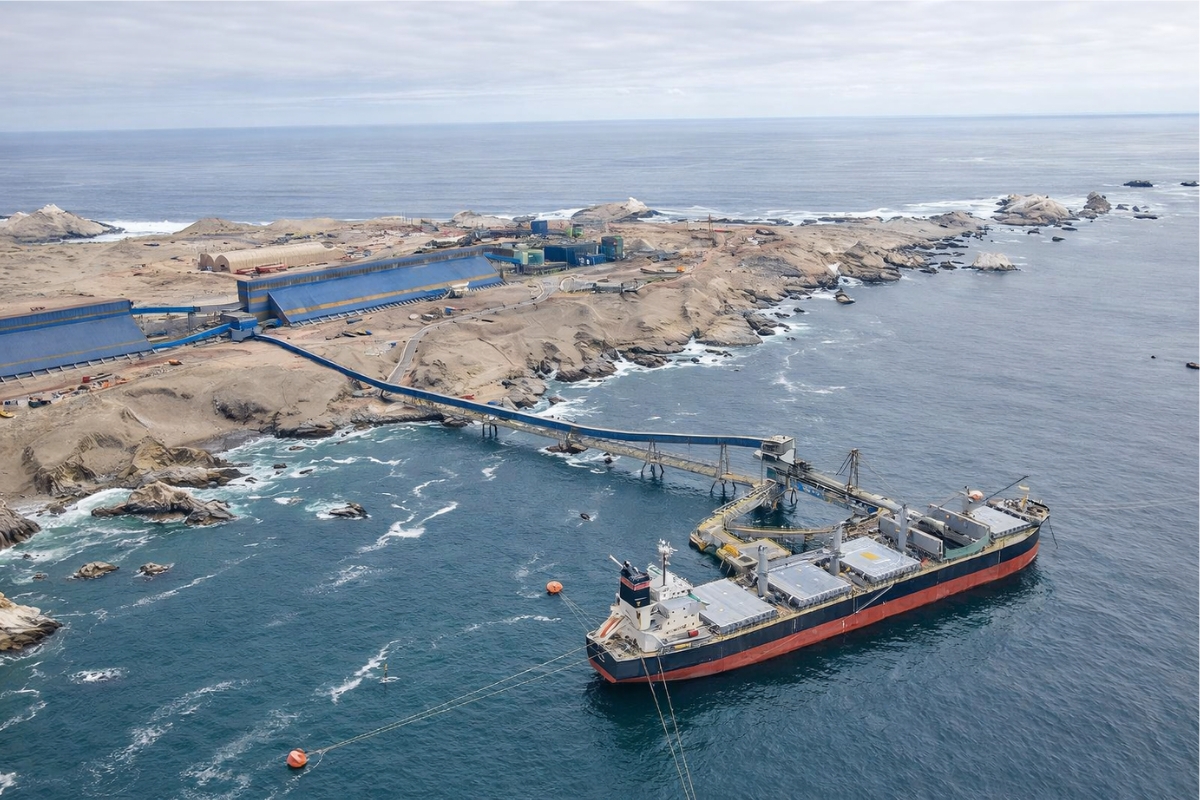
A $3.5 billion megaproject in Latin America pumps desalinated seawater at 1,050 liters per second over 194 km to keep a copper supermine in the Andes operational for another 20 years.
-
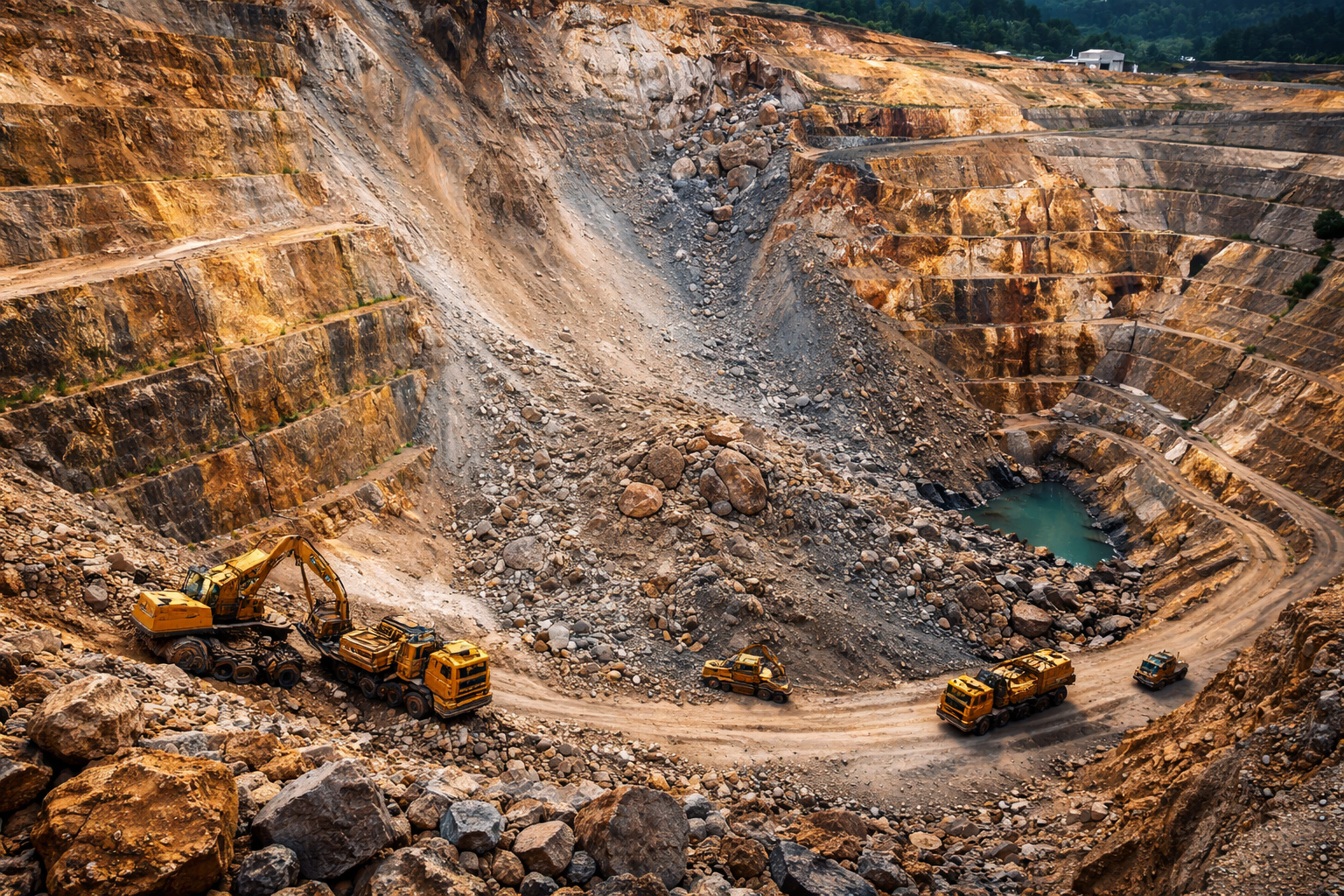
A hidden mine in the Andes valued at nearly R$ 1 trillion is starting to attract global attention, containing copper, gold, and silver, and raises an intriguing question: why do Argentina and Chile need to act together to exploit this gigantic wealth?
-
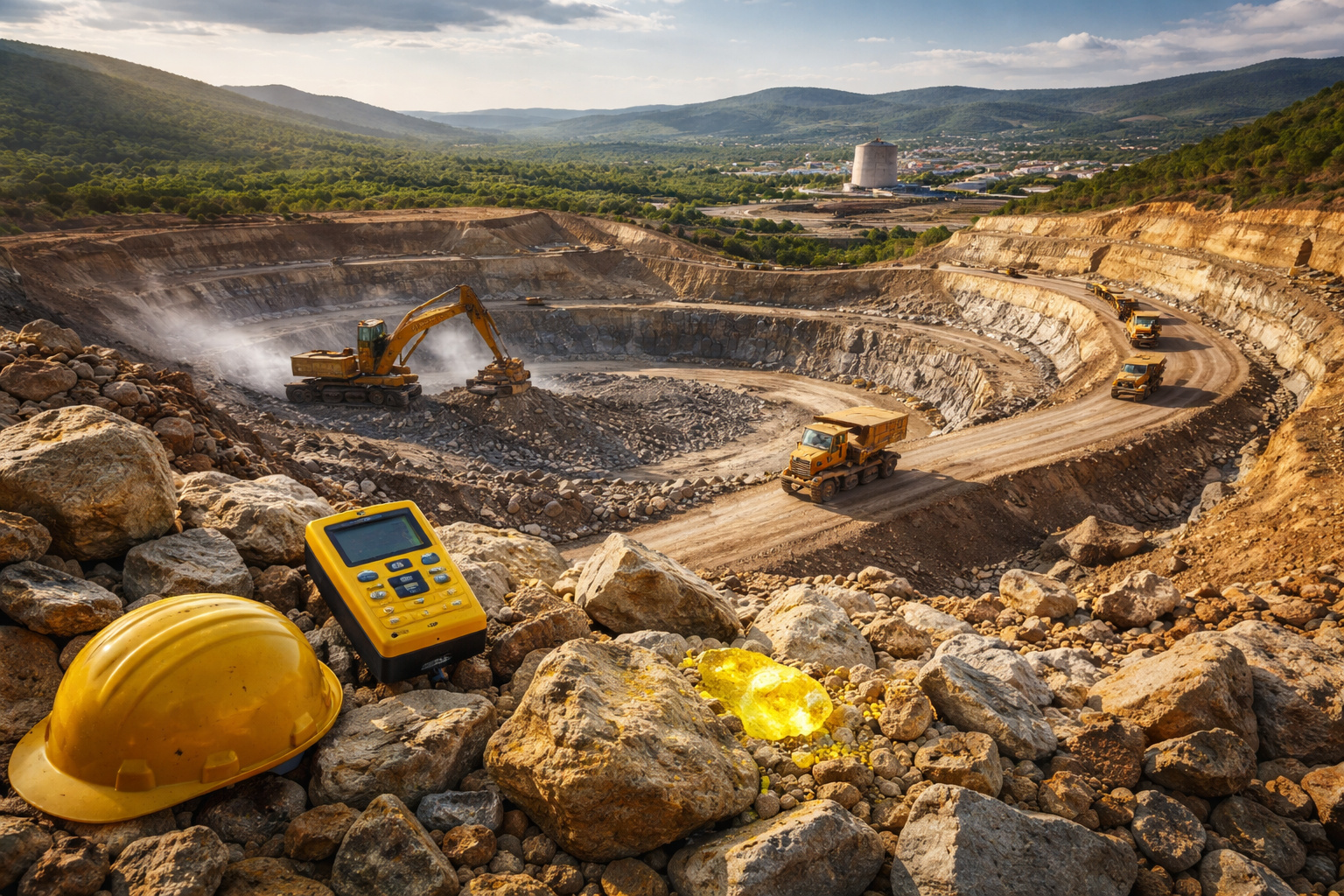
A silent discovery in the interior of Bahia could change the future of energy in Brazil: a uranium reserve in Lagoa Real has an estimated capacity to produce 400 tons per year and is already attracting the attention of energy sector specialists.
-
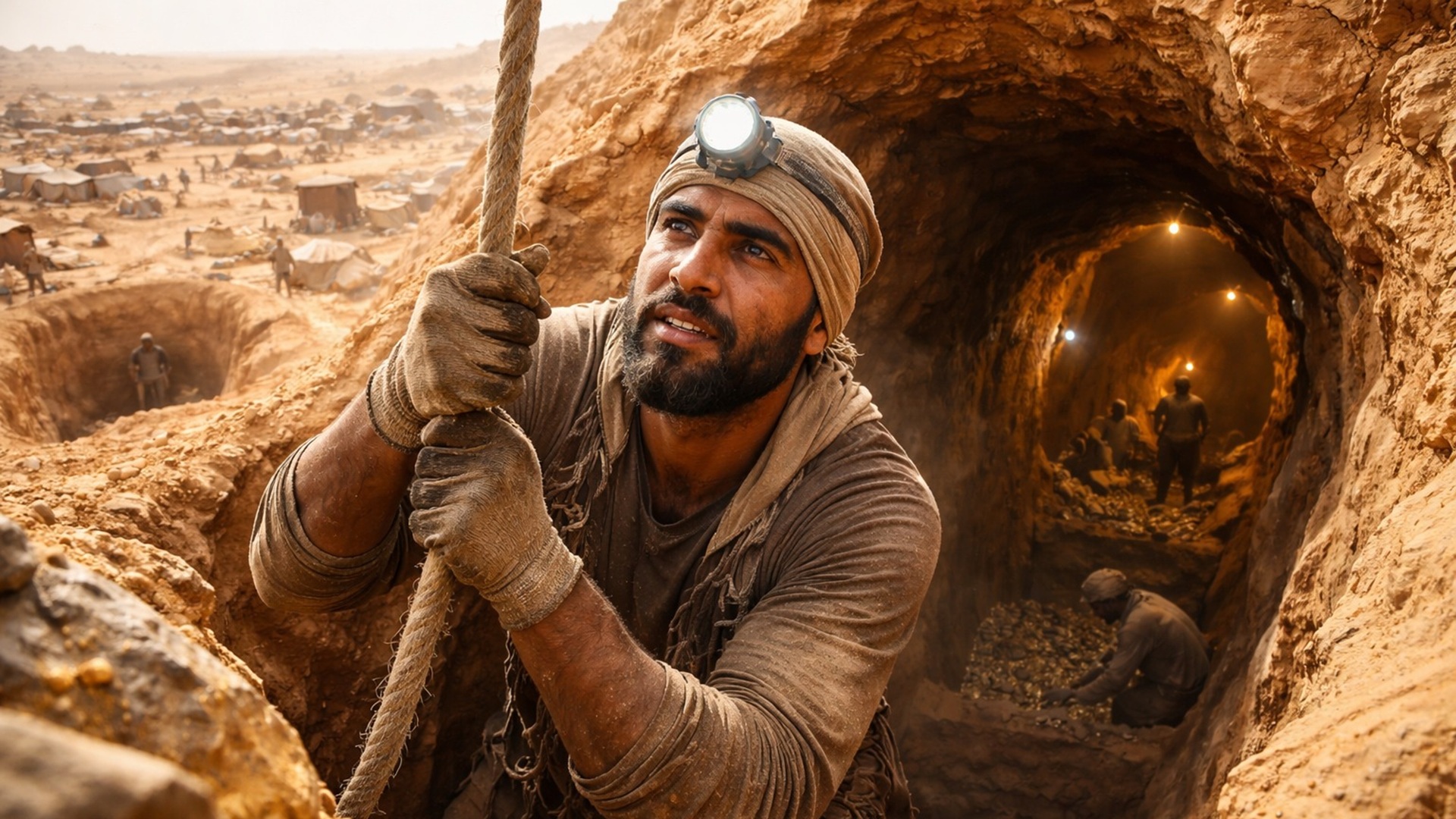
Gold Miners Descend Into Narrow Holes Up to 48 Meters Deep in the Mauritanian Desert and Spend Up to Two Days Living Inside Tunnels in an Underground City with Over a Thousand Mines

Rare Earths Gain Weight in the New Geopolitics
According to Pedro Rodrigues, director of the Brazilian Infrastructure Center (CBIE), the volatility of commodities today comes from abroad. “It’s 100% external scenario,” he summarized. In the case of oil, he points to a downward trend in prices. However, in metals, the movement is the opposite.

Copper, uranium, and lithium have gained strategic value. This is due to the 4.0 Revolution and artificial intelligence.
“The demand for energy today in the world is brutal because of the development of these new technologies, among them data centers… Without energy, we won’t have data centers, and we won’t have artificial intelligence learning,” he stated.
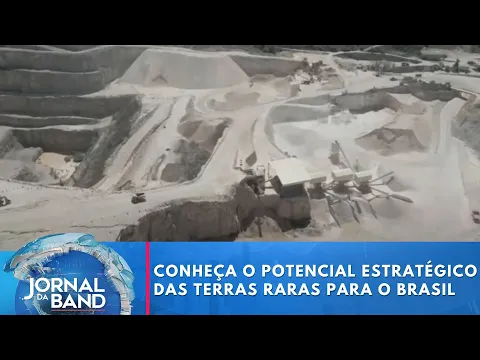
In this context, rare earths enter as key pieces. They are used in cell phones, electric cars, turbines, and military equipment.
Brazil, according to Rodrigues, has the third-largest reserve on the planet. Even so, the country still does not have a prominent space in global forums on critical minerals.
Fragile Regulations and Delay in Exploration
Having wealth underground does not guarantee prosperity. For Rodrigues, the problem lies in the lack of clear rules and legal security. Without this, investors hold back.
Moreover, Brazil still faces difficulties in efficiently regulating the exploration of rare earths.

In the environmental field, he states that the legislation is robust but very slow. For him, the excess of bureaucracy and politicization stalls strategic projects.
Still, he argues that the country needs to improve its external communication. “Brazil preserves forests much more than France… we need to be protagonists of the narrative,” he said.
Logistics and Energy as Bottlenecks
Even with rare earths and other valuable minerals, Brazil faces another major problem: infrastructure. The dependence on trucks makes everything more expensive. There is a lack of railways, waterways, and pipelines. This reduces competitiveness.
Natural gas also weighs heavily. As it is extracted along with oil, mainly offshore, the cost is high. This harms the national production of fertilizers. Therefore, Rodrigues suggests stimulating production on land and even shale.
He also rejects the term “energy transition.” He prefers to talk about “energy addition.” “The world no longer talks about energy transition… we cannot afford to exclude one source in favor of another.” For him, oil, solar, and wind need to coexist.
With global demand skyrocketing, rare earths, energy, and minerals have become a power game that Brazil has yet to decide whether to just watch or lead.
Who is to blame for Brazil remaining so indifferent to its own rare earth reserves? And what can be done to change this situation?








Se o B O Z O fosse o presidente , já teria entregado essas reservas ao Trump