





 Portuguese
  English
  Spanish
  3 min of reading
  0 comments


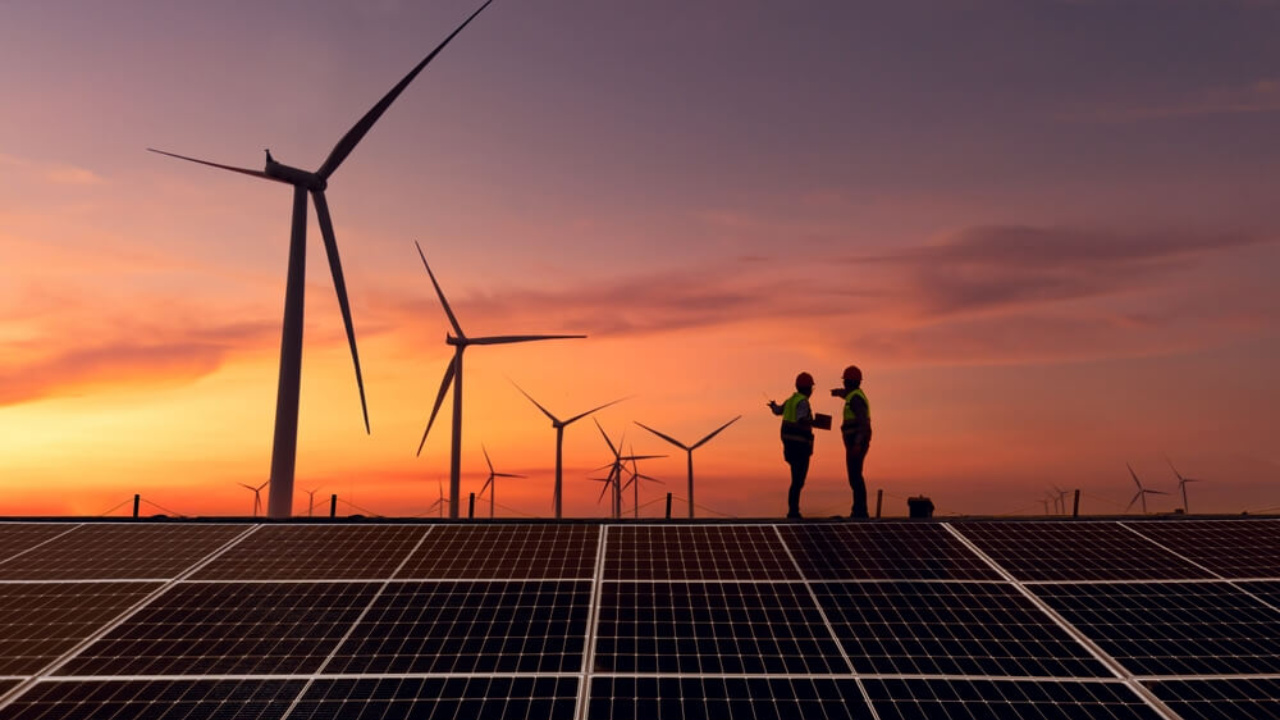
With Renewable Energies Representing Half Of The Matrix, Brazil Surpasses Global And OECD Averages, Driven By Solar, Wind And Biofuels.
Brazil has reinforced its prominent position in the international scenario by consolidating one of the cleanest energy matrices on the planet. Official data shows that renewable energies accounted for 50% of the entire national energy matrix, a level far above the global average and also higher than that observed in developed countries.
The result confirms the strategic relevance of the country in the energy transition and enhances Brazil’s role in the sustainability debate.
The information is included in the 2025 edition of the Brazilian Energy Review, published by the Ministry of Mines and Energy (MME), and reflects a year marked by the expansion of clean sources and stability in the use of non-renewable energies.
-
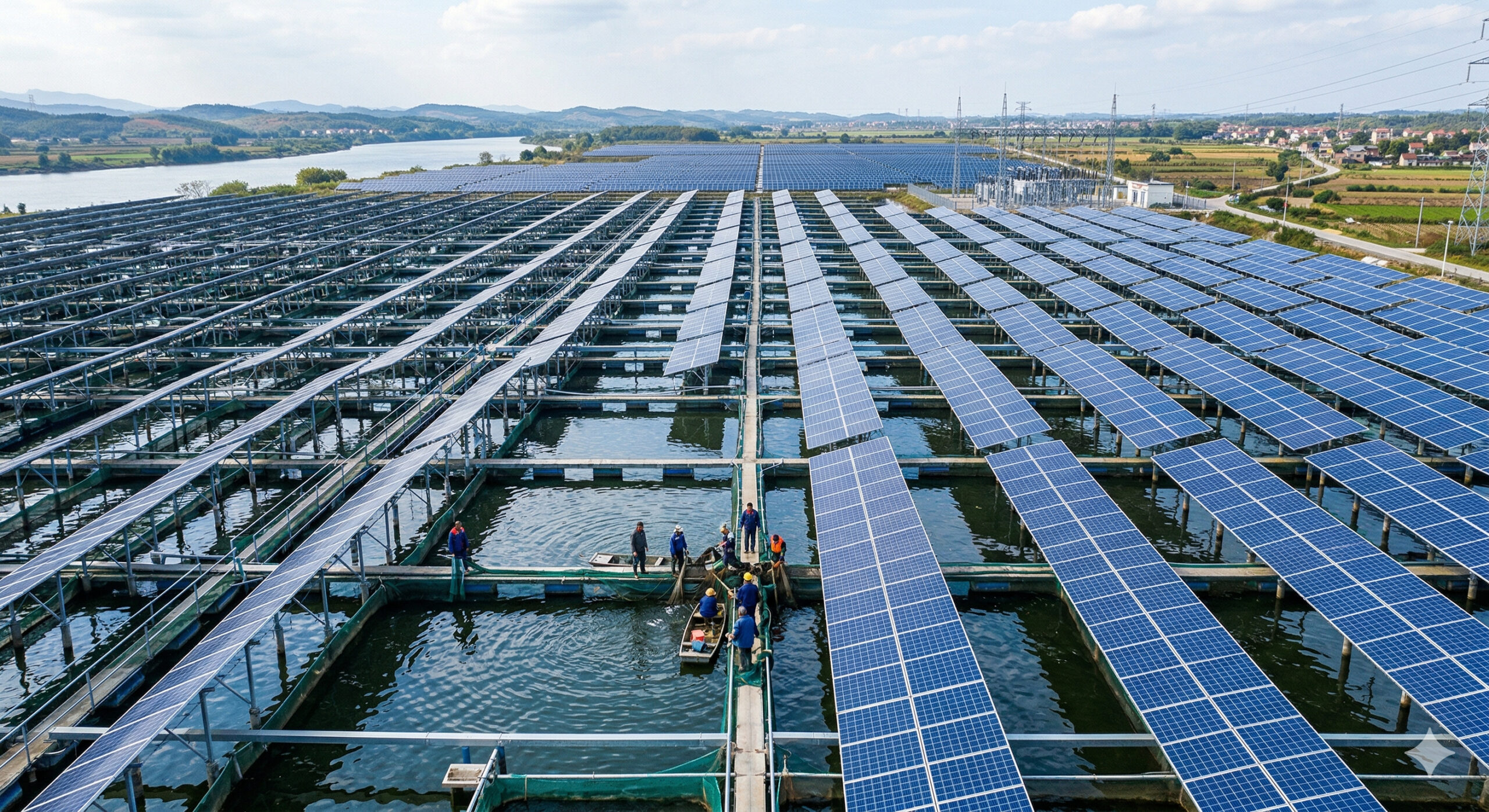
China bets on the Fishery-PV model and transforms fish farms into giant solar plants, covering ponds with panels that generate energy while utilizing the same space for large-scale aquaculture production.
-
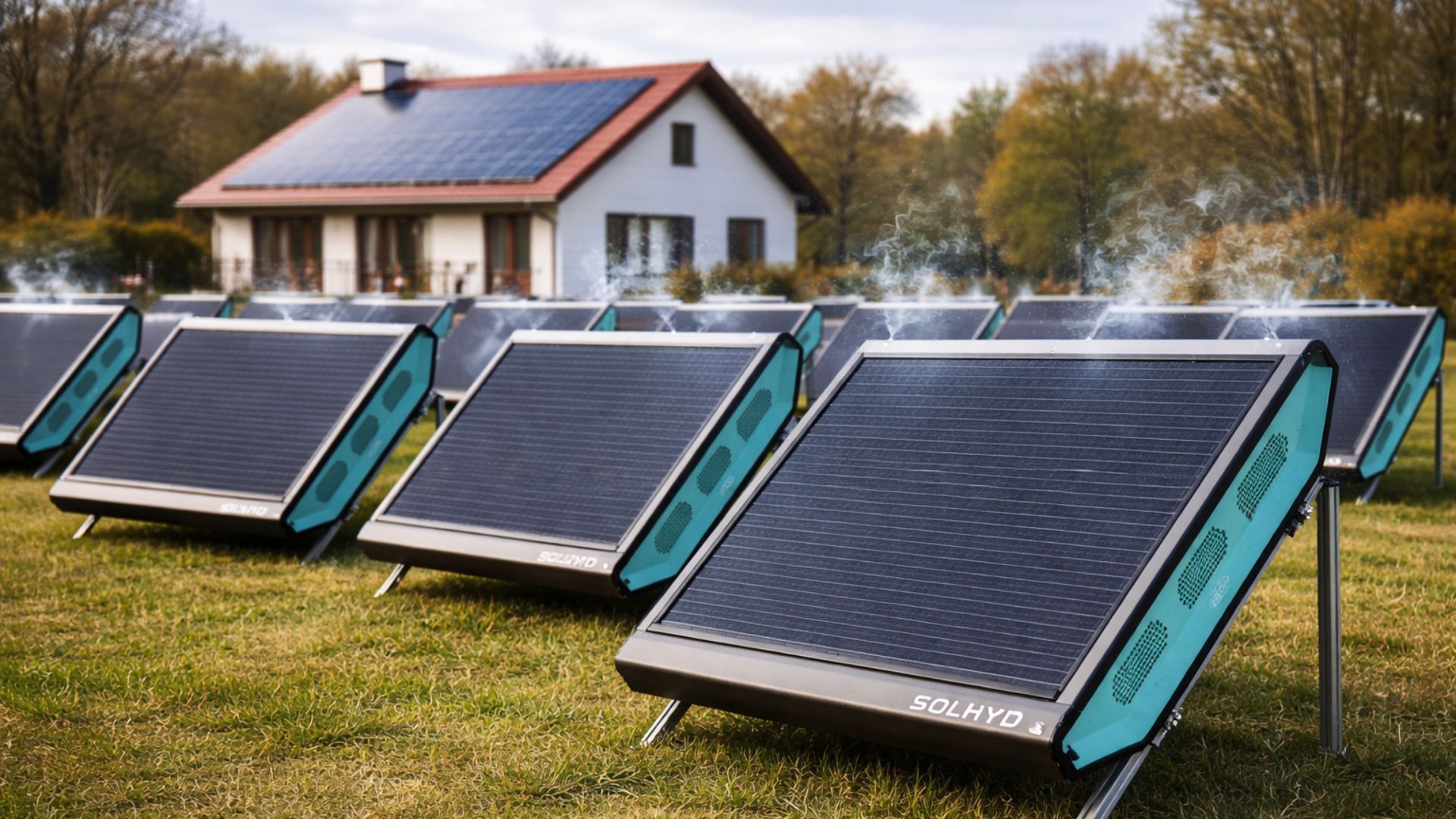
Green hydrogen at home: Belgium launches new technology that makes solar panels produce fuel from the moisture in the air, which could boost the energy transition.
-
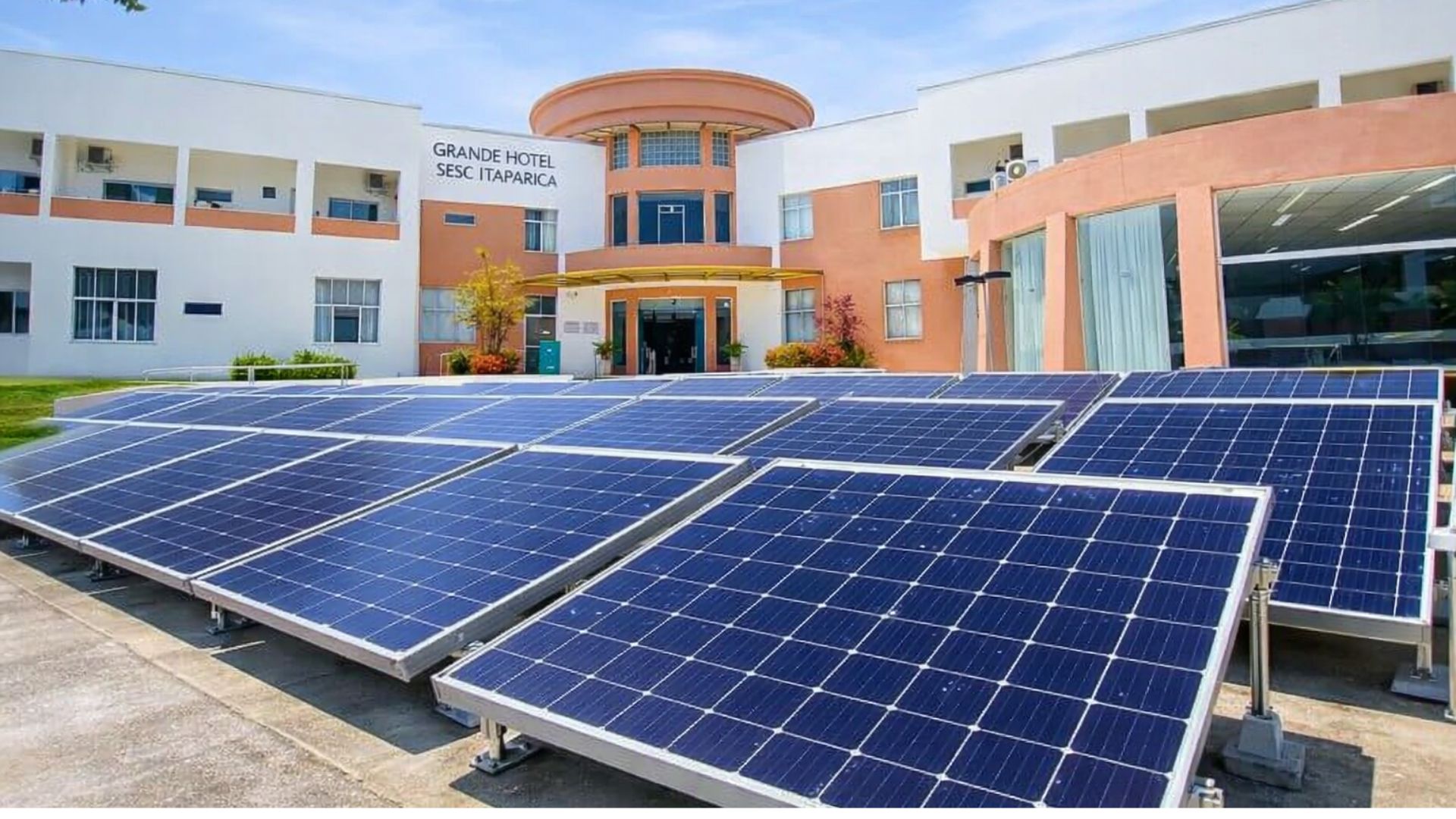
Sesc-BA bets on renewable energy with the support of EDP and drives the energy transition with a direct impact on cost reduction and the sustainability of its operations in Bahia.
-
Technology giant breaks global sustainability records: How Amazon’s leadership in renewable energy procurement transformed the global energy market in the past year.


Brazilian Energy Matrix Surpasses Global Average And OECD Countries
According to the survey, the share of renewable energies in Brazil reached 50% in 2024, a figure nearly four times higher than the global average, which stood at 14.2%.
Additionally, the national index also surpassed that recorded in OECD countries (Organization for Economic Cooperation and Development).
This performance places Brazil among the leading global players in clean energy. The diversification of the matrix and the use of abundant natural resources help explain the result.
At the same time, the advancement signals a relevant competitive differential in a context of international pressure for decarbonization.
Solar And Wind Energy Accelerate Growth Of Clean Sources
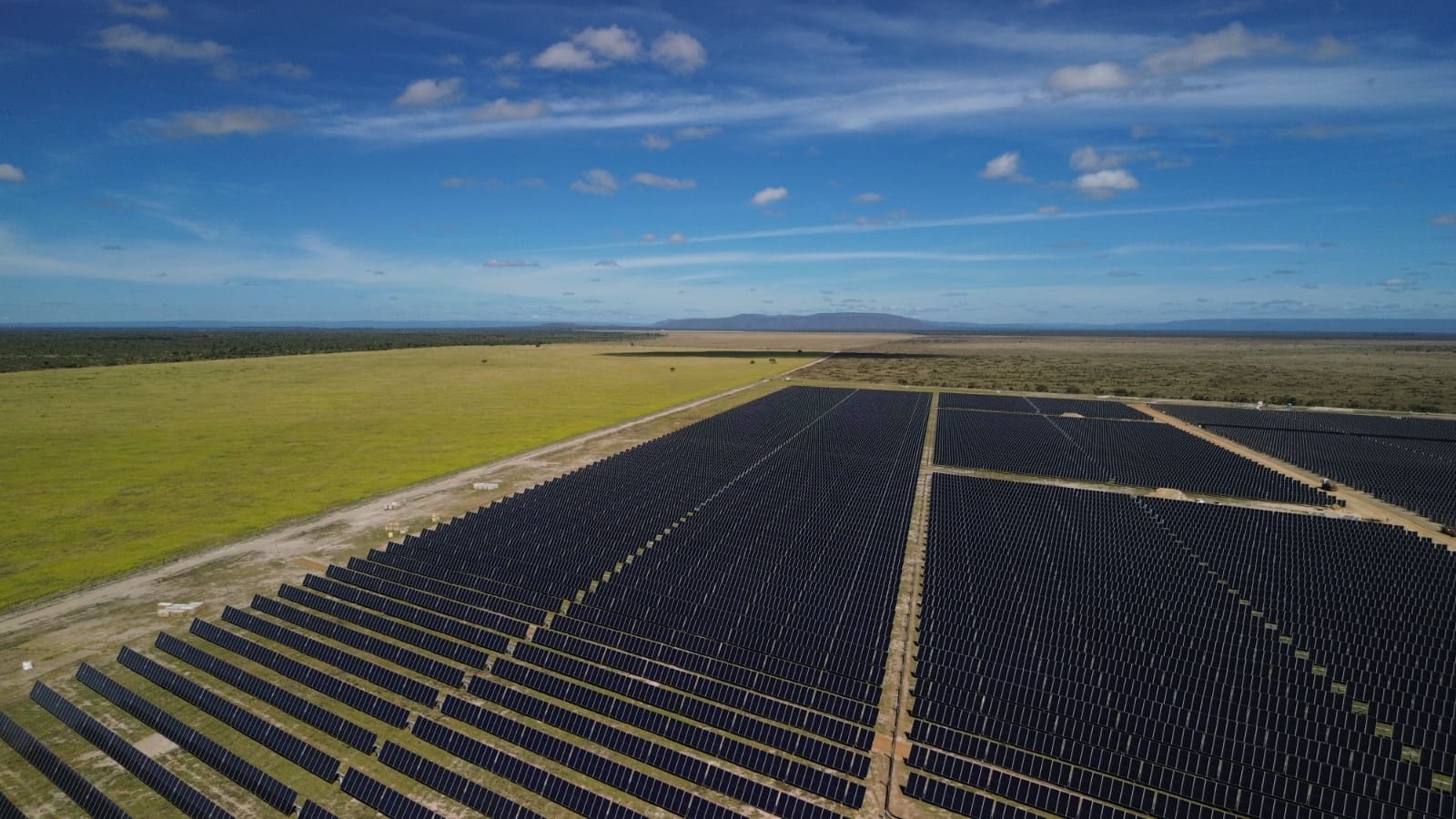
The advancement of renewable energies in the country was primarily driven by the performance of solar energy. According to the study, this source registered a growth of 33.2% throughout the year. Following that, wind energy grew by 12.4%, maintaining a consistent expansion trajectory.
Another significant highlight was the increase in the use of vegetable oils, which saw a growth of 28.35%. These figures show that, in addition to electricity, other energy applications are also increasing the share of renewable sources in the national matrix.
In addition to the advancement of clean sources, the Internal Energy Supply (IES) reached its highest historical level in 2024. The volume reached 322 million tonnes of oil equivalent (toe), representing a 2.4% increase compared to 2023.
Meanwhile, the consumption of non-renewable sources remained practically stable. Oil derivatives even recorded a slight decline, which contributed to the proportional increase of renewable energies in the overall matrix.
Biofuels Lead Expansion In The Transport Sector
In the transport sector, the final energy consumption grew by 2.7% in 2024. This growth was mainly driven by biofuels, which gained even more space in the matrix.
According to MME data, ethanol consumption rose by 15.6%, while biodiesel experienced even more significant growth of 19.2%. This trend reinforces the strategic role of the sugar-energy sector and the biofuels chain in consolidating renewable energies in Brazil.
The increase in biofuel consumption was driven by recent regulatory changes. According to the MME, the Future Fuel Law (14.993/2024) played a central role in this process.
The new legislation establishes mandates for biofuels, as well as specific rules for biomethane and green diesel. As a result, the legal framework creates predictability for investments and stimulates the gradual increase of renewable energies in different segments of the Brazilian economy.








Seja o primeiro a reagir!