





 Portuguese
  English
  Spanish
  5 min of reading
  0 comments


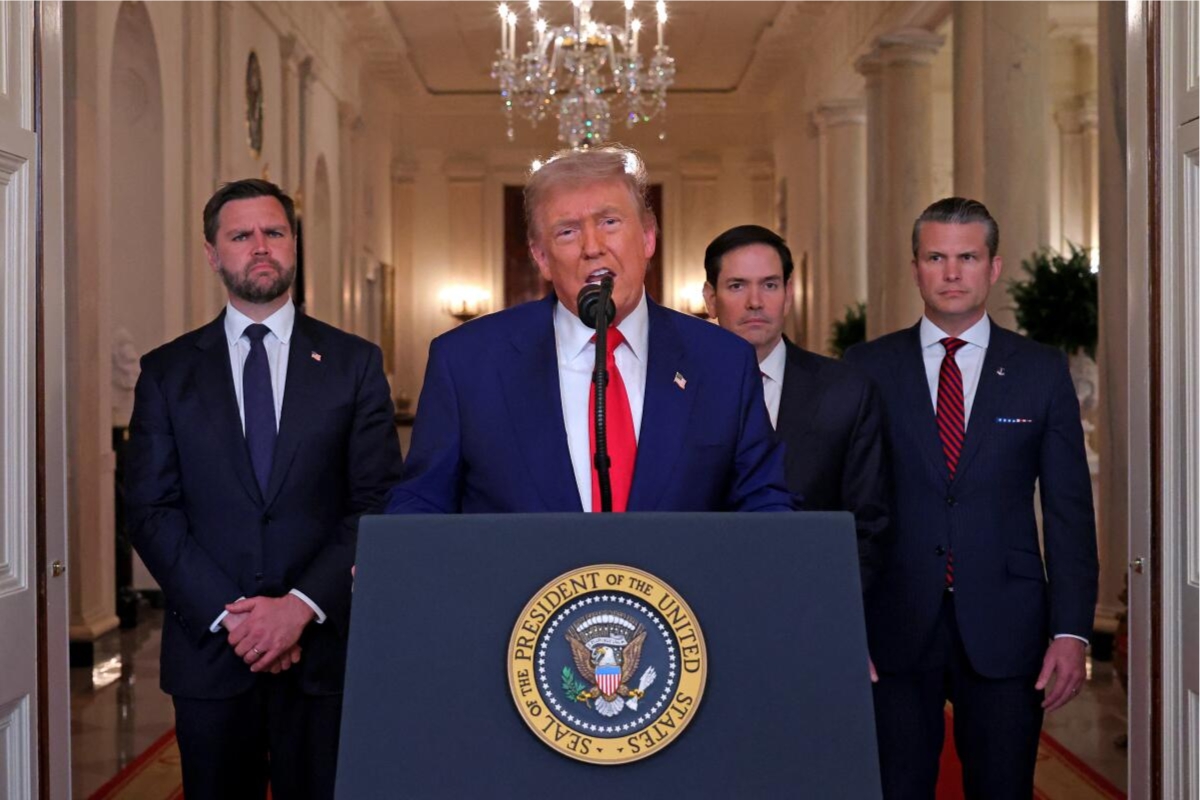
The Highly Favorable Trade Relationship with Brazil Enters Alert Mode with the Threat of 25% Tariffs for Countries that Trade with Iran.
Brazil maintains a very advantageous trade relationship with Iran, but the scenario can change quickly if new tariffs from the United States advance against countries that continue to negotiate with the Middle Eastern country. The topic gained traction after the return of threats involving international trade sanctions.
Currently, the balance is largely positive for the Brazilian side, with strong exports and low imports. The problem is that broad measures can affect even those not at the center of the geopolitical conflict, placing Brazil at risk in foreign trade.
The economic link between the two countries mainly involves agribusiness, which increases the potential impact if the market is pressured by external restrictions. In an uncertain environment, any sudden change can affect sales decisions, contracts, and export flow.
-
“No one will make us change the Pix,” says Lula after the US report.

-
Lula responds directly to Trump and says that Pix is from Brazil and will not change under pressure from anyone, after a report from the United States pointed out the Brazilian payment system as an American trade barrier.

-
Amazon has just announced a new fee on all deliveries, and your online purchases will become more expensive starting April 17, including for those buying from the United States here in Brazil.

-
He sold his share for R$ 4 thousand, saw the company become a giant worth R$ 19 trillion, and missed the opportunity of a lifetime.


Trade with Iran Leaves Brazil in a Surplus and Exposed Position
The trade relationship between Brazil and Iran is marked by an imbalance favorable to the Brazilian side. Imports from the country total less than US$ 100 million, while exports reach about US$ 2.9 billion, creating a significant difference in the balance.
This volume makes Iran an important partner for Brazil, especially when considering the weight of external sales linked to agribusiness. When a country relies on a specific market to offload part of its production, any threat to the trade flow becomes an immediate point of attention.
The total global trade approaches US$ 3 billion, with almost everything concentrated in Brazilian exports. This reinforces the current advantage but also highlights how much Brazil could be affected if barriers are applied broadly.
The Threat of Additional 25% Tariff May Affect Countries That Trade with Iran

The new pressure comes from the possibility of applying an additional 25% tariff against countries that maintain trade relations with Iran. The signal puts the issue on the radar of governments and exporters, as the measure can alter the cost and viability of operations.
There is still no clarity on how the rule would be implemented or which countries would be affected. This type of uncertainty often stalls decisions and increases the risk of losses for those depending on regular and predictable exports.
If the measure has a broad reach, Brazil could be affected even without direct involvement in the international dispute. The impact could manifest as increased costs, loss of competitiveness, and greater difficulty in maintaining active markets.
Lack of Details Increases Uncertainty and Places Brazil in a Crossfire
The problem lies not only in the announcement but also in the lack of explanation regarding criteria, limits, and application. When there are no clear rules, exporting companies and sectors lack references for short-term planning, increasing the risk in contracts and shipments.
This scenario creates an environment of “crossfire” in international trade. Countries that only try to maintain their markets may end up affected by external decisions that do not consider the reality of each trade relationship.
As tensions rise, Brazil may suffer indirect effects even without changing its stance. The instability also raises negotiation costs and the need for caution in operations with strategic partners.
Agribusiness Exports Enter the Center of Trade Risk
Iran plays an important role in Brazilian exports, especially in agribusiness. When a market purchases high volumes, it becomes a relevant part of the sales strategy, and any restriction can cause quick impacts in the sector.
Even with low imports, the positive balance does not eliminate vulnerability. The dependence on exports is precisely the point that can generate pressure, as an external barrier tends to affect more those who sell than those who buy.
If there are difficulties in maintaining the trade flow, the result may be loss of space, delays, and the need to seek alternatives. In times of global uncertainty, finding new markets is not always simple.
Diplomatic Approach in Brics Increases Complexity of the Scenario
Iran has gained diplomatic relevance for Brazil, including the approach within the Brics. The country became a part of the group with Brazilian support, which adds a political component to the economic scenario.
When diplomacy and trade mix, tariff decisions can become instruments of pressure. This raises the level of complexity for countries that need to balance strategic interests without losing ground in the international market.
Additionally, the topic involves broader tensions, elevating the risk of rapid changes. For Brazil, the priority becomes protecting important markets without being exposed to unexpected sanctions or barriers.
Tariffs as Instruments of Pressure Can Generate Indirect Economic Impacts
The Use of Tariffs as a Tool of International Pressure can have consequences that extend beyond the target country. Instead of hitting just a specific point, broad measures can spread impacts across export and import chains.
For Brazil, the concern is the practical effect on exports and on the predictability of foreign trade. A movement of this kind can affect negotiations and generate losses even when the country is only trying to maintain normal trade relations.
The highly favorable relationship with Iran places Brazil in the spotlight regarding this type of risk. With exports of US$ 2.9 billion and imports below US$ 100 million, any extra tariff can directly impact the current balance.
If the additional 25% tariff advances without clear criteria, the country may end up caught in the middle of a larger dispute. In an increasingly unstable international trade environment, attention turns to quick decisions and the necessity to reduce vulnerabilities without losing strategic markets.









Seja o primeiro a reagir!