





 Portuguese
  English
  Spanish
  4 min of reading
  0 comments


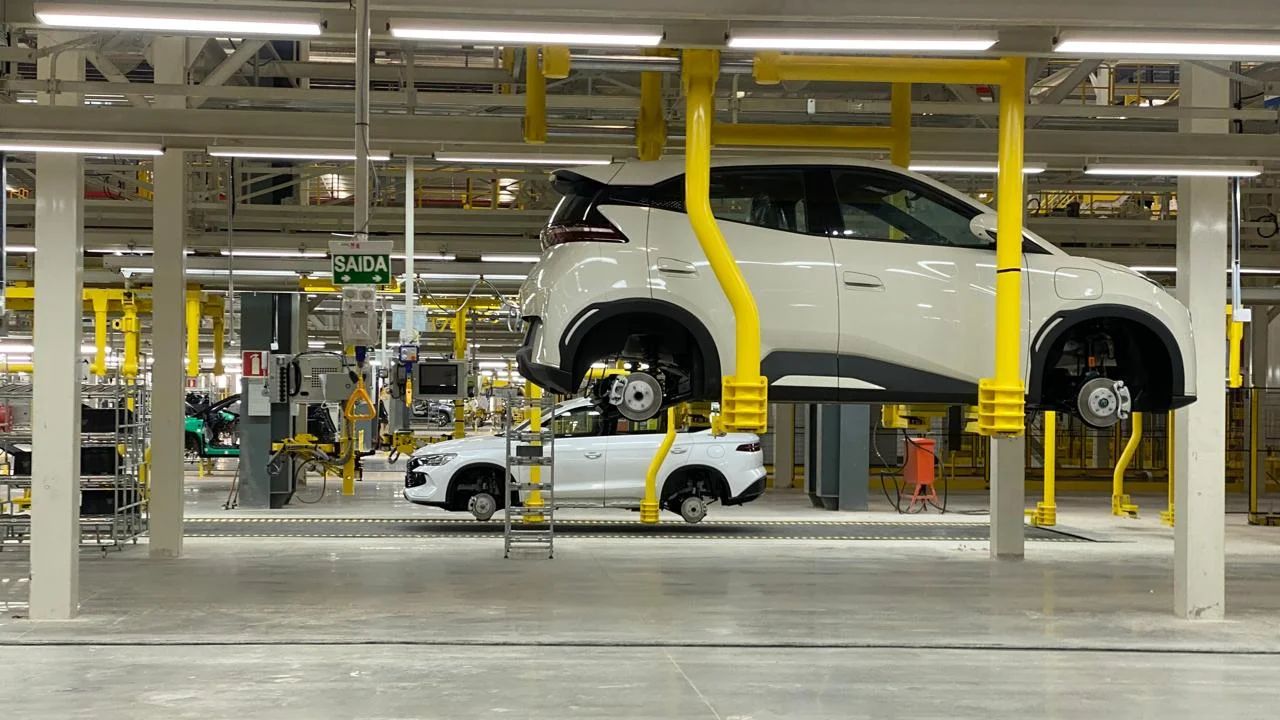
Trade War Pushes Brazil Toward the Chinese Side: Only in 2024, GWM’s Electric Sales Grew 360% in the Country
The decision by former U.S. President Donald Trump to impose a 50% tariff on Brazilian products has reignited debates about the future of the national automotive sector. Although Brazil does not primarily focus on exporting assembled vehicles to the U.S., the measure strikes directly at one of the pillars of our production chain: automotive components. Engines, electronic modules, and other parts manufactured here are used by American automakers and are part of global production chains.
With this trade barrier, the perception grows that Brazil will be pressured to redirect its economic ties, especially in the automotive industry. And that’s where China comes in. With a clear plan for international expansion, the Chinese already occupy a significant space on Brazilian streets and in dealerships. Now, with the distancing from the U.S., this movement may gain even more strength.
Can Chinese Cars Dominate the Brazilian Market?
Experts see the “tariff” as a gap that directly favors Chinese automakers. According to Andrea Weiss, a lawyer specializing in customs law, the commercial tightening imposed by Washington may accelerate the advance of the Chinese automotive sector in Brazil.
-
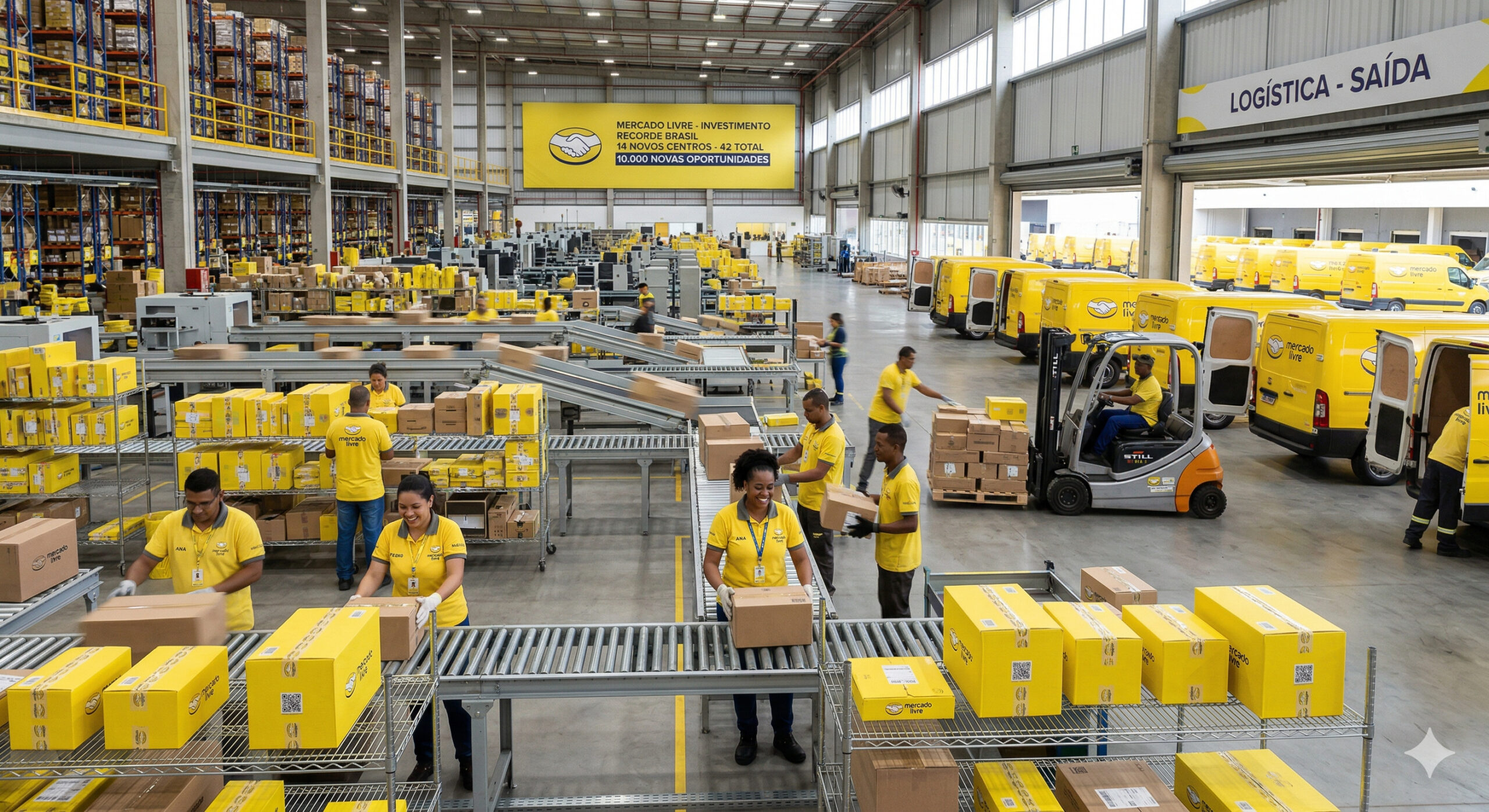
Mercado Livre “opens the vault” and announces a record investment of R$ 57 billion in Brazil in 2026, a value 50% higher than the previous year, with an expansion plan that includes 14 new logistics centers, totaling 42 units in the country and hiring an additional 10,000 employees.
-
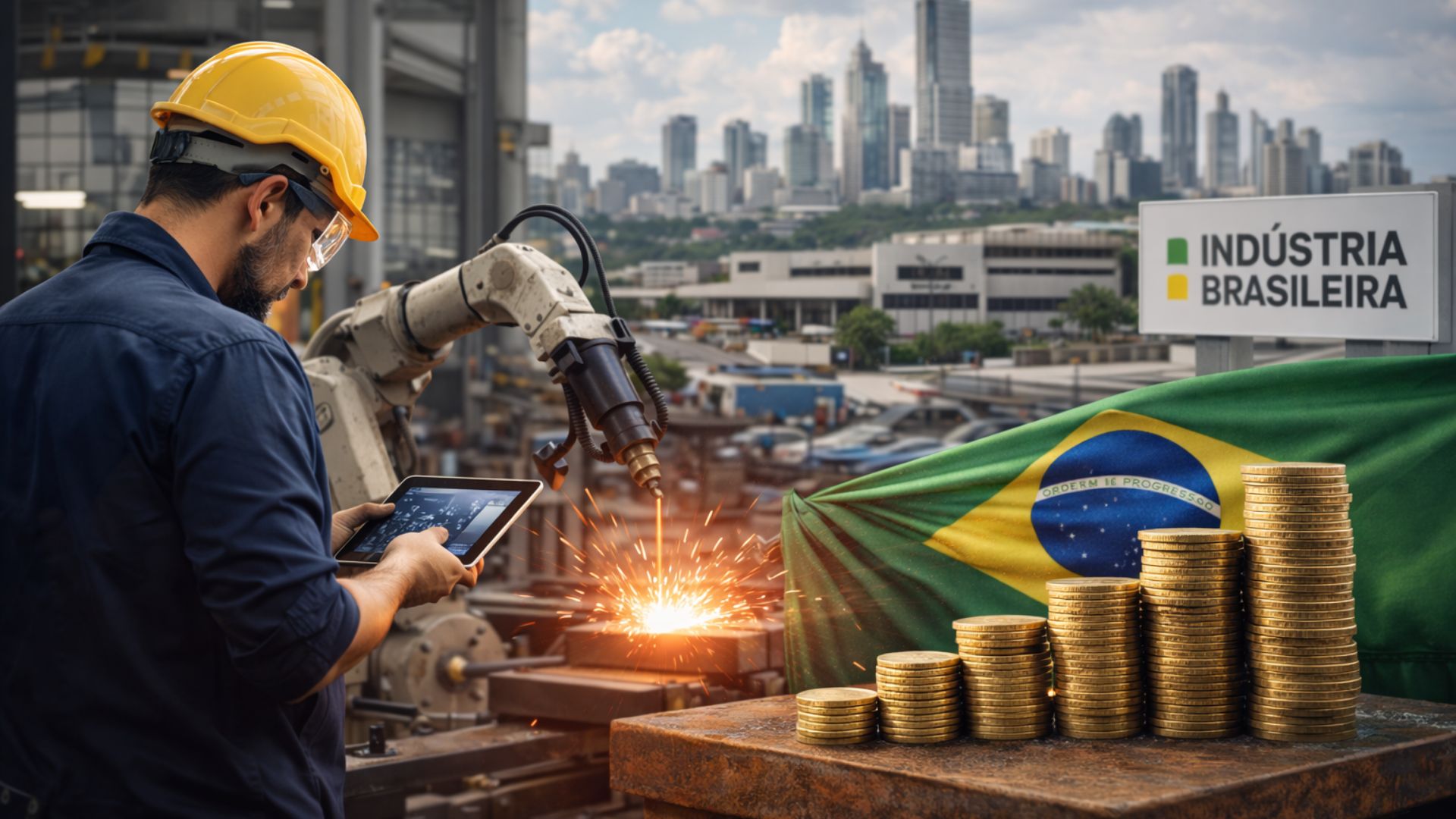
How investment in technology can revolutionize the national economy and enhance industrial gains, according to a study that highlights the direct impact on productivity, innovation, and wealth retention within Brazil.
-
The largest food company on the planet, JBS, has just opened a 4,000 square meter laboratory in Florianópolis to develop customized proteins that modulate muscle mass gain, immune response, and metabolic performance.

-
After nearly 30 bids and competition among industry giants, a Spanish company purchases one of the largest airports in Brazil for almost R$ 3 billion and takes over the management of Galeão in a concession that will last until 2039.


“Brazil has a significant consumer market and is becoming increasingly receptive to vehicle electrification. Even with the gradual resumption of the import tax on electric cars, we continue to be a strategic territory for the Chinese, especially because there are no geopolitical barriers here like there are in the United States,” says Weiss.
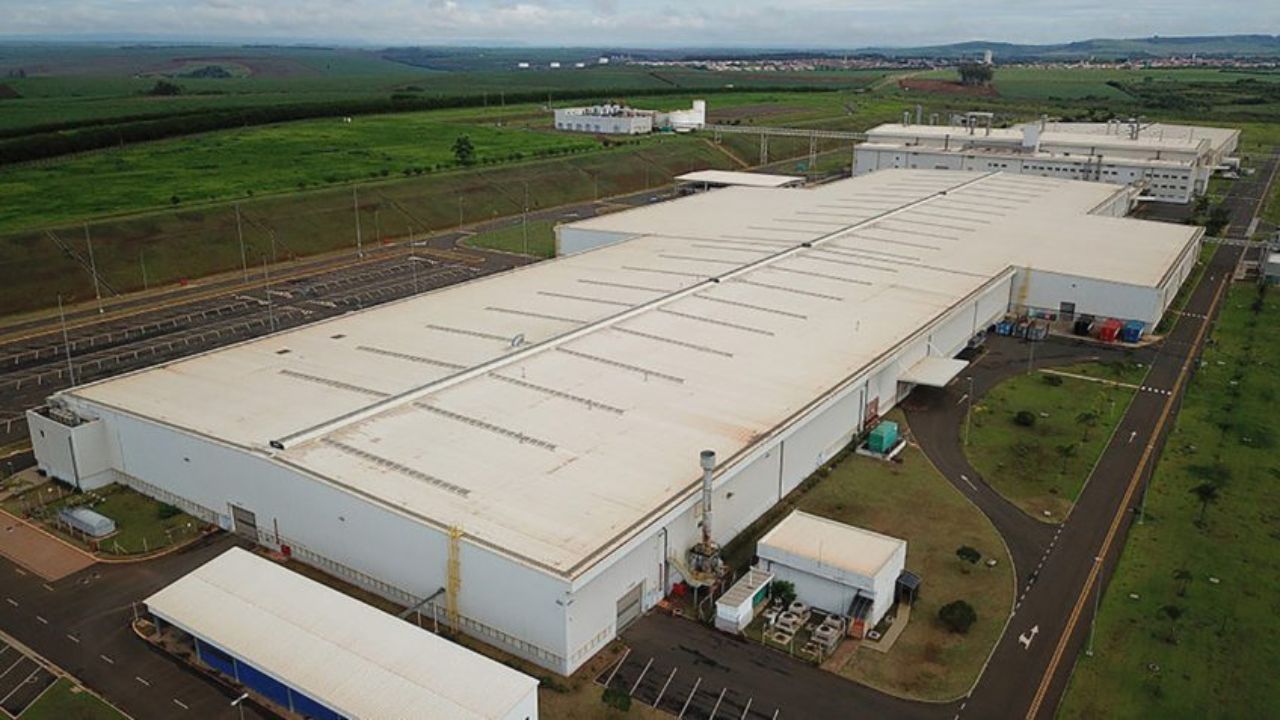
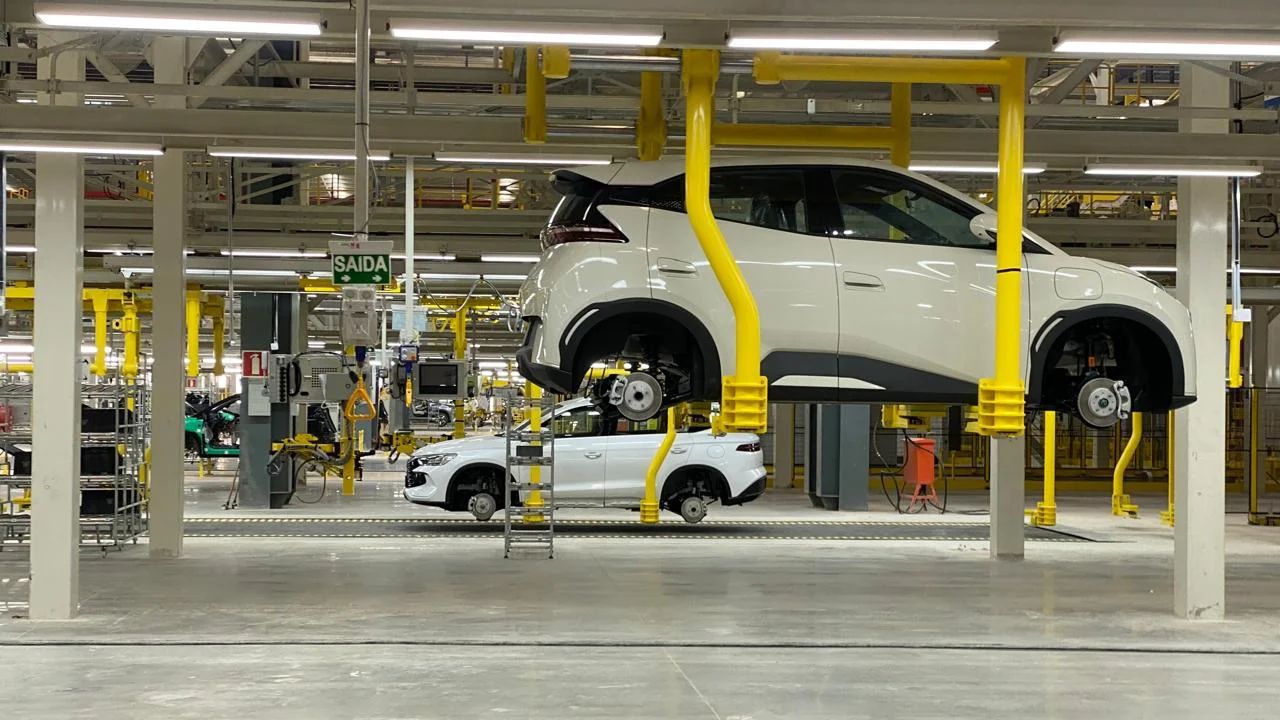
Chinese automakers have already been heavily investing in Brazilian territory. Companies like BYD, GWM, and Chery are not only selling vehicles, but also setting up factories, distribution centers, and even research and development units. The movement shows that the plan goes beyond occupying the local market: the idea is to transform Brazil into an export platform for other countries in Latin America and, eventually, Africa and Europe.
Short-Term Advantage or Dangerous Dependency?
Despite the optimism surrounding Chinese investments, some view the intensification of this relationship with caution. Hisayoshi Kameda, an international trade specialist, assesses that this approach between Brazil and China could create long-term vulnerabilities.
“Chinese automakers are positioning themselves intelligently. However, by concentrating their bets on a single strategic partner, Brazil runs the risk of becoming dependent on political and commercial decisions that it does not control. Any future tension between Brasília and Beijing could affect the supply of parts, job stability, and even the trade balance,” warns Kameda.
The warning is not unfounded. In other sectors, such as agribusiness and mining, Brazil has already felt the effects of overly depending on single markets. Now, with the automotive sector entering this equation, the debate about industrial sovereignty is back in focus.
Brazil at the Center of Geoeconomic Dispute
Trump’s move is, in practice, a reconfiguration of global trade alliances. The protectionist rhetoric and increased tariffs aim to boost U.S. domestic production and reduce dependence on foreign inputs. However, in the international chess game, every action generates a reaction. And Brazil, with its strategic position, has become a target of contention.
China, in turn, benefits from this void. With state incentives, access to cutting-edge technology, and a long-term strategy, Chinese automakers are ready to fill any gaps left by Western brands. For the Brazilian consumer, this could mean more options, lower prices, and quicker access to technologies like electrification and semi-autonomous driving.
On the other hand, the national industry—already pressured by high costs, unstable currency, and bureaucracy—may face even greater difficulties competing on equal terms with companies heavily subsidized by Beijing.
And What About the Future of the Brazilian Automotive Sector?
With the North American tariffs coming into effect on August 1st, the Brazilian market is expected to undergo a new round of realignments. In the short term, it is likely that consumers will see an explosion of new Chinese models in showrooms. Brands like BYD and GWM are expected to consolidate their position with affordable, connected electric cars rich in technology—something still rare among models manufactured in Brazil.
But in the medium and long term, the country will need to decide what role it wants to play in the new global board: whether it will continue to be merely a consumer market or if it will strive for industrial and technological autonomy to become a significant strategic player.
The only certainty, for now, is that Trump’s “tariff” affects not only figures—it changes the course of alliances, business models, and the geopolitics of the automotive sector. And Brazil is once again at the eye of the hurricane.









Seja o primeiro a reagir!