





 Portuguese
  English
  Spanish
  4 min of reading
  24 comments


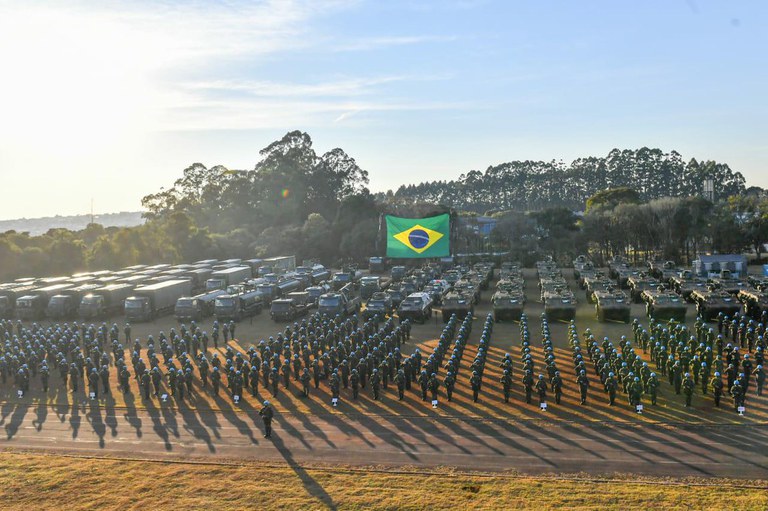


Understand the Military Power of the Navy, Air Force, and Army of Brazil Compared to Venezuela
In recent days, the diplomatic relationship between Brazil and Venezuela has faced new turbulence. The most recent case occurred when Venezuelan forces invaded Brazilian territory, prompting the government to demand formal explanations from President Nicolás Maduro. Another episode that raised tensions was a post made by the Bolivarian National Police in October. The controversial image showed the silhouette of President Luiz Inácio Lula da Silva over the Brazilian flag, accompanied by the phrase: “Caracas does not accept blackmail from anyone” and the hashtag “Those who mess with Venezuela get hurt”.
The post was interpreted as an act of intimidation, possibly in response to Brazil’s decision to veto Venezuela’s entry into the BRICS bloc. For Caracas, this refusal was considered an “aggression.” In reaction, Itamaraty expressed surprise at the adopted tone, reiterating the importance of mutual respect and non-interference in internal matters. After the post was removed by Venezuelan authorities, the fragility of bilateral relations became evident, highlighting the need for diplomatic dialogue to avoid worsening the situation.
Military Comparison: Brazil and Venezuela in the South American Context
Brazil and Venezuela have armed forces of relevance in South America, but they exhibit marked differences in their personnel, resources, and investments. While both play strategic roles in their respective regions, the Brazilian military capacity stands out in several aspects. Below, we analyze the armed forces of each country based on data from sources such as Global Firepower and the CIA World Factbook.
-
A strong earthquake in Indonesia affects houses and schools, causes panic, triggers a tsunami alert, and records a rise in sea level of up to 30 centimeters in some areas.
-
The Argentine government celebrates the lowest poverty rate in 7 years, but experts warn that the methodology has changed, real wages have fallen, unemployment has risen, and the number of people on the streets of Buenos Aires has increased by 57% since Milei took office.

-
7.8 magnitude earthquake in Indonesia frightens the population, triggers tsunami alert, and hits an island with over 200,000 inhabitants this Thursday.
-
Google will finally let you change that embarrassing Gmail address you created in your teenage years without losing any accounts, logins, or old emails: the feature is already available in the United States.


Military Personnel: Brazil in Absolute Advantage
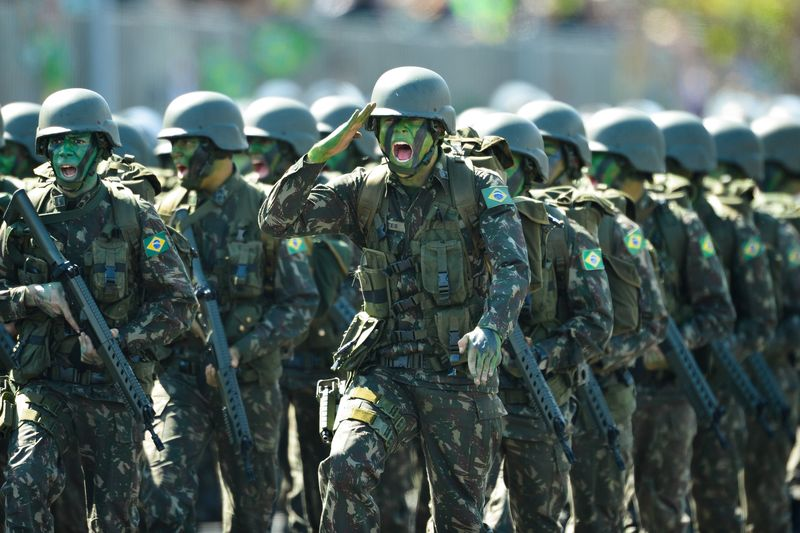
According to Global Firepower, Brazil has a total personnel of approximately 366,614 military members, encompassing the Army, Navy, and Air Force. In contrast, Venezuela has about 115,000 active military personnel. This difference is also reflected in ground power: the Brazilian Army practically doubles the Venezuelan in numbers, while Brazil’s air and naval forces outnumber those of Venezuela by up to four times.
In addition, Venezuela maintains reserve forces and militias totaling 515,000 members, including the National Guard and other paramilitary units. However, these groups focus on territorial defense strategies and do not possess the level of technical preparedness or specialization comparable to Brazilian troops.
Air Power: Brazilian Superiority
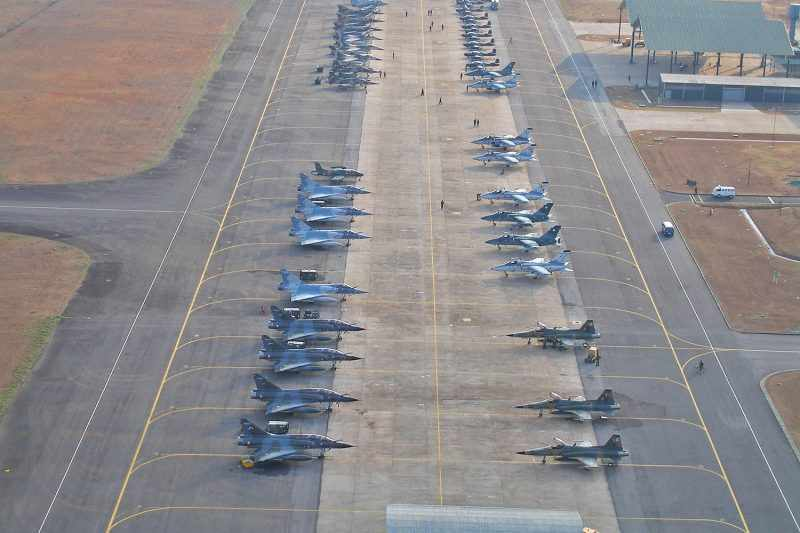
The Brazilian Air Force has a fleet significantly superior to that of Venezuela, both in number and technology. Brazil operates around 120 fighter and attack aircraft, including the modern F-39 Gripen, regarded as a milestone in South American military aviation. With a total of 371 attack aircraft and 913 helicopters (of which 281 are attack helicopters), Brazil demonstrates a strong capacity for large-scale rescue and combat operations.
On the other hand, Venezuela has an air fleet comprising 280 aircraft. Although it operates Russian Su-30 fighters, which are advanced in terms of armament, the country faces maintenance difficulties due to the economic crisis, compromising the operational capability of much of its fleet.
Ground Forces: Brazil with Greater Mobilization Power
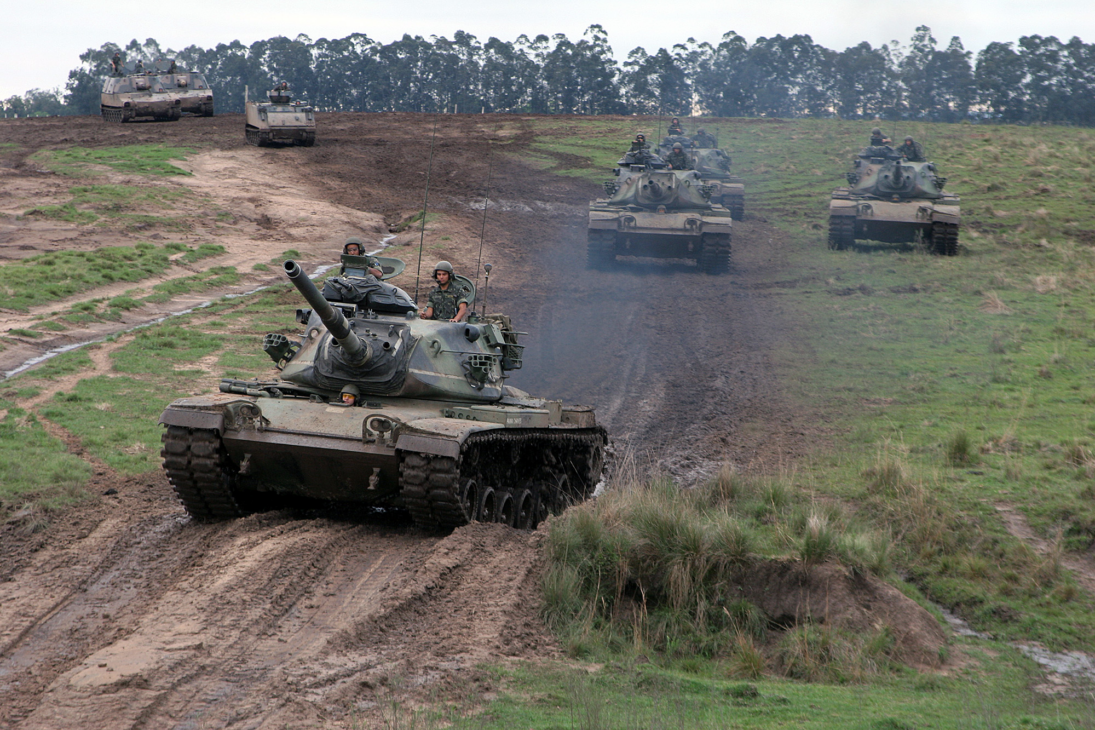
On the ground, Brazil leads with a significant advantage in armored vehicles. There are about 44,000 units, compared to just 700 in Venezuela. This superiority is fundamental for large-scale operations and demonstrates Brazil’s capability to project ground forces efficiently.
While both countries have similar capabilities in rocket launchers – 52 for Brazil and a comparable number in Venezuela – Brazil benefits from more advanced technology in missile systems, reinforcing its strategic defense capabilities.
Navy: Brazil Expands Its Technological Advantage
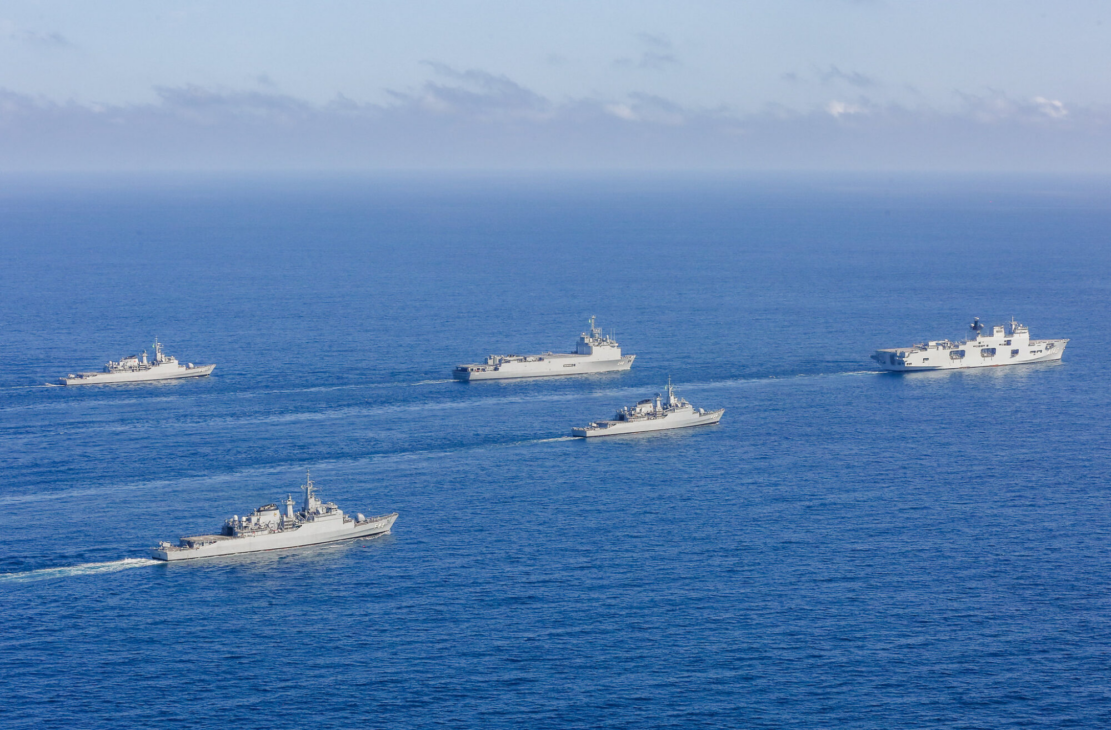
The Brazilian Navy also excels compared to Venezuela. With five operational submarines, including projects developed under the Submarine Development Program (Prosub), Brazil is advancing in the construction of a nuclear submarine. Furthermore, the Brazilian fleet is continuously modernized, contrasting with Venezuela’s 50 vessels and two submarines.
The Prosub, which includes the infrastructure in Itaguaí (RJ), strengthens Brazil’s technological sovereignty in the naval sector, allowing for greater efficiency in defending its territorial waters.
Defense Investment: Brazil Leads in South America
In terms of military budget, Brazil is the country that invests the most in defense in the region. This investment is reflected in the modernization of equipment and troop readiness. On the other hand, Venezuela, which allocated 5.2% of its GDP to defense in 2019, faces severe budgetary restrictions due to the economic crisis, hindering the maintenance and modernization of its armed forces.
Technology and Drones: The Brazilian Advantage
Another significant differential is the use of cutting-edge technology. Brazil has over 24,295 drones, many of which are intended for military operations and border monitoring, according to ANAC. Venezuela, on the other hand, lacks comparable infrastructure, limiting its surveillance and intelligence capabilities.
Geopolitical Alliances: A Contrasting Scenario
On the international stage, Brazil maintains regional partnerships with countries like Argentina and Colombia, while Venezuela has strategic alliances with Russia, Iran, and China. These differences reflect distinct approaches to defense and military cooperation.
Brazil in Clear Military Advantage
The analysis shows that Brazil has better-equipped and more diversified armed forces compared to Venezuela. With constant investments, advanced technologies, and a significant military personnel count, Brazil consolidates its position as a military power in South America.
Meanwhile, Venezuela faces significant challenges in modernizing its forces, limited by financial constraints and dependency on external partnerships. In a potential regional conflict, Brazilian military superiority would be a decisive factor.







Não sabia que o ex era cachaceiro
Meus irmãos, a Venezuela não é preocupante, o que é preocupante é qual País será aliado dela! Essa infantilidade desse desequilibrado mental, poderá ocasionar uma grande guerra! Lamentável!!
Só que os militares do Brasil são um bando de Boomers que só pensa em dar golpe a mando de um chorão por ter perdido as eleições. Se tivesse mesmo uma forças armadas com culhões, invadia os racistas dos argentinos, chilenos, peruanos e bolivianos, e a Venezuela por ter um ditadorzinho de merd@.
Um monte de melancia batendo continência pra um PRESIDIÁRIO CACHACEIRO ****