





 Portuguese
  English
  Spanish
  3 min of reading
  0 comments


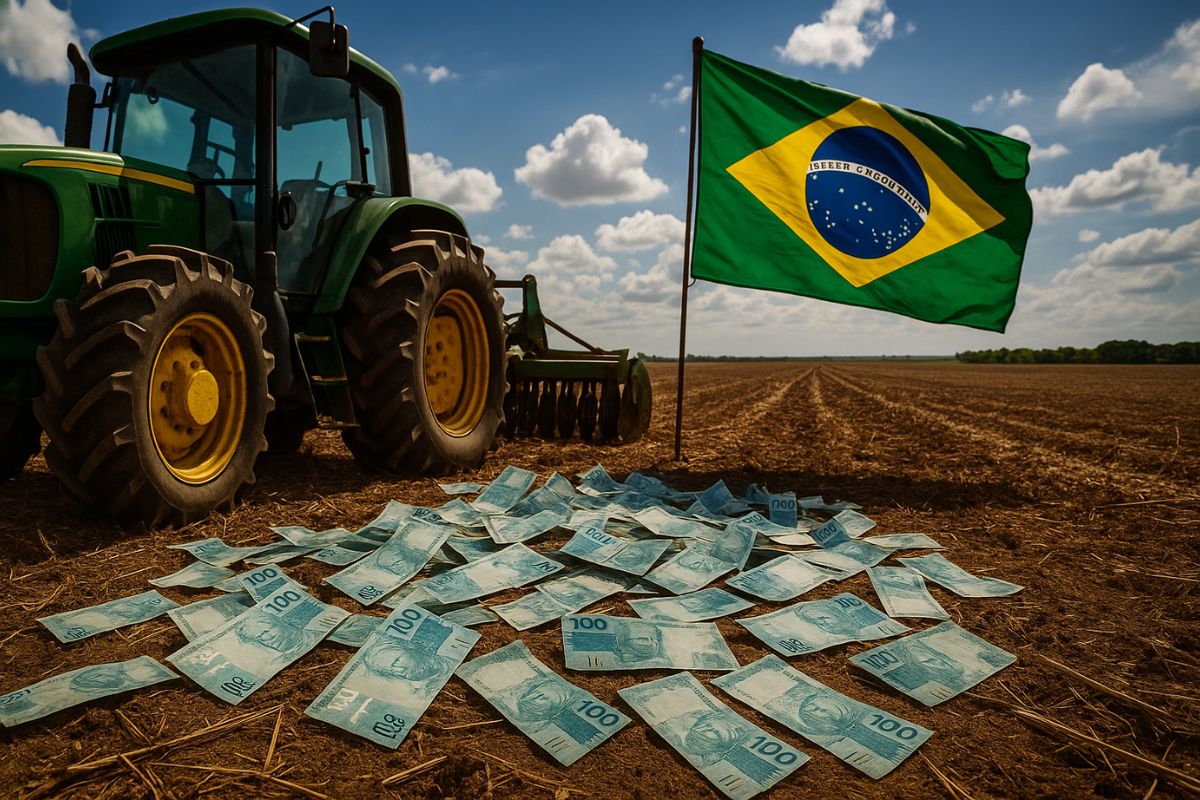
BrazilAgro Surprises The Agriculture Sector By Betting On Brutal Fall In Land Prices And Delaying Acquisitions Even Amid Abundant Offers.
BrazilAgro surprises the agriculture sector by adopting a “cold blooded” stance in the face of a wave of rural properties in crisis in the country. In an unprecedented move, the company completed the 2024/25 crop year without purchasing a single farm, even after being approached with nearly 400 financially distressed assets.
According to information from the portal CompreRural, the decision is strategic: the company believes that land prices are still inflated and will only decline sharply when the peak of the crisis hits the most indebted producers.
In the meantime, the company is focusing on robust divestments, which totaled R$ 2.8 billion just in the last crop.
-
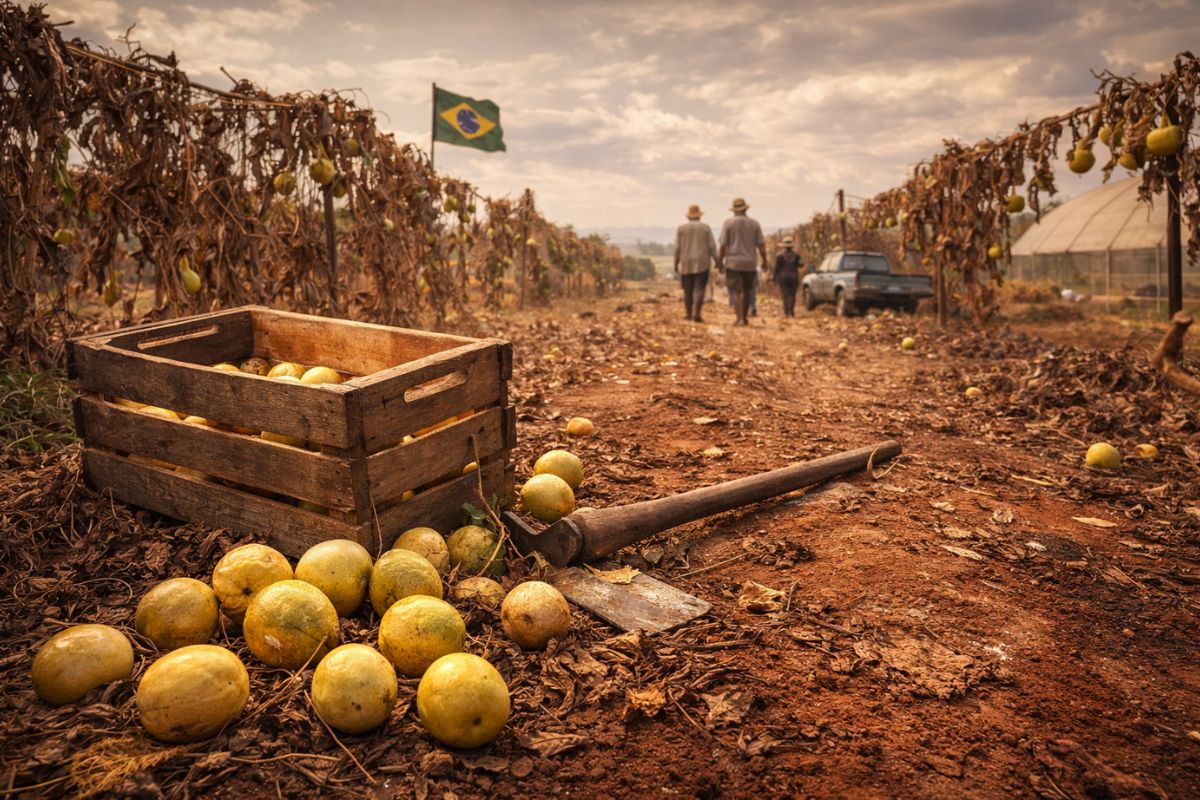
From 130 producers in the year 2000 to just 15 today: the dramatic decline of passion fruit in Araguari shows how the lack of labor in the Brazilian countryside is killing a decades-old agricultural tradition, even with Brazil being the largest producer in the world.
-
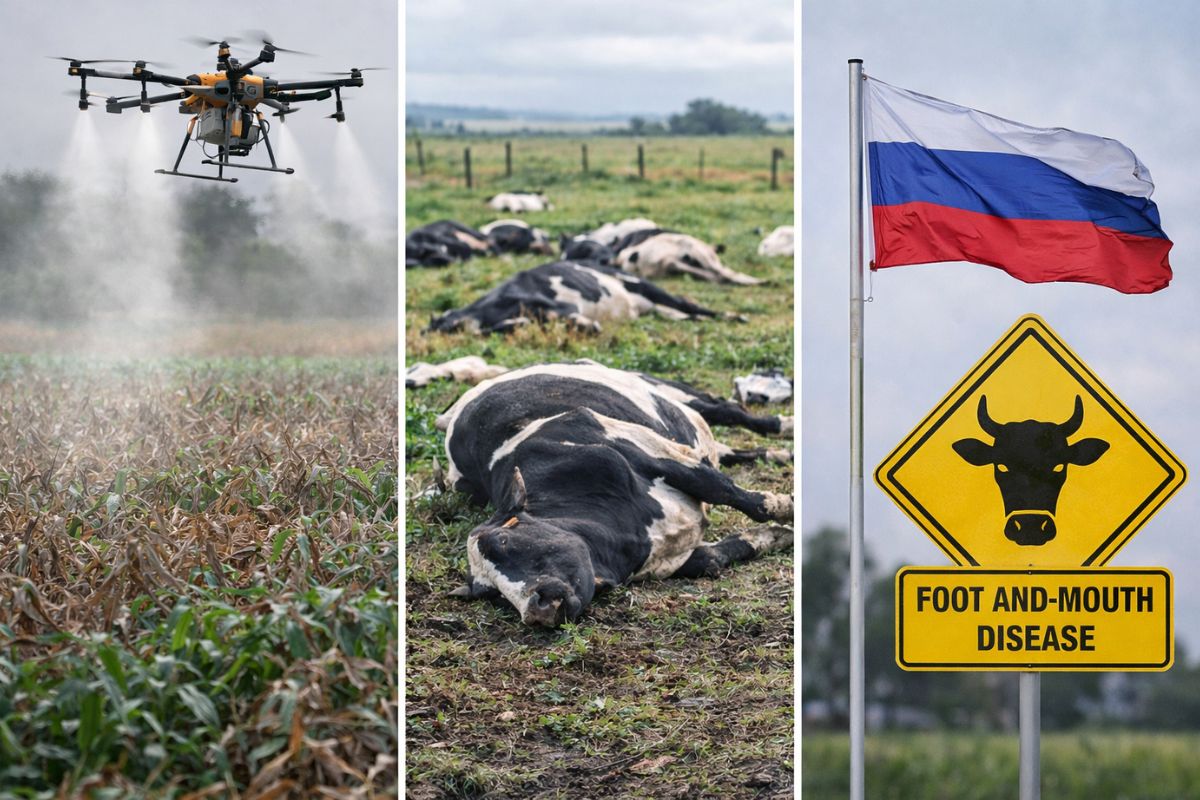
Agricultural drone sprayed poison into the air and destroyed the neighbor’s crops, causing 1 million in damages; 48 cows died from nitrite poisoning in the pasture, and Russia is hiding a possible outbreak of foot-and-mouth disease: the week was brutal for the rural sector.
-
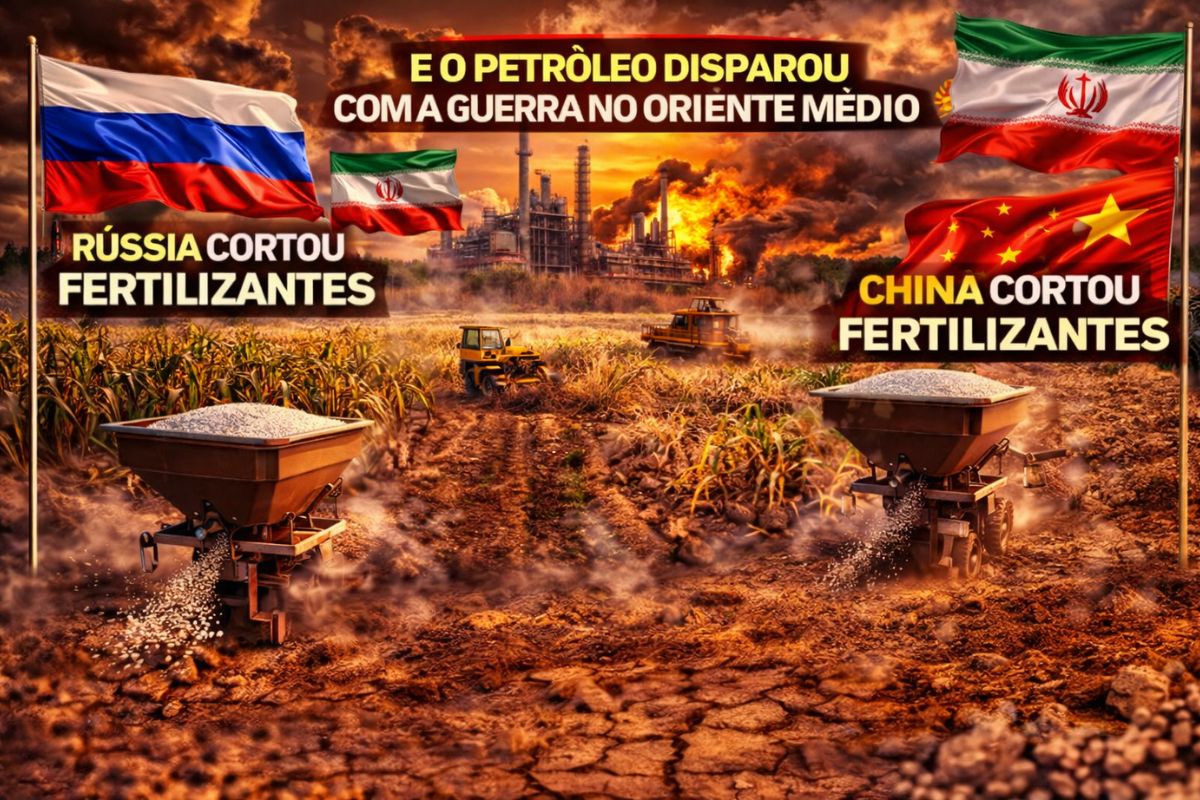
Russia cut fertilizers, China cut fertilizers, and oil prices soared with the war in the Middle East: sugarcane producers in the interior of São Paulo are seeing costs explode from all sides and warn that the effects will take months to be absorbed.
-
It does not come from flowers, is produced only every two years, and more than 90% goes straight to Europe: meet the bracatinga honeydew honey from Santa Catarina, considered one of the rarest in the world and overlooked by Brazil itself.

The Crisis Scenario In The Field
The slowdown in the agriculture sector, combined with rising Selic rates and the weight of debts, has caused the number of distressed properties to soar. Even though requests for judicial recovery have increased “only” 40% in 2025 after a leap of 138% in 2024, the sector remains under pressure.
In this environment, banks have started to offer entire portfolios of struggling farms, but without success with BrazilAgro.
The company’s choice is clear: not to yield to market pressure. For executives, accepting proposals now would mean paying dearly for assets that could be acquired at liquidation prices when the crisis intensifies.
Financial Discipline Strategy
According to CompreRural, CEO André Guillaumon is adamant in stating that current prices do not offer satisfactory return rates.
The logic of BrazilAgro is to wait for a complete correction of the land market, rather than taking unnecessary risks in a time of high volatility.
This discipline transforms the company into a kind of “boutique of M&A in agriculture”, which operates only when conditions are extremely favorable.
By rejecting more than 300 properties, the company demonstrates cash strength and strategic patience.
The Weight Of Interest Rates And Debts
The high-interest rate policy, necessary to contain inflation, has hit hard producers who bet on soy when it was nearing R$ 200 per sack.
Many have been unable to honor their commitments, and now see their assets being pressured by banks. For BrazilAgro, this is the trigger that is needed for land prices to plummet and create the buying opportunities the company anticipates.
In the meantime, the company strengthens its position with liquidity, selling properties at favorable times and patiently waiting for the cycle to turn in its favor.
Market Impact And Message To The Sector
The stance of BrazilAgro is interpreted as a sign that the worst may still be ahead in the agricultural land market.
The message is direct: when everyone is forced to sell, it will be the time to act. This coldness worries competitors and partners but also highlights the company’s experience in operating through long cycles of asset appreciation and correction.
For the Brazilian agriculture sector, this means a period of uncertainty, where producers will have to deal not only with high costs but also with a lack of buyers willing to pay current prices.
BrazilAgro surprises the agriculture sector by rejecting nearly 400 farms even in a growing crisis scenario. Its strategy makes it clear that the land market may undergo a harder fall than many expected.
And for you: Is BrazilAgro’s stance strategic prudence or excessive coldness at a delicate moment for indebted producers? How might this choice impact the future of land negotiations in Brazil? Share your opinion in the comments.









-

Uma pessoa reagiu a isso.