





 Portuguese
  English
  Spanish
  3 min of reading
  0 comments



In Brazil, millions invest in car insurance but ignore life insurance, leaving families vulnerable to debts and unexpected tragedies that could have been avoided with financial planning.
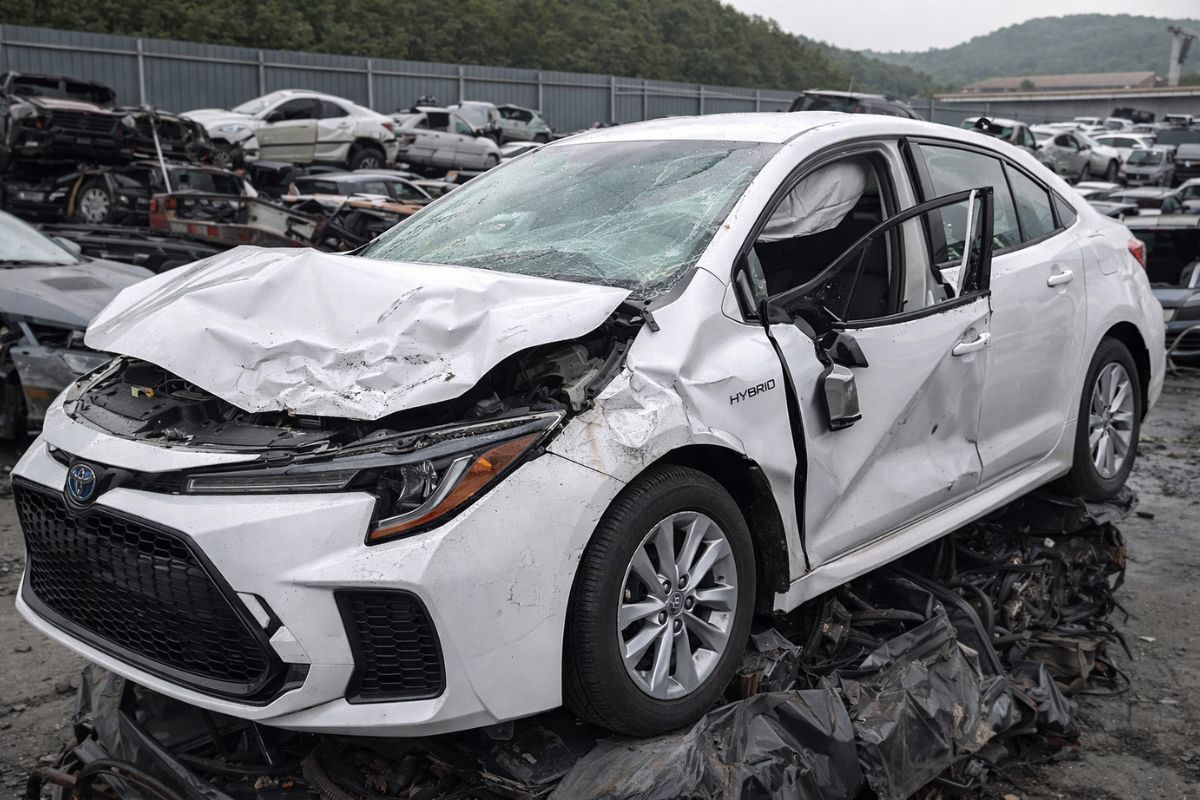
The insurance market in Brazil exposes a concerning contradiction: millions of people spend significant amounts to protect their vehicles, but ignore life insurance, leaving families vulnerable in the face of accidents, severe illnesses, or unexpected deaths. This cultural and financial gap creates a silent vulnerability that only reveals itself in times of crisis.
According to AUVP Capital, life insurance acts as an immediate safety net, ensuring compensation to beneficiaries in case of unforeseen events.
Despite this, uptake in the country is low, even in the face of affordable costs and the possibility of purchasing coverage while alive, such as in the case of severe disease diagnoses.
-
BRICS is building its own payment system that could be operational by 2030, and experts say it could increase trade between the countries by up to 10% per year and add 3% to the GDP of each member of the bloc.

-
Government suspends over 3 million traffic fines in Brazil and drivers breathe a sigh of relief.

-
Iran has just approved toll charges for ships in the Strait of Hormuz and has completely prohibited the passage of vessels from the United States and Israel in the world’s most important maritime route for the global energy market.

-
Government cancels R$ 25 million “celebration” for Brasília’s anniversary and allocates funds to health.


Why Is Life Insurance So Neglected?
One of the factors is the perception that life insurance is only associated with death. In practice, many policies offer benefits while alive, such as payment of medical expenses, maintenance of income in case of temporary disability, and even coverage for high-cost treatments.
Still, a large part of the population chooses to prioritize material goods, such as cars, over their own financial and family security.
Another point is cultural: there is an expectation that the State will provide support in extreme situations. However, social benefits and emergency aids are far from guaranteeing stability for families in the event of losing their main source of income.
The compensation from life insurance is paid directly and without bureaucracy, unlike inheritance processes that can drag on for years.
Immediate Benefits of Life Insurance


Among the main advantages, experts highlight the speed of compensation payments, which can cover urgent expenses such as rent, school, food, and debts.
For families with young children, this protection ensures continuity in their standard of living amidst the emotional and financial instability caused by unexpected tragedies.
Furthermore, purchasing early reduces costs. Young and healthy individuals find more affordable premiums, while delaying the decision may mean higher prices or even coverage restrictions.
This shows that life insurance should be viewed as part of a strategic financial plan, complementing investments and reserves.
The Contrast with Car Insurance
According to industry data, the insurance market in Brazil generates billions annually, but the majority of this volume is concentrated in car insurance.
The contrast is evident: protecting a material asset is a priority, while protecting life and income is still seen as secondary. This choice leaves thousands of families exposed to immediate indebtedness in cases of illness or death.
Experts emphasize that life insurance is not a frivolous expense but an investment in financial security.
For singles, it can mean paying off debts without burdening family members. For couples and parents, it assures that dependents will not be left unsupported in the face of a tragedy.
An Issue of Planning and Awareness
Historically, life insurance has been present in Brazil since the 19th century, but it has not yet solidified as a priority in the national financial culture.
In a country with concentrated income and low savings, this lack of planning can have devastating consequences.
The message from experts is clear: protecting the car is important, but protecting life is essential. The lack of life insurance exposes a contradiction that needs to be overcome for Brazilian families to be prepared to face the unforeseen with dignity.
Do you believe that Brazilians should prioritize life insurance as much as car insurance? In your opinion, what is lacking for this financial awareness to become a reality?
Leave your comment and join the debate.








-

-

5 pessoas reagiram a isso.