





 Portuguese
  English
  Spanish
  3 min of reading
  12 comments


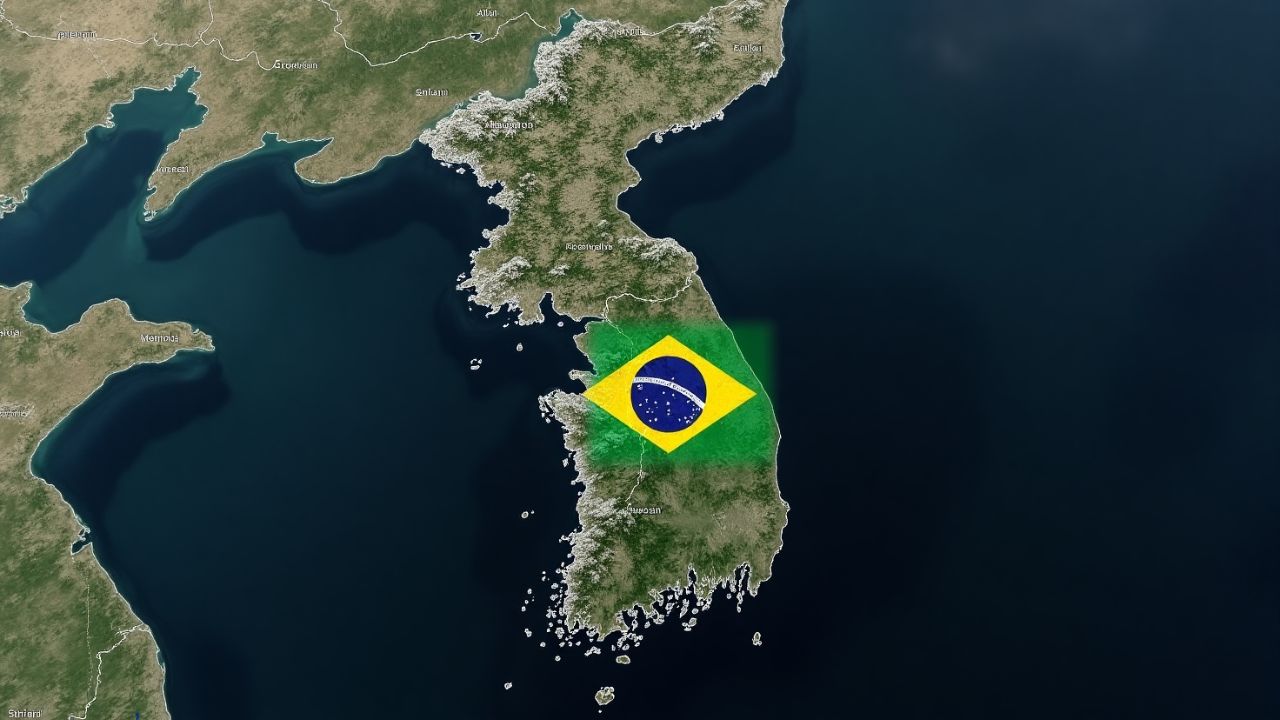


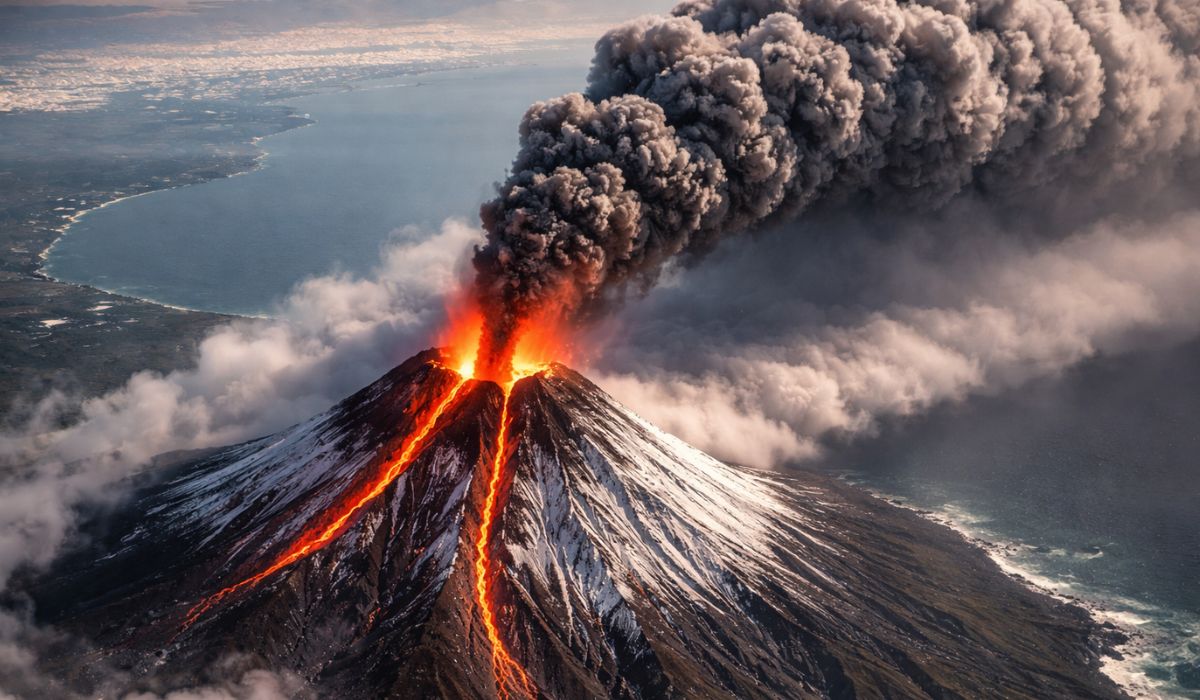
In Recent Days, The World Paid Attention to the Announcement of a Possible Historical Discovery Made by a Brazilian Geologist. He Identified a Massive Oil and Gas Reserve off the Coast of South Korea That Could Become the Largest Oil Reserve in The World. South Korean President Yoon Suk Yeol Made the Official Announcement, Highlighting the Economic and Strategic Impact of Possible Exploration.
If Confirmed, This Discovery of The Largest Oil Reserve in The World Could Redefine the South Korean Economy, Reduce Its Dependence on Fossil Fuel Imports, and Attract Large International Investments. However, The Challenges Are Enormous, and There Are Still Uncertainties About the Viability of Extracting This Oil.
The Discovery That Could Change The Global Energy Scenario
The One Responsible for This Possible Energy Revolution Is The Brazilian Geologist Vitor Abreu. His Research and Analysis Indicate That The Region Has Enormous Extraction Potential for Oil and Gas. The Revelation Generated Great International Interest, As South Korea Is Almost Totally Dependent on Fossil Fuel Imports.
The President of South Korea, Yoon Suk Yeol, Officially Announced The Discovery, Highlighting Its Importance to The Country’s Economy. The New Reserve Could Strengthen South Korea’s Energy Security and Reduce Fuel Import Costs. The Government Has Already Started to Assess the Best Strategies for Exploration, Considering The High Costs and Risks Involved.
-
Offshore industrial demand in Macaé skyrockets with the recovery of oil and gas and could grow by up to 396% by 2026 in the Campos Basin.
-
Offshore industrial demand in Macaé surges with the recovery of oil and gas and could grow by up to 396% by 2026 in the Campos Basin.
-
Brazilian giant expands borders in the Southeast: Petrobras confirms new oil discovery in ultra-deep waters in the pre-salt of the Campos Basin.

-
Alert in the global energy market: Severe tropical cyclone hits the coast and disrupts gas production at major plants in Australia, threatening global supply.


The Potential of The World’s Largest Oil Reserve
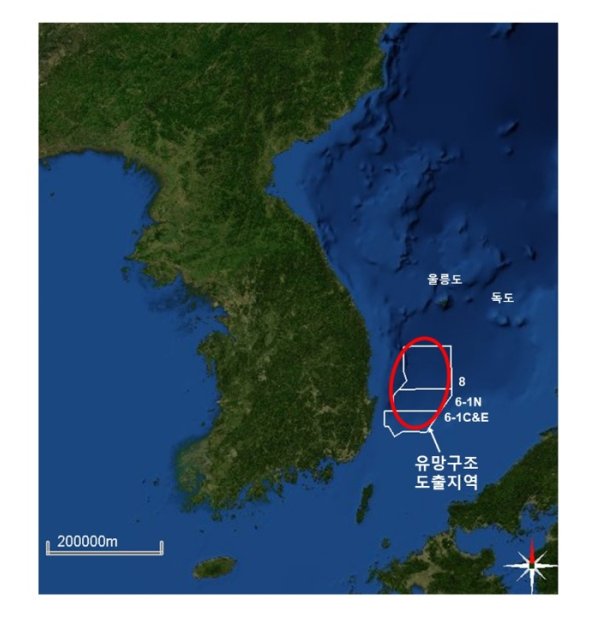
The First Assessments Indicate That The Reserve Could Contain Up to 14 Billion Barrels of Oil, Enough to Supply South Korea for Four Years. Additionally, The Natural Gas Reserve Could Meet The Country’s Demand for 29 Years, Provided The Exploration Proceeds Successfully.
If Extraction Is Viable, South Korea Could Become a Strategic Hub for Oil and Gas Production in Asia. This Would Reduce Dependence on Imports from Saudi Arabia and Russia, As Well As Potentially Lower Internal Energy Costs. The South Korean Industry and Consumers Could Significantly Benefit from This Change in The Energy Market.
The Challenges of Exploring The New Reserve
Despite The Excitement, The Brazilian Geologist Himself Warned That There Is an 80% Chance That Fuel Extraction Will Not Be Possible. This Is Because, Even with Large Oil Reserves, The Viability of Extraction Depends on Technical and Geological Factors.
Oil Exploration Requires Billion-Dollar Investments, and Any Failure Could Result in Significant Losses. The Company Woodside Energy, For Example, Tried to Explore Oil in The Same Region for 15 Years but Ultimately Gave Up Due to Lack of Economic Viability. This History Raises Doubts About The Success of The New Project.
Economic and Environmental Impact of The Discovery
If The Reserve Is Successfully Explored, South Korea Could Achieve Unprecedented Energy Independence in Its History. This Would Provide Greater Economic Stability to The Country and Strengthen Its Position in The International Energy Market.
On The Other Hand, The Discovery Raises Environmental Concerns. At a Time When The World Is Moving Toward Renewable Energy Sources, Heavily Investing in Fossil Fuel Extraction May Generate Criticism and Pressure from Environmentalists. South Korea Will Need to Balance Its Economic Needs with The Globally Established Carbon Neutrality Goals.





Um artigo tão bom, mas com fim melancólico. Devia nem ser escrito.
Estão dizendo que daria pra suprir por 29 anos e não somente 4 anos..não vi que disseram só 4 anos ..
Se uma empresa já esteve por lá durante 15 anos que descoberta foi essa do tal geólogo ??