





 Portuguese
  English
  Spanish
  5 min of reading
  0 comments



At 11 Years Old, Davi Pereira from Gaspar (SC) Was Accepted into Mensa After Achieving a IQ of 131 on Internationally Recognized Tests. The Student Showed Signs of High Abilities Since Childhood and Is Now Part of the Young Bright Program.
Davi Pereira, 11 years old, a resident of Gaspar, in the Itajaí Valley (SC), was admitted to Mensa after a neuropsychological evaluation that recorded IQ 131.
The confirmation from the entity, responsible for bringing together people with high intelligence quotients, occurred on April 21, 2025, and classifies the student in the group with performance at or above the 98th percentile on standardized tests accepted by the organization, according to reports published by regional media.
Evaluation and Admission to Mensa
According to local reports, the family submitted to Mensa Brazil, on March 21, 2025, the report obtained after a series of tests conducted earlier in the year.
-
Independence from an early age, plenty of time outdoors, and zero pressure for performance: the Dutch method of parenting has produced the happiest children on the planet and challenges everything other countries believe is necessary for good education.

-
A view from space in a NASA image shows a gigantic volcanic crater 1 km wide in the middle of the Sahara, revealing a frightening formation that resembles a giant skull looking out into the universe and turning the desert into an otherworldly landscape.

-
The Chinese translator said that the time has come for China to understand Brazil beyond trade, and now The Brazilian People by Darcy Ribeiro is receiving its first edition in Mandarin with a ceremony in Beijing and the delivery of the volume to six of the largest academic institutions in the country.

-
Backpack theft in pub ends with Fabergé egg, watch, cigars, rare jewelry, and other luxury accessories worth R$ 15 million missing.

The process included six sessions between January and February, involving the application of the WISC-IV and instruments for focused attention.
Based on these results, a document was issued in March confirming the IQ 131.
The acceptance response arrived a month later, on April 21, indicating that the student met the admission requirements.
On April 28, the family received the registration number and the association with Young Brights, an initiative aimed at children and adolescents who are members of Mensa, as reported to the regional press.
Signs of High Abilities Since Early Childhood
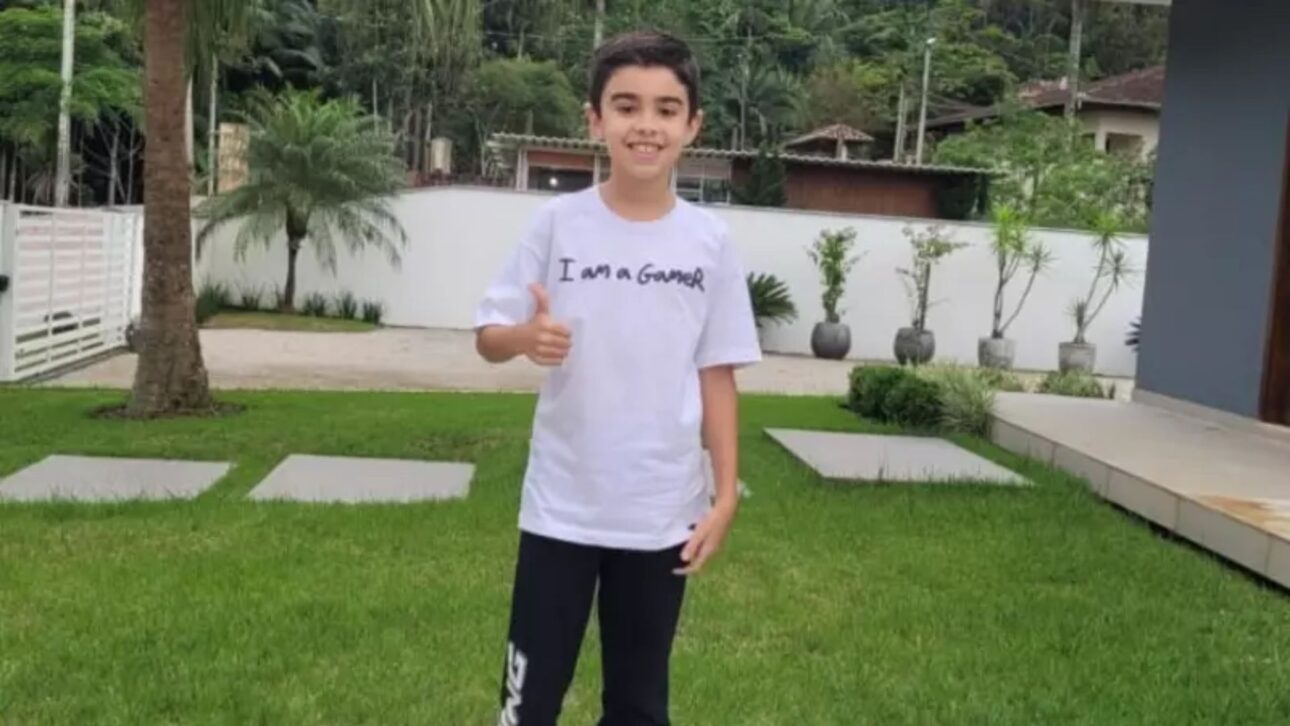
The journey to diagnosis began with signs observed by his parents and school.
According to reports, at two years old, Davi exhibited a fascination with letters and numbers, counting up to 100 in Portuguese and English and seeking out games related to the alphabet and numerals in both languages.
In the school routine, teachers noted his ease in absorbing content and performance above average, factors that motivated the search for specialized guidance at the beginning of 2025.
While the formal evaluation was being prepared, the family began organizing activities that matched the student’s curiosity and repertoire, maintaining regular pedagogical support.
This set of evidence was compiled in the report that supported the request for admission to Mensa.
Procedures and Acceptance Criteria
The admission procedure reported by the press describes the submission of a report produced with tests recognized by Mensa and the subsequent analysis by the Brazilian section of the entity.
The formal response confirmed that the student meets the performance criteria established by the organization, aimed at the upper stratum of results on standardized instruments.
The regional publication also notes that, after acceptance, the student’s name was included in the program directed at the youth audience.
In addition to the score, the neuropsychological evaluation provided an overview of the cognitive competencies mapped, which justified not only membership in Mensa but also pedagogical decisions at school.
According to reports, the family kept the documentation filed for possible future re-evaluations, a common practice in these processes.

School Support and Guaranteed Rights
With the report in hand, the school was notified and indicated the adoption of measures for ongoing stimulation.
The news material reports that the student was granted the right to take evaluations for possible grade advancement, a mechanism provided for in policies for supporting high abilities.
The family, however, decided not to use this resource at the moment in order to preserve social interaction and the established pedagogical planning, reports indicated.
The regional coverage cites Law No. 9,394/1996 (LDB), which guarantees specialized educational assistance to individuals with specific needs, including high abilities/giftedness.
In this context, education systems should provide appropriate pedagogical strategies and training for teachers for this population, in addition to the registration and monitoring of identified students.
These measures guide the implementation of curricular enrichment strategies.
Regional Response and Public Information
The story gained visibility in Santa Catarina through notes and reports that reiterated the factual core: age, municipality of residence, evaluation result, and admission confirmation into Mensa.
Among the publications, it was reported that the admission was recent and that the supporting documentation was submitted to the Brazilian entity.
Reports emphasized verifiable data and were limited to what was expressed in reports and formal communications, without going beyond what the family shared with the press.
It was also noted that, by the time of the publications, there was no disclosed schedule of specific activities from Mensa for the student, nor details on specific curricular changes in the school besides the reported pedagogical adaptations.
This focus aligns with the objective of preserving objectivity, maintaining focus on confirmed documents and decisions.
What Can Guide Other Families Interested in This Topic

Cases like Davi’s often serve as a reference for families seeking secure pathways to the identification of high abilities.
In general terms, the consulted reports highlight three objective fronts.
The first is the systematic observation of behaviors from early childhood, with records of interests, learning rhythms, and demands for new challenges.
The second involves a technical evaluation with recognized instruments, capable of providing a clear report on the student’s cognitive profile.
Finally, the third corresponds to dialogue with the school to align pedagogical strategies, considering rights provided by law and the reality of each education network.
Admission to entities like Mensa does not replace pedagogical support but can function as an additional reference data point.
At the same time, the report guides family and school choices without imposing goals or expectations beyond what the documents attest.
Transparent communication among guardians, health professionals, and educators, along with constant updates on public inclusion policies, tends to favor academic trajectories consistent with the identified potential.
In this scenario, the experience reported by the regional press remains confined to documented facts: scores obtained, submission and confirmation dates, connection to an internal Mensa program, and records of ongoing school measures.
From this set, interested families find concrete parameters to understand how an evaluation is structured, what criteria are observed by high IQ entities, and what educational rights are recognized in the country.








-

-

-

-

-

-

32 pessoas reagiram a isso.