





 Portuguese
  English
  Spanish
  4 min of reading
  0 comments



With the Advancement of International Taxation and the Lack of Agreements Between Countries, Those Who Have Accounts Abroad May End Up Paying Inheritance Tax in Brazil and in the Country Where the Money is Deposited, Which Generates the Risk of Double Taxation.
Having accounts abroad is an increasingly common practice among Brazilians seeking financial diversification, international investments, or currency protection. However, in the event of the account holder’s death, these assets may be subject to double taxation on inheritance tax, as both Brazil and the foreign country may require payment of the tax.
The absence of bilateral treaties to avoid double taxation and the differences between succession laws create a complex scenario. Depending on where the funds are invested, the estate may need to be handled outside the country, and the tax may be levied again in Brazil, increasing the tax burden on the heirs.
How Inheritance of Assets Abroad Works
According to Brazilian legislation, the Justice system in Brazil is responsible for processing the inheritance of assets located within national territory.
-
BRICS is building its own payment system that could be operational by 2030, and experts say it could increase trade between the countries by up to 10% per year and add 3% to the GDP of each member of the bloc.

-
Government suspends over 3 million traffic fines in Brazil and drivers breathe a sigh of relief.

-
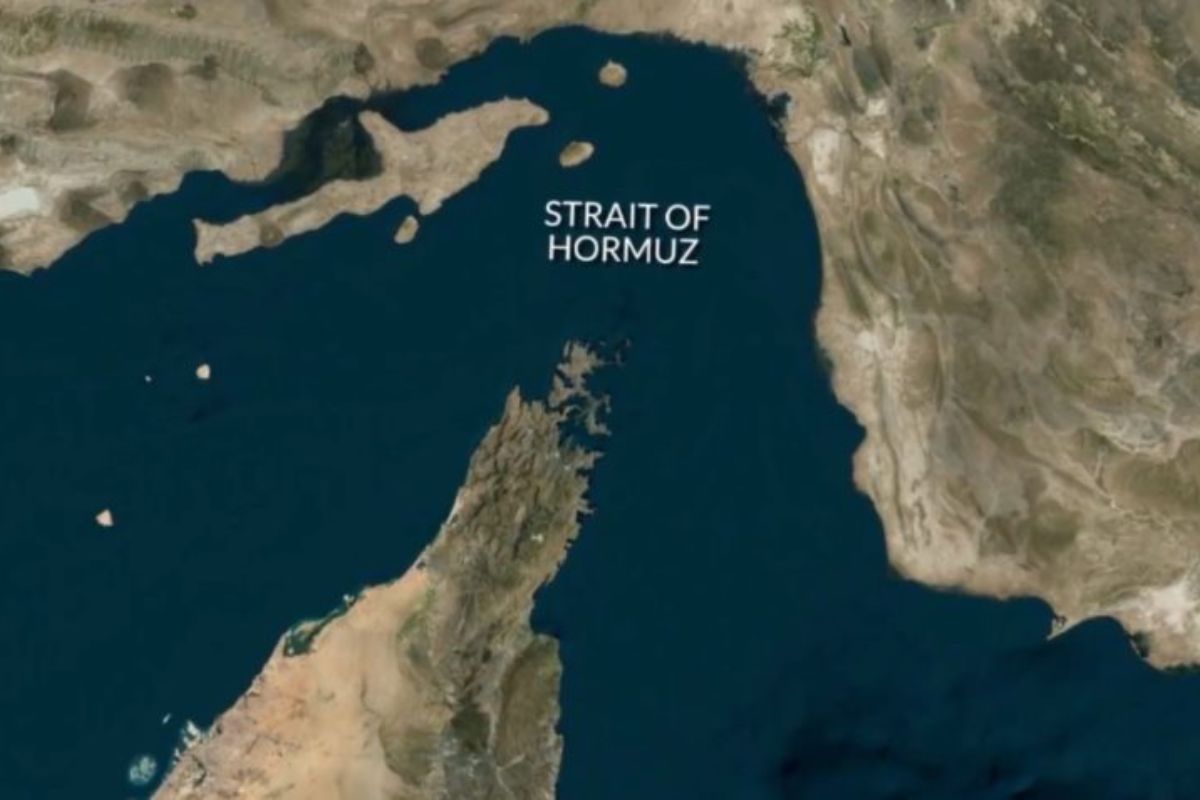
Iran has just approved toll charges for ships in the Strait of Hormuz and has completely prohibited the passage of vessels from the United States and Israel in the world’s most important maritime route for the global energy market.
-
Government cancels R$ 25 million “celebration” for Brasília’s anniversary and allocates funds to health.


The assets held in other countries follow the rules of the jurisdiction where they are deposited.
This means that the same inheritance can be divided into different processes, with independent tax implications.
In countries like the United States, the exemption limit for inheritance tax for non-resident foreigners is US$ 60,000 (approximately R$ 320,000).
Above this amount, a tax rate of up to 40% may apply, varying by state. However, balances maintained in regular bank accounts are usually exempt, unlike investments and real estate, which are taxable.
In Brazil, the ITCMD (Inheritance and Donation Tax) is state-level and can reach 8%, depending on each federative unit.
As the country does not have an agreement to avoid double taxation on inheritances, heirs may end up paying taxes in both countries without the possibility of compensation.
Differences Between Legislations and Conflicts in Dividing Assets
Brazilian legislation establishes that half of the estate must be necessarily allocated to necessary heirs, such as children and spouses.
In jurisdictions like the U.S. and the United Kingdom, there is more freedom for the testator to define who will receive the assets, which can lead to conflicts when resources are in accounts abroad.
In cases of discrepancy, the Brazilian judiciary may intervene to annul provisions considered fraudulent or contrary to national law.
“It is not possible to transfer all assets to an account abroad and leave direct heirs with nothing. Brazil recognizes family ties and protects that legitimate share,” explains tax attorney Matheus Piconez.
This difference in systems makes international succession planning require detailed analysis, taking into account both the legislation of the country where the assets are located and Brazilian succession rules.
Mechanisms to Avoid Estate Proceedings Abroad
Some countries offer instruments that reduce bureaucracy and accelerate succession. One example is “joint tenancy with right of survivorship”, used in the United States, Canada, the United Kingdom, and Australia.
In this model, the assets automatically pass to the co-owner in the event of death, without the need for judicial proceedings.
Even though it speeds up the process, the arrangement does not eliminate the risk of taxation, as Brazil may consider the transfer as a triggering event for the ITCMD.
Additionally, there are discussions about when the tax should apply—whether at the time the account is opened jointly or only after the death of one of the holders.
In Brazil, a joint account follows a different rule: the amounts deposited therein are normally included in the distribution process among the heirs, even if the co-holder remains alive.
Succession Planning and Tax Traps
For those with accounts abroad, succession planning is essential. Structures like trusts, wills, and co-ownership of assets can help reduce bureaucracies, but they need to be well-structured to avoid creating new tax obligations.
Specialized attorneys warn that there is no one-size-fits-all solution or risk-free approach. Accounts opened in tax havens or low-tax countries, like Luxembourg and the British Virgin Islands, may evade local taxes, but Brazil can still require the ITCMD on those amounts when state law permits.
“The main concern is to assess the legislation of the country where the assets are located. A strategy that works in the U.S. may be unviable in Brazil.
Each case requires its own clear and transparent design before the tax authority,” emphasizes Hermano Barbosa, tax attorney at BMA Advogados.
A Scenario of Changes and New Rules
With the tax reform approved in 2023, states have gained more clarity on how to regulate the collection of ITCMD on inheritances abroad.
Many state governments are already preparing to update their laws and tax international transfers of assets, which is expected to increase the number of cases of double taxation in the coming years.
The expectation is that, without a bilateral treaty, the tax burden on inheritances outside the country will become heavier, particularly affecting Brazilians with investments in dollars or real estate abroad.
Do you think it is fair that those with accounts abroad pay inheritance tax twice, in Brazil and in the country where the money is invested? Is double taxation a form of fiscal balance or an excess of the tax system? Leave your opinion in the comments; we want to know how you see this issue in practice.









-

-

-

-

-

9 pessoas reagiram a isso.