





 Portuguese
  English
  Spanish
  8 min of reading
  0 comments


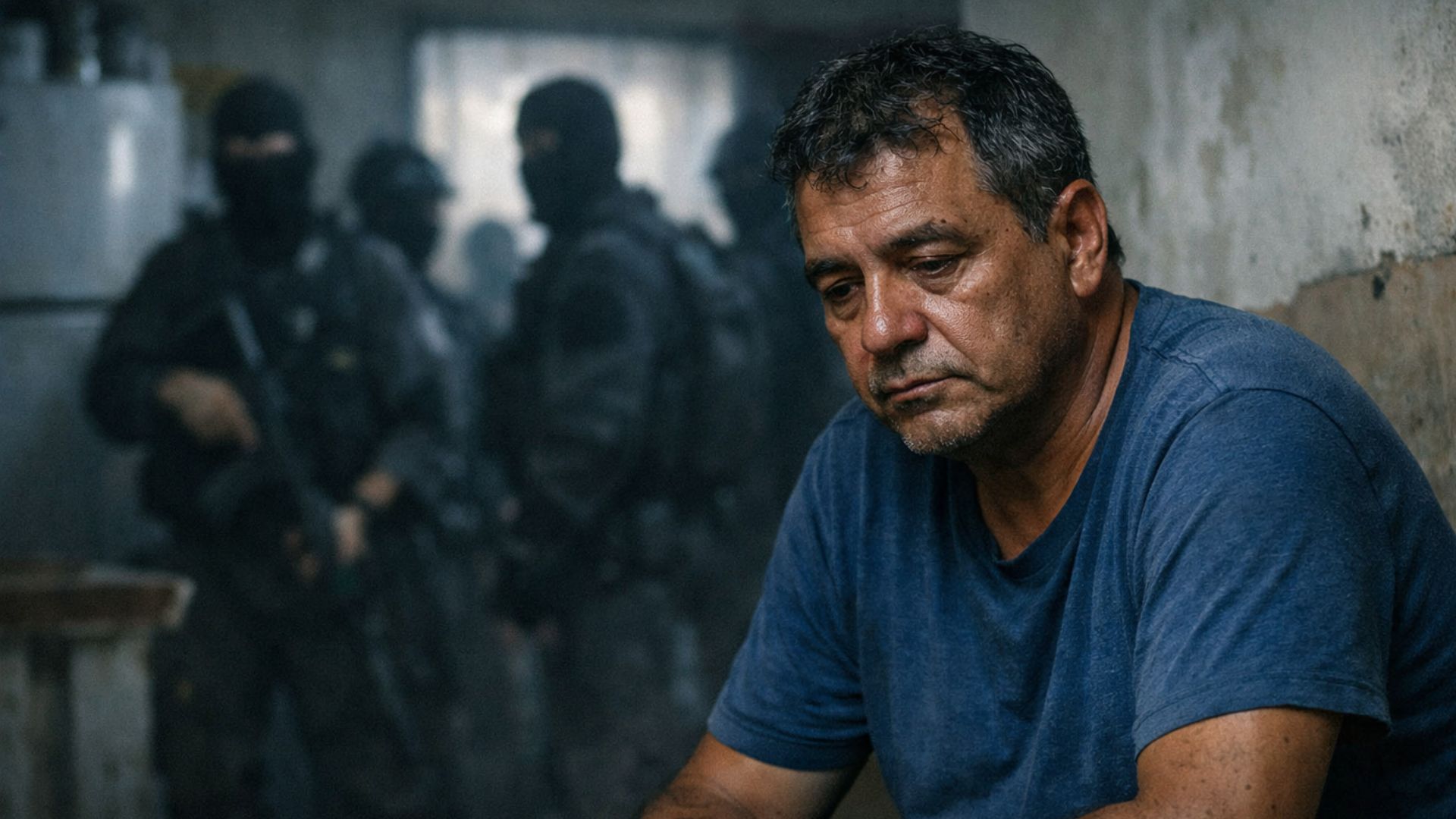
The Shock Of Forced Return To Country Of Origin After Decades Abroad
“I am not afraid of Brazil, but I know it will be difficult.” This phrase summarizes the feelings of Ricardo Alves, a Brazilian who was deported from the United States after 21 years living and working in the country. At 48 years old, he returned to Brazil carrying not only an empty suitcase but also the feeling that an entire life was interrupted abruptly and traumatically. According to his own account, starting over in the country of origin after such a long time abroad can be even more challenging than migrating as a young person irregularly to another country.
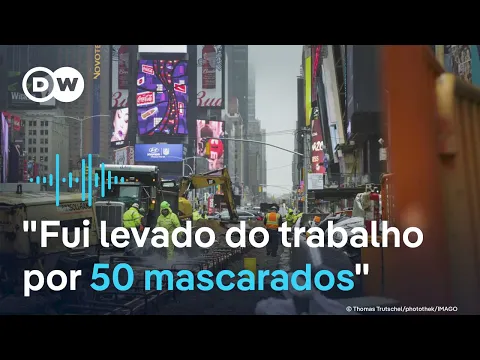
The information was revealed by DW Brasil, in a report from the podcast DW Revista, produced by the Brazilian newsroom of the German broadcaster in Bonn, which closely followed the story of Brazilians recently deported from the United States. Ricardo’s case is one among thousands that help to gauge the human impact of the stricter migration policies adopted in recent years.
Between January and October 2025, 2,318 Brazilians were deported from the United States. In all of 2024, this number was 1,648 deportations. The data shows significant growth and reflects the establishment of a robust federal structure to identify and remove immigrants in irregular situations, the so-called undocumented. By the end of October 2025, over 2 million immigrants left the United States, accounting for forced deportations and self-deportations, when individuals themselves report to authorities to voluntarily return to their country of origin.
-
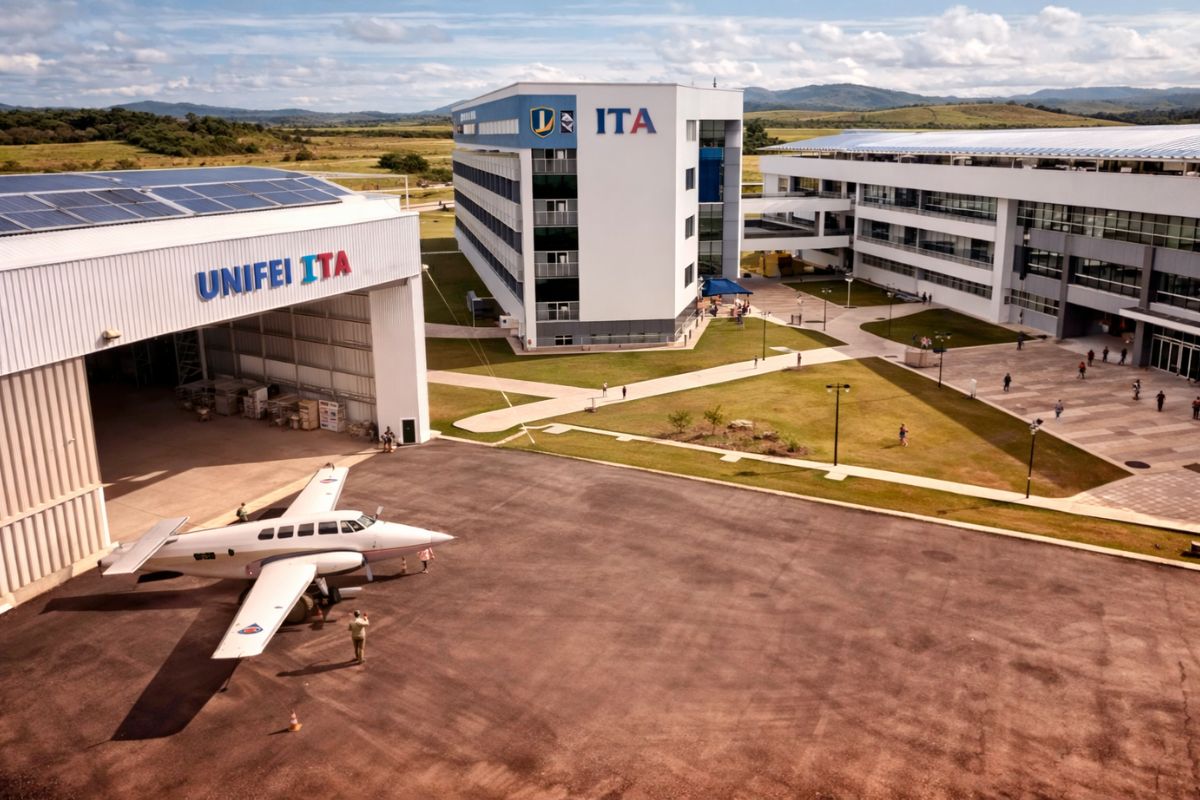
The institute that trained the greatest aerospace engineers in Brazil has just opened its first campus outside São Paulo after 75 years: ITA Ceará will have R$ 445 million, new courses in energy and systems, and classes are expected to start in 2027.
-
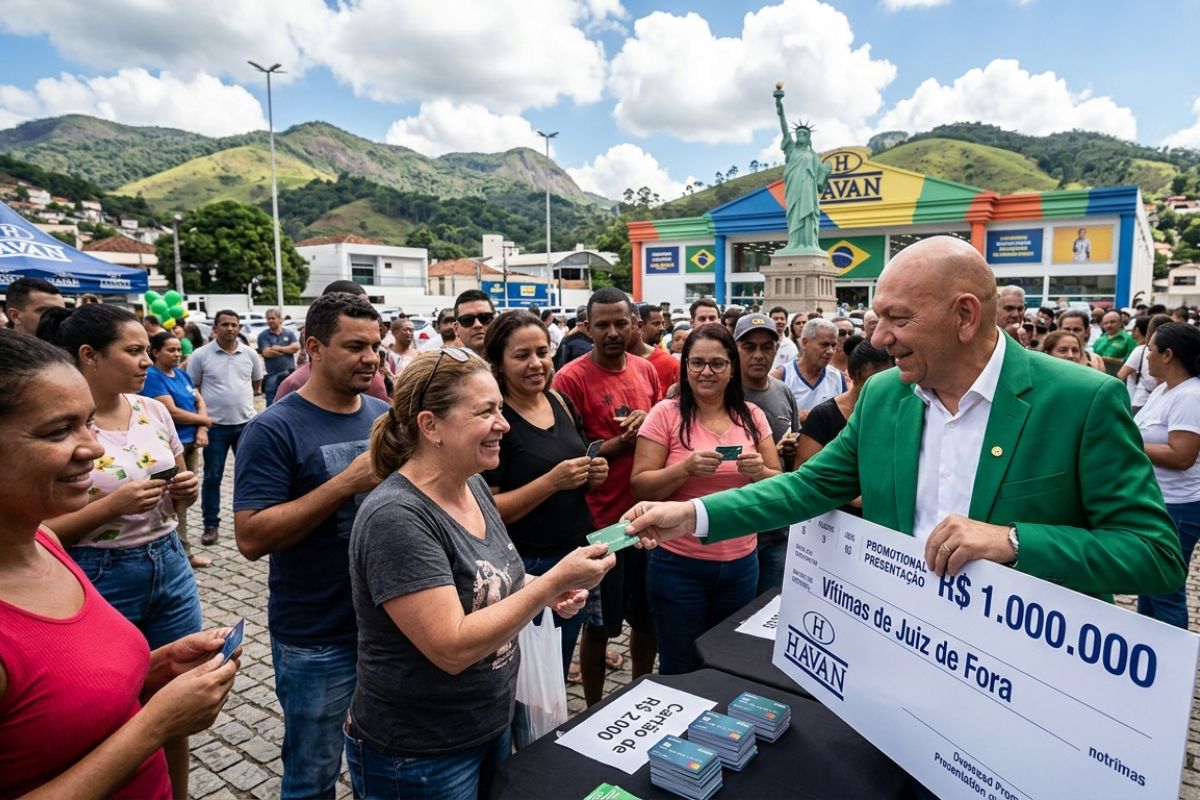
Luciano Hang, owner of Havan, goes to Juiz de Fora after the tragedy in February, brings R$ 1 million, hands out R$ 2,000 cards, and donates up to R$ 15,000 to victims in the region.
-
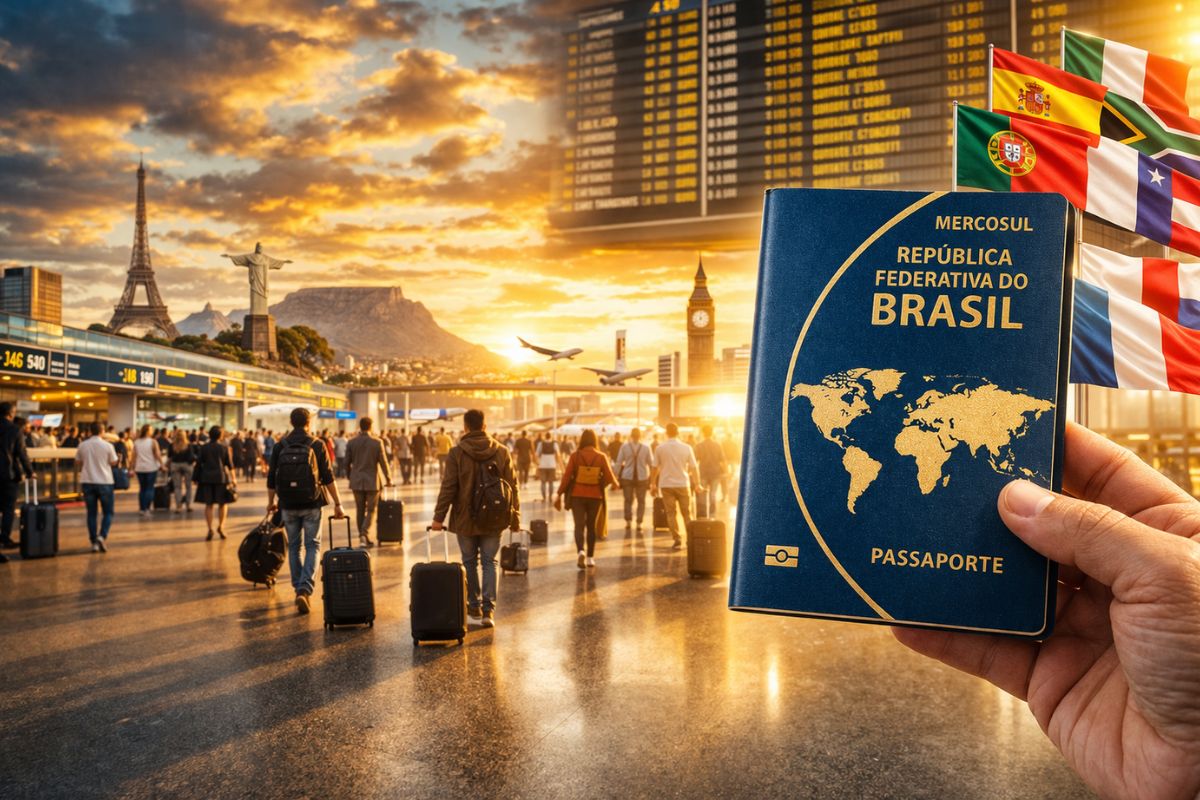
The Brazilian passport allows legal residence in dozens of countries without the need for a prior visa, and most Brazilians are unaware that they can apply for residency directly upon arriving in nations in South America, Africa, and even Europe.
-
Petrobras sends a message to Brazilian truck drivers after fuel collapse and reveals plan to have 100% domestic diesel.


In this context, Ricardo returned to Brazil in the end of September 2025 and went to live with his mother in Ipatinga, Minas Gerais, a city where he tries to reorganize while dealing with physical pain, bureaucracies, and the psychological impact of the unexpected return. According to him, the feeling is similar to “the first day of school,” when everything seems strange, unfamiliar, and insecure.

From Simple Childhood In Brazil To The American Dream Built With Hard Work
Ricardo’s journey begins long before his deportation. The son of a family that left the countryside in the 1970s to seek a life in the big city, he grew up in São Paulo, in a humble home. His father was a civil servant, and his mother was dedicated to housework and raising their six children. Still young, at 21 years old, Ricardo became a father, but the relationship ended a few years later.
Working as a metalworker in Diadema, in the metropolitan region of São Paulo, he nurtured a dream common to many Brazilians: to live abroad. Although he did not master English, he had curiosity, affinity with the language, and believed that the international experience could open doors. A cousin who already lived in the United States offered help and introduced him to the so-called coyotes, intermediaries who organize illegal border crossings.
The fee charged for the trip was US$ 7,000. To raise the money, Ricardo quit his job, sold all the belongings he had, and gathered as much as possible. Thus, he passed through two South American countries, boarded a flight to Mexico, and crossed the land border into the United States. He arrived in the country on December 25, 2004, at 27 years old, and did not leave again until he was deported two decades later.
At the time, the American economy was booming, which facilitated immediate job acquisition. The day after his arrival, Ricardo was already employed, earning US$ 6 per hour. Like many undocumented immigrants, he started to do heavy work requiring extreme physical effort and long hours. According to his account, these were tasks that few Americans would accept to perform, especially for the pay offered.
During the first 11 months, all the money he earned went towards paying off the debt from the crossing. Later, he found out that the cousin had paid a much lower amount to the smugglers and pocketed the rest. Still, Ricardo continued to work, facing intense cold, carpentry jobs, carrying wood on his back, working on his knees, and cleaning unsanitary areas, such as spaces under houses.
Violence In Prison, Police Operation, And Accelerated Deportation In 2025

Ricardo lived under different U.S. governments: George W. Bush, two terms of Barack Obama, the first term of Donald Trump, the administration of Joe Biden, and the first nine months of Trump’s second term, which began in January 2025. In this new term, the U.S. president promised to drastically toughen immigration policies.
Since he resumed the presidency, Trump has allocated around US$ 170 billion in additional resources to the Department of Homeland Security and ICE (U.S. Immigration and Customs Enforcement) until 2029. The stated goal is to locate, detain, and deport immigrants without valid documentation, as well as foreigners with criminal backgrounds. However, the actions have faced criticism, allegations of brutality, and reports of detaining people without criminal records and even American citizens.
It was in this context that in September 2025, Ricardo was arrested during an operation in Milford while working at a residence. According to his account, around 10 unmarked vehicles surrounded the area at about 10:30 a.m., with masked and armed agents. He and four other Brazilians tried to protect themselves inside the house but ended up being captured.
During the operation, agents repeatedly used taser guns. One of the workers was reportedly hit four times. Ricardo claims he was the last to be found and that, while already handcuffed, his ankle was stomped on by an agent for about 40 seconds, using immobilization techniques. The next day, he needed to be taken to the hospital because his foot was severely swollen.
A few days later, he was deported. The process was expedited because Ricardo still had his passport in hand. Left behind in the United States were car, tools, furnished apartment, personal collections, and investments. Additionally, according to him, the authorities confiscated documents and licenses, which now prevent him from driving and attempting to validate his American license in Brazil.
Starting Over From Scratch In Brazil At 48 Years Old Among Bureaucracy, Physical Pain, And Loss Of Identity
After landing in Belo Horizonte, Ricardo describes how the reality of returning imposed itself immediately. Despite being in his country of origin, he reports feeling like a foreigner within his own Brazil. According to his testimony, the first days were marked by confusion, insecurity, and a constant feeling of being lost, both emotionally and in the practical routine of everyday life.
Since the end of September 2025, he has lived with his mother in Ipatinga (MG). However, almost two months after returning, the situation remained practically unchanged. Ricardo had still not managed to recover the belongings left in the United States, mainly because international shipping costs are high. To him, these objects represent more than material goods; they symbolize part of his identity built over 21 years abroad.
Furthermore, unexpected bureaucratic hurdles have emerged. Ricardo discovered that his CPF was canceled, which prevents him from carrying out basic operations such as opening an account, signing contracts, or looking for formal employment. The only document he currently possesses is his passport, which is insufficient to resolve most of the administrative issues in the country. Thus, even before seeking work, he needs to rebuild his civil documentation from scratch.
This scenario adds to the difficulty of financial adaptation. According to him, even simple situations reveal how much reality has changed. When buying a cellphone charger in Belo Horizonte, Ricardo handed over R$ 40 expecting change and realized that he no longer mastered the values practiced in everyday Brazilian life. Since then, he reports that he carries his phone at all times, following GPS, even to walk through neighborhoods he knew well in the past.
Permanent Injuries, Medical Care, And Limitations To Resume Professional Life
Another central obstacle faced by Ricardo is his physical condition. During the police operation that led to his arrest, he suffered ruptured ligaments and tendons in his foot, in addition to persistent swelling in the heel, which, according to doctors, may become permanent. Nearly 60 days have passed since the incident, and the problem has not subsided.
Upon arriving in Brazil, he was received by teams from the federal government and representatives from the UN, who quickly directed him to the hospital. There, he received pain medication and emergency care. However, more in-depth examinations are still necessary. Ricardo explains that the X-ray only assesses the bones, but the damages he sustained require a magnetic resonance imaging scan, which he has not yet managed to undergo.
Because of this, he avoids physical exertion, does not use public transport, and attempts to do only light exercises to regain mobility. His physical limitation directly impacts his ability to seek employment, especially in operational roles, which have always been his primary source of income, both in Brazil and in the United States.
Even in the face of these difficulties, Ricardo states that he does not rule out accepting jobs such as doorman, cleaner, or delivery worker, should he manage to sort out his documentation and improve his foot condition. For him, the challenge is not just financial but psychological: to feel useful, integrated, and respected once again.
Between Hope And Frustration, Deported Brazilians Try To Rebuild Their Own Story
Ricardo’s account reveals an ambiguous feeling. On one hand, there is relief at being on Brazilian soil, close to family and away from the constant fear of migration persecution. On the other, there is frustration at having lost everything he built over more than two decades. According to him, many Brazilians return with nothing and end up being treated with indifference, as if their journey had no value.
Still, the reunion with relatives, friends, and acquaintances brings moments of emotional comfort. Ricardo recounts feeling emotional when seeing uncles, cousins, and childhood friends, which reinforces his bond with the country. However, the initial hope begins to wear thin as the days go by and solutions do not materialize.
As highlighted by DW Brasil in the podcast DW Revista, Ricardo’s story is not isolated. It reflects a reality faced by thousands of Brazilians deported from the United States, especially those who spent decades abroad and return at an older age. The process of social, professional, and emotional reintegration is slow, complex, and often lonely.
For Ricardo, returning has always been part of the plan, regardless of money or stability. However, he acknowledges that the longer one stays away, the more difficult it becomes to return. Now, facing a new chapter that has yet to be written, he tries to gather strength to rebuild his own life, even knowing that the path will be long.
After decades of work and sacrifice abroad, would you be prepared to return with nothing and start from scratch?









-

-

-

-

11 pessoas reagiram a isso.